An unexpected electrical surge can damage delicate instrument components in minutes, potentially halting operations for days. Instrument repair shops in Florida face numerous risks that go beyond regular wear and tear, and a single claim can lead to financial strain. Florida’s unique weather, coupled with technological and infrastructure-related vulnerabilities, demands specialized insurance tailored for musical instrument repair businesses. This article explores the nuances of such coverage, reviews common claim scenarios, and offers a deeper understanding of how recent legislative changes impact the industry. For example, Florida’s equipment breakdown claims provide real-world insights into the risks repair shops confront.
Musical instrument repair shops handle a vast range of equipment, from tuning machines to high-value antique instruments. Insurance coverage in this niche requires careful scrutiny of the items insured and the potential liabilities arising during repair processes. Given that equipment repairs in the state have seen costs rise by 18% compared to just two years ago, today's shop owners must assess their insurance options carefully. While many factors influence premiums, a robust policy helps to safeguard against significant payout scenarios.
Understanding the terrain of Florida insurance policies can be daunting, but delving into the specifics of coverage, regulatory changes, and industry trends may create clearer protection strategies. The following sections shed light on different dimensions of Florida musical instrument repair insurance and cover practical steps for securing comprehensive coverage.
Why Specialized Insurance is Critical for Instrument Repair Shops
Musical instrument repair shops operate in a high-stakes environment where equipment sensitivity and the need for precision repair create distinct challenges. Accidental damage or unexpected events can disrupt operations significantly. A tailored insurance policy provides protection not only for damages to work instruments but also for liabilities arising from inadvertent harm to client property.
Instrument repair involves both repair and restoration procedures, which require a high level of expertise and the use of specialized equipment. Insurance policies that cover equipment breakdowns and worksite incidents ensure that if a vital machine fails or suffers damage from a power surge, the business remains financially stable. Data from the Florida Association of Public Insurance Adjusters shows that in 2023, the average equipment breakdown claim in the state was settled for $12,700, with power surges responsible for more than half of total payouts .
Understanding Equipment Breakdown Claims and Their Impact
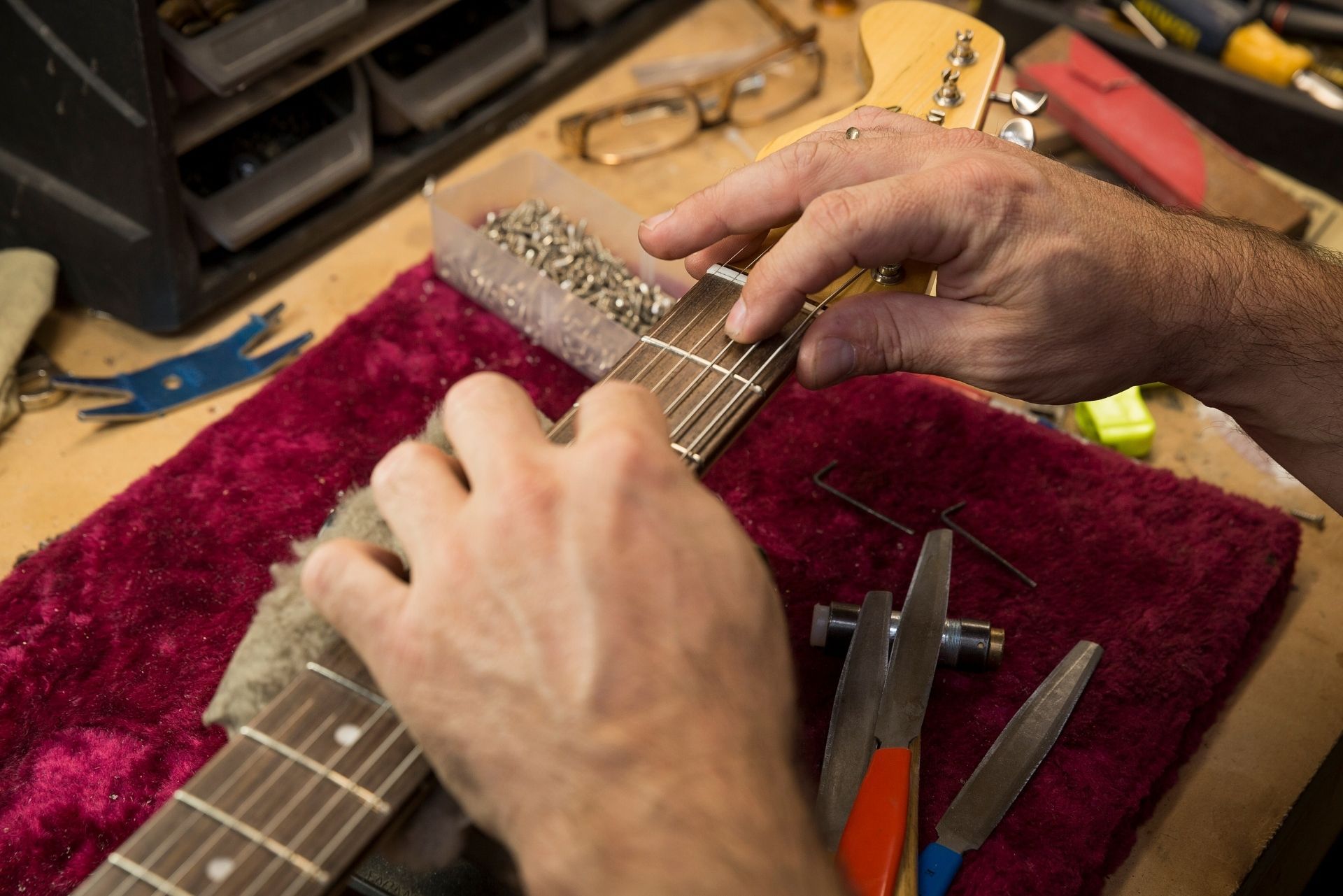
Instrument repair shops depend on high-tech tools to diagnose and mend delicate instruments. A breakdown in this equipment can interrupt a shop's workflow and result in substantial costs. Specific policies designed for equipment breakdown provide coverage for both mechanical failures and electronic malfunctions, including incidents resulting from power surges.
Power surges are a notable cause of claims, particularly in Florida where electrical grid issues may lead to fluctuations that affect sensitive machinery. Insight into these statistics is crucial for shop owners to understand the kinds of damage they might encounter. When electrical equipment sustains damage, shop owners often face not only repair expenses but also lost revenue due to downtime. These nuances make it clear why specialized insurance is not optional but necessary.
Another significant aspect lies in the rapid rise in repair costs. Studies indicate that Florida residents in 2024 paid, on average, 18% more for equipment repairs than two years prior . This trend means that even minor issues can turn into costly headaches, emphasizing the need for a policy that adjusts alongside market conditions.
Regulatory Changes and Their Effect on Claims Processing
Legislative shifts have a direct effect on insurance claims and reporting standards. In 2023, Florida's Senate Bill 7052 was approved, mandating enhanced transparency, consumer protections, and detailed reporting by insurance carriers . This shift reinforces accountability, ensuring that policyholders are treated fairly during claims processing.
The new legislative requirements mean that repair shops filing a claim will receive more detailed explanations regarding why a claim was approved or denied. This transparency empowers shop owners to recognize the basis of any disputes and allows them to seek additional support if necessary. With clearer reporting from insurers, shop owners now have stronger grounds to appeal initial denials, a process that, according to studies, can overturn coverage decisions in nearly 39% of cases .
This change does not just benefit those filing claims. It pushes insurance companies to maintain high standards in claims management and encourages a more robust, fair processing mechanism that benefits every stakeholder.

Assessing the Risks Unique to Musical Instrument Repair Businesses
Instrument repair can be precarious, given the intrinsic value of the items treated and the specialized skills required to maintain them. While it may seem that repairing a musical instrument is straightforward, the process can be complex due to the interplay of intricate parts and sensitive materials. Any disruption can lead to higher repair costs or even complete loss of valuable instruments.
Aside from typical equipment damage, potential liabilities include client property damage, errors in the restoration work, or even misinterpretation of repair procedures. Instrument repair shops need to tackle these risks by having policies that cover a spectrum of issues-from errors and omissions to general liability coverage. For example, policies might include coverage specifically for accidents that occur during the repair process, ensuring that both the shop and its clients are protected.
By understanding the unique risks, repair shop owners can better navigate their insurance options. Investing time in comparing different insurance plans and coverage limits offers peace of mind. As incidents occur more frequently in specialized fields like this, research suggests that detailed analyses of historical data can help tailor future policies more effectively.
Comparing Different Insurance Coverage Options
When choosing insurance coverage, several options exist that cater to the operational needs of a musical instrument repair shop. It is essential to consider policies that cover equipment breakdown, general liability, worker’s compensation, property damages, and errors in service. A side-by-side comparison of basic versus extended coverage plans can help clarify the benefits of each policy type.
The following chart summarizes common coverage options that instrument repair shops may encounter:
| Coverage Type | Basic Policy | Extended Policy | Considerations |
|---|---|---|---|
| Equipment Breakdown | Covers mechanical failures and power surges. | Includes surge damage and secondary repair costs. | Vital due to high cost of digital repair tools. |
| General Liability | Protection from third-party claims. | Extended to cover errors during restoration. | Useful for walk-in clients and on-site repair risks. |
| Property Damage | Basic protection for shop premises. | Broader protection including temporary closures. | Crucial when expensive instruments are in stock. |
| Error and Omissions | Limited coverage for mistakes. | Enhanced cover for costly restoration errors. | Important given the high skill required in repairs. |
| Worker’s Compensation | Standard coverage for employee injuries. | Extended medical and rehabilitation benefits. | Relevant for shops with multiple technicians. |
This comparative view provides an at-a-glance perspective on how each policy might protect a business in the intricate landscape of musical instrument repair. For shop owners evaluating their current policies, understanding the compensations provided for equipment breakdowns can be especially revealing.
Strategies for Securing Comprehensive Coverage
Securing a policy that fits the operational needs of a musical instrument repair shop requires a proactive and well-informed approach. First, shop owners should take inventory of their equipment, detailing both the repair and restoration tools critical for daily operations. A detailed inventory serves as the backbone of any claim should an incident occur.
Policyholders should regularly review their coverage options, keeping an eye on changes in insurance regulations, such as those mandated by Florida’s Senate Bill 7052 . This dynamic regulatory climate means that a policy that was adequate a few years ago may no longer meet current industry demands.
Consulting with an insurance specialist can be invaluable. Specialists can help untangle the complexities of different coverages and adjust limits to reflect the true market value of both equipment and potential business interruptions. Given that the equipment repair market in Florida has experienced significant pricing shifts, such adjustments are not just prudent-they are necessary to avoid potential financial pitfalls.
Addressing Common Misconceptions in Musical Instrument Repair Insurance
There is a prevailing notion that general business insurance is sufficient for instrument repair shops. This assumption can lead to understated risks, as general policies may not cover the intricate aspects of repairing delicate musical instruments. The specialized equipment used in repairs often requires a customized policy that addresses equipment sensitivity, installation mishaps, or even software errors in diagnostic tools.
Similar to other niches, the music repair industry faces unique challenges, such as sudden equipment failure due to power surges. Given that studies reveal that equipment breakdown claims in Florida have averaged $12,700 in 2023 , it stands to reason that relying solely on general business policies might leave repair shops underinsured. Best practices involve ensuring a deep understanding of what each policy covers and identifying any potential gaps in protection.
Owners should also look at how policies differentiate between repair costs and replacement expenses. As pointed out by a leading industry expert, there are often legitimate reasons to repair rather than replace a vital component. In the context of instrument repair, this could mean fixing a broken tuning mechanism instead of replacing an entire instrument-a decision that can save significant time and money.
Balancing Repair and Replacement Decisions
Instrument repair often involves a delicate balance between restoring an instrument and determining when replacement is more cost-effective. Repair decisions can hinge on a number of factors, including the instrument's historical value, repair cost, and downtime implications. In some instances, repair may be the ideal choice if the cost is reasonable and the instrument holds sentimental or artistic value.
Much like the perspective shared by an insurance CEO who stated that there are often legitimate reasons to repair a roof instead of replacing it, repair shop owners face similar decisions in their day-to-day operations. Detailed assessments of each case, paired with professional consultation, allow business owners to optimize their operational expenses without compromising quality. This balance also influences insurance coverage needs, ensuring that policies adequately compensate for repair efforts rather than replacement-only scenarios.
The nuances involved in these decisions often extend to discussions with insurance providers. Clearly articulating the intentions and methods used in repairs might lead to better-tailored policies. Understanding these details can also facilitate smoother claims processes when disputes arise over coverage after an incident.
Market Trends and Their Influence on Insurance Costs
Recent market trends show a dynamic shift in the cost structures of both insurance and repair services. For instance, in 2024, Florida residents paid, on average, 18% more for equipment repairs than two years prior . Such trends have direct implications on insurance premiums and the valuation models used by insurers. Repair shops experience increased pressure as costs rise, making it imperative that insurance policies evolve in tandem with market realities.
Insurance providers typically adjust premiums based on a mix of repair costs, frequency of claims, and economic conditions. Reviewing annual reports provided by authoritative bodies, such as the Florida Office of Insurance Regulation, can assist shop owners in gaining a clearer understanding of pricing trends and market conduct reviews. These assessments bolster an owner’s ability to negotiate better terms and coverage limits.
In an uncertain economic climate, knowing the factors that drive up costs allows providers and policyholders to proactively explore cost-saving measures. Being informed about legislative changes and market trends is crucial for managing the long-term viability of an instrument repair business.
Building Resilience in a Competitive Landscape
In a competitive market like Florida, resilience stems from more than just technical expertise; it also relies on strong financial planning and risk management strategies. Establishing robust insurance coverage for instrument repair shops is a cornerstone of any comprehensive risk management plan. By having a policy designed to specifically cover the nuances of equipment breakdowns, shop owners can focus their energies on refining their craft rather than worrying about unforeseen disruptions.
Shop owners should work closely with insurance professionals to analyze their unique risk profiles. Every instrument, with its attendant repair costs, contributes to the overall risk landscape. Implementing a proactive approach to risk management includes regularly updating inventory lists, ensuring proper maintenance of repair equipment, and staying informed about regulatory changes that may affect claim processing.
This strategic planning not only shields businesses from unexpected downturns but also builds long-term stability. Resilient businesses are recognized by insurers as lower-risk, often leading to more favorable premium adjustments over time. Such an approach embeds a sense of security that is invaluable in an industry where the unexpected remains a constant.
Preparing for Claims – Practical Tips for Instrument Repair Shops
Filing insurance claims can be a stressful experience, particularly when a business is already under pressure from operational disruptions. Instrument repair shops can mitigate this stress by preparing in advance. A well-documented inventory, detailed service records, and regular equipment maintenance logs form essential components of a robust claims file. Ensuring that records are meticulously maintained can streamline the claims process and improve the likelihood of a successful appeal if initial denials occur.
Data suggests that homeowners who provide supplemental contractor reports succeed in overturning coverage decisions in 39% of cases . While this statistic comes from a related field, the principles remain applicable to instrument repair shops. Detailed documentation supports claims by providing objective evidence of damages and repair costs, thereby easing the negotiation process with insurers.
Additionally, engaging with professional insurance adjusters experienced in equipment breakdown claims can prove beneficial. These professionals provide insights into how claims are typically handled and what documentation can bolster a case. Preparing for claims in this structured manner can reduce downtime and safeguard against extended periods of financial uncertainty.
Frequently Asked Questions
What does musical instrument repair insurance typically cover?
This coverage usually includes protection against equipment breakdown, property damage, and liability issues that may occur during the repair process. Specialized policies are designed to address the unique risks faced by repair shops, ensuring that both the shop and its clients are safeguarded.
Why is it important to have a policy specifically tailored for instrument repair shops?
General business insurance may not address the specialized risks associated with repairing sensitive musical instruments. Tailored policies provide necessary protections, from safeguarding expensive equipment to covering errors during the repair process.
How have recent regulatory changes affected the claims process?
Legislative changes, such as Florida’s Senate Bill 7052, have enhanced transparency and consumer protections. These changes require insurance carriers to provide more detailed reporting, which helps policyholders understand claim decisions better.
What steps can be taken to improve the chances of a successful claim?
Maintaining detailed records of equipment, repairs, and service logs, as well as engaging with experienced insurance adjusters, can significantly enhance the chances of a successful claim.
Are rising repair costs influencing insurance premiums?
Yes, increased repair costs directly affect both the valuation models used by insurers and the premium rates charged. Staying informed about these market trends can help shop owners negotiate better coverage terms.
How can repair shops balance the decision between repair and replacement?
Making decisions based on factors such as cost, downtime, and the value of the instrument can help. Insurance policies that distinguish between repair costs and replacement expenses offer clearer financial guidance when evaluating the best option.
Wrapping Things Up
Instrument repair shops represent a niche yet critical segment in Florida's diverse business landscape. The risks associated with the industry require insurance policies that are not one-size-fits-all, but rather tailored to address the specific challenges of repairing and restoring valuable instruments. By focusing on specialized coverage, such as equipment breakdown policies that consider the high repair costs and frequency of power surges, shop owners can shield their businesses against unexpected expenses.
Continuous review of policy terms in light of regulatory changes, like those enforced by Senate Bill 7052, ensures that businesses receive fair treatment during claims processing. The practical steps discussed here, including detailed documentation and proactive risk management, pave the way for resilient operations in a competitive market. For those looking to understand the finer details of equipment breakdown claims in Florida, in-depth information is available from reports by the Florida Association of Public Insurance Adjusters.
As the market continues to evolve, staying informed and negotiating tailored insurance policies remains critical. Whether it is reviewing market trends, balancing repair and replacement decisions, or ensuring meticulous recordkeeping for claims, each step enhances the overall security of an instrument repair business.
For further insights into industry trends and how to navigate insurance challenges, trusted sources and up-to-date industry reports offer valuable guidance. This proactive approach not only builds resilience but allows repair shops to thrive even amid unexpected disruptions.
ABOUT THE AUTHOR: PAUL RAMENTOL
I am the Owner and President of Mesa Insurance Agency. I help individuals and business owners across Florida secure personal and business insurance coverage that supports their needs. My focus is on clear guidance, direct communication, and long-term support without call-center delays or confusion.
Contact Us

Personal Coverage Options
Insurance Built for Everyday Protection
Mesa Insurance Agency provides personal insurance coverage designed to support daily life. Our team reviews risks and coverage needs to help clients secure dependable protection at fair rates.
Dental & Vision Insurance
Coverage that helps manage routine dental and vision care costs.

Business Coverage Options
Insurance Built for Business Protection
Mesa Insurance Agency provides business insurance coverage that helps protect operations, employees, and property. We work with multiple carriers to offer coverage options that support daily business activities and long-term stability.
Commercial Auto Insurance
Coverage for business-owned vehicles, drivers, and accident-related liability exposure.
General Liability Insurance
Protection against third-party injury, property damage, and common business liability risks.
Professional Liability Insurance
Coverage for claims related to professional services, advice, or service errors.
Workers’ Compensation Insurance
Coverage that helps support employees with work-related injuries and medical costs.
Commercial Property Insurance
Protection for buildings, equipment, inventory, and physical business assets.
Errors & Omissions Insurance
Coverage for financial losses caused by mistakes, omissions, or service-related claims.
Industries We Serve
Serving Businesses Across Multiple Sectors
Mesa Insurance Agency works with business owners across Florida to provide insurance coverage that supports daily operations. We understand common risks faced by different industries and help clients secure reliable protection.

Construction and Trades Insurance
Coverage for job sites, vehicles, tools, and workplace risks.

Hospitality Businesses Insurance
Insurance for restaurants, bars, and service-based operations.

Retail and
Commercial Properties
Protection for storefronts, inventory, and customer-related liability.
Our Approach
Insurance Made Easy to Understand
Mesa Insurance Agency provides business insurance coverage that helps protect operations, employees, and property. We work with multiple carriers to offer coverage options that support daily business activities and long-term stability.
Insurance FAQs
Helpful Answers for Florida Clients
Support you can rely on.

What makes Mesa Insurance Agency different?
We are an independent agency with access to multiple carriers. This allows us to offer flexible coverage options.
Clients work directly with licensed agents. Service continues beyond the policy start date.
Do you offer coverage for individuals and families?
Yes. We provide personal insurance for individuals and families across Florida.
Coverage includes auto, home, health, life, and flood insurance. Our team explains each option clearly.
Do you work with small and mid-sized businesses?
Yes. We work with businesses of many sizes and industries.
Our team helps identify risks and secure appropriate coverage. Ongoing service is included.
Can I make changes to my policy later?
Yes. Policies can be updated as needs change.
We assist with coverage adjustments, additions, and removals. Clients can contact us directly for help.
Is flood insurance required in Florida?
Flood insurance is not always required, but it is strongly recommended in many areas.
Standard home insurance does not cover flood damage. Our team can review your flood risk and options.
How do I contact your office?
You can contact us by phone, email, or through our website.
Our team responds promptly during business hours. Support is always available when needed.
From the Blog
Insurance Topics That Matter
Clear answers for common questions.







Client Reviews
Trusted by Clients Across Florida
Mesa Insurance Agency is proud to serve individuals and businesses throughout Florida. Clients choose us for clear communication, responsive service, and reliable insurance support. Their feedback reflects our focus on long-term relationships and consistent service.
Contact Us