A well-managed cold storage facility in Florida faces many challenges that extend beyond temperature control. Weather extremes, regulatory requirements, and an evolving insurance landscape all play a role in determining a facility’s risk profile. As these risks develop, facility managers and owners must adapt their insurance strategies accordingly. A focus on reliable coverage is crucial, as the local market continues to evolve under pressure from climate change and infrastructure troubles. For instance, the collapse of a significant portion of home insurance policies in the state underlines the need for specialized risk solutions in related sectors (PR Newswire).
Understanding the Unique Risks of Cold Storage Facilities
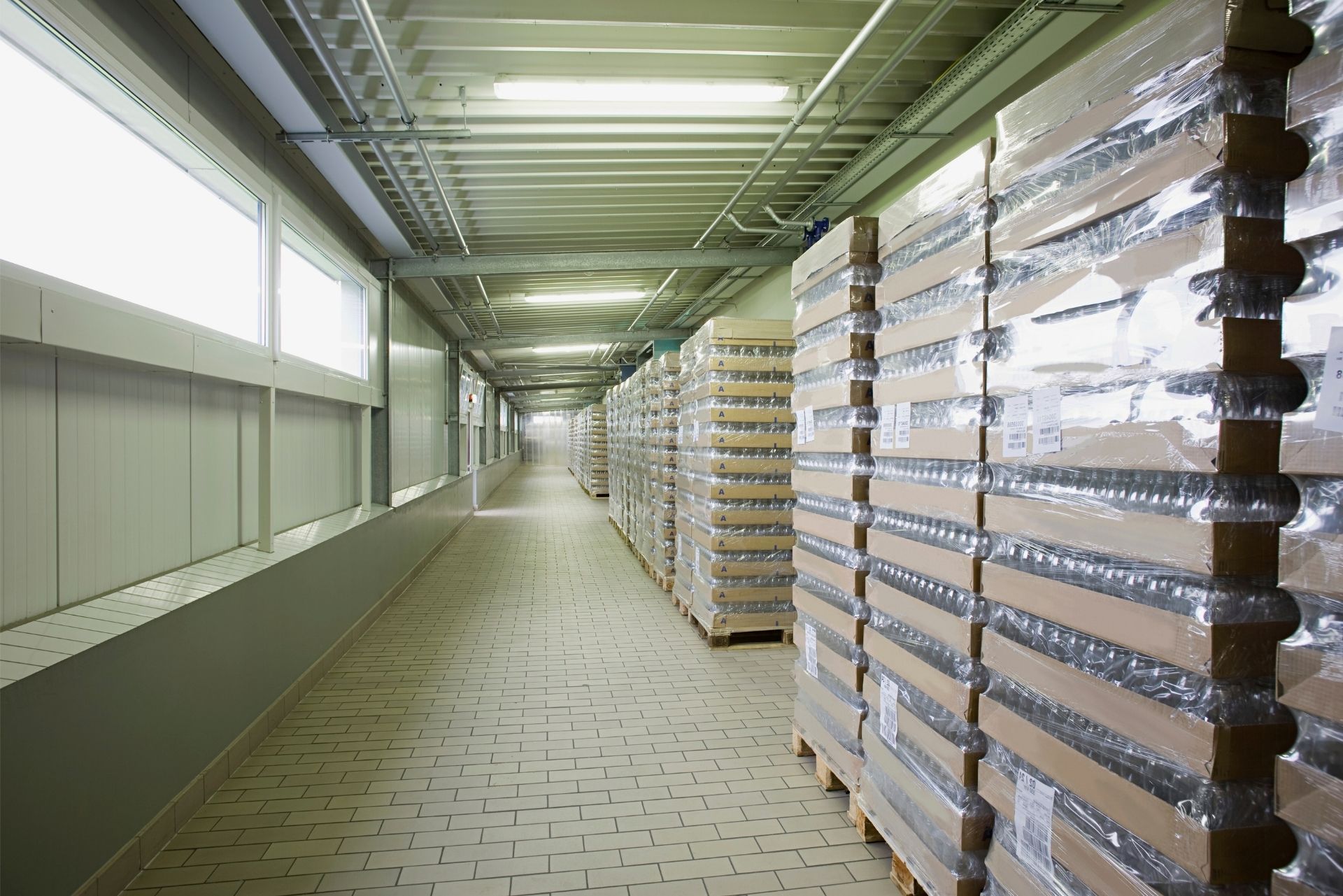
Cold storage warehouses in Florida are distinct from other industrial properties because they must maintain strict temperature regulation, safeguard perishable goods, and operate in an environment vulnerable to extreme weather events. Facilities in coastal regions often face the dual challenge of managing temperature control and weather-related risks. The region's heightened exposure to hurricanes makes it essential for facility managers to prioritize robust insurance coverage. The increased severity and frequency of hurricanes, as witnessed with infrastructure damage in recent years, add another layer of financial risk for operators.
One notable example is how Hurricane Ian caused widespread utility outages and severely impacted transportation infrastructure for cold chain operations (Global Cold Chain Alliance). This event revealed the extent to which adverse weather can disrupt carefully controlled supply chains and potentially lead to significant financial losses if insurance coverage is inadequate.
Changes in Florida's insurance market have had a ripple effect on many industries, including cold storage. The steady decline in active home insurance policies and the shifting market share towards state-backed insurers provide context for the difficulties faced by specialized sectors. As liability and property risks increase, many insurers have either raised their rates by 30 to 40 percent or exited the market entirely (The Title Report).
For cold storage facilities, this means navigating a market where coverage options are less abundant and premiums may be higher. The overall effect has been a marketplace where facility operators must conduct detailed assessments to ensure that their coverage adequately addresses high-risk factors – from catastrophic weather events to sudden regulatory changes and increasing litigation expenses.
Key Components of Cold Storage Insurance Policies
Insurance products tailored for cold storage facilities must account for specialized risks. Such policies not only include the standard property and liability coverages but also often incorporate business interruption coverage, spoilage coverage, and sometimes even specialized clauses for temperature-related losses.
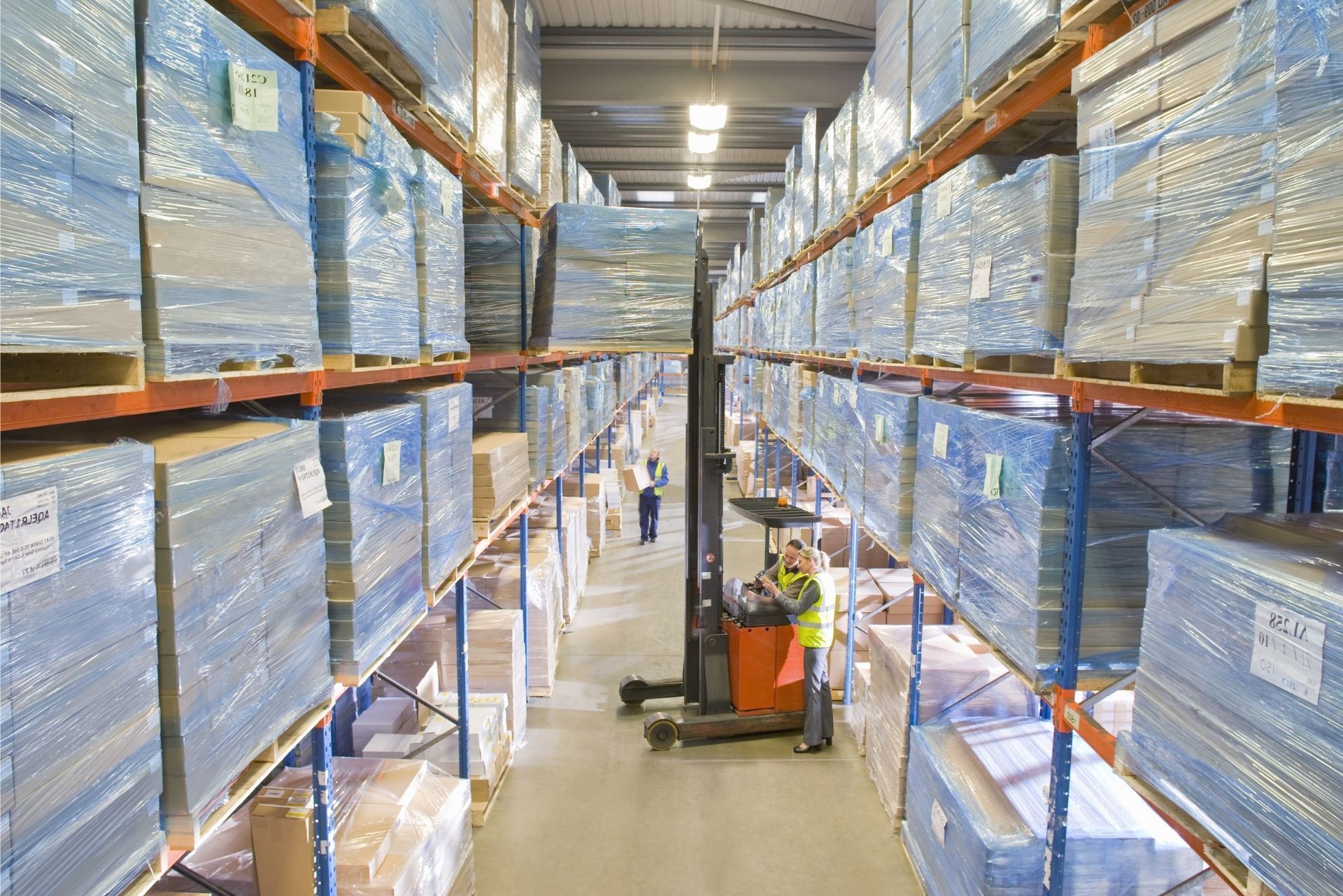
Business interruption coverage is critical because even a brief interruption in operations can lead to significant financial setbacks. Cold storage warehouses typically involve high-cost operations that rely on continuous refrigeration and controlled conditions. Without proper revenue protection, facilities can experience severe setbacks if emergency repairs or temporary shutdowns occur as a result of extreme weather events or mechanical breakdowns.
Additionally, spoilage coverage is essential. Given that these facilities manage perishable goods, any interruption in maintenance of the required temperature can lead to large-scale losses. Insurers must evaluate these unique risks meticulously, taking into account the cost and frequency of climate-related disruptions.
Adapting to the Broader Florida Insurance Environment
The broader market in Florida has seen significant shifts, and the insurance challenges faced by cold storage facilities are part of a wider trend. For instance, the overall personal property insurance sector in the state reported an underwriting profit after years of losses, reflecting strategic adjustments in risk management practices (Active Property Care). However, the challenges remain substantial as rising reinsurance costs and litigation continue to affect pricing structures across the board.
Other sectors, such as the surplus lines insurance market in Florida, show mild signs of stabilization. Year-to-date premium figures for surplus lines indicated slight declines compared to previous periods, hinting at a cautious approach by insurers who are recalibrating their risk models (Florida Surplus Lines Service Office). This careful balancing act affects how insurance is underwritten throughout the state, influencing both costs and coverage options for specialized facilities like cold storage warehouses
Critical Considerations for Policyholders in the Cold Storage Sector
Risk management in cold storage facilities requires a tailored approach that considers Florida’s unique climate and market conditions. Policyholders need to look beyond standard property insurance to assess how well coverage protects against the full spectrum of risks, including temperature fluctuations, supply chain disruptions, and extreme weather events.
A comprehensive evaluation should include: accurate risk assessments that account for local weather history; detailed appraisal of the facility’s infrastructure, including backup power systems and redundant systems; and a close look at any exclusions that might be present in the policy. Insurers who understand the unique risks associated with cold storage can offer solutions that not only address the physical assets but also provide vital business continuity support during emergencies.
The process of selecting the right policy often involves working with independent insurance professionals who have experience in high-risk industries. Their expertise can help policyholders navigate a market that is increasingly volatile and subject to rapid regulatory changes.
Managing Climate Impacts While Protecting Cold Storage Investments
Florida is no stranger to climate extremes, and cold storage facilities are particularly vulnerable to sudden weather shifts that disrupt their operations. New research indicates that the state has seen a dramatic increase in the frequency of severe weather and climate-related disasters. In a recent study, 28 events in 2023 alone caused more than a billion dollars in damages-a stark departure from the historical norm (Emergen Research).
Climate-related risks extend beyond traditional property damage. They include the potential loss of critical refrigeration capacity and disruption to power supplies, both of which have immediate and potentially irreversible impacts on stored goods. Insurance policies designed for cold storage must have robust triggers and clearly defined clauses that prompt swift action when extreme weather makes operations untenable.
Facility managers can benefit significantly from integrated risk management strategies. Combining proactive infrastructure investments, such as backup generators and reinforced insulation systems, with tailored insurance coverage can yield more resilient operational models. This approach not only minimizes the risk of spoilage and financial loss but also establishes protocols for rapid recovery when disasters strike.
Trends Shaping the Future of Cold Storage Insurance in Florida
Over time, regulatory, technological, and market dynamics strongly influence the insurance products available for cold storage facilities. One significant trend is the rising cost of reinsurance, which has intensified pressure on primary insurers and often drives up premiums for policyholders. As insurers pass some of these increased costs on to consumers, finding the right balance between cost and comprehensive coverage has become an ongoing challenge.
This trend is visible not only in cold storage insurance but across the state. Specialized market segments such as personal property insurance have shown volatility, with underwriting profits returning after years of losses (Active Property Care). Meanwhile, traditional sectors, including home insurance, continue to witness dramatic shifts and contraction in available policies. These movements underscore the importance of understanding how wider market forces influence specialized lines of coverage.
Another notable development is the stabilization seen in Florida’s surplus lines market. While premiums have seen slight declines, the overall market remains cautious, reflecting ongoing concerns about the state’s exposure to climate risks (Florida Surplus Lines Service Office). Policyholders in the cold storage sector should monitor these trends closely, as they often signal broader changes in risk assessment practices and pricing structures that can directly impact their coverage.
The Impact of Infrastructure Vulnerabilities on Cold Storage Coverage
Cold storage facilities operate in an environment where infrastructure vulnerabilities can quickly become major risk factors. Recently, critical infrastructure damage, notably in transportation and utility networks, has shown how interconnected these risks are. For example, infrastructure damage from hurricanes has led to the collapse or temporary suspension of critical services that keep cold storage operations running smoothly.
When a hurricane destroys essential components like railroad bridges or disrupts utility lines, as observed during Hurricane Ian (Global Cold Chain Alliance), the operational and financial impacts can be severe. Facilities must have insurance products that factor in potential delays in recovery and address the cascade of events following such disruptions.
Investing in infrastructure resilience pays off in the long run. From installing backup systems to overhauling maintenance practices, facility operators can reduce the probability and severity of losses. Insurance providers increasingly recognize these measures by adjusting coverage terms to reward proactive risk management. This relationship between infrastructure investments and insurance terms creates a more robust safety net for cold storage facilities.
Exploring Specialized Coverage Options for Cold Storage Facilities
As risks become more complex, standardized coverage models may not suffice. Cold storage facilities often require specialized options that address both common and unique risks. Coverage elements may include equipment breakdown protection, spoilage and product loss clauses, business interruption amendments linked to temperature failures, and even cyber coverage for modern, digital control systems.
These extended coverages are vital in ensuring that all angles of a facility’s operations are protected. For instance, while basic property insurance might cover structural damage from a storm, additional clauses related to spoilage and business interruption help cushion the blow in terms of lost revenue and damaged inventory. This dual approach to coverage strengthens a facility’s overall risk management framework.
Policy designers are increasingly crafting bundled packages that offer comprehensive protection, combining traditional property coverage with specialized endorsements. Facility managers should consider these packages when evaluating their risk exposure and comparing the benefits across different policies. Taking the time to understand the fine print in these endorsements can reveal hidden benefits and ensure critical vulnerabilities are adequately covered.
Case Studies: Lessons Learned from Recent Events
Although each cold storage facility is unique, recent events have provided common lessons about the critical importance of tailored insurance coverage. One example is the widespread impact of extreme weather events over the past few years, emphasizing that even facilities with stringent safety protocols may require additional layers of protection.
Data from across Florida underscore the importance of proactive risk planning. For instance, a startling 78% decline in active home insurance policies over the past decade has led to an increased reliance on state-backed insurers. This shift, recorded with Citizens Property Insurance Corporation’s market share rising from 6% to 63% (PR Newswire), reflects broader market dynamics that offer lessons on resilience and adaptability.
These changes in the market serve as reminders: even seemingly secure sectors can be vulnerable to sudden shifts. Learning from these case studies means understanding that preparing for worst-case scenarios through both physical resilience investments and thoughtful insurance planning is not optional but essential.
Evaluating the Economic Impact on Cold Storage Facilities
Cold storage facility operators must evaluate the economic implications of both insured and uninsured losses. When operations are disrupted, the immediate costs can be staggering-not only are replacement parts and repair resources needed, but the indirect costs such as lost revenue and delay penalties can quickly add up. Studies have shown that the economic fallout from weather events in Florida can be extensive, with climate-related disasters far exceeding historical averages in damage costs (Emergen Research).
In addition to direct damages, the rise in reinsurance costs and litigation expenses has led to higher premiums across multiple lines of coverage. Cold storage facilities, which operate on thin margins due to the high stakes of perishable goods, often face significant financial strain when unexpected events occur. A robust insurance policy that anticipates these potential costs is invaluable to keeping operations stable during crisis periods.
Operators are encouraged to conduct regular cost-benefit analyses of their coverage. This means not only checking that their existing policies fully cover the full range of operational risks but also exploring options with insurers willing to work cooperatively on risk mitigation and claims management.
Building a Resilient Framework for the Future
Looking ahead, the future of cold storage insurance in Florida will likely feature a stronger focus on risk prevention and risk-sharing. As more data becomes available and technological advancements make predictions more accurate, insurers and policyholders alike are expected to refine their approaches to risk management. Many facility operators are already investing in advanced monitoring systems and preventive maintenance protocols that improve both safety and operational efficiency.
This forward-thinking strategy not only minimizes cold storage risks but also contributes to a more favorable insurance rate structure over time. A partnership between technology providers, insurance underwriters, and the facilities themselves is emerging as the hallmark of a resilient system. Operators who align themselves with insurers who value such innovation can benefit from tailored solutions that might reduce out-of-pocket expenses and improve the speed and accuracy of claim settlements.
Planning for future developments means staying informed of evolving regulations, market trends, and climate data. In a state as dynamic as Florida, a robust insurance framework is not static but must be flexible enough to integrate new risk factors as they materialize over time.
Frequently Asked Questions
What makes cold storage facility insurance different from standard property coverage?
Cold storage insurance typically includes specialized endorsements for temperature-controlled losses, spoilage, and business interruption due to refrigeration failure. This extra coverage is necessary because perishable goods require constant temperature management.
How do extreme weather events impact insurance premiums for cold storage facilities?
Extreme events like hurricanes can lead to higher premiums as insurers account for the increased risk of business interruption and property damage. Policyholders may see rate adjustments based on local climate patterns and historical loss data.
Is investing in backup systems and infrastructure improvements cost-effective for reducing insurance costs?
Yes. Enhancements such as backup generators and reinforced insulation improve risk profiles and may lead to lower premiums by demonstrating proactive risk management.
How should a facility manager decide on the right insurance policy?
Consulting with independent experts who understand both the technical aspects of cold storage operations and the nuances of local insurance markets can help match the right policy to facility needs. Reviews of endorsements that cover spoilage, equipment breakdown, and business interruption are crucial.
Are there industry trends that suggest cold storage insurance will become more affordable?
While current market trends show rising costs due to climate-related risks and litigation, advances in technology and better risk management practices may eventually lead to more competitive premium environments.
Before You Go: Key Takeaways for Florida Cold Storage Facilities
A resilient cold storage facility in Florida must account for unpredictable weather, evolving market dynamics, and the ever-present risks of operational shutdowns. The recent shifts in home insurance, the emergence of tailored risk management strategies, and the ongoing evolution of surplus lines all make it clear that a one-size-fits-all approach no longer works.
Policyholders should regularly review their coverage, explore specialized endorsements, and work closely with experienced insurance professionals to ensure that their facilities are not only protected but also well-positioned for future market changes. Strategic investments in infrastructure resilience and proactive risk management are as crucial as the policies themselves.
With the right framework in place, operators can mitigate the financial impact of unforeseen disruptions, safeguard expensive equipment, and ensure that their cold storage facilities maintain operational continuity even during extreme weather events. Staying informed and proactive is key to navigating Florida’s challenging insurance environment and protecting your cold storage investments.
Wrapping Things Up
Cold storage facilities represent a unique segment of the Florida industry landscape that demands both specialized insurance products and proactive risk management strategies. As climate patterns shift and the market adapts, facility operators are urged to adopt comprehensive solutions that cover all potential vulnerabilities-from infrastructure weaknesses to operational interruptions.
The growing challenges in Florida’s broader insurance market highlight the need for policies that are not only comprehensive but also adaptable to emerging risks. The interplay between rising reinsurance costs, market consolidation, and increasing litigation pressures means that buying the right coverage today is as much about future-proofing operations as it is about protecting current assets.
For anyone overseeing cold storage operations, understanding these dynamics is crucial. Balancing robust insurance coverage with proactive infrastructure investments and innovative risk management practices will pave the way for a more secure and resilient future. Keeping abreast of market trends can offer valuable insights that enhance decision-making processes and ensure ongoing business success. Facility managers and owners who stay informed about evolving risks can better position themselves for stability and growth. As the market continues to shift, a resilient and proactive approach remains the cornerstone of effective risk management in Florida’s cold storage sector (PR Newswire).
ABOUT THE AUTHOR: PAUL RAMENTOL
I am the Owner and President of Mesa Insurance Agency. I help individuals and business owners across Florida secure personal and business insurance coverage that supports their needs. My focus is on clear guidance, direct communication, and long-term support without call-center delays or confusion.
Contact Us

Personal Coverage Options
Insurance Built for Everyday Protection
Mesa Insurance Agency provides personal insurance coverage designed to support daily life. Our team reviews risks and coverage needs to help clients secure dependable protection at fair rates.
Dental & Vision Insurance
Coverage that helps manage routine dental and vision care costs.

Business Coverage Options
Insurance Built for Business Protection
Mesa Insurance Agency provides business insurance coverage that helps protect operations, employees, and property. We work with multiple carriers to offer coverage options that support daily business activities and long-term stability.
Commercial Auto Insurance
Coverage for business-owned vehicles, drivers, and accident-related liability exposure.
General Liability Insurance
Protection against third-party injury, property damage, and common business liability risks.
Professional Liability Insurance
Coverage for claims related to professional services, advice, or service errors.
Workers’ Compensation Insurance
Coverage that helps support employees with work-related injuries and medical costs.
Commercial Property Insurance
Protection for buildings, equipment, inventory, and physical business assets.
Errors & Omissions Insurance
Coverage for financial losses caused by mistakes, omissions, or service-related claims.
Industries We Serve
Serving Businesses Across Multiple Sectors
Mesa Insurance Agency works with business owners across Florida to provide insurance coverage that supports daily operations. We understand common risks faced by different industries and help clients secure reliable protection.

Construction and Trades Insurance
Coverage for job sites, vehicles, tools, and workplace risks.

Hospitality Businesses Insurance
Insurance for restaurants, bars, and service-based operations.

Retail and
Commercial Properties
Protection for storefronts, inventory, and customer-related liability.
Our Approach
Insurance Made Easy to Understand
Mesa Insurance Agency provides business insurance coverage that helps protect operations, employees, and property. We work with multiple carriers to offer coverage options that support daily business activities and long-term stability.
Insurance FAQs
Helpful Answers for Florida Clients
Support you can rely on.

What makes Mesa Insurance Agency different?
We are an independent agency with access to multiple carriers. This allows us to offer flexible coverage options.
Clients work directly with licensed agents. Service continues beyond the policy start date.
Do you offer coverage for individuals and families?
Yes. We provide personal insurance for individuals and families across Florida.
Coverage includes auto, home, health, life, and flood insurance. Our team explains each option clearly.
Do you work with small and mid-sized businesses?
Yes. We work with businesses of many sizes and industries.
Our team helps identify risks and secure appropriate coverage. Ongoing service is included.
Can I make changes to my policy later?
Yes. Policies can be updated as needs change.
We assist with coverage adjustments, additions, and removals. Clients can contact us directly for help.
Is flood insurance required in Florida?
Flood insurance is not always required, but it is strongly recommended in many areas.
Standard home insurance does not cover flood damage. Our team can review your flood risk and options.
How do I contact your office?
You can contact us by phone, email, or through our website.
Our team responds promptly during business hours. Support is always available when needed.
From the Blog
Insurance Topics That Matter
Clear answers for common questions.






Client Reviews
Trusted by Clients Across Florida
Mesa Insurance Agency is proud to serve individuals and businesses throughout Florida. Clients choose us for clear communication, responsive service, and reliable insurance support. Their feedback reflects our focus on long-term relationships and consistent service.
Contact Us