A growing number of tree service companies in Florida face increasing challenges in securing and maintaining dependable insurance coverage. As weather patterns shift and urban development intensifies, these businesses must ensure that both their operations and their clients remain protected. This article dives into the specific needs of tree service companies and how comprehensive insurance policies play a critical role in their success. The discussion incorporates recent developments within Florida’s insurance market as well as environmental trends that influence regulatory measures.
Businesses specializing in tree trimming must navigate a complex risk environment that ranges from property damage to worker injuries. Insurance coverage in this sector is vital not only for covering accident-related costs but also for ensuring sustainability in an industry deeply intertwined with Florida’s climate challenges. For more details on the evolving market dynamics, companies and agents often look towards insights provided by industry reports, such as those available at Insurance Business Mag.
The following sections explore the unique aspects of tree trimming insurance, regulatory challenges, and strategies to mitigate risk in an ever-changing climate landscape.
Understanding the Unique Risks for Tree Service Companies
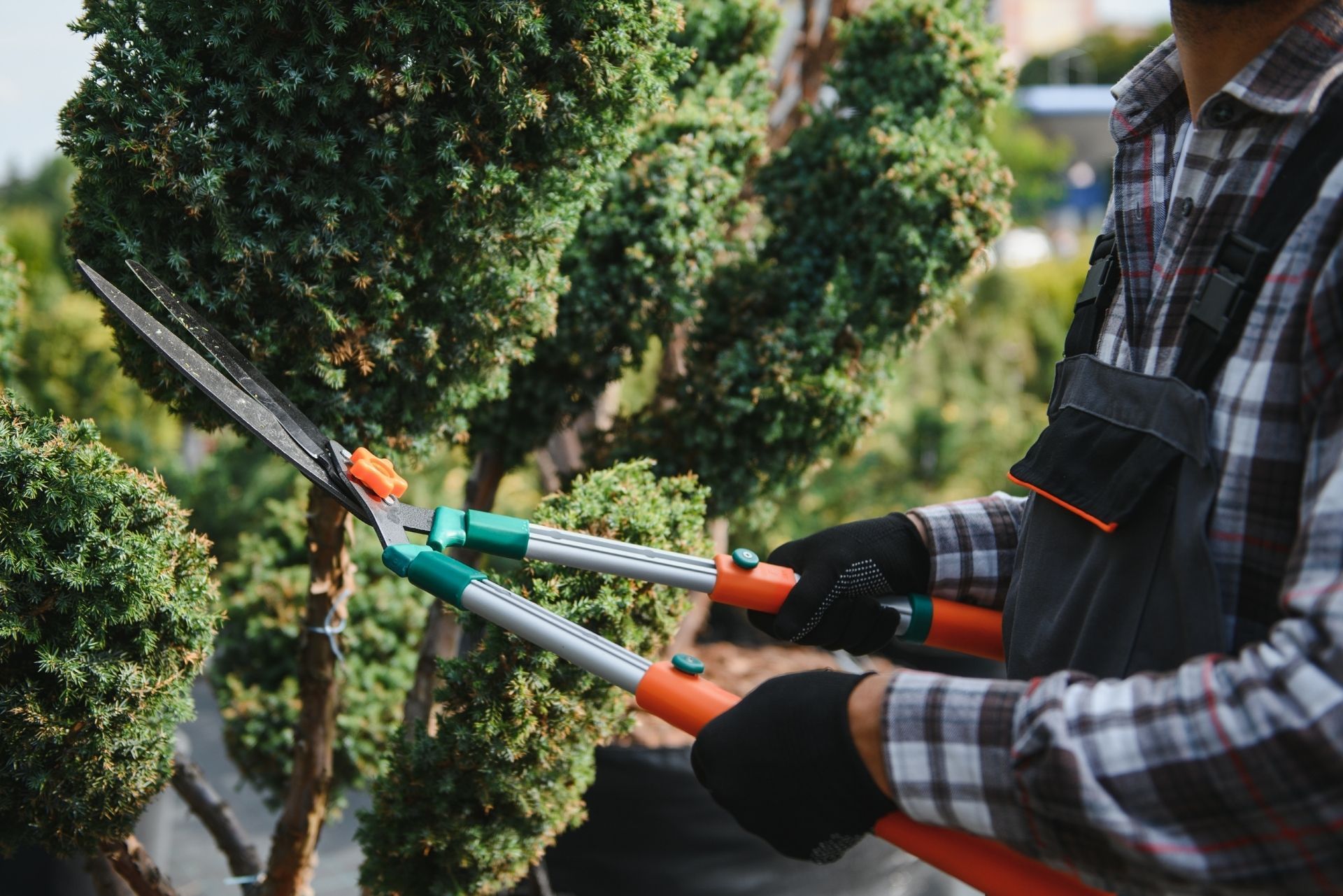
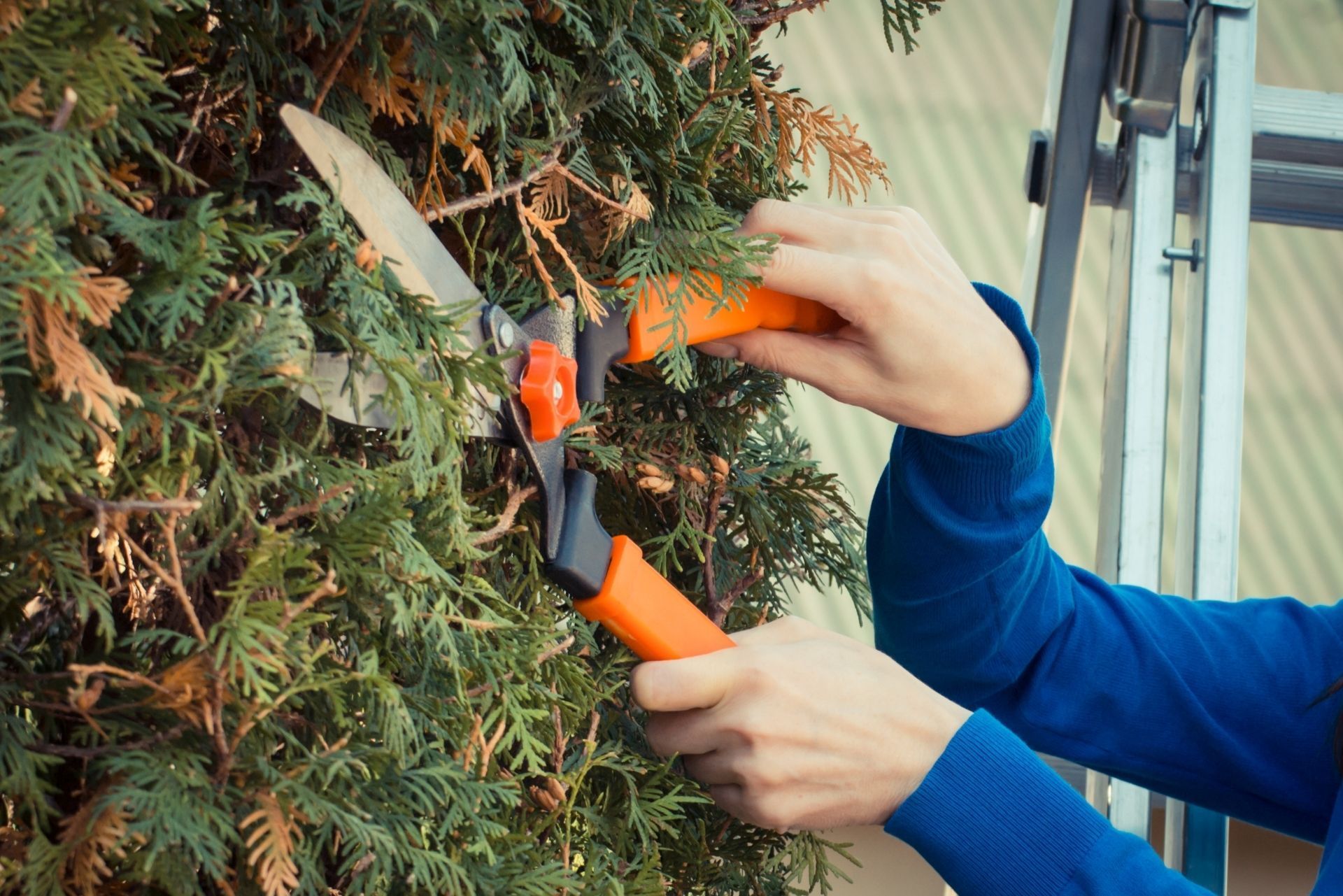
Tree service companies in Florida operate in a high-risk environment. The industry deals with many hazards including falling branches, heavy equipment accidents, and severe weather conditions that can quickly turn a routine workday into a costly incident. Whether working on residential properties or commercial landscapes, tree trimmers must ensure they have robust coverage, as any gap could lead to significant financial setbacks.
Insurance policies designed for tree service companies must balance general liability with specialized endorsements that address the unique challenges associated with tree trimming operations. For instance, companies engaged in urban tree care may need additional environmental protection provisions, particularly given Florida’s ongoing urban tree loss. Recent studies highlight this issue, emphasizing that Florida leads the nation in urban tree loss, which has prompted many local governments to adopt tree protection ordinances (CLUE Annual Report).
Worker safety is another critical factor. Accidents that occur on the job, such as falls from ladders or injuries from chainsaws, require policies that cover worker’s compensation and general liability. Detailed risk assessments often suggest that tree service companies invest in policies that include both on-the-job accident coverage and damage liability assurance. With the increasing cost of claims, many companies have turned to specialized policies that understand the nuances of tree trimming work.
The Impact of Florida’s Climate on Insurance Needs
Florida’s exposure to tropical storms and hurricanes dramatically affects the financial security of its residents and businesses. Over the past decades, successive tropical storms have caused billions of dollars in damages, putting pressure on insurers and policyholders alike (Florida Policy Project Report). While tree service companies are not immune to these broader market dynamics, they also face unique weather-related risks linked directly to their work.
Heavy winds, sudden downpours, and rising humidity levels can all contribute to increased debris during a storm. Such conditions often lead to more frequent claims, and insurance companies have responded by tightening policy terms and adjusting premiums. Despite these challenges, there are opportunities for tree service companies to work with insurers who understand the local nuances.
In 2024, for example, Citizens Property Insurance Corp. reduced average statewide rates by 5.6%, though policy counts dropped below one million as private insurers re-entered the market (Citizens Property Insurance Corp.). This incident reflects broader trends in the market that insurance professionals must heed when formulating coverage options for industries like tree trimming.
Insurance Policy Components Specific to Tree Service Companies
Effective insurance coverage for tree service companies differs substantially from traditional property or liability coverage. This section outlines several essential components that specialized policies usually cover:
General Liability Insurance
This basic form of insurance acts as a safety net against third-party claims. For tree service companies, this mode of coverage helps in cases where falling branches or misdirected equipment cause unintended damage to property or individuals. The unpredictable nature of tree trimming work mandates a comprehensive general liability policy to handle such scenarios.
Moreover, these policies often include coverage for legal defense costs, which can escalate rapidly irrespective of fault. Given the tight margins many tree trimmers operate on, safeguarding against large legal expenditures is critical. Clients and partners are more likely to engage with companies that demonstrate a strong commitment to mitigating risks through their insurance choices.
Workers’ Compensation and On-the-Job Injury Insurance
Given the hazardous work environment associated with tree trimming, workers’ compensation insurance is paramount. This coverage provides for medical expenses and lost wages if a worker sustains an injury on the job. A comprehensive policy not only covers the immediate costs of an injury but also offers protection against lawsuits that might arise from accidents.
For many companies, investing in thorough workers’ compensation insurance is a necessary step in reducing exposure to high claims costs and ensuring the company’s workforce is properly supported.
Environmental and Pollution Liability
Some tree trimming operations expand into areas of landscape management that may involve hazardous materials such as pesticides or fertilizers. Policies with environmental liability cover accidental spills or leakage that might impact surrounding areas. While tree trimming itself might not often cause environmental damage, more integrated landscaping services require this type of insurance.
Environmental liability coverage extends the protection of a policy beyond the immediate scope of work. It ensures that companies are covered for claims arising from long-term environmental damage, which can sometimes stem from the inadvertent misuse of chemicals or improper waste disposal.
How Market Trends Influence Policy Pricing and Coverage
The insurance market in Florida has seen significant fluctuations in recent years. For example, between 2014 and 2024, the number of active home insurance policies in Florida dropped by 78% from 3.2 million to 710,000 (Insurance Business Mag). Though these figures relate to home insurance, the fundamental market pressures they reveal spill over into commercial lines, including tree trimming coverage.
Insurance providers closely watch claims trends and environmental risks. The growth in claims due to weather-related incidents such as tropical storms influences policy pricing strategies. According to recent industry observations, premiums for property insurance rose by 34% since late 2022, indicative of the increasing risk landscape (Insurance Journal).
Tree service companies should expect similar adjustments in their insurance premiums. Providers account for the amplification of risk by offering specialized coverage that minimizes potential litigation and claims costs. These adjustments are especially noticeable in niche policies where risk exposure is higher, such as urban tree trimming, where potential hazards multiply with dense populations and increased urban infrastructure..
Strategies to Mitigate Risk and Lower Insurance Premiums
For tree service companies aiming to lower their insurance premiums while securing adequate protection, proactive risk management is key. This involves both on-site improvements and strategic policy selection. A combination of updated equipment, rigorous safety training, and proactive industry practices can lead to significant reductions in claims frequency and severity.
One effective approach is regular staff training on safety procedures and the proper use of equipment. By adopting a continuous improvement mindset, companies can reduce on-the-job accidents and show insurers a commitment to lowering risk. Insurers often reward businesses that document their safety protocols and incident prevention measures with more favorable premium terms.
Investing in high-quality gear that aligns with the latest industry safety standards is another means of risk reduction. Up-to-date equipment not only enhances operational efficiency but also minimizes the chance of mishaps that could result in claims. When risk is demonstrably lower, insurance companies are often willing to consider policy discounts or lower rates.
Role of Technology in Managing Risk
Modern technological solutions offer tree service companies new ways to manage risk. For example, companies are increasingly adopting mobile apps and software platforms that track equipment usage and worker location in real time. These platforms can instantly report unsafe conditions or near-miss incidents, enabling prompt corrective measures.
Advanced analytics tools also help companies identify patterns in their operational risk. Consistent analysis of incident reports ensures that companies modify their training practices and equipment maintenance schedules accordingly. Over time, such data-driven approaches result in fewer claims and improved insurance terms.
Insurers themselves are beginning to use these analytics tools to evaluate risk profiles in more detail. With real-time data from on-site operations, companies can negotiate coverage that more precisely matches their reduced risk exposure.
Florida’s regulatory environment presents a dynamic challenge for every business, including tree service companies. The state’s focus on environmental conservation has led to stricter ordinances designed to protect urban greenery. For tree service companies, compliance with these regulations is another area where specialized insurance coverage plays a role.
Several municipalities have enacted tree protection rules that may restrict certain types of development or trimming near protected areas (CLUE Annual Report). Insurance providers often monitor these regulatory trends, and their policies reflect risks associated with potential non-compliance fines or litigation. Staying updated with local regulations not only minimizes legal exposure but can also influence premium rates favorably.
Certifications and training programs that ensure compliance with local environmental regulations are beneficial in maintaining a competitive edge. Insurers view compliance efforts positively, as they reduce the probability of incurring significant fines or damage claims due to non-compliance.
Impact of Climate Change and Legal Landscape
Experts have voiced concerns about the broader financial implications of climate change on Florida’s insurance market. Max Dugan-Knight, a climate data scientist at Deep Sky Research, remarked that "the insurance crisis in Florida is the financial system’s early warning of climate catastrophe" (Deep Sky Research).
Such statements highlight the significance of incorporating climate change scenarios in risk assessments. Tree service companies that invest in risk mitigation through safety-enhancing practices and environmental stewardship are likely to see tangible benefits when negotiating with insurers. At the legal level, a proactive stance on environmental management helps reduce liabilities and potential litigations stemming from environmental damage claims.
This evolving legal landscape means that companies must adopt policies that are not only comprehensive in addressing current risks but are also flexible enough to adapt to future scenarios. Continuous dialogue between insurers, regulatory bodies, and industry stakeholders remains crucial in this ever-changing environment.
Innovations and Future Trends in Tree Trimming Insurance
Innovative practices are on the rise, driven by the convergence of technology, data analytics, and a newfound urgency in facing climate risks. Insurance providers are more receptive now than ever to technologies that improve safety and reduce claim frequency. Policyholders are beginning to see the benefits of real-time monitoring, digital reporting, and geographic information systems (GIS) that improve the tracking of risk exposures across service areas.
For instance, some companies are now utilizing drones to survey large properties or challenging terrains. This approach enhances accuracy in risk evaluation and helps tailor coverage according to actual field conditions. Such advances not only streamline the underwriting process but also provide a clearer picture of potential hazards. As technology continues to evolve, so too will the tools available to further refine insurance offerings for tree service companies.
Additionally, policy bundling trends-where specialized insurances such as environmental liability and general liability are offered in one package-can provide enhanced value. Combining multiple coverages under one comprehensive policy often translates into more streamlined claims processes and better overall risk management.
Adapting to Market Shifts and Economic Pressures
Despite economic pressures, Florida’s insurance market is witnessing a resurgence in some areas. Industry experts recently observed that Florida’s market is the healthiest it has been in nearly a decade (Washington Post). This encouraging trend is particularly relevant for tree service companies that are reassessing their operational risks and insurance needs. By capitalizing on innovations meant to reduce claim incidents, businesses can negotiate better terms and competitively priced premiums.
Future policies will likely continue to evolve, offering more tailored options that speak directly to the specific hazards encountered by tree service companies. As insurance providers increasingly rely on data-driven decision-making, companies that adopt transparent and rigorous safety protocols will be favored in the long run.
This adaptation is a positive sign for smaller, local tree trimming businesses, as they often face higher exposure to market volatility. Proactive risk management combined with updated technology can make these companies more attractive to insurers, thereby stabilizing premium costs over time.
Case Studies: Insurance in Action for Florida Tree Service Companies
Case studies and real-world examples shed light on how tailored insurance strategies have benefitted tree service companies. Several companies have successfully avoided large claims by investing in early detection systems for potential hazards and rigorous staff training programs.
One company operating in a densely populated urban area adopted a comprehensive insurance policy that included environmental liability, general liability, and workers' compensation coverage. Prior to implementing enhanced safety protocols, the firm experienced several minor incidents that led to a spike in premiums. By partnering with insurers who valued their commitment to risk reduction, the company managed to lower their premiums significantly over a few years.
The experience of such businesses serves as a strong reminder that proactive management and strategic investments can lead to tangible financial benefits. By sharing successes and challenges, tree service companies help each other navigate the intricate insurance landscape and adopt practices that work in the long term.
Lessons Learned from Recent Market Changes
One notable observation from the broader insurance market involves Florida’s home insurance policies. A dramatic 78% drop in active policies over a ten-year period has prompted a reevaluation of risk strategies among insurers (Insurance Business Mag). The lessons from this trend are directly applicable to niche markets such as tree trimming insurance. Companies are urged to maintain not only operational excellence but also remain agile in adapting to market shifts.
Moreover, increasing public support for environmental protection initiatives, including urban tree protection measures, highlights the importance of aligning business practices with community values. By demonstrating a commitment to environmental stewardship, tree service companies may find themselves better positioned when negotiating terms with insurance providers.
This alignment with public interest and environmental priorities also creates new opportunities for policy innovation. Policies that offer integrated coverage for both property and environmental liabilities will likely become more prevalent as insurers seek to balance risk with community-related benefits.
Preparing for the Future: Best Practices for Policyholders
Policyholders in the tree trimming industry must remain vigilant. Staying current with evolving risks and insurance market trends can significantly improve coverage terms. Here are some best practices to help companies prepare for future challenges:
First, maintain a robust risk management program that includes regular safety training, equipment inspections, and clear documentation of all procedures. With the increasing availability of technology tools, companies have more data at their fingertips to track and mitigate risks effectively.
Second, foster an ongoing dialogue with insurance agents. Not every policy is one-size-fits-all, and a dedicated agent who understands the nuances of tree trimming work can often secure coverage that is both comprehensive and cost-effective.
Engaging with Industry Experts and Regulatory Bodies
Actively participating in industry forums and discussions helps companies stay ahead of regulatory changes and emerging risks. Flyers, workshops, and local trade association meetings are all useful venues for gathering the latest insights on policy innovations and regulatory compliance. Companies that engage with industry experts often enjoy early access to new insurance products tailored for their niche.
Additionally, networking with peers can provide practical insights into best practices. Peer recommendations often highlight strategies and adjustments that have proven effective in reducing risks and lowering insurance premiums. Such collective learning is invaluable in a market affected by both economic pressures and environmental challenges.
Finally, review and update policies annually. As Florida’s climate, regulatory landscape, and market dynamics change, so too should the coverage tailored for tree service operations. Regular reviews ensure that policyholders are not left exposed in the event of an unforeseen incident.
Utilizing Data-Driven Decision Making
Data analytics has become a cornerstone in risk management. Companies that leverage operational data can pinpoint trends in incident reports to continually refine their practices. This proactive approach is not only beneficial for safety but also signals to insurers that the company is a lower risk, potentially leading to reduced premium costs.
Tracking incident rates, near misses, and maintenance schedules provides a clear picture of operational risk levels. Insurers who have access to such detailed data are better positioned to offer customized policies that reflect true risk exposure rather than relying solely on industry averages.
In conjunction with regular audits and updates, real-time data usage has redefined how risk is managed in the tree trimming industry, making it a sensible investment for forward-thinking companies.
Frequently Asked Questions
Q: What type of insurance is most critical for a tree service company?
A: General liability and workers' compensation insurance form the backbone of coverage for tree service companies, while specialized policies such as environmental liability can further protect against unique risks.
Q: How can tree service companies reduce their insurance premiums?
A: Investing in safety training, adhering to local regulations, and utilizing technology for risk management can signal lower risk to insurers, often reducing premium costs.
Q: Why is environmental liability important in tree trimming insurance?
A: Given that tree trimming sometimes involves landscaping services with chemical usage, environmental liability protects companies against claims related to spills or improper waste disposal.
Q: How do Florida’s weather patterns affect tree trimming insurance?
A: Florida's exposure to tropical storms and heavy rainfall increases the chances of property damage and claims, prompting insurers to adjust risk assessments and pricing accordingly (Florida Policy Project Report).
Q: Is it beneficial for tree service companies to engage with insurance agents regularly?
A: Yes, regular discussions with knowledgeable agents help ensure that companies maintain adequate and up-to-date coverage that reflects current operational and regulatory risks.
Final Thoughts on Navigating Tree Trimming Insurance in Florida
As the market and environment continue to evolve, tree service companies in Florida must be proactive in their risk management strategies. Insurance coverage that is both comprehensive and tailored to the industry's specific challenges ensures operational continuity and financial stability.
Given the dynamic interplay between severe weather, urban development, and regulatory pressures, a robust, data-driven risk management strategy is essential. Keeping a close eye on emerging technologies and changes in local regulations will help companies negotiate better terms and potentially lower premium costs.
The recent shifts in Florida's home insurance market and the reflected economic signals from major policy changes serve as a cautionary tale for all businesses. However, for tree trimming companies that invest wisely in safety measures and maintain close ties with insurers, the future holds promising opportunities for stable and cost-effective coverage (Washington Post).
Preparing for Tomorrow
Ensuring that every aspect of a tree service company’s operation complies with local and state regulations, and that employees are well-trained to manage high-risk situations, can significantly reduce both frequency and severity of claims. As risk managers and policymakers continue to fine-tune the sustainability of Florida’s insurance market, companies that take advantage of the latest risk management technologies are well-positioned to thrive.
Investing in high-quality insurance coverage is not simply a financial decision. It is a strategic move that reflects a commitment to safe, effective, and environmentally responsible business practices. With careful planning, close attention to regulatory changes, and continuous advancements in safety protocols, tree service companies will be able to maintain a competitive edge even in the face of challenging market conditions.
This ever-shifting environment demands that tree service companies remain vigilant and proactive, ensuring every decision supports business longevity and community safety. When infrastructure investments combine with rigorous safety and risk management measures, the benefits extend well beyond insurance premiums-they contribute to a stronger, more resilient industry structure capable of supporting Florida’s unique environmental landscape.
ABOUT THE AUTHOR: PAUL RAMENTOL
I am the Owner and President of Mesa Insurance Agency. I help individuals and business owners across Florida secure personal and business insurance coverage that supports their needs. My focus is on clear guidance, direct communication, and long-term support without call-center delays or confusion.
Contact Us

Personal Coverage Options
Insurance Built for Everyday Protection
Mesa Insurance Agency provides personal insurance coverage designed to support daily life. Our team reviews risks and coverage needs to help clients secure dependable protection at fair rates.
Dental & Vision Insurance
Coverage that helps manage routine dental and vision care costs.

Business Coverage Options
Insurance Built for Business Protection
Mesa Insurance Agency provides business insurance coverage that helps protect operations, employees, and property. We work with multiple carriers to offer coverage options that support daily business activities and long-term stability.
Commercial Auto Insurance
Coverage for business-owned vehicles, drivers, and accident-related liability exposure.
General Liability Insurance
Protection against third-party injury, property damage, and common business liability risks.
Professional Liability Insurance
Coverage for claims related to professional services, advice, or service errors.
Workers’ Compensation Insurance
Coverage that helps support employees with work-related injuries and medical costs.
Commercial Property Insurance
Protection for buildings, equipment, inventory, and physical business assets.
Errors & Omissions Insurance
Coverage for financial losses caused by mistakes, omissions, or service-related claims.
Industries We Serve
Serving Businesses Across Multiple Sectors
Mesa Insurance Agency works with business owners across Florida to provide insurance coverage that supports daily operations. We understand common risks faced by different industries and help clients secure reliable protection.

Construction and Trades Insurance
Coverage for job sites, vehicles, tools, and workplace risks.

Hospitality Businesses Insurance
Insurance for restaurants, bars, and service-based operations.

Retail and
Commercial Properties
Protection for storefronts, inventory, and customer-related liability.
Our Approach
Insurance Made Easy to Understand
Mesa Insurance Agency provides business insurance coverage that helps protect operations, employees, and property. We work with multiple carriers to offer coverage options that support daily business activities and long-term stability.
Insurance FAQs
Helpful Answers for Florida Clients
Support you can rely on.

What makes Mesa Insurance Agency different?
We are an independent agency with access to multiple carriers. This allows us to offer flexible coverage options.
Clients work directly with licensed agents. Service continues beyond the policy start date.
Do you offer coverage for individuals and families?
Yes. We provide personal insurance for individuals and families across Florida.
Coverage includes auto, home, health, life, and flood insurance. Our team explains each option clearly.
Do you work with small and mid-sized businesses?
Yes. We work with businesses of many sizes and industries.
Our team helps identify risks and secure appropriate coverage. Ongoing service is included.
Can I make changes to my policy later?
Yes. Policies can be updated as needs change.
We assist with coverage adjustments, additions, and removals. Clients can contact us directly for help.
Is flood insurance required in Florida?
Flood insurance is not always required, but it is strongly recommended in many areas.
Standard home insurance does not cover flood damage. Our team can review your flood risk and options.
How do I contact your office?
You can contact us by phone, email, or through our website.
Our team responds promptly during business hours. Support is always available when needed.
From the Blog
Insurance Topics That Matter
Clear answers for common questions.






Client Reviews
Trusted by Clients Across Florida
Mesa Insurance Agency is proud to serve individuals and businesses throughout Florida. Clients choose us for clear communication, responsive service, and reliable insurance support. Their feedback reflects our focus on long-term relationships and consistent service.
Contact Us