A single burst pipe or an unexpected fire can trigger a chain reaction of damage that turns a routine repair job into a multi-thousand dollar project. Restoration contractors face risks on every call, and understanding the intricacies of insurance coverage proves essential. The stakes are high, and failing to secure the right protection can jeopardize your entire business. With restoration projects surging in complexity and value, insurance tailored for fire and water damage is more than a financial safety net-it’s a critical tool for sustainable business growth. For instance,
PuroClean of Coral Gables notes that water damage is involved in nearly 30% of U.S. homeowners insurance claims, highlighting the frequency and potential severity of these incidents.
Understanding the Restoration Industry Landscape in Florida
Florida’s unique climate and geographical challenges create a dynamic environment for fire and water damage restoration. Excess humidity, hurricanes, and seasonal storms not only pose constant threats to property but also increase the volume of insurance claims. These factors combine to drive a rising demand for restoration services, leading to an industry that is not only busy but also increasingly competitive.
Recent projections indicate that the global disaster restoration market is expected to climb to an impressive $55.5 billion by 2030, growing from $42.9 billion in 2025 with a compound annual growth rate of 5.3% (PuroClean of Coral Gables). This upward trend reinforces the need for robust insurance policies that can safeguard the financial interests of restoration contractors.
Fire Damage in Florida: Unique Challenges and Insurance Considerations
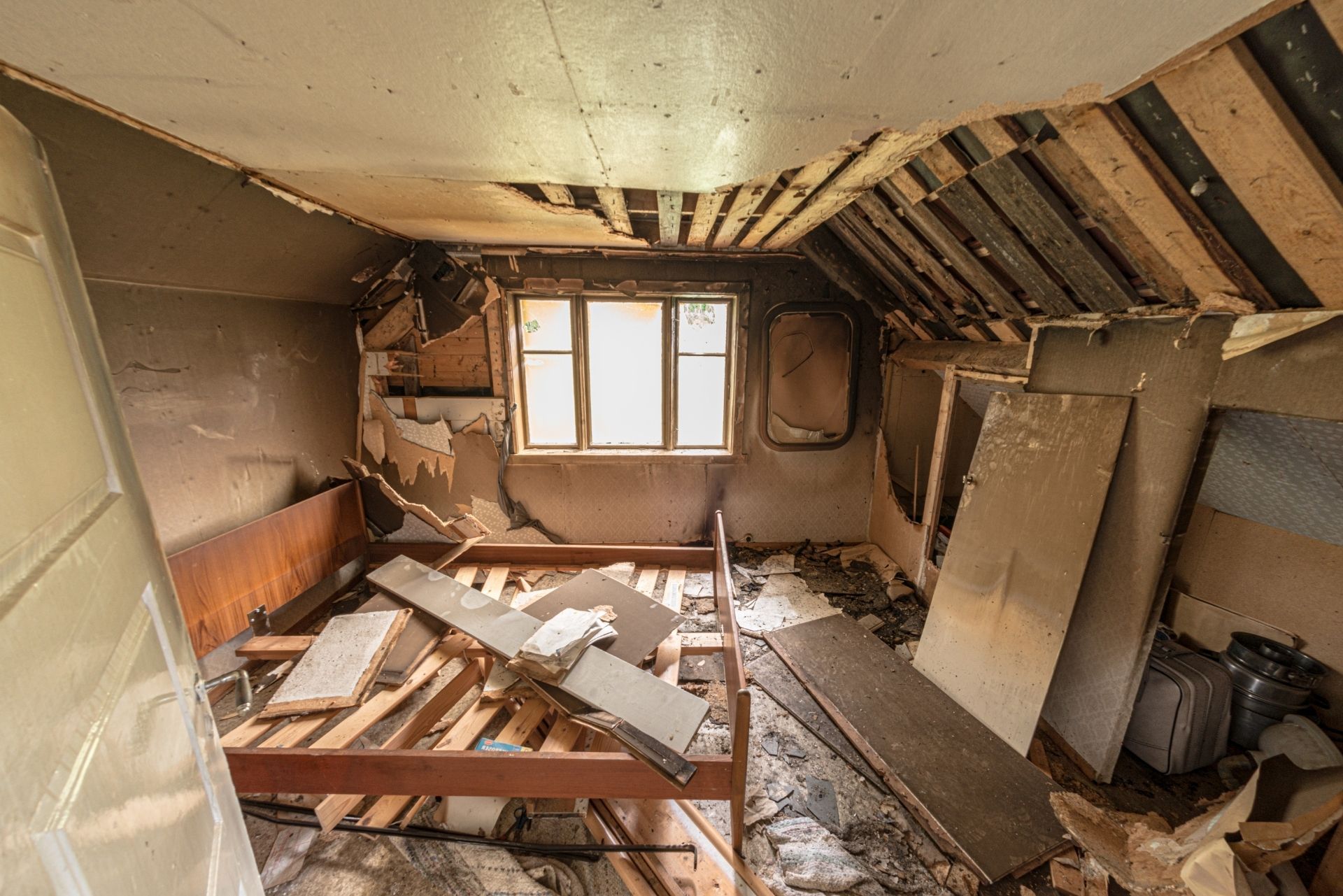
Florida is no stranger to wildfires and structural fires. With dense vegetation in many areas and older construction in urban pockets, fire hazards require swift, effective action. Restoration contractors working on fire damage often encounter hidden complications such as water damage from sprinkler systems or smoke residue affecting sensitive equipment.
Insurance products designed for fire-related incidents must address both immediate repair costs and the long-term implications for a property’s integrity. Typical restoration projects may involve complete teardown and reconstruction, intricate cleaning procedures, and even mold remediation as a secondary consequence of moisture exposure. The ability to handle these multi-layered challenges efficiently can mean the difference between a minor setback and a financial disaster.
For contractors, a solid insurance plan is not just about replacing damaged property; it’s a comprehensive shield that covers project delays, additional resource requirements, and unexpected liability issues. In a field where every minute counts, having the right coverage ensures smooth operations despite the chaos that follows a fire emergency.
Water Damage Restoration: Navigating a Complex Risk Landscape
Water damage rankings as one of the most common and costly issues in restoration work. With nearly 30% of homeowner claims stemming from water damage (PuroClean of Coral Gables), contractors must remain prepared for a wide range of scenarios-from minor leaks to catastrophic flooding.
The cost of addressing water damage can vary widely. Some incidents might be resolved with repairs costing around $3,000, while more severe cases exceed $10,000 in expenditures. The variability of these figures speaks to the importance of having insurance policies that provide flexible coverage limits and response options. When restoration efforts are delayed or improperly executed, the repercussions can include costly secondary damages like mold growth. Remarkably, studies suggest that over 50% of U.S. homes even face detectable mold problems, often linked to untreated moisture issues (PuroClean of Coral Gables).
Understanding the nuances of water damage is critical. Insurance policies need to be clear about what qualifies as water damage, the scope of remediation required, and the associated restoration costs. Moreover, contractors should be aware of the average insurance claim figures, which have seen a 10% increase in recent years, with current claims typically exceeding $7,000 (Wifitalents). This increment reflects not only rising repair costs but also the growing sophistication of restoration projects in Florida.
Insurance Options Tailored for Restoration Contractors
Specialized insurance for restoration contractors is designed to address the specific challenges of fire and water damage projects. Traditional business insurance often falls short in covering the multifaceted risks associated with restoration work, prompting a need for targeted coverage plans.
Insurance products typically offered include general liability policies that protect against accidental property damage, errors and omissions insurance to cover any mistakes made during restoration tasks, and equipment coverage essential for the specialized machinery used in damage repairs. These options provide a balanced safety net that shields contractors from both routine mishaps and extraordinary events.
Given the rising cost of restoration projects-where the average project may incur expenses between $3,000 and $5,000 (Gitnux)-restoration contractors benefit from policies that not only cover direct repair costs but also account for any lost income due to project delays. A reliable insurance plan allows contractors to focus on quality work without the constant worry of unforeseen financial setbacks.
Financial Implications and Market Trends
Rising project and claim costs are reshaping the financial dynamics of the restoration industry. With small to medium restoration firms averaging around $1 million in annual revenue, and larger firms bringing in upwards of $5 million (Wifitalents), the need for comprehensive insurance is paramount. Every unexpected expense, whether from a minor miscalculation or a serious accident, can strain a contractor's finances.
Financial stability relies on the interplay between insurance coverage and effective risk management. Contractors are often required to invest heavily in state-of-the-art equipment and training to remain competitive. However, insurance is the critical component that buffers against financial volatility. This cushion can be the difference between staying afloat after a major incident and facing crippling losses.
Insurance underwriters are increasingly taking a nuanced view of restoration projects, appreciating the range of challenges that come with fire and water damage. This perspective translates into more flexible policies that cater specifically to the industry, ensuring that contractors have access to both high limits and tailored risk management solutions.
Case Studies and Real-World Examples
Consider the scenario of a restoration contractor called to a residential property after a severe water leak. With costs averaging between $3,000 and $8,000 per incident (Wifitalents), the contractor must work quickly to mitigate damage and prevent mold growth-a common secondary issue observed in over half of U.S. homes (PuroClean of Coral Gables). In this case, a robust insurance plan not only covered immediate repairs but also provided compensation for project delays, ensuring that the property owner and the contractor both experienced minimal losses.
Another example involves a contractor dealing with a fire incident in an older building where outdated wiring sparked a small fire. Although the physical damage was contained, the indirect damage from water used in firefighting operations added complexity. Insurance that included provisions for both fire and water restoration enabled the contractor to address all aspects of the damage in one comprehensive claim.
These instances underscore the importance of having insurance that is not merely reactive but also anticipatory. Restoration contractors in Florida must have coverage that anticipates the cascade of challenges a single incident can trigger-from structural repairs and mold remediation to lost revenues and additional cleanup costs.
Balancing Policy Costs with Coverage Needs
Though essential, quality insurance coverage comes at a cost. Restoration contractors must carefully balance premium expenses with the potential financial impact of an uncovered claim. Investing in the right policy is about striking a balance between cost and comprehensive protection. For many contractors, the peace of mind that comes from a solid safety net outweighs the regular ongoing expense.
Insurance companies have observed a 10% increase in average water damage insurance claims over the last year (Wifitalents), which has inevitably led to adjustments in the pricing models used to calculate premiums. Although higher premiums may be a concern, they are generally justified by the broader coverage and risk management benefits provided. In an industry characterized by steep repair costs and unpredictable emergencies, paying a little extra for coverage can be the key to long-term financial resilience.
Policymakers also consider the average restoration project costs, which range widely depending on the severity of damage. For instance, the average restoration project might cost between $3,000 and $5,000 (Gitnux), underscoring the need for policies that reflect the true costs of incident response and recovery. Contractors should always review policy details carefully, ensuring that they have coverage for both standard repair expenses and ancillary costs such as mold remediation or temporary business interruptions.
Integration of Technology, Training, and Insurance
Today's restoration contractors are not just experts in rerouting water or cleaning up charred debris-they are also incorporating advanced technology in their operational toolkit. High-tech moisture detection devices, thermal imaging cameras, and state-of-the-art cleaning equipment have become standard equipment in the industry. Investing in these tools contributes to more efficient damage assessment and quicker repair turnaround times.
Insurers recognize that a tech-savvy restoration contractor is less likely to face massive claims if damage is contained early. Policies that include discounts for businesses with modern equipment or extensive safety training encourage contractors to upgrade their capacities. This mutually beneficial arrangement means that insurance premiums can sometimes be lowered if risk mitigation measures are in place.
Training programs are also becoming an essential component of the industry's evolution. Continuous learning helps contractors stay abreast of new techniques in damage assessment and restoration. Successful integration of technological upgrades and advanced safety protocols ultimately reduces the likelihood of a mistake that could lead to an expensive insurance claim.
Key Considerations When Choosing a Policy
Before selecting a fire and water damage restoration insurance policy, contractors should conduct a thorough risk assessment. Given the variety of challenges each project presents, policies must be sufficiently inclusive. Here are several factors to consider when narrowing down your options:
Scope of Coverage
Ensure that the policy covers both direct damage from fire or water and the subsequent issues that might arise, such as secondary damage from water used in firefighting or mold-related complications. Coverage should extend to both the physical damage and the consequential repair efforts. This broader approach can help mitigate long-term financial impacts.
It is essential to verify that any exclusions are clearly stated and that your most common risks do not fall into these gaps. Reviewed policies should include safeguards for both immediate response and delayed complications-this is particularly important when project costs average between $3,000 and $8,000 per incident (Wifitalents).
Premium Costs and Deductibles
Understanding the balance between premium costs and deductibles is crucial. A lower premium can often come with a higher deductible, meaning out-of-pocket expenses may be significant during a claim period. Contractors must assess their financial resilience and determine acceptable risk levels when selecting a deductible.
Look into policies that offer flexibility in premium payments and consider how your payment structure aligns with your cash flow. An ideal policy is one that offers comprehensive coverage without overwhelming your financial stability, particularly in a market where even small-scale incidents can escalate quickly.
Reputation of the Insurer
Insurance coverage only holds value when claims are processed efficiently and in a timely manner. Contractors should consider the track record of insurers when it comes to settling claims and providing full support in emergency situations. A company with a reputation for excellent customer service and quick turnaround times can make a substantial difference during emergencies.
Reviews and recommendations within the industry serve as valuable indicators. Contractors discussing their experiences on industry forums or with trusted colleagues can gain insight into which insurers are most responsive. An insurer with proactive support during a crisis can ultimately help your business maintain stability during unpredictable events.
Market Trends Impacting Insurance Needs
The evolution of the restoration industry closely ties into fluctuating market conditions and emerging risks. As climate-related incidents become more prevalent in Florida, contractors are increasingly exposed to multiple hazards simultaneously. This dynamic shifts the expectations placed on insurers to deliver timely and efficient coverage.
Recent statistics suggest that the restoration industry is experiencing growth not only in the volume of incidents but also in the complexity of claims. For example, the global disaster restoration industry is on track for a significant upward trend, which calls for sophisticated policies that reflect these challenges (PuroClean of Coral Gables). The increase in claim amounts, such as the average water damage claim now exceeding $7,000 with a 10% year-over-year increase (Wifitalents), reinforces the need for insurers to remain competitive in offering maximum value and protection.
Innovations in restoration techniques and the adoption of new technologies are also influencing insurance product design. As contractors implement the latest equipment and training protocols, insurers are likely to offer discounts and better terms to encourage such investments. Keeping an eye on market trends is one of the best strategies to ensure that your insurance remains both comprehensive and cost-effective.
Preparing for the Unexpected: Steps to Enhance Risk Management
Risk management in the restoration industry is not solely about having the right insurance policy; it is also about proactive measures that can lessen the likelihood of severe financial damage. Conducting regular equipment audits, maintaining updated training certifications, and implementing strict safety protocols are all part of a comprehensive approach to protecting your business.
One effective strategy is to set aside reserves to cover deductibles and other incident-related expenses. By treating part of the operating budget as an emergency fund, restoration contractors reduce overall exposure when an incident occurs. This proactive approach aligns seamlessly with a strong insurance foundation and can ultimately lead to smoother claim processes and more effective recovery operations.
Another essential element is working closely with your insurer. Establishing a clear line of communication can help ensure that your policy is always up-to-date and compliant with the evolving risks of the industry. In cases of large-scale incidents, quick coordination between your crew and the insurer can streamline the claim process and prevent prolonged downtime.
Comparing Policy Features: A Practical Guide
When selecting an insurance policy, comparing specific features across different providers is a practical approach that can yield significant dividends. Here is a simplified table that highlights key policy aspects restoration contractors should consider:
| Feature | Coverage Benefit | Considerations |
|---|---|---|
| Scope of Damage | Fire, water, and subsequent mold remediation | Be sure exclusions are minimal |
| Claim Processing Speed | Timely disbursement of funds | Evaluate past performance and customer reviews |
| Premium and Deductible Balance | Competitive pricing with flexible payment options | Match with company cash flow needs |
| Discounts | For updated equipment and safety certifications | Often available for proactive risk management |
| Claims History Support | Expert assistance during emergencies | Review insurer's reputation in the industry |
Using such a side-by-side comparison can help you identify gaps in your coverage and ensure that your policy aligns well with your operational needs. The table also provides a quick reference for remembering the points that matter most to your business’s sustainability.
Industry Best Practices for Restoration Contractors
Successful restoration contractors in Florida adhere to several best practices that go beyond relying solely on insurance. Implementing a robust protocol for site assessment, regularly updating safety training, and embracing technological advancements in restoration are all part of a holistic risk management strategy.
The restoration industry has a diverse clientele and a variety of challenges. Insurance is one pillar, while transparent communication with clients and continuous improvement in restoration methods help build a reputable and resilient business.
For example, contractors who document every step of their process-from initial assessment to final cleanup-are better positioned to handle disputes or claims efficiently. Keeping thorough records also aids insurers in processing claims more quickly and accurately, which is particularly important when the average project cost ranges between $3,000 and $8,000 (Wifitalents).
Meeting Regulatory Requirements in Florida
Florida’s regulatory environment imposes strict guidelines that restoration contractors must follow. These regulations are designed not only to protect property owners but also to ensure that restoration practices meet safety and operational standards. Compliance involves maintaining proper licensure, adhering to building codes, and following specific protocols when addressing fire and water damage.
Insurance plays a critical role in ensuring that contractors can meet these regulatory requirements. Policies tailored for restoration work often include clauses that support compliance with state and local guidelines. This ensures that, in the event of an incident, both the contractor and the property owner are protected. Contractors should be proactive in reviewing regulatory updates and verifying that their insurance remains in strict alignment with current standards.
Engaging with local trade associations or industry groups can also provide insights into upcoming regulatory changes. By staying informed and ensuring that insurance coverage evolves accordingly, restoration contractors not only safeguard their operations but also build trust with clients and regulators alike.
Frequently Asked Questions
Q: What makes specialized insurance for restoration contractors different?
A: Specialized insurance focuses on the unique risks associated with fire and water damage restoration, covering both immediate and secondary costs that traditional policies might overlook.
Q: Why is it important to cover both fire and water damage?
A: Fire incidents often involve water damage from firefighting efforts; comprehensive coverage minimizes liability and addresses all aspects of property restoration.
Q: How can contractors lower their insurance premiums?
A: Investing in modern equipment, continuous training, and effective risk management strategies can demonstrate lower risk to insurers and help reduce premiums.
Q: Are there any discounts available for proactive safety measures?
A: Yes, many insurers offer discounts for contractors who implement up-to-date safety training and invest in state-of-the-art restoration technology.
Q: What should I do if my restoration project exceeds the typical claim amounts?
A: In such cases, reviewing your policy to ensure it includes flexible coverage limits is key. Consider discussing options with your insurer to adjust coverage before a large project begins.
Wrapping Things Up
In Florida's dynamic environment, fire and water damage restoration require more than just technical expertise-they demand a strategic approach to insurance and risk management. With risks on the rise and project costs increasing, having the right insurance coverage is not optional for restoration contractors; it is essential.
By carefully comparing policy features, balancing premium costs, and staying attuned to market trends, restoration contractors can build a robust foundation that supports both their day-to-day operations and long-term growth. The integration of advanced technology with proactive practices further enhances a contractor's ability to secure claims quickly, a factor that is increasingly critical in a marketplace where the average water damage claim now exceeds $7,000 (Wifitalents).
Ultimately, the combination of tailored insurance policies and rigorous risk management can transform potential setbacks into manageable challenges, allowing restoration contractors to focus on what they do best: restoring properties and lives after disaster strikes. Whether you're handling a minor leak or a large-scale fire incident, the right insurance coverage is your partner in resilience and growth.
Looking Ahead: Future Trends in Restoration Insurance
Looking to the future, the restoration insurance landscape is poised for continued evolution. Increasingly, insurers are using data analytics and new risk assessment models to better understand the complexities of restoration work. This shift is expected to lead to more personalized policies that offer coverage tailored to each contractor’s unique operational profile.
Advanced analytics and improved claims processing technologies mean that policyholders will likely experience quicker settlements and more thorough support when emergencies occur. Additionally, as Florida continues to contend with climate challenges, the insurance market is adapting to provide more comprehensive coverage options that reflect the increasing frequency and severity of damage incidents.
Embracing these trends can help contractors stay ahead of the curve. By partnering with insurers who invest in technology and prioritize customer service, restoration contractors can ensure that they remain competitively positioned in an industry that is both demanding and full of opportunity.
Final Thoughts on Securing Your Future
The road to sustainable success in the restoration industry is paved with smart decisions, steady preparation, and the right insurance coverage. Owning a comprehensive policy that covers both fire and water damage is akin to having a trusted partner during the most challenging times of your projects. This synergy between robust insurance and proactive risk management has become a hallmark of resilient restoration contractors in Florida.
Insurance is more than a contractual obligation-it is an investment in your company’s future. Operating in a market with projects ranging dramatically in value, where even a single incident might cost thousands of dollars in repairs, contractors need to ensure that their financial backs are covered. The rising market statistics, including an average annual revenue of approximately $1 million for small to medium restoration firms and larger figures for bigger players (Wifitalents), underscore the significance of comprehensive coverage.
Staying informed, adopting new technologies, and partnering with reputable insurers can help contractors navigate the uncertainties of restoration work. As the industry continues to grow, so does the importance of replicating a balanced strategy that combines operational efficiency with the security of well-designed insurance products.
ABOUT THE AUTHOR: PAUL RAMENTOL
I am the Owner and President of Mesa Insurance Agency. I help individuals and business owners across Florida secure personal and business insurance coverage that supports their needs. My focus is on clear guidance, direct communication, and long-term support without call-center delays or confusion.
Contact Us

Personal Coverage Options
Insurance Built for Everyday Protection
Mesa Insurance Agency provides personal insurance coverage designed to support daily life. Our team reviews risks and coverage needs to help clients secure dependable protection at fair rates.
Dental & Vision Insurance
Coverage that helps manage routine dental and vision care costs.

Business Coverage Options
Insurance Built for Business Protection
Mesa Insurance Agency provides business insurance coverage that helps protect operations, employees, and property. We work with multiple carriers to offer coverage options that support daily business activities and long-term stability.
Commercial Auto Insurance
Coverage for business-owned vehicles, drivers, and accident-related liability exposure.
General Liability Insurance
Protection against third-party injury, property damage, and common business liability risks.
Professional Liability Insurance
Coverage for claims related to professional services, advice, or service errors.
Workers’ Compensation Insurance
Coverage that helps support employees with work-related injuries and medical costs.
Commercial Property Insurance
Protection for buildings, equipment, inventory, and physical business assets.
Errors & Omissions Insurance
Coverage for financial losses caused by mistakes, omissions, or service-related claims.
Industries We Serve
Serving Businesses Across Multiple Sectors
Mesa Insurance Agency works with business owners across Florida to provide insurance coverage that supports daily operations. We understand common risks faced by different industries and help clients secure reliable protection.

Construction and Trades Insurance
Coverage for job sites, vehicles, tools, and workplace risks.

Hospitality Businesses Insurance
Insurance for restaurants, bars, and service-based operations.

Retail and
Commercial Properties
Protection for storefronts, inventory, and customer-related liability.
Our Approach
Insurance Made Easy to Understand
Mesa Insurance Agency provides business insurance coverage that helps protect operations, employees, and property. We work with multiple carriers to offer coverage options that support daily business activities and long-term stability.
Insurance FAQs
Helpful Answers for Florida Clients
Support you can rely on.

What makes Mesa Insurance Agency different?
We are an independent agency with access to multiple carriers. This allows us to offer flexible coverage options.
Clients work directly with licensed agents. Service continues beyond the policy start date.
Do you offer coverage for individuals and families?
Yes. We provide personal insurance for individuals and families across Florida.
Coverage includes auto, home, health, life, and flood insurance. Our team explains each option clearly.
Do you work with small and mid-sized businesses?
Yes. We work with businesses of many sizes and industries.
Our team helps identify risks and secure appropriate coverage. Ongoing service is included.
Can I make changes to my policy later?
Yes. Policies can be updated as needs change.
We assist with coverage adjustments, additions, and removals. Clients can contact us directly for help.
Is flood insurance required in Florida?
Flood insurance is not always required, but it is strongly recommended in many areas.
Standard home insurance does not cover flood damage. Our team can review your flood risk and options.
How do I contact your office?
You can contact us by phone, email, or through our website.
Our team responds promptly during business hours. Support is always available when needed.
From the Blog
Insurance Topics That Matter
Clear answers for common questions.







Client Reviews
Trusted by Clients Across Florida
Mesa Insurance Agency is proud to serve individuals and businesses throughout Florida. Clients choose us for clear communication, responsive service, and reliable insurance support. Their feedback reflects our focus on long-term relationships and consistent service.
Contact Us