A sudden surge in online buying habits, paired with a growing number of small business owners venturing into dropshipping, has elevated the importance of understanding the nuances of business insurance in Florida. The challenges faced by traditional insurers amid climate-related risks make it even more important for dropshippers to secure robust coverage. A look at current market trends reveals that even in an era of digital efficiency, traditional risks and exposures still drive the need for solid insurance backing. This article explores what Florida dropshipping business insurance entails, the market landscape, available coverage options, and tips for finding the right policy in a state marked by both opportunity and exposure to risk. Check out the detailed
statistics on small business insurance choices.
Entering the world of dropshipping in Florida means stepping into a unique market where environmental factors, regulatory measures, and evolving consumer expectations intersect. While dropshipping operations might not require large warehouses or extensive physical infrastructure, the risks associated with product liability, cyber exposure, shipping mishaps, and other unforeseen events remain very real.
Traditional insurance providers have been under growing scrutiny due to market turbulence and climate-related challenges. For example, Florida's insurance environment has been significantly influenced by frequent hurricanes and escalating claim costs. As noted in recent developments, the Florida surplus lines insurance market experienced a slight decrease in premiums, suggesting a potential market stabilization, but also indicating that risks remain unpredictable (Florida Surplus Lines Service Office report).

Why Dropshipping Operations Need Specialized Coverage
For many entrepreneurs, dropshipping provides a cost-effective way to start an online business without the need for significant upfront investment in inventory or warehousing. However, limited physical presence does not mitigate exposure to risks like cyber threats, vendor disputes, or product liability claims stemming from defective or mislabelled items. Insurance coverage tailored for dropshipping operations can help safeguard a business against interruptions or legal challenges.
Specialized insurance typically covers professional liability, general liability, and product liability. In Florida, where the insurance market is often complicated by factors such as aggressive weather patterns and statutory challenges, ensuring that the policy explicitly caters to the digital retail space becomes even more important.
Risks Specific to Dropshipping in Florida
Since dropshipping operations depend heavily on third-party suppliers and shipping services, a single delay or error can cost both time and revenue. Financial losses occur when items are delayed or even lost during transit, an exposure that has intensified with the increase in online shopping activity. Additionally, legal claims arising from product defects or customer dissatisfaction also pose a threat to business stability.
Beyond the operational challenges, Florida's broader insurance issues compound these risks. A Harvard University, Columbia University, and Federal Reserve Board study warns that up to 20% of rated insurance companies could face insolvency, posing a further challenge for business owners seeking reliable coverage (Gulf Coast News Now).
Having specialized business insurance for dropshipping, therefore, is not just about covering immediate risks but also requires planning for industry-wide disruptions and systemic challenges within Florida.
Market Trends Impacting Dropshipping Business Insurance
Market developments within Florida's insurance industry strongly influence dropshipping operators. The state's insurance market has been under pressure from increasing claim costs and reinsurance expenses, factors that have led some insurers to exit or scale back offerings. Notably, Farmers Insurance had to exit the market last July citing a rise in hurricanes and the corresponding surge in claims (ProgramBusiness).
This market retreat by certain insurers affects premiums and policy availability for niche operations like dropshipping. As the landscape shifts, many small business owners have turned to online business insurance platforms. Over 60% of these business owners have opted for online policies, reflecting a broader trend towards digital transformation in buying decisions (WFTV).
Impact of Legislative Changes
Legislative efforts in Florida have attempted to address inconsistencies and abuses in the insurance market. A notable effort came with Senate Bill 2A passed in December 2022, which aims to reduce fraud and curtail the misuse of the legal process in property claims. While these changes mainly target property insurance, their ripple effect improves the overall confidence in the insurance market. Business owners, especially those engaged in dropshipping, may benefit from these reforms as the market begins to stabilize.
This revision of policies and practices shows that Florida is not only addressing natural perils but also working on improving regulatory oversight-an encouraging sign for online entrepreneurs seeking reliable coverage.

Designing the Ideal Dropshipping Insurance Policy
The key to designing an optimal insurance policy for a dropshipping business in Florida lies in aligning policy offerings with the unique risks of the business model. Coverage should extend beyond standard property and liability protection to include aspects that are increasingly relevant in digital commerce.
Firstly, protecting against cyber threats is paramount. Dropshipping businesses increasingly leverage digital platforms for transactions, placing them in the crosshairs of data breaches and cyber fraud. Cyber liability insurance can guard against the financial fallout from such incidents. Additionally, product liability insurance becomes indispensable when dealing with goods that might not pass through traditional quality control channels.
Coverage Options for Dropshipping Operations
A well-rounded dropshipping insurance policy in Florida often comprises multiple lines of coverage. This may include general liability, property coverage for any physical assets like computers or servers, and product liability to cover issues with items sold online. Business interruption coverage is also vital; a single interruption in the supply chain or a cyberattack can disrupt operations and harm reputation.
Many insurers offer customizable packages that allow business owners to select only what fits their operational risk profile. For instance, additional endorsements can cover shipping losses or damage to inventory stored temporarily before dispatch. These flexible policies ensure that the coverage stays aligned with the evolving risk landscape in Florida.
Assessing the Financial Impact of Insurance Decisions
Insurance decisions directly impact the overall financial health of a dropshipping operation. With the backdrop of Florida’s unstable insurance market, where some studies indicate significant risks of insolvency among rated insurers (Gulf Coast News Now), business owners must take a cautious and informed approach when selecting a provider.
Cost considerations extend beyond monthly premiums. One must weigh the potential out-of-pocket expenses stemming from deductibles and policy limits that might not sufficiently cover large claims. Dropshipping businesses face liability risks that, in the case of a significant event, could prove financially devastating if underinsured.
Evaluating Online Versus Traditional Insurance Platforms
Over 60% of small business owners now prefer online business insurance platforms. This shift reflects the ease of access, rapid quote generation, and the ability to compare policies in real time. Despite these benefits, traditional insurers still carry an edge when it comes to personalized risk assessment and in-depth industry knowledge (WFTV insights).
The ideal approach may lie in a hybrid model-utilizing online tools to quickly narrow down options, complemented by consultations with local agents who understand Florida's market dynamics. An informed decision results when entrepreneurs evaluate both the pricing and the provider's capacity to handle unexpected claims.
Real-World Examples and Case Studies
Case studies from the state provide invaluable insights into the efficacy of tailored insurance policies for dropshipping operations. A notable instance involved a small dropshipping business that encountered significant issues due to a shipping mishap during a hurricane season. The incident led to lost revenue and product damage that nearly crippled the company’s operations.
The resolution lay in having a comprehensive policy that covered not only product liability but also business interruption and environmental hazards. This example underlines the importance of proactively reviewing and updating coverage options to meet emerging risks. Business owners should regularly consult with insurance experts to ensure that their policies reflect the current risk environment
Recent shifts in the insurance landscape, including signs of stabilization in Florida's surplus lines market, highlight that even amid uncertainty, opportunities to secure balanced coverage are available (Florida Surplus Lines insights).
Lessons Learned from Industry Exits
Looking at scenarios where established insurers exited the market can be instructive. When Farmers Insurance withdrew from Florida, the vacuum it left behind forced both new and existing insurers to recalibrate their offerings. These changes inadvertently paved the way for more digitally competent insurance solutions better suited to niche markets such as dropshipping.
The key lesson here is clear: flexibility and adaptability in policy design are crucial. By learning from industry shifts and integrating lessons from these experiences, dropshipping businesses can better anticipate and mitigate future risks.
How to Choose the Right Insurance Broker
Finding a broker who understands both the intricacies of Florida's insurance market and the specific needs of a dropshipping operation is paramount. The ideal broker should have a proven track record of dealing with niche online businesses and be capable of translating complex insurance jargon into actionable advice for business owners
When evaluating potential brokers, consider those who offer in-depth consultations and who work with multiple carriers. A diversified approach allows for more comprehensive coverage comparisons and ensures that the business owner is not tied to one provider's limited perspective. Positive customer reviews and transparent fee structures can be strong indicators of a broker's reliability.
Broker Responsibilities and Value Addition
A dedicated insurance broker can help business owners assess gaps in their current coverage and suggest endorsements or additional policies to bridge those gaps. Given the pace at which regulatory conditions can change, brokers can also offer timely advice on policy amendments that protect against new risks.
Beyond policy recommendations, a broker provides ongoing support during claims processing, which is particularly vital when rapid decision making is required. For dropshipping businesses, this level of service can mean the difference between a minor disruption and a prolonged business downtime.
Policy Customization – Building a Robust Coverage Package
Customizing an insurance policy to fit the specific nature of a dropshipping business is essential. Unlike conventional brick-and-mortar businesses, dropshipping operations require careful attention to digital liabilities as well as traditional risks. Policy customization might include additional endorsements for cyber liability, shipping interruptions, and product recall claims.
An important part of the customization process is a detailed evaluation of the business’s operating model. For instance, when a dropshipping venture collaborates with multiple overseas suppliers, the insurance might need to account for international shipping risks and potential disputes in cross-border transactions. The added layer of cyber liability is a significant factor due to the largely digital nature of operations.
Securing Cyber Liability and Data Protection
One of the most rapidly growing concerns for dropshipping businesses involves cyber threats. A breach not only jeopardizes sensitive customer information but can also lead to business interruptions that magnify financial losses. Cyber liability coverage is increasingly considered as important in a policy package, ensuring rapid response and assistance in the wake of a crisis.
Data protection policies that support breach remediation, notification costs, and even legal defense expenses can transform a potential setback into a manageable incident. With the rules around data security growing stricter, having a solid cyber liability endorsement is essential for any business operating in the digital domain.
The Role of Digital Tools in Insurance Management
Digital tools transform how business owners manage and monitor their insurance policies. Online dashboards, policy management apps, and integrated customer service systems ensure that coverage details, renewals, and claims status are accessible at a glance. With 60% of small business operators turning to online policies, the combination of technology with insurance becomes almost a necessity in Florida (WFTV small business survey).
These tools also offer more transparency in pricing and policy details, helping business owners make informed decisions. In a competitive market, digital interfaces that simplify claim processes and policy renewals can improve overall customer satisfaction and reduce the time spent on administrative tasks.
Integrating Risk Management Software
Modern risk management software can be integrated with insurance portfolios to provide real-time updates on potential risks. For dropshipping businesses, these tools help monitor shipping logistics, alerting business owners to any delays or disruptions that might affect customer satisfaction. Additionally, the systems highlight trends that might affect premium rates and underwriter assessments.
When such integration is achieved, insurance policies can be adjusted dynamically to ensure that businesses remain covered despite operational changes. This proactive approach to insurance management reflects the broader trend of leveraging technology to reduce risk and streamline policy administration.
Preparing for the Future of Dropshipping in Florida
Looking ahead, dropshipping in Florida is set to grow, boosted by technological advancements and a surge in online shopping behaviors. Insurance providers are expected to continue refining policies to meet the dynamic risks associated with online commerce. Entrepreneurs need to stay updated on both market trends and legislative changes to craft policies that not only cover current exposures but also future uncertainties.
Recent stabilization signals in the surplus lines market suggest that, while challenges persist, there is movement toward a more balanced regulatory framework (Florida surplus lines report). Industry experts maintain that proper risk management in insurance today lays the groundwork for business growth tomorrow.
Adapting to Technological and Climate Shifts
Climate irregularities combined with evolving technology will continue to shape the insurance requirements of businesses in Florida. As mentioned by industry insiders, certain views suggest that the insurance crisis in the state may be an early warning of larger systemic challenges related to climate changes (Deep Sky Research insight). Preparing for these uncertainties means embracing digital solutions, customizing policies, and staying informed about legislative reforms.
Business owners should view every policy review as an opportunity-not just to ensure coverage adequacy but also to integrate modern risk assessment tools that offer predictive insights into upcoming challenges. The future of dropshipping insurance will be defined by how quickly businesses adapt to these changing conditions.
Frequently Asked Questions (FAQ)
Q: What types of insurance coverage are essential for dropshipping businesses in Florida?
A: Essential coverage includes general liability, product liability, cyber liability, and business interruption. Each component ensures that business disruptions, data breaches, or liability claims are effectively addressed.
Q: How do online platforms compare with traditional insurance brokers?
A: Online platforms offer quick quotes and easy comparisons while traditional brokers provide personalized advice and market insights. Many business owners find value in combining both approaches for maximum coverage benefit.
Q: Why is cyber liability insurance important for dropshipping operations?
A: Since dropshipping businesses operate mainly online, they face increased risks from data breaches and cyberattacks. Cyber liability insurance helps mitigate the financial fallout from these incidents.
Q: How can changing legislative measures in Florida affect my insurance policy?
A: Legislative updates, such as Senate Bill 2A passed in December 2022, aim to reduce abuses in the insurance market. These changes can lead to more stable pricing and policy terms, benefiting business owners over time.
Q: Is it possible to customize an insurance policy for my dropshipping business?
A: Yes. Most insurers provide customizable options like adding endorsements for cyber liability, shipping interruptions, and product recalls to fit the unique needs of a dropshipping operation.
Wrapping Things Up
The evolving insurance environment in Florida demands that dropshipping business owners stay proactive and informed. With a mix of traditional risks and modern challenges, a well-curated insurance package is not just a precaution but an essential part of sustainable business growth. Digital tools and informed advisory services offer the best ways to navigate the fragmented nature of the current market.
Investing time in comparing options, understanding legislative changes, and leveraging both online and traditional broker expertise will ultimately safeguard operations against unforeseen disruptions. As the Florida insurance market continues its delicate balancing act between rising risks and regulatory reforms, dropshipping operations must prioritize robust coverage to maintain momentum in the competitive digital marketplace (Florida Surplus Lines insights).
Business owners are encouraged to review their policies regularly, customize coverage options to address both immediate and future risks, and embrace digital management tools that streamline policy administration. In an industry where a single disruption can lead to significant losses, investing in comprehensive insurance is a decision that builds resilience and supports long-term success.
ABOUT THE AUTHOR: PAUL RAMENTOL
I am the Owner and President of Mesa Insurance Agency. I help individuals and business owners across Florida secure personal and business insurance coverage that supports their needs. My focus is on clear guidance, direct communication, and long-term support without call-center delays or confusion.
Contact Us

Personal Coverage Options
Insurance Built for Everyday Protection
Mesa Insurance Agency provides personal insurance coverage designed to support daily life. Our team reviews risks and coverage needs to help clients secure dependable protection at fair rates.
Dental & Vision Insurance
Coverage that helps manage routine dental and vision care costs.

Business Coverage Options
Insurance Built for Business Protection
Mesa Insurance Agency provides business insurance coverage that helps protect operations, employees, and property. We work with multiple carriers to offer coverage options that support daily business activities and long-term stability.
Commercial Auto Insurance
Coverage for business-owned vehicles, drivers, and accident-related liability exposure.
General Liability Insurance
Protection against third-party injury, property damage, and common business liability risks.
Professional Liability Insurance
Coverage for claims related to professional services, advice, or service errors.
Workers’ Compensation Insurance
Coverage that helps support employees with work-related injuries and medical costs.
Commercial Property Insurance
Protection for buildings, equipment, inventory, and physical business assets.
Errors & Omissions Insurance
Coverage for financial losses caused by mistakes, omissions, or service-related claims.
Industries We Serve
Serving Businesses Across Multiple Sectors
Mesa Insurance Agency works with business owners across Florida to provide insurance coverage that supports daily operations. We understand common risks faced by different industries and help clients secure reliable protection.

Construction and Trades Insurance
Coverage for job sites, vehicles, tools, and workplace risks.

Hospitality Businesses Insurance
Insurance for restaurants, bars, and service-based operations.
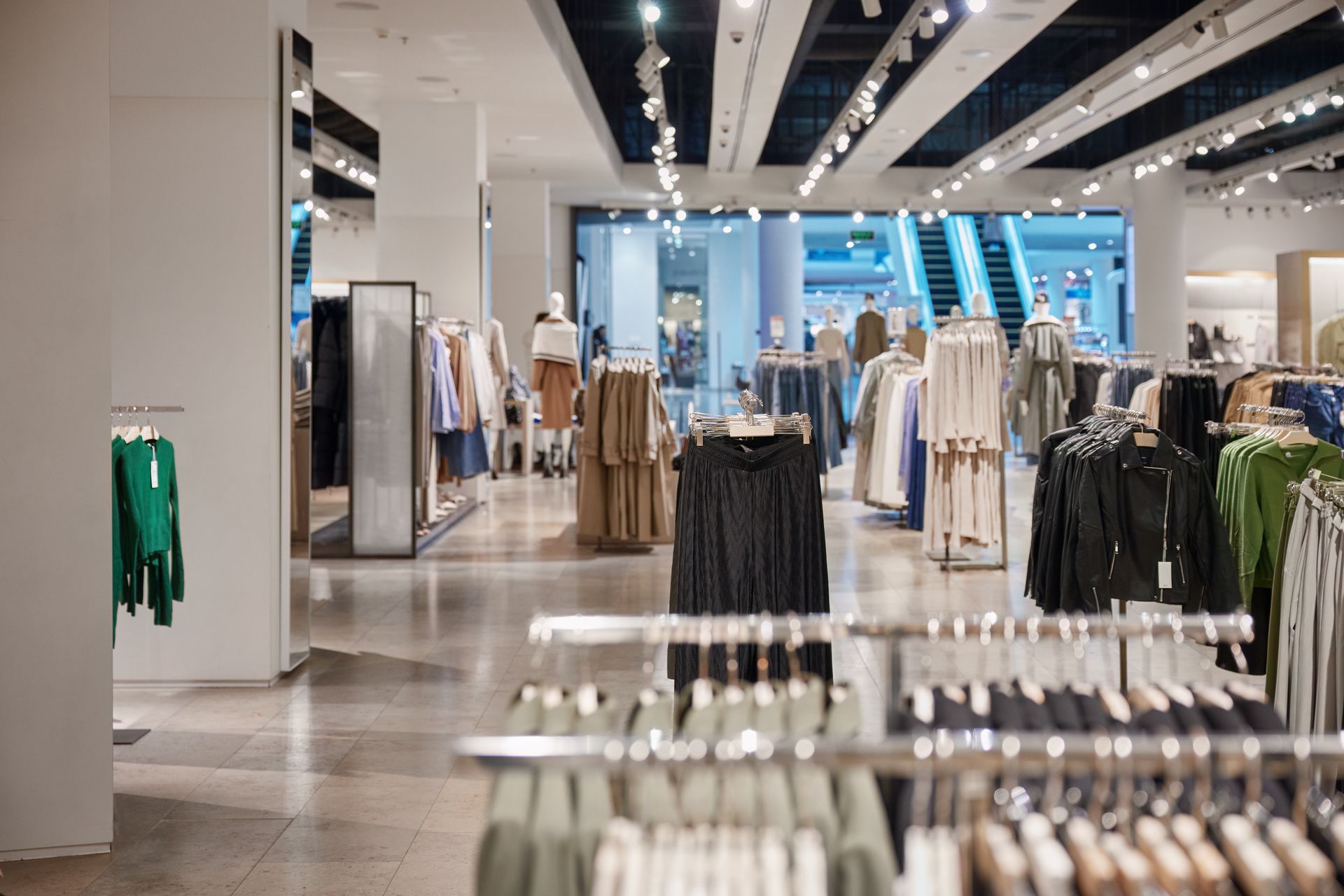
Retail and
Commercial Properties
Protection for storefronts, inventory, and customer-related liability.
Our Approach
Insurance Made Easy to Understand
Mesa Insurance Agency provides business insurance coverage that helps protect operations, employees, and property. We work with multiple carriers to offer coverage options that support daily business activities and long-term stability.
Insurance FAQs
Helpful Answers for Florida Clients
Support you can rely on.

What makes Mesa Insurance Agency different?
We are an independent agency with access to multiple carriers. This allows us to offer flexible coverage options.
Clients work directly with licensed agents. Service continues beyond the policy start date.
Do you offer coverage for individuals and families?
Yes. We provide personal insurance for individuals and families across Florida.
Coverage includes auto, home, health, life, and flood insurance. Our team explains each option clearly.
Do you work with small and mid-sized businesses?
Yes. We work with businesses of many sizes and industries.
Our team helps identify risks and secure appropriate coverage. Ongoing service is included.
Can I make changes to my policy later?
Yes. Policies can be updated as needs change.
We assist with coverage adjustments, additions, and removals. Clients can contact us directly for help.
Is flood insurance required in Florida?
Flood insurance is not always required, but it is strongly recommended in many areas.
Standard home insurance does not cover flood damage. Our team can review your flood risk and options.
How do I contact your office?
You can contact us by phone, email, or through our website.
Our team responds promptly during business hours. Support is always available when needed.
From the Blog
Insurance Topics That Matter
Clear answers for common questions.







Client Reviews
Trusted by Clients Across Florida
Mesa Insurance Agency is proud to serve individuals and businesses throughout Florida. Clients choose us for clear communication, responsive service, and reliable insurance support. Their feedback reflects our focus on long-term relationships and consistent service.
Contact Us