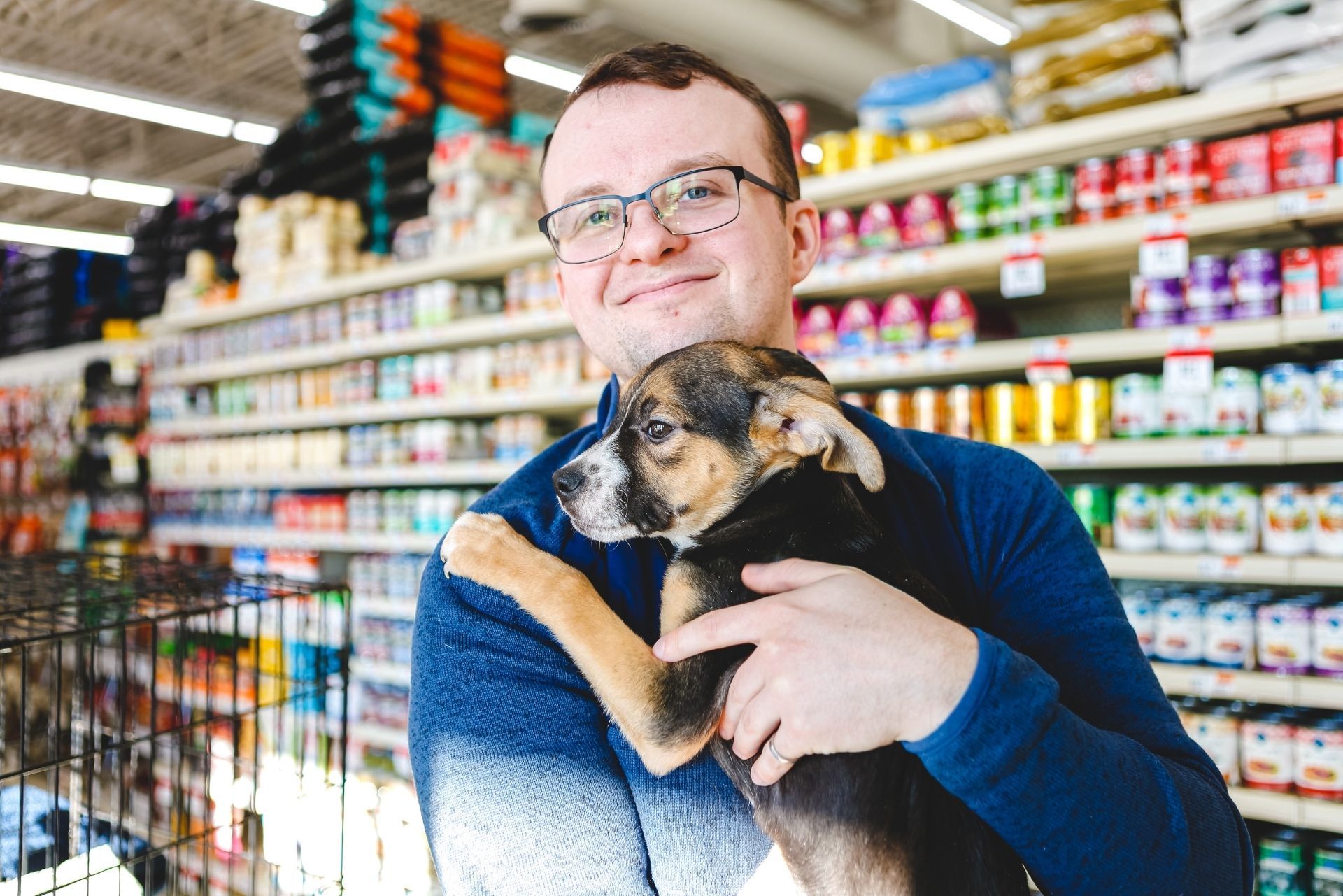
A busy pet supply store in Florida isn’t just a place to pick up pet food or toys. It’s a hub for animal lovers, a vital part of the community, and a unique business facing a mix of risks. Ensuring proper insurance can be the difference between a minor hiccup and a business-ending claim. With the state’s distinct challenges ranging from hurricane threats to evolving regulatory landscapes, understanding insurance coverage is paramount. Explore the ins and outs of Florida pet supply store insurance while considering recent market data and legislative advancements.
Florida’s dynamic business environment is enriched by a growing pet culture. For instance, pet owners in Florida spent over $7 billion on pets in 2024, and households average nearly 1.7 pets each
according to the Pet Advocacy Network. This vital statistic underscores the importance of pet supply stores as indispensable community assets that demand robust insurance solutions. Covering an array of exposures, from property damage to liability claims, the right insurance policy safeguards both the financial health and reputation of businesses.
Understanding the Unique Risks for Pet Supply Retailers in Florida
Pet supply store owners in Florida confront an array of risks unique to both retail operations and the state’s environmental conditions. From property loss due to severe weather events to legal claims arising from customer injuries, risks can be wide-ranging and complex. In a state where hurricanes are a consistent threat, stores must prepare for potential damage and disruptions. Additionally, regulatory changes focused on transparency and consumer protection are reshaping the business environment.
The insurance market in Florida has seen dramatic shifts over the last decade. A recent statement by Mark Friedlander of the Insurance Information Institute highlights how legislative changes have allowed insurers to write profitable business despite hurricane risks. This evolution in policy writing means pet supply stores now have access to products that cater specifically to their vulnerabilities, providing peace of mind during stormy seasons and unforeseen events.
A review of market trends from 2014 to 2024 shows that the personal property insurance market has begun to stabilize, with the underwriting profit marking the first in eight years and a combined ratio of 93.1% as reported by Reinsurance News. This trend suggests a maturing risk environment that can benefit small retailers if they secure the right coverage.

Key Insurance Policies for Pet Supply Stores
Property Insurance
The backbone of any pet supply retailer’s insurance package is property insurance. This policy covers the physical building, inventory, equipment, and sometimes even parts of outdoor signage. In Florida, with its susceptibility to hurricanes, property insurance is particularly critical. An unexpected storm can lead to extensive damage-resulting in lost revenue and costly repairs-so a policy that includes coverage for wind and water damage becomes essential.
Retailers should ensure their policy not only covers the structure but also outdoor property elements. Given the state’s weather patterns, specifics regarding hurricane-related losses should be examined thoroughly. Some insurers include limited coverage for these losses, so additional endorsements or separate hurricane policies may be required. Pet supply store insurance that includes these tailored endorsements offers the protection needed to mitigate the financial impact of natural calamities.
While property insurance is a staple, the rapidly changing climate and evolving risk factors in Florida prompt businesses to evaluate the robustness of their policies frequently. In today’s regulatory climate, keeping policies up-to-date is paramount to meet both safety and compliance expectations.
General Liability Insurance
General liability insurance covers bodily injury, property damage, and legal fees arising from accidents on the store’s premises. Even a minor slip or fall reported by a customer can lead to legal claims that disrupt business operations. For pet supply retailers, general liability extends to cover accidents involving products or injuries that occur within the store, offering an essential financial buffer.
Given the hands-on nature of pet supply retail-where customers frequently interact with products and occasionally with pets on display-this type of liability coverage is indispensable. It not only protects against property damage claims but can also cover medical expenses in personal injury cases. This policy is particularly relevant when even a single accident could escalate into an expensive lawsuit.
Some insurers offer package policies that combine property and liability coverage to streamline premium payments. However, tailored coverage might be more beneficial. Consulting with an insurance expert to navigate the nuances of such policies helps ensure that coverage neither overlaps unnecessarily nor leaves glaring gaps.
Business Interruption Insurance
Business interruption insurance becomes crucial when unforeseen events, like hurricanes or fire, force a store to close temporarily. Many Florida pet supply retailers might not think about the financial burdens during periods when the door is closed. Without coverage, the loss of revenue, ongoing expenses, and potential payroll obligations can cripple a business recovery effort.
The policy compensates for lost income and covers extra expenses incurred during the interruption period. This type of coverage is not only valuable for natural disasters; it also helps in situations like severe supply chain disruptions or major repairs following an unexpected event. It fills the gap where regular commercial insurance policies might not extend.
Reviewing policy specifics is especially important for pet retailers, who often rely heavily on regular cash flow to maintain inventory levels and invest in store improvements. As the pet culture in Florida surges, with a reported increase in spending and a growing number of insured pets
according to recent state data, ensuring business continuity is paramount to remaining competitive.
Emerging Trends in the Florida Pet Insurance Market
Recent legislative changes signal a new era in transparency and consumer protection within the pet insurance market. Florida lawmakers, recognizing the growing importance of pet insurance to Florida’s residents, are weighing Senate Bill 158. This bill aims to enhance transparency by updating education requirements for agents and mandating clearer disclosures from insurers as reported by Insurance Business. Business owners in the pet supply sector and individual pet owners alike stand to benefit from a clearer understanding of policy terms and better overall customer service.
The increased legislative focus comes at a time when pet insurance coverage in the United States is soaring. With 5.3 million pets insured in 2022-a figure marking a 70% increase from 2020 according to WPBF-the pet insurance market is maturing, and consumers are becoming more discerning. For pet supply retailers, this given shift not only increases the relevance of pet insurance but also influences the type of customer interactions and queries that can be expected on the store floor.
This transparency about coverage details ensures that misunderstandings about policy limits and exclusions are minimized. Pet supply store insurance can now be paired with broader strategies, such as clearly communicating product disclaimers and training staff in handling sensitive insurance-related questions. Such measures improve overall customer trust and smooth the purchasing process.
Impact of Property Market Trends on Insurance
Home and property insurance trends in Florida affect retail operations, including pet supply stores. A study found that the number of active home insurance policies in the state declined by 78% between 2014 and 2024, with Citizens Property Insurance Corporation expanding its market share from 6% to 63% as noted by Insurance Business America. Although the focus here is on residential insurance, these figures influence the broader insurance ecosystem.
For pet supply retailers, these trends underscore the need for robust commercial property insurance policies. As the residential market struggles with unpredictable losses and market shifts, commercial policies must compensate for these vacillations to keep premiums competitive and coverage comprehensive. The substantial market share held by state-backed insurers also signals a shift in risk appetite, which could eventually influence available coverage options for smaller businesses.
This evolution in the insurance landscape also invites a closer look at policy structure and premium determination. Pet retailers, who often operate in standalone buildings or leased spaces, might find that premium rates adjust based on the broader risk environment. Keeping abreast of these market trends-and adapting policies as needed-is a proactive step toward mitigating future financial exposures.
Tailoring Insurance Policies for Pet Supply Retailers
Pet supply store owners need an insurance package that is as multifaceted as their operations. A bundled policy that integrates property, liability, and business interruption is often valuable, yet customization remains key. Every business is unique, and a one-size-fits-all solution rarely covers the nuanced exposures encountered by pet supply retailers in Florida.
Customization involves addressing specific factors such as inventory volatility, high-value equipment, and even pet products that may have their own compliance requirements. Considering that Florida pet owners spent over $7.232 billion on pets in 2024 as per recent state statistics, retailers might carry high-value inventory with narrow margins for error. Ensuring that the policy coverage aligns with precise risk profiles helps avoid gaps that could prove financially devastating.
Retailers are advised to conduct regular reviews of their insurance portfolio. Business needs can evolve quickly, especially in a market where consumer trends around pet care and spending shift continuously. Tailored insurance packages that evolve in tandem with business needs create a safety net of coverage that expands as risk factors change.
Evaluating Coverage Limits and Exclusions
Many pet supply retailers often face the challenge of evaluating coverage limits and exclusions in existing policies. Too low of a coverage limit can hinder recovery following a major loss, while ambiguous exclusions may lead to unexpected out-of-pocket expenses. Careful review of policy wording, particularly in areas related to natural disasters, is essential.
For example, a policy might broadly cover property damage, yet exclude certain types of water damage or wind-related incidents that are common in Florida. This is where understanding every clause becomes particularly important, ensuring that an incident such as a hurricane doesn’t leave a retailer with inadequate funds to rebuild or restock their inventory. Consulting with an insurance expert can provide insight into these policy nuances, aligning the coverage more closely with the retailer’s actual risk exposure.
Additionally, policies may contain deductibles that vary by claim type. Evaluating these deductibles alongside the coverage limits offers a clearer picture of potential out-of-pocket costs. Transparent disclosure within these policies, supported by the new movement for improved transparency in pet insurance in Florida as highlighted by state legislators, becomes crucial to avoiding unexpected expenses.
Business-Specific Endorsements
Retailers may also consider adding endorsements that specifically address issues unique to pet supply operations. These might include coverage for product liability claims related to pet foods or treats, cyber liability for online sales, and even transportation coverage for inventory deliveries. Endorsements can be the differentiator in securing extensive coverage that traditional policies may not fully provide.
Some pet supply stores also host pet events or offer grooming services as ancillary business lines. Such additional services could require further risk management strategies. By opting for endorsements designed for multifunctional operations, retailers can tailor their policies to manage aggregated risks more effectively. These endorsements refine the coverage, ensuring that every facet of the business-from storefront operations to ancillary services-receives protection tailored to its risk profile.
As competition intensifies and consumer expectations evolve, ensuring that insurance coverage is suited for these broader exposures positions pet supply stores to continue thriving amid complex operational demands.
Best Practices for Managing Insurance Claims
Managing an insurance claim effectively can significantly mitigate financial disruption. Whether the claim arises from property damage during a hurricane or an on-premise incident, the process must be handled with efficiency. Best practices start with understanding the claim process outlined by the insurance provider and maintaining accurate records of all transactions, repairs, and incidents.
Documenting damages with photographs, receipts, and written statements helps streamline claim submissions. For pet supply retailers, retaining invoices for expensive inventory or equipment can be crucial. Consistent documentation not only provides evidence for claims but also builds a historical record that can refine future risk management strategies.
A proactive approach means training staff on what to do when damage or an accident occurs. Swift communication with the insurer and working with repair services that are familiar with commercial property claims ensure a smoother process. Retailers who regularly review claim procedures, perhaps in consultation with their insurance broker, may find that their recovery time shortens while the overall claim process becomes less stressful.
Leveraging Insurance to Enhance Business Resilience
A well-designed insurance strategy does more than transfer risk-it reinforces business resilience. In the competitive retail landscape, pet supply stores with comprehensive insurance coverage can maintain operations during disruptions and allocate resources to improve customer experiences. Enhancement of coverage, when made proactively, translates to both immediate financial protection and long-term brand stability.
In an era where legislative changes and customer expectations drive more transparent insurance practices as seen with recent proposals, it becomes paramount to integrate robust insurance planning into overall business strategy. Resilient businesses not only survive damage but often emerge stronger, leveraging their experience to build trust and improve operational procedures.
Insurance is a key component of risk management that can facilitate quicker recovery during crises, thereby reducing downtime significantly. In Florida, where environmental risks add an extra layer of worry, a comprehensive package makes sure recovery measures are both timely and effective. Strategies such as bundling policies, scheduling periodic reviews, and investing in endorsements designed for retail operations can elevate overall business stability.
Charting the Right Path: A Data-Driven Approach
Data plays an increasingly critical role in shaping insurance policies tailored for pet supply retailers. With clear statistics underscoring spending trends and employment data in the pet sector-Florida’s pet-related goods and service industries employed 85,675 people in 2024 with in-state earnings of $6.118 billion according to the Pet Advocacy Network-businesses are encouraged to adopt a data-driven approach to their insurance strategy. By examining claims history, loss ratios, and trends in natural disasters, retailers can quantify their risk exposures more effectively.
Data also plays a central role in determining necessary policy enhancements. For instance, comparisons between the general product liability landscape and the specialized risks of pet supply retailing can yield insights that inform coverage limits and deductible adjustments. A data-informed approach ensures that the chosen insurance solution not only reflects current exposures but also anticipates emerging risks.
Below is a simplified table that highlights common policy features and options often tailored for pet supply stores:
| Coverage Type | Key Features | Considerations Coverage |
|---|---|---|
| Property Insurance | Covers building, inventory, equipment, wind/water damage | Review hurricane and flood clauses |
| General Liability | Covers bodily injury and property damage claims | Indemnification limits need review |
| Business Interruptionerruption | Replaces lost income, extra expense reimbursementme replacement | Check waiting periods and claim limits |
| Endorsements | Product liability, cyber threats, transportation losses | Ensure alignment with specific business operations |
This chart offers a quick guide for pet supply retailers to evaluate their insurance choices. Comparing basic and extended coverage options ensures that businesses can select packages that best align with their operational realities and reflect the current risk environment.
Cost Considerations and Premium Management
One of the common concerns for pet supply retailers is how to manage premium costs while obtaining comprehensive coverage. Insurance premium rates in Florida are subject to changes resulting from both state-specific market conditions and the overall risk profile of the insured business. While securing adequate coverage is a priority, balancing cost-effectiveness remains a challenge.
Retailers should compare different products available in the market, considering factors such as deductibles, claim histories, and potential discounts for bundled policies. The recent stabilization in the personal property insurance market, with a reported combined ratio of 93.1% according to Reinsurance News, indicates that insurers are finding more sustainable ways to price policies even as natural disaster risks persist.
Premium management isn’t just about reducing costs; it is equally about ensuring that the coverage limits effectively mitigate potential losses. Business owners may benefit from regularly reviewing their policies, working with brokers who understand the nuances of the Florida market, and staying informed on legislative changes that could impact premium costs in the near future.
Practical Steps for Securing and Maintaining Coverage
Securing the right insurance policy for a pet supply retail operation requires a proactive and systematic approach. Starting with an in-depth risk assessment tailored to the specific challenges of both retail operations and Florida’s unique environmental exposures is critical. Business owners can work with brokers who have experience in the pet retail industry, ensuring that all potential liabilities are identified and addressed.
Maintaining coverage is an ongoing process. Regular policy reviews in light of evolving market conditions, business growth, or operational changes ensure that the coverage remains adequate. Retailers benefit from a process that includes annual reviews, updated inventories, and occasionally even on-site risk inspections. These measures not only help manage premiums but also prepare the business for any sudden adverse events.
Store owners should also maintain open communication channels with their insurers. Transparent conversations about business changes, claims history, and risk mitigation strategies can often lead to more favorable terms or adjustments in policy language. This proactive engagement is particularly valuable in Florida’s rapidly shifting insurance market.
Opportunities from Legislative Developments and Industry Innovations
New legislative proposals aimed at increasing transparency in the pet insurance market provide a window of opportunity. Senate Bill 158, which is under consideration by Florida lawmakers, proposes updated education requirements for agents and mandates more detailed disclosures from insurers. Such reforms could lead to better-informed purchasing decisions for both pet owners and retailers as mentioned by industry analysts.
In a retail setting, these legislative shifts might translate to improved customer confidence in purchasing pet insurance alongside other products, such as health supplements and specialty pet foods. For pet supply stores, this creates an environment in which guaranteed consumer protection measures reflect enhanced business values. Innovation in the insurance sector, driven by clearer consumer guidelines, also motivates product evolution that better complements retail needs.
Embracing these opportunities means not only safeguarding the business with current insurance products but also staying agile to adopt new coverage types as they emerge. Retailers who integrate forward-looking strategies with comprehensive risk management are well-positioned to capitalize on these innovations.
Frequently Asked Questions
Below are some common questions pet supply retailers may have regarding their insurance needs:
Q: Why is property insurance so crucial for pet supply stores?
A: Property insurance covers physical structures, inventory, and equipment. In Florida, where natural disasters like hurricanes pose serious risks, this coverage is essential to minimize financial loss due to damage or disruption.
Q: How does general liability insurance protect my business?
A: General liability insurance covers personal injuries or property damage claims that occur on your premises, protecting you from costly lawsuits and providing essential financial support in the event of an accident.
Q: What role do business interruption policies play?
A: Business interruption insurance helps cover lost income and ongoing expenses when your store is forced to close temporarily due to unexpected events such as natural disasters or significant repairs.
Q: How can I manage insurance premium costs effectively?
A: Regular policy reviews, bundling coverages, and working with specialized brokers can help optimize your premiums while still ensuring that your business remains adequately protected.
Q: Are there endorsements available that specifically benefit pet supply retailers?
A: Yes, tailored endorsements addressing product liability, cyber liability, and transportation coverage can provide additional protection, ensuring that all aspects of your unique business operations are covered.
Q: What should I look for regarding legislative updates in the insurance sector?
A: Pay attention to proposed measures, such as Senate Bill 158, which could enhance transparency and require clearer disclosures from insurers. This can affect both coverage details and regulatory compliance for your business.
Final Thoughts on Navigating Florida’s Insurance Landscape for Pet Retailers
The complexities of operating a pet supply store in Florida extend far beyond daily sales and inventory management. With environmental risks, evolving consumer demands, and legislative reforms shaping the business environment, having the right insurance is not simply a legal requirement but a strategic asset. Careful evaluation of property, liability, business interruption, and specialized endorsements can significantly cushion the impact of unforeseen events.
Staying informed about market trends is essential. From the major spending power in the pet sector, where Florida pet owners spent billions on pets and maintained an average of 1.7 pets per household according to the Pet Advocacy Network, to understanding shifts in insurer market share and legislative requirements, the nuances of the Florida insurance market are intricate. Retailers are advised to cultivate a relationship with professionals who understand these complexities and can help tailor coverage to reduce risks and sustain operations.
As pet supply stores serve as community hubs for pet lovers, they must focus on both protecting their assets and nurturing consumer trust. The right insurance not only covers immediate risks but also provides the resilience needed for long-term growth. Engaging in proactive risk management and regular policy reviews ensures that when the unpredictable arrives, the business can bounce back swiftly and continue to thrive.
Steps to Strengthen Your Insurance Strategy Today
Pet supply store owners should begin by assessing their current risk exposures in detail. Consider the potential losses from natural disasters, customer accidents, and supply chain disruptions in the evaluation. An in-depth risk analysis is the cornerstone of a solid insurance strategy that not only covers known exposures but also anticipates emerging risks. This proactive approach builds business resilience and instills confidence among stakeholders.
Regular consultation with insurance professionals can help identify any gaps in current policies. Whether it is through adjustments for property, reviewing general liability terms, or adding business-specific endorsements such as cyber liability or product recalls, the ongoing analysis is key. Insurers are evolving their methods as market conditions change, meaning that pet supply retailers must be equally agile in updating their risk management strategies.
Leveraging new legislative developments is another crucial step. With enhancements proposed in the pet insurance market, such as the transparency initiatives under Senate Bill 158 highlighted by recent news, businesses have the opportunity to benefit from improved disclosure and customer education. Engaging in regular insurer discussions ensures that the nuances of policy language are fully understood and align with operational needs.
A Call to Action for Florida Pet Supply Retailers
Insurance is not a one-time purchase but an ongoing process that adapts with changing business conditions. For pet supply retailers, every step taken towards improving their insurance coverage contributes to the stability of their operations. In a state where unpredictable weather and dynamic market conditions prevail, the right insurance policy can be a lifeline during a crisis. Taking time to review, adjust, and enhance insurance coverage now can prevent larger losses in the future.
Florida pet supply store owners are encouraged to periodically review all their policy elements and stay abreast of industry innovations. With pet owners increasingly valuing high-quality products and services-as reflected in the significant pet spending recorded in 2024-the marketplace is more competitive than ever. Preparedness through appropriate, evolving insurance coverage not only protects physical and financial assets but also supports business longevity and resilience.
This article has provided an in-depth look at how pet supply retailers in Florida can strategically address their insurance needs. By understanding risks, leveraging available endorsements, and staying informed about legislative changes, retailers are better equipped to navigate the challenges inherent to the Florida market. It is now up to business owners to take these insights and act decisively to fortify their operations.
Ensuring Confidence in Your Business Future
Encompassing robust insurance coverage is more than a reactive measure-it is an investment in long-term stability and growth. By embracing comprehensive insurance planning, pet supply stores are better prepared for whatever challenges lie ahead. Every claim successfully managed and every policy review conducted strengthens the business’s foundation, ensuring that in the case of an unexpected disruption, recovery is not only possible but swift.
Owners who diligently work with experienced insurance professionals, leverage legislative improvements, and review policy details regularly can rest assured that their store is well-protected. As the industry evolves alongside consumer trends and emerging risks, a proactive and data-driven approach remains the cornerstone of operational security. Transparency in both insurance purchases and customer interactions builds trust, an invaluable asset in any competitive market.
The integration of sound insurance practices provides pet supply retailers with the security to focus on growth, customer satisfaction, and community engagement. Ultimately, this comprehensive insurance approach transforms risk management from a burdensome obligation into a strategic tool for ensuring business resilience.
For IT service providers in Florida, understanding the distinctions between different coverage options can significantly enhance decision-making. The table below provides an overview of common policy features relevant to IT service operations:
ABOUT THE AUTHOR: PAUL RAMENTOL
I am the Owner and President of Mesa Insurance Agency. I help individuals and business owners across Florida secure personal and business insurance coverage that supports their needs. My focus is on clear guidance, direct communication, and long-term support without call-center delays or confusion.
Contact Us

Personal Coverage Options
Insurance Built for Everyday Protection
Mesa Insurance Agency provides personal insurance coverage designed to support daily life. Our team reviews risks and coverage needs to help clients secure dependable protection at fair rates.
Dental & Vision Insurance
Coverage that helps manage routine dental and vision care costs.

Business Coverage Options
Insurance Built for Business Protection
Mesa Insurance Agency provides business insurance coverage that helps protect operations, employees, and property. We work with multiple carriers to offer coverage options that support daily business activities and long-term stability.
Commercial Auto Insurance
Coverage for business-owned vehicles, drivers, and accident-related liability exposure.
General Liability Insurance
Protection against third-party injury, property damage, and common business liability risks.
Professional Liability Insurance
Coverage for claims related to professional services, advice, or service errors.
Workers’ Compensation Insurance
Coverage that helps support employees with work-related injuries and medical costs.
Commercial Property Insurance
Protection for buildings, equipment, inventory, and physical business assets.
Errors & Omissions Insurance
Coverage for financial losses caused by mistakes, omissions, or service-related claims.
Industries We Serve
Serving Businesses Across Multiple Sectors
Mesa Insurance Agency works with business owners across Florida to provide insurance coverage that supports daily operations. We understand common risks faced by different industries and help clients secure reliable protection.

Construction and Trades Insurance
Coverage for job sites, vehicles, tools, and workplace risks.

Hospitality Businesses Insurance
Insurance for restaurants, bars, and service-based operations.

Retail and
Commercial Properties
Protection for storefronts, inventory, and customer-related liability.
Our Approach
Insurance Made Easy to Understand
Mesa Insurance Agency provides business insurance coverage that helps protect operations, employees, and property. We work with multiple carriers to offer coverage options that support daily business activities and long-term stability.
Insurance FAQs
Helpful Answers for Florida Clients
Support you can rely on.

What makes Mesa Insurance Agency different?
We are an independent agency with access to multiple carriers. This allows us to offer flexible coverage options.
Clients work directly with licensed agents. Service continues beyond the policy start date.
Do you offer coverage for individuals and families?
Yes. We provide personal insurance for individuals and families across Florida.
Coverage includes auto, home, health, life, and flood insurance. Our team explains each option clearly.
Do you work with small and mid-sized businesses?
Yes. We work with businesses of many sizes and industries.
Our team helps identify risks and secure appropriate coverage. Ongoing service is included.
Can I make changes to my policy later?
Yes. Policies can be updated as needs change.
We assist with coverage adjustments, additions, and removals. Clients can contact us directly for help.
Is flood insurance required in Florida?
Flood insurance is not always required, but it is strongly recommended in many areas.
Standard home insurance does not cover flood damage. Our team can review your flood risk and options.
How do I contact your office?
You can contact us by phone, email, or through our website.
Our team responds promptly during business hours. Support is always available when needed.
From the Blog
Insurance Topics That Matter
Clear answers for common questions.







Client Reviews
Trusted by Clients Across Florida
Mesa Insurance Agency is proud to serve individuals and businesses throughout Florida. Clients choose us for clear communication, responsive service, and reliable insurance support. Their feedback reflects our focus on long-term relationships and consistent service.
Contact Us