The cost of auto repairs in Florida can be steep, and insurance coverage tailored to auto repair businesses is more important now than ever. Rising auto repair expenses and the notorious claim culture in the state have created unique challenges for shop owners. Navigating these obstacles while maintaining a profitable operation requires a thorough understanding of risk, coverage options, and recent legislative shifts (Florida Office of Insurance Regulation).
With average annual auto insurance spending in Florida significantly exceeding the national average, auto repair shop owners face pressure to manage costs and mitigate risk. Expert insights reveal how claim abuse and systemic challenges drive up rates. This article explores critical aspects of Florida auto repair shop insurance, the nuances of risk exposure, recent reforms, and technology's role in creating more opportunities in the insurtech landscape.
For dedicated professionals in the automotive repair field, understanding the risks behind every claim and learning strategies for lowering premiums can lead to more sustainable business practices and better customer service outcomes.
Understanding the Unique Risks for Auto Repair Businesses
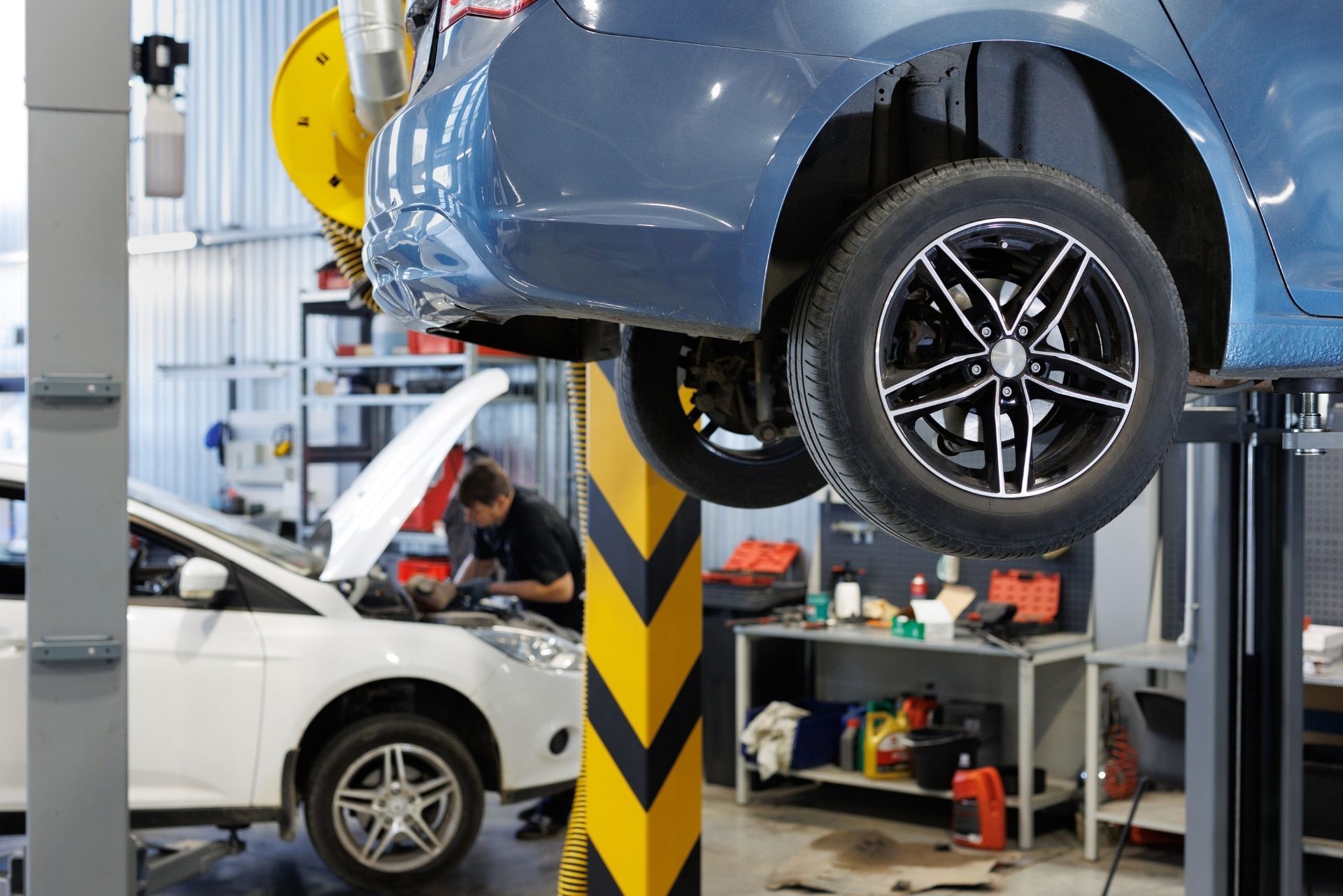
The world of auto repair is intricate, and the financial impact of an unsatisfactory repair can extend beyond the immediate cost of labor and parts. Florida auto repair shops operate in an environment where average vehicle repair labor costs hover around $143 and parts costs can exceed $250 (Fasig Brooks).
The elevated expenses make it crucial for businesses to invest in robust liability insurance that covers errors, omissions, and property damage. An incident stemming from a subpar repair job can escalate into a lawsuit, engendering not just a hit to the repair shop’s finances but also a dent in its reputation. The high repair expenses underscore the need for insurance policies that provide comprehensive protection against a broad spectrum of risks.
Understanding these risks helps auto repair business owners gauge the importance of tailored coverage. Given Florida's tumultuous claim culture, where some experts point to rampant system abuse by plaintiffs, even minor mishaps can lead to disproportionate insurance costs (Insurance Research Council).

Why Coverage Tailored to Auto Repair Shops Is Essential
Unlike other types of commercial insurance, coverage for auto repair shops takes into account the unique nature of automotive work. A policy designed for these businesses addresses potential hazards that are typical in a workshop setting, including the risk of property damage from tools, chemical spills, or even minor structural damages to customer vehicles.
In Florida, where the legal and claim environment is particularly challenging, the intricacies of insurance policies become even more significant. For instance, the complexity of handling claims means that premiums tend to be higher than the national average. In 2020, Florida drivers paid an average of $1,342 annually, a figure that is more than 30% higher than the national average (Insurance Research Council).
Industries with such high stakes require insurance that does more than just protect against the most evident losses. Tailored policies often include clauses for business interruption, professional liability, and even environmental damage, ensuring that auto repair shops are covered under various contingencies.
Legislative Reforms and Rate Reductions in Florida's Auto Insurance Market
Legislative reforms have started to ease some of the financial burdens on Florida’s auto repair shop owners. Recent changes aimed at curbing claim abuse and streamlining legal processes have led to notable reductions in auto insurance rates. In 2025, major insurers reported an average rate decrease of 6.5%, a marked turnaround from the steep increase experienced in 2023 (Florida Office of Insurance Regulation).
Rate reductions are encouraging news for auto repair shop operators struggling with high overheads. Lower premiums mean that insurers are recognizing the benefits of legislative reforms that address abuses in the claim process. This progress has been accompanied by a broader consensus that both plaintiffs’ lawyers and insurance companies have exploited previous loopholes, driving up costs (Florida attorney Zachary Hicks).
These reforms not only help lower operational costs but can also encourage investment in additional safety measures and technological advancements within the industry. Businesses can reinvest savings into employee training, updated tools, and enhanced customer service initiatives.
The Role of Technology and Insurtech Innovations
Technological advancements have become a vital component of modern auto repair insurance. Insurtech innovations are transforming how risk is assessed and claims are processed, ultimately benefiting both insurers and businesses. Digital platforms and analytics tools allow for real-time risk monitoring and evidence-based adjustments to premium calculations.
A growing number of Florida auto repair shops are integrating these technologies within their operations. From advanced diagnostic tools to software that tracks repair quality, technology is improving safety and efficiency while also contributing to lower insurance premiums. This evolution is capturing the interest of investors and stakeholders alike, as highlighted in recent industry reports (AINVEST).
Technological solutions not only streamline operations but provide tangible data that insurance companies can use to fine-tune their risk models. As a result, policies can be better tailored to the specific risks associated with individual auto repair shops, leading to fairer premiums and more efficient claims processing.
Understanding the Key Components of Auto Repair Shop Insurance
Auto repair shop insurance is not a one-size-fits-all product. Various components must be considered to ensure that the coverage addresses the specific needs of the business. These components typically include:
- General Liability Coverage: Protects against bodily injury and property damage claims arising from workplace incidents.
- Garage Liability: Covers damages that might occur on your premises, including customer property damage during repairs.
- Workers' Compensation: Ensures that employees injured on the job receive adequate medical care and compensation.
- Business Interruption: Provides financial support during periods when operations are halted because of unforeseen events.
- Equipment Breakdown: Covers repair or replacement costs for faulty or damaged equipment essential to daily operations.
While the above list captures the essentials, the intricacy of claims in Florida’s market often requires additional endorsements or specialized riders. Because shop operations involve multiple risk factors-from equipment failure to legal actions following a repair mistake-ensuring comprehensive coverage is central to long-term business success.
The structure of these policies is designed not only to protect assets but also to support operational continuity. Auto repair shop owners must work with their insurance providers to assess risk and customize coverage that aligns with the specific operational profile of their shops.
Comparing Basic Versus Extended Coverage Options
Understanding the difference between basic and extended coverage is vital for auto repair shop owners seeking to balance cost with protection. A side-by-side comparison can clarify which coverage type suits different operational needs and budgets.
| Coverage Type | Included Protection | Ideal For |
|---|---|---|
| Basic Coverage | General Liability, Garage Liability, Workers' Compensation | Smaller shops with limited operations |
| Extended Coverage | All Basic Protections plus Business Interruption, Equipment Breakdown, Environmental Coverage | Larger repair shops or those with extensive operations |
This comparison highlights that extended coverage, while more expensive, provides a safety net that encompasses a broader range of risks. Florida businesses with higher premiums need to assess if these additional layers offer the long-term savings and risk management benefits that can offset an initially higher cost.
Business owners should review historical claims data and consult with insurance professionals to determine which package delivers the most comprehensive protection relative to their operational risks.
Addressing the Claim Culture in Florida
The current climate in Florida has been strongly influenced by a problematic claim culture. As observed by industry experts, auto and insurance claims in the state have often spiraled because of a system prone to abuse (Insurance Research Council). Such systemic challenges have led to higher insurance premiums and increased operational risk.
Auto repair shops in Florida have to prepare for the possibility of exaggerated or unfounded claims. It is common for insured parties to engage legal tactics that pressure companies into expensive settlements. In a climate where every error could translate into a false claim, the need for thorough documentation, rigorous safety protocols, and advanced training becomes more than just a best practice-it is an essential shield.
Insurance policies designed for auto repair businesses now often include provisions that address frequent claim triggers. Some insurers are even incorporating risk mitigation services as part of their coverage packages, which assist shops in implementing practices that can reduce the likelihood of costly claims.
How Legislative Reforms Are Shaping the Market
Florida has historically been a challenging market for auto insurance due to an environment that many experts describe as one of the least affordable in the nation. Legislative reforms have sought to rectify this predicament by focusing on reducing opportunities for system abuse. State intervention aimed at subduing the pressures from plaintiff litigation and insurance company practices has led to promising developments (Florida Policy Project).
The changes have manifested in measurable rate adjustments, with top insurers such as State Farm, Progressive, and GEICO reporting notable decreases after reforms were enacted. When businesses see a reduction in premiums, it not only eases financial strains but also enhances the overall competitiveness of Florida’s automotive insurance environment.
For shop owners, staying informed about these reforms is key. When coupled with proper policy selection, businesses can obtain improved coverage at a more affordable rate, allowing them to invest resources in quality service and modern equipment.
Strategies for Reducing Insurance Premiums for Auto Repair Shops
Minimizing operational costs while maintaining robust coverage is a balancing act many auto repair shop owners face. Several strategies can help reduce insurance premiums without sacrificing essential protections.
First, managers can implement strict safety protocols and invest in employee training programs. Documenting these practices during inspections may convince insurers to offer lower rates. Working with reputable insurers who understand the unique risks associated with Florida’s market can be invaluable. The notable drop in rates in 2025, after reforms, is a good reminder that smart, proactive policies can lead to financial benefits (Florida Office of Insurance Regulation).
Second, consider bundling insurance policies. Many insurers offer discounts when business owners combine multiple types of coverage into one package. Finally, leveraging new technology, such as digital risk management software, provides up-to-date safety data that can be persuasive when negotiating lower premiums.
Leveraging Technology for Better Risk Management
With the evolution of digital tools, auto repair shops can now monitor and mitigate risks more effectively than ever before. Technologies ranging from automated diagnostic equipment to comprehensive fleet management solutions have changed how retailers approach safety and quality control.
While traditional methods of managing risk relied primarily on manual inspections and in-person reviews, the advent of data-driven tools has increased transparency and accountability. Insurers and policyholders alike benefit from these tools, as real-time monitoring can facilitate prompt responses to any sign of discrepancy or danger. An environment of robust data ensures that risk exposure is minimized over time, leading to more stable insurance premiums.
Digital risk management systems also help track performance trends that insurers can review during renewal cycles. This collaboration helps ensure that coverage remains reflective of operational realities, and in many cases, allows auto repair shops to negotiate better terms as their safety records improve.
Integration of Insurtech: A Catalyst for Change
As previously mentioned, insurtech is revolutionizing the insurance landscape for auto repair shops in Florida. Automated claims processing, enhanced risk analytics, and mobile applications for real-time monitoring underpin the modern approach to insurance in an increasingly digital world (AINVEST).
These technological advancements provide both tangible benefits and strategic advantages. For example, an auto repair shop that utilizes insurtech tools may be rewarded with premium adjustments based on documented safety improvements. In an industry notorious for claim system abuses, such as Florida, these measures become significant.
Investing in these innovations can allow shop owners to not only manage risk more efficiently but also differentiate themselves from competitors. In a competitive market where every percentage point saved on premiums can be reinvested in the business, insurtech is much more than just a buzzword-it is a key factor in modern risk management.
Preparing for the Future of Auto Repair Insurance
Future trends in auto repair insurance are likely to continue emphasizing the importance of tailored coverage, digital transformation, and legislative oversight. As Florida’s market evolves, businesses that keep abreast of changes in policy and practice will be better positioned to enjoy the benefits of lower premiums and robust protection.
Embracing a proactive stance towards risk management can lead to significant long-term benefits. From investing in technology and training to understanding the implications of legislative reforms, Florida auto repair shop owners can stay ahead of market challenges. The significant rate decrease recorded in 2025 is a testament to what can be achieved when businesses and regulators work together to mitigate risks and reform the claim environment.
With measurements in place to curb system abuse and foster fairer rate structures, auto repair shops that adapt can thrive in a competitive landscape while avoiding the pitfalls of unexpected financial losses.
Frequently Asked Questions
This section addresses common concerns shared by Florida auto repair shop owners as they navigate the complexities of insurance coverage and legislative changes.
What makes auto repair shop insurance different from other commercial insurance policies?
Auto repair shop insurance typically includes coverage for unique risks like garage liability, damage to customer vehicles, and equipment breakdown. It is designed to account for the day-to-day operational challenges specific to the automotive repair industry.
How have legislative reforms in Florida impacted insurance rates?
Recent reforms targeting claim abuse have led to reduced premiums, with some major insurers reporting an average rate decrease of 6.5% in 2025 (Florida Office of Insurance Regulation). This has helped make coverage slightly more affordable despite previous cost pressures.
Is investing in technology really effective in reducing insurance premiums?
Yes. Digital risk management tools and insurtech platforms streamline claim processes and improve safety tracking, which often leads to better negotiated premiums based on documented safety improvements.
What does extended coverage offer that basic coverage does not?
Extended coverage typically includes additional protections such as business interruption, equipment breakdown, and environmental damage. These are particularly important for larger auto repair shops with multiple operational risks.
How can auto repair shops reduce their overall premium costs?
Adopting strict safety protocols, bundling multiple insurance policies, and leveraging technology to manage risk effectively are proven strategies for reducing premium costs.
Real-World Impact and Practical Considerations
Understanding the practical benefits of optimized insurance policies offers valuable insights into how auto repair shop owners can protect their businesses. When the cost of traditional repairs is high and the risk of claim abuse looms large, every dollar spent on improved insurance needs to count.
Successful business owners often practice meticulous record-keeping, protective measures, and proactive maintenance to minimize the exposure to claims. They recognize that recent reforms in Florida’s insurance climate and competitive performance from leading insurers provide an opportunity to re-negotiate terms under more favorable conditions (Insurance Research Council).
Establishing collaborative partnerships with insurance providers can also lead to additional benefits. Many insurers now offer consultative services that help businesses identify risk mitigation strategies tailored to an individual shop’s operations.
Wrapping Things Up
Florida auto repair shop insurance is an evolving field that reflects the complexities found within the state. In an environment where repair costs are high, claim abuses are common, and legislative reforms are beginning to ease burdens on business owners, staying informed is crucial.
Auto repair shop owners must weigh the benefits of tailored coverage, technological advancements, and proactive risk management. Thoughtful engagement with insurers and regular reviews of policy details are essential to secure the best possible outcome in coverage and premium costs.
In a market defined by rapid change and intense scrutiny, informed decisions can lead to improved protection for both property and profitability. The continued evolution of insurtech and the impact of legislative reforms offer reasons for optimism, ensuring that well-managed shops have a fighting chance in navigating Florida's demanding insurance terrain
(AINVEST).
ABOUT THE AUTHOR: PAUL RAMENTOL
I am the Owner and President of Mesa Insurance Agency. I help individuals and business owners across Florida secure personal and business insurance coverage that supports their needs. My focus is on clear guidance, direct communication, and long-term support without call-center delays or confusion.
Contact Us

Personal Coverage Options
Insurance Built for Everyday Protection
Mesa Insurance Agency provides personal insurance coverage designed to support daily life. Our team reviews risks and coverage needs to help clients secure dependable protection at fair rates.
Dental & Vision Insurance
Coverage that helps manage routine dental and vision care costs.

Business Coverage Options
Insurance Built for Business Protection
Mesa Insurance Agency provides business insurance coverage that helps protect operations, employees, and property. We work with multiple carriers to offer coverage options that support daily business activities and long-term stability.
Commercial Auto Insurance
Coverage for business-owned vehicles, drivers, and accident-related liability exposure.
General Liability Insurance
Protection against third-party injury, property damage, and common business liability risks.
Professional Liability Insurance
Coverage for claims related to professional services, advice, or service errors.
Workers’ Compensation Insurance
Coverage that helps support employees with work-related injuries and medical costs.
Commercial Property Insurance
Protection for buildings, equipment, inventory, and physical business assets.
Errors & Omissions Insurance
Coverage for financial losses caused by mistakes, omissions, or service-related claims.
Industries We Serve
Serving Businesses Across Multiple Sectors
Mesa Insurance Agency works with business owners across Florida to provide insurance coverage that supports daily operations. We understand common risks faced by different industries and help clients secure reliable protection.

Construction and Trades Insurance
Coverage for job sites, vehicles, tools, and workplace risks.

Hospitality Businesses Insurance
Insurance for restaurants, bars, and service-based operations.

Retail and
Commercial Properties
Protection for storefronts, inventory, and customer-related liability.
Our Approach
Insurance Made Easy to Understand
Mesa Insurance Agency provides business insurance coverage that helps protect operations, employees, and property. We work with multiple carriers to offer coverage options that support daily business activities and long-term stability.
Insurance FAQs
Helpful Answers for Florida Clients
Support you can rely on.

What makes Mesa Insurance Agency different?
We are an independent agency with access to multiple carriers. This allows us to offer flexible coverage options.
Clients work directly with licensed agents. Service continues beyond the policy start date.
Do you offer coverage for individuals and families?
Yes. We provide personal insurance for individuals and families across Florida.
Coverage includes auto, home, health, life, and flood insurance. Our team explains each option clearly.
Do you work with small and mid-sized businesses?
Yes. We work with businesses of many sizes and industries.
Our team helps identify risks and secure appropriate coverage. Ongoing service is included.
Can I make changes to my policy later?
Yes. Policies can be updated as needs change.
We assist with coverage adjustments, additions, and removals. Clients can contact us directly for help.
Is flood insurance required in Florida?
Flood insurance is not always required, but it is strongly recommended in many areas.
Standard home insurance does not cover flood damage. Our team can review your flood risk and options.
How do I contact your office?
You can contact us by phone, email, or through our website.
Our team responds promptly during business hours. Support is always available when needed.
From the Blog
Insurance Topics That Matter
Clear answers for common questions.







Client Reviews
Trusted by Clients Across Florida
Mesa Insurance Agency is proud to serve individuals and businesses throughout Florida. Clients choose us for clear communication, responsive service, and reliable insurance support. Their feedback reflects our focus on long-term relationships and consistent service.
Contact Us