
A recent surge in interest surrounding Florida’s autonomous shuttle pilot programs and transport reforms has put the spotlight on shuttle service insurance. With innovative mobility solutions coming into play, ensuring that shuttle operators are properly insured is more crucial than ever. For instance, Florida’s top auto insurers recently cut personal auto rates by an average of 6.5% according to recent reports. Combined with trends in urban mobility, these changes demand that policyholders, businesses, and insurers alike adapt to new risk profiles.
This article will guide shuttle service operators in Florida through the nuances of insurance coverage, highlighting market trends, legislative reforms, and technological impacts that shape risk management strategies today.
Understanding Florida’s Insurance Market Reforms
In Florida, legislative efforts have led to important reforms designed to stabilize the insurance market. Recent changes have had a positive impact on insurers and policyholders, with market stabilization and long-term savings on the horizon.
Kevin M. McCarty, a former Florida Insurance Commissioner, has noted that these reforms are creating conditions that benefit both the carriers and drivers of insured vehicles. His insights highlight a future where insurance policies are not only more affordable but also more reliable, creating a stable framework for businesses across the state.
Industry reports such as those from Gallagher Re have also backed these claims, indicating that lowered litigation costs and an influx of new carriers signal a healthier market. This environment is essential to shuttle operators who rely on dependable insurance coverage tailored to their unique risk exposures. For further insight into market stabilization, see additional expert assessments and data provided by
Florida Times.
The Rise of Autonomous Shuttle Services in Florida
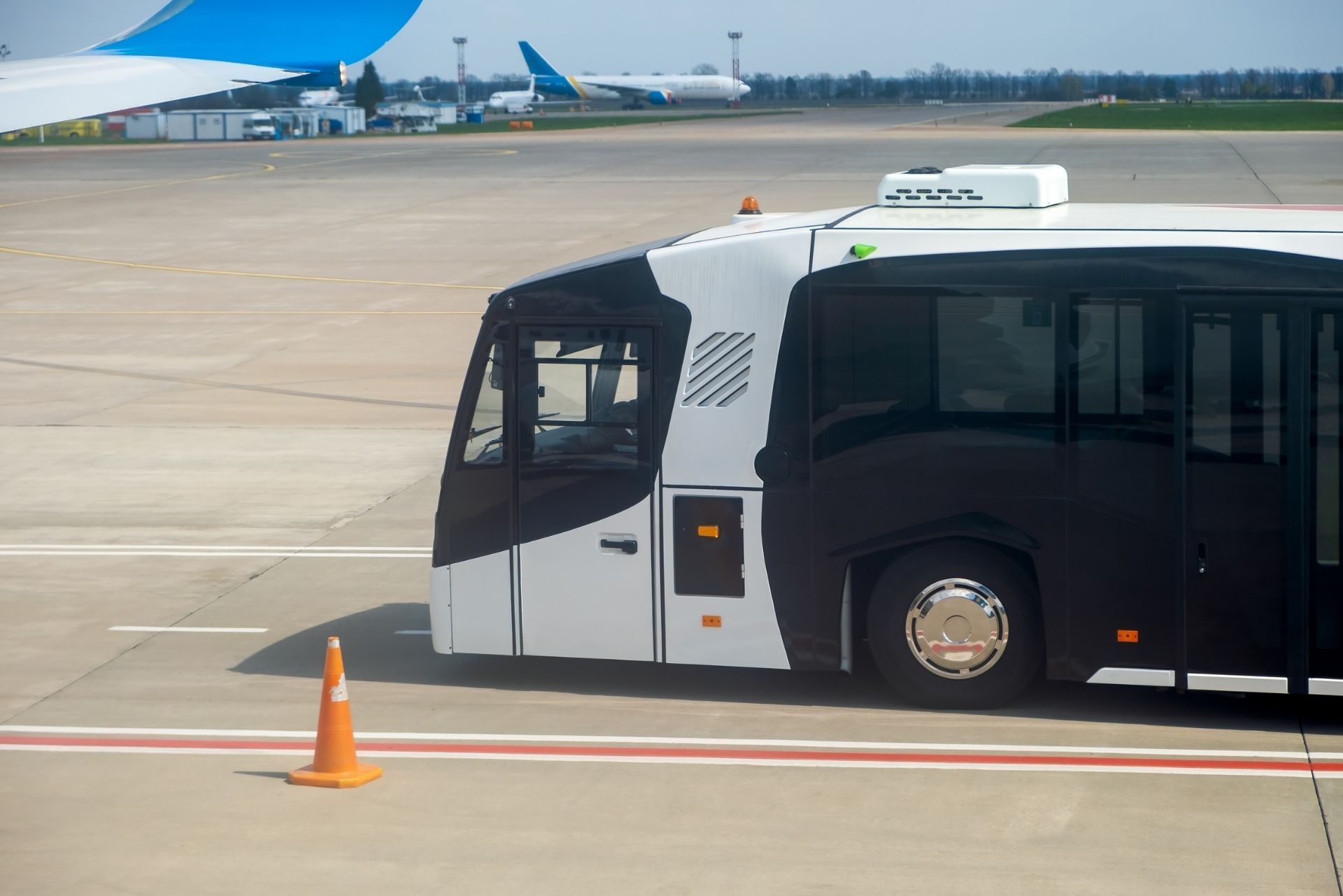
Florida has quickly become a testing ground for autonomous transportation systems, with Orlando at the forefront of these developments. The City of Orlando recently launched a six-month autonomous shuttle pilot program in partnership with local transit agencies and technology companies. Such initiatives are paving the way for innovative transport solutions that promise to reshape urban mobility.
This movement toward autonomous transit comes with a variety of benefits, including reduced congestion and lower carbon emissions. However, as technology reshapes mobility, it also changes the way risks are evaluated. Insurance providers have to consider new scenarios such as system malfunctions or cyber threats that could be linked to software vulnerabilities in autonomous shuttles.
A study in Lake Nona, Orlando, examined the effect of shuttle frequency on traffic conditions. Data from this study indicates that shuttle speeds should be adjusted-at about 5 mph during off-peak hours and 10 mph during peak times-to minimize delays and optimize travel speeds
according to recent research. Shuttle operators and insurers must collaborate closely to assess and mitigate these dynamic risks.
Insurance Coverage Essentials for Shuttle Service Businesses
Shuttle services face a unique set of risks that differ from traditional transportation providers. Given the evolving landscape of autonomous vehicles coupled with ongoing regulatory changes, insurance coverage must be both broad and highly specialized.
Essential components of an effective insurance policy for shuttle services include:
Liability Protection
Liability coverage remains a cornerstone of any insurance policy for shuttle operators. This protection is essential in covering legal expenses and damages in the event of an accident. Florida’s liability-based reforms have helped drive more competitive premiums, benefiting shuttle services as well as individual driver coverage.
Transportation providers that blend human drivers with autonomous features need to assess liability for both mechanical failures and operator error. Insurers typically extend coverage to encompass a range of incidents, from minor property damage to significant bodily injury claims. This dual approach prepares businesses for the unexpected.
Comprehensive and Collision Coverage
Given the essential role that shuttles play in public mobility, comprehensive policies are necessary to cover damages that occur outside of collisions. This can include events like vandalism, theft, and environmental hazards. With recent reforms in the insurance sector contributing to market stability as evidenced by survey data, there is a clear trend toward more reliable claim handling processes.
When considering comprehensive coverage, shuttle service operators should verify that their policies cover technology-specific risks, including malfunctions in autonomous operating systems or unexpected disruptions in the vehicle’s performance. A customized approach to insurance fosters greater business resilience.
Telematics and Fleet Coverage
As more businesses adopt advanced telematics for fleet management, insurance providers are updating their policies to align with these new technologies. Insurance analyst Maria Nelson points out that innovative risk models and comprehensive repair coverage are essential, particularly for emerging technologies that shuttle services rely on according to industry experts.
Telematics-equipped fleets provide a detailed overview of driver behavior, vehicle performance, and route safety. This technology enables insurers to more accurately assess risk and offer competitive rates tailored to the level of safety and efficiency in the operation. By embracing telematics data, shuttle service operators can potentially reduce premiums while enhancing operational safety standards.
Risk Management in the Era of Technological Innovation
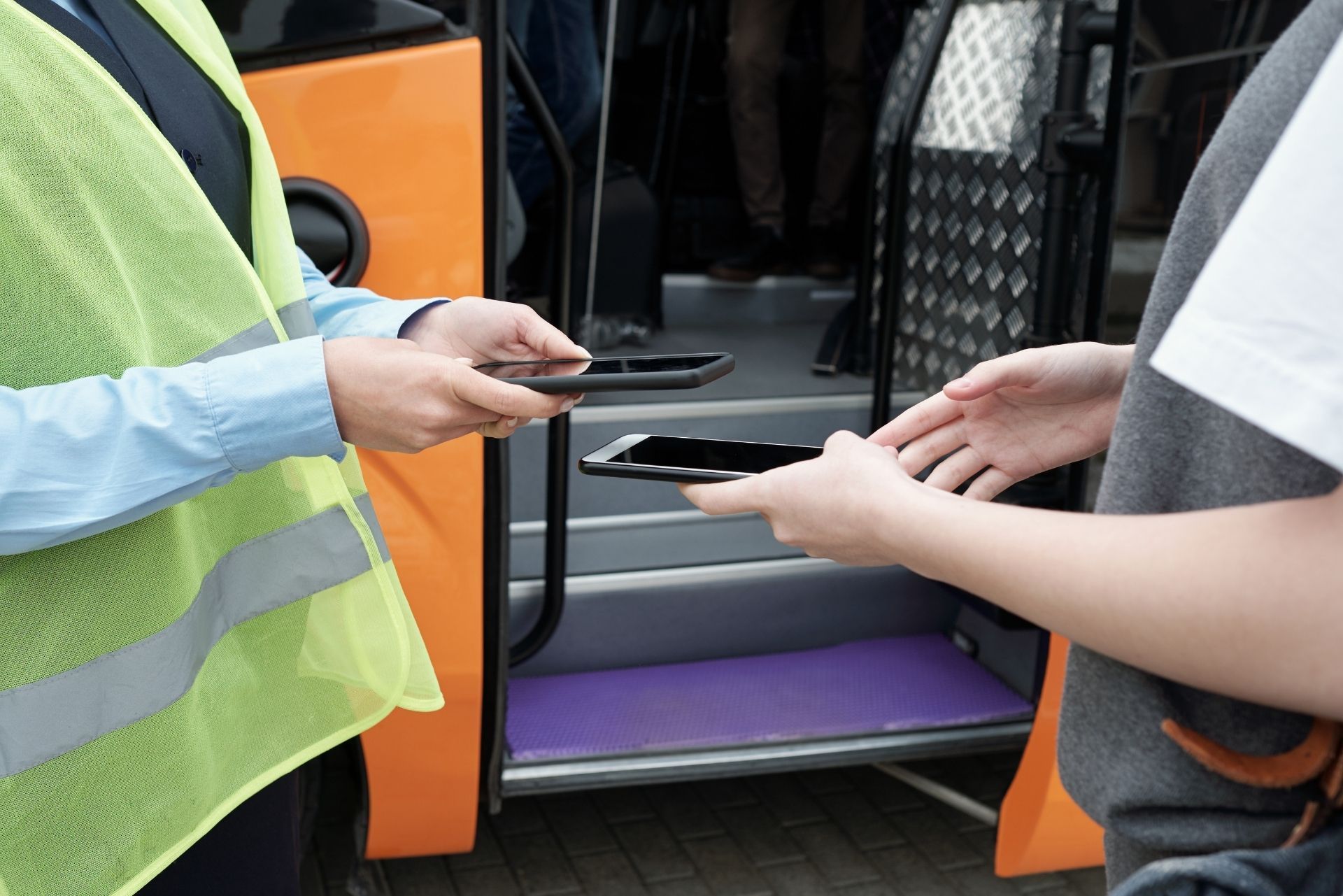
Autonomous shuttle services and advanced telematics have brought about new dimensions of risk-all of which must be properly insured. The collision of traditional risk factors with emerging tech-oriented challenges requires nuanced insurance solutions.
For instance, as the integration of smart sensors and AI navigation systems creates opportunities for greater efficiency, it also opens doors to digital threats. Cybersecurity elements are now emerging as an integral factor in evaluating the risk profiles of shuttle fleets in Florida. Specialized policies that address both physical and cyber risks are becoming the norm.
Risk management strategies must adapt swiftly. Operators should work closely with insurers to ensure that their policy not only covers conventional risks but also anticipates potential technological failures or breaches. This dual-focus dramatically reduces downtime and potential financial exposure when unexpected challenges arise.
Key Considerations for Insurance Providers
Insurance providers are continuously refining their offerings due to legislative changes and advances in transport technology. Multiple factors shape their approach to underwriting policies for shuttle services in Florida.
Understanding Legislative Impact
Recent state legislative reforms have played a crucial role in reforming Florida’s insurance market. Notably, Florida’s top five auto insurers have undertaken initiatives that resulted in an average rate reduction of 6.5% stated by trusted sources. These reforms impact not only personal auto insurance but also commercial policies that shuttle operations rely on.
Policymakers have been working to offer a more balanced environment for both carriers and policyholders. Lower litigation costs and the return of more carriers to the market are tangible benefits. Insurance providers have since evolved to offer products that take into account new attributable risks, setting the stage for robust and comprehensive shuttle service policies.
Adapting to New Risk Factors
In addition to legislative changes, the rapid evolution of technology has introduced novel risk factors that insurance providers must consider. For shuttle services, this means revisiting policy structures to include coverages that protect against both traditional and emerging risks. For instance, as digital transformation becomes more prevalent, insurers are offering cyber liability endorsements tailored for the transportation sector.
Close collaboration between insurance providers and shuttle service operators is essential. This proactive approach helps in identifying potential vulnerabilities in fleet operations, such as software glitches or unpredictable navigational issues that could result from autonomous vehicle malfunctions.
Balancing Innovation and Safety
Insurance providers must strike a fine balance between fostering innovation and ensuring safety. With the burgeoning trend towards electric and autonomous fleets, there is an undeniable need for policies that encourage the adoption of new technologies while maintaining a rigorous safety and risk management framework.
Insurers are increasingly leaning on advanced data analytics and predictive modeling to help manage risks. By leveraging detailed metrics from telematics and autonomous system reports, they can offer tailored policies that not only protect against potential mishaps but also reward high safety standards across the fleet.
Operational and Coverage Challenges for Shuttle Businesses
Shuttle service operators in Florida operate in an environment that continuously evolves. While technological innovations bring efficiency and progress, they can also introduce significant challenges regarding liability, operational consistency, and risk management.
One of the key operational challenges involves managing delays and ensuring consistent travel speeds in environments where shuttle frequency can inadvertently lead to traffic congestion. A comprehensive approach to fleet management involves not only adapting vehicle operations to optimal speeds but also ensuring that insurance policies comprehensively address claims related to delays or route inaccuracies.
Operators also face the perils of integrating conventional safety protocols with innovative transport technologies. This integration requires a careful review of existing policies, a dialogue with insurance providers, and possibly an upgrade of coverage areas or limits to reflect new risks.
Evaluating the Claims Process
Recent surveys show that almost half of Florida homeowners recognize an improvement in the claims process, noting that it has become faster and more efficient according to survey data. Although these surveys predominantly focus on personal auto insurance, the improvements in claims handling offer a promising outlook for shuttle service policies as well.
Shuttle operators are advised to thoroughly examine the specifics of their policies. Paying close attention to claim settlements and dispute resolution procedures can make a significant difference when unexpected incidents occur. A smooth claims process can mitigate downtime and ensure rapid fleet recovery, which is critical in a service-driven industry.
Addressing Cyber and Data Risks
Autonomous shuttle services and integrated telematics systems expose businesses to potential cyber risks. Cyber insurance is becoming an essential add-on, as data breaches or system hacks could compromise operational safety and fleet performance.
Even though such events remain relatively rare, their financial impact can be huge. Insurance providers are now offering policies that integrate cyber protection with standard fleet coverage. This dual cover model helps shuttle operators manage both physical and digital liabilities, ensuring comprehensive risk management across all operational dimensions.
Strategies for Choosing the Right Insurance Policy
Selecting the right insurance policy for a shuttle service business requires a careful and informed approach. The interplay between operating conditions, technological innovations, and evolving legislative reforms makes the insurance choices complex but navigable with the right guidance.
The following strategies can help operators choose a policy that aligns with their specific risk profiles and operational needs.
Consult with Industry Experts
Operators should seek out independent insurance experts who understand the nuances of technology-driven transportation. Experienced advisors can help identify gaps in coverage and suggest endorsements tailored to autonomous vehicles and advanced telematics systems.
Industry experts, including those with firsthand experience in both shuttle services and insurance claims, can provide valuable insights into developing a robust risk management strategy. Their expertise helps bridge the gap between traditional policies and the emerging requirements of modern fleet insurance.
Review and Update Coverage Regularly
Given the rapid pace of technological change, shuttle operators are encouraged to review their insurance policies on a regular basis. An annual review helps identify new risks and assess whether existing coverage limits are still adequate. Updating policies in tandem with the latest legislative reforms ensures compliance and optimal protection.
This proactive approach allows businesses to adjust to evolving risks such as those stemming from increased autonomous operations or integration of new software systems. A flexible policy can be adapted quickly, thereby minimizing potential gaps that could otherwise lead to financial setbacks.
Compare Policy Options
Operators must compare multiple insurance offers to identify the best balance of coverage, risk management, and premium affordability. While some insurers may focus on traditional fleet coverage, others incorporate specialized endorsements that cover cyber risks or emerging technological failures. Using comparison methods, such as side-by-side data charts, can provide clarity in making an informed decision.
Below is an example chart that illustrates key features offered by different policy types:
| Coverage Feature | Basic Fleet Policy | Enhanced Autonomous Coverage |
|---|---|---|
| Liability Protection | Standard limits, covers property damage and injury | Expanded limits with inclusion of software errors and technical malfunctions |
| Comprehensive Coverage | Covers theft, vandalism, and environmental factors | Includes cyber risk endorsements and data breach protection |
| Telematics Integration | Basic monitoring | Advanced risk assessment and performance analytics |
| Claims Efficiency | Standard claims process | Fast-track handling for technology-related claims |
This comparison highlights the value of seeking tailored insurance solutions for shuttle services, emphasizing the need for policies that account for both traditional and tech-driven risks.
Technological Disruptions and Their Insurance Implications
The blend of autonomous technology and traditional transportation in Florida offers significant benefits along with challenges. The rapid development of smart shuttle systems demands that insurance providers keep pace with innovation, which in turn affects how policies are structured and priced for risk.
New research on shuttle operations, particularly a study conducted in Lake Nona, Orlando, underscores the delicate balance between shuttle frequency and traffic delays as detailed in recent research. Tailoring insurance to account for these dynamic conditions requires multi-layered coverage that adapts to fluctuating operational parameters.
Insurance underwriters are increasingly relying on real-time data from smart sensors and telematics devices to assess the performance and safety of shuttle services. This data-driven approach not only enhances safety measures but also offers opportunities for insurers to provide discounts and incentives for high-performing fleets.
Shuttle Service Insurance: Future Prospects and Emerging Trends
While autonomous shuttles and technology-enhanced fleets are relatively new, the future of shuttle service insurance in Florida looks promising. Emerging trends point toward a convergence of traditional risk management with innovative data analytics and digital coverage options.
Several experts have highlighted the positive impact of recent insurance reforms, which signal a recovery in market stability and improved conditions for both policyholders and insurers as shared by former regulators. The inclusion of advanced telematics and cyber risk product endorsements is set to become standard in many policies, ensuring that shuttle service operators have access to comprehensive safeguards.
As Florida continues to attract new carriers and modernize its insurance practices, there will be even greater emphasis on collaborative risk management between insurers and shuttle service operators. This cooperation will drive innovation while ensuring that coverage remains competitive and well-adapted to the evolving transport ecosystem.
Frequently Asked Questions
Below are some common questions that shuttle service operators in Florida might have when considering insurance coverage. These questions shed light on practical issues and help clarify some of the complexities of the insurance market.
Do shuttle service policies differ significantly from traditional auto insurance?
Yes. Shuttle service policies are more specialized and offer coverage tailored to fleet operations, advanced technology integrations, and autonomous vehicle risks.
What role does telematics play in reducing insurance premiums?
Telematics provides real-time data on vehicle performance and driving behaviors, enabling insurers to better assess risk and often provide discounts to operators with strong safety records.
How do legislative reforms affect shuttle service insurance in Florida?
Recent legislative changes have contributed to market stabilization, resulting in more competitive premiums and improved claims handling, which benefits shuttle service policies as well.
Should shuttle operators consider cyber liability as part of their coverage?
Given the increased integration of technology and data-driven systems in shuttle operations, cyber liability is an important consideration to protect against risks like data breaches or system malfunctions.
Is it necessary to regularly review and update insurance policies for my shuttle fleet?
Absolutely. Regular reviews help ensure that coverage remains adequate and responsive to new risks, especially as technological innovations evolve and market conditions change.
What to Remember When Choosing Coverage
Florida’s shuttle service insurance market is at the intersection of technology and tradition. With new legislative reforms, improved market stability, and a clear push toward innovation, customized coverage is essential. Operators must evaluate liability protection, comprehensive coverage options, and telematics-enabled policies to safeguard their fleets effectively.
Shuttle service operators should also keep an eye on emerging trends, such as the integration of cyber insurance and the continuous evolution of autonomous technologies. These factors, combined with regular policy reviews, ensure that businesses remain protected against unforeseen risks.
As the industry evolves, so too will the offerings from insurers. Staying informed, consulting with experienced professionals, and comparing policy options are steps that can help shuttle operators secure robust insurance coverage tailored to their specific needs. This dynamic approach to risk management will remain critical as Florida continues to embrace the future of urban mobility.
Looking Ahead: Future Developments in Shuttle Service Insurance
Florida’s commitment to innovation in transportation is evident through initiatives like autonomous shuttle pilot programs in Orlando. As technology continues to develop at a rapid pace, shuttle service insurance policies must evolve concurrently. Enhancements in data analytics, industry collaboration, and regulatory adjustments are set to drive the next wave of product improvements.
Insurers are likely to roll out more flexible risk models that factor in the nuances of both traditional fleet management and contemporary tech risks. These models will offer shuttle operators a unique opportunity to benefit from robust protection while potentially lowering liabilities tied to rapid technological changes.
Ultimately, the strategic partnership between shuttle services and their insurers will determine the long-term success of both the business and the broader urban mobility landscape. With trends showing increased market competition and innovative coverage adaptations
according to recent surveys, the future appears bright for those prepared to navigate the evolving risk environment.
Final Thoughts on Insurance for Florida Shuttle Services
Insurance for shuttle services in Florida is a complex yet vital component of operating a modern transport business. The interplay of market reforms, technological innovations, and emergent risk management strategies demands a carefully curated approach to securing coverage.
As shuttle operators evaluate their insurance options, understanding the specific requirements of autonomous and hybrid fleets is essential. This means not only selecting policies that reflect the current state of the market but also anticipating changes that may impact coverage in the future.
The landscape is shifting. With legislative reforms underpinning more competitive rates, improvements in claims handling, and a new focus on comprehensive risk assessment, Florida’s shuttle service insurance market is well-positioned for future growth. Businesses that take a proactive approach to insurance will be better equipped to navigate both today’s challenges and tomorrow’s opportunities.
ABOUT THE AUTHOR: PAUL RAMENTOL
I am the Owner and President of Mesa Insurance Agency. I help individuals and business owners across Florida secure personal and business insurance coverage that supports their needs. My focus is on clear guidance, direct communication, and long-term support without call-center delays or confusion.
Contact Us

Personal Coverage Options
Insurance Built for Everyday Protection
Mesa Insurance Agency provides personal insurance coverage designed to support daily life. Our team reviews risks and coverage needs to help clients secure dependable protection at fair rates.
Dental & Vision Insurance
Coverage that helps manage routine dental and vision care costs.

Business Coverage Options
Insurance Built for Business Protection
Mesa Insurance Agency provides business insurance coverage that helps protect operations, employees, and property. We work with multiple carriers to offer coverage options that support daily business activities and long-term stability.
Commercial Auto Insurance
Coverage for business-owned vehicles, drivers, and accident-related liability exposure.
General Liability Insurance
Protection against third-party injury, property damage, and common business liability risks.
Professional Liability Insurance
Coverage for claims related to professional services, advice, or service errors.
Workers’ Compensation Insurance
Coverage that helps support employees with work-related injuries and medical costs.
Commercial Property Insurance
Protection for buildings, equipment, inventory, and physical business assets.
Errors & Omissions Insurance
Coverage for financial losses caused by mistakes, omissions, or service-related claims.
Industries We Serve
Serving Businesses Across Multiple Sectors
Mesa Insurance Agency works with business owners across Florida to provide insurance coverage that supports daily operations. We understand common risks faced by different industries and help clients secure reliable protection.

Construction and Trades Insurance
Coverage for job sites, vehicles, tools, and workplace risks.

Hospitality Businesses Insurance
Insurance for restaurants, bars, and service-based operations.

Retail and
Commercial Properties
Protection for storefronts, inventory, and customer-related liability.
Our Approach
Insurance Made Easy to Understand
Mesa Insurance Agency provides business insurance coverage that helps protect operations, employees, and property. We work with multiple carriers to offer coverage options that support daily business activities and long-term stability.
Insurance FAQs
Helpful Answers for Florida Clients
Support you can rely on.

What makes Mesa Insurance Agency different?
We are an independent agency with access to multiple carriers. This allows us to offer flexible coverage options.
Clients work directly with licensed agents. Service continues beyond the policy start date.
Do you offer coverage for individuals and families?
Yes. We provide personal insurance for individuals and families across Florida.
Coverage includes auto, home, health, life, and flood insurance. Our team explains each option clearly.
Do you work with small and mid-sized businesses?
Yes. We work with businesses of many sizes and industries.
Our team helps identify risks and secure appropriate coverage. Ongoing service is included.
Can I make changes to my policy later?
Yes. Policies can be updated as needs change.
We assist with coverage adjustments, additions, and removals. Clients can contact us directly for help.
Is flood insurance required in Florida?
Flood insurance is not always required, but it is strongly recommended in many areas.
Standard home insurance does not cover flood damage. Our team can review your flood risk and options.
How do I contact your office?
You can contact us by phone, email, or through our website.
Our team responds promptly during business hours. Support is always available when needed.
From the Blog
Insurance Topics That Matter
Clear answers for common questions.







Client Reviews
Trusted by Clients Across Florida
Mesa Insurance Agency is proud to serve individuals and businesses throughout Florida. Clients choose us for clear communication, responsive service, and reliable insurance support. Their feedback reflects our focus on long-term relationships and consistent service.
Contact Us