Food truck businesses in Florida face a unique set of challenges and opportunities, requiring smart insurance solutions to navigate busy hours and unpredictable risks. In fact, a significant portion of food truck operators report their busiest time falls between 5 and 8 PM, which underscores the importance of being fully covered during peak operating hours. This article explores the intricacies of food truck insurance in Florida, addressing risks, coverage needs, and practical advice for operators both new and established. Check out insights from the Food Liability Insurance Program to understand the current landscape.
Food trucks are more than mobile kitchens – they are businesses with assets to protect, revenue to safeguard, and customer safety to ensure. With Florida's dynamic market and fluctuating weather patterns, proper coverage is crucial for seamless operations. Detailed below are various aspects of food truck insurance, from liability claims to auto insurance specifics.
Understanding the Unique Risks of Food Trucks
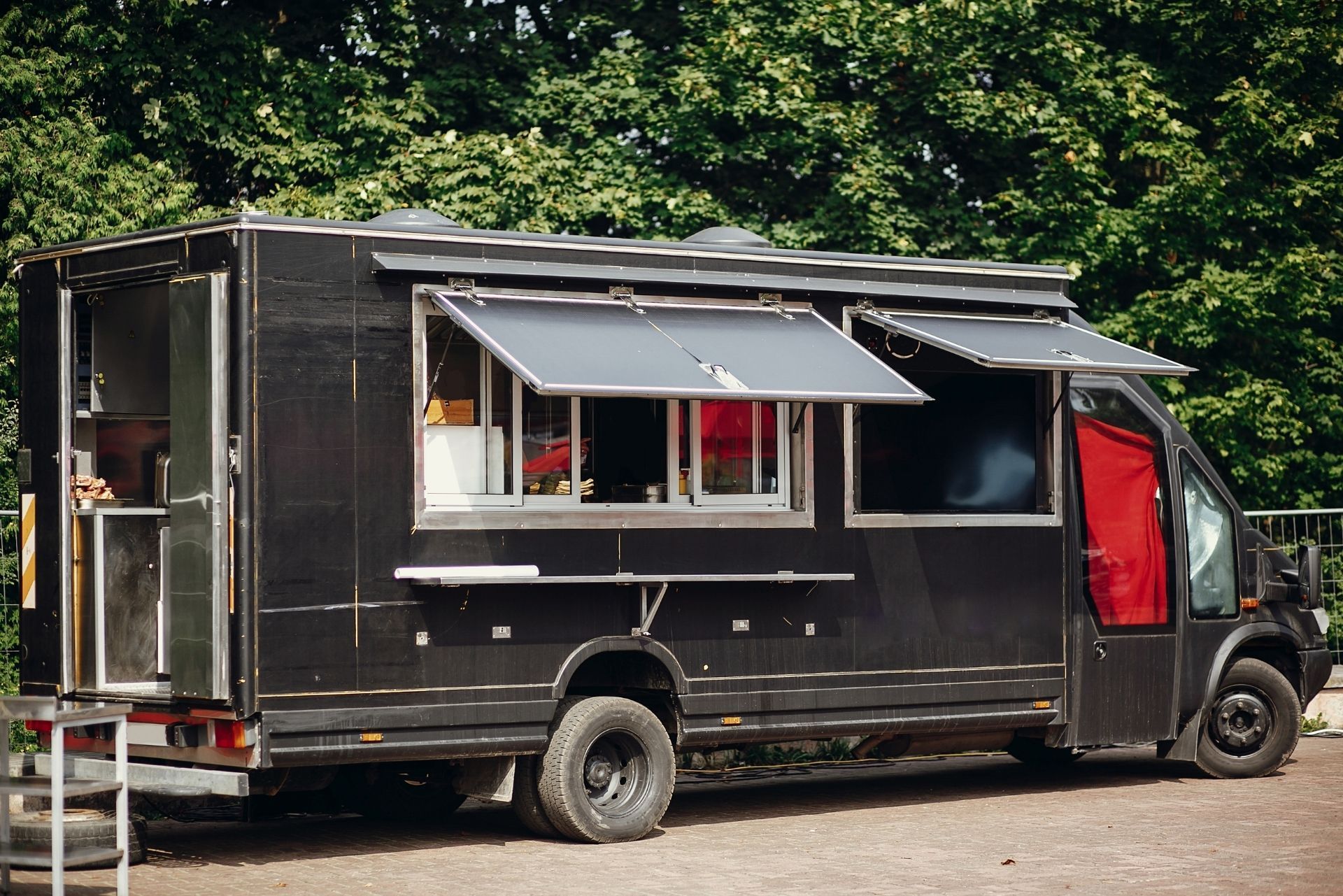
Unlike a typical brick-and-mortar restaurant, food trucks operate in a fluid environment that combines elements of both travel and culinary service. These businesses fall under multiple insurance categories simultaneously, which can complicate coverage decisions for owners. For instance, a food truck serves as both a restaurant and a mobile transport service, making it vulnerable to various types of claims.
Insurance providers note that food trucks face distinct risks that overlap sectors. According to experts from Salmon Insurance Group, one truck might be exposed to general liability due to customer slip-and-fall injuries while also worrying about auto-related risks. This dual exposure necessitates a comprehensive policy that addresses the multifaceted challenges.
To manage these risks efficiently, many operators combine general liability with commercial auto and property damage coverages in a single policy package. Such integration is not only more cost-effective but also simplifies claim processes in case of an incident.

Key Coverage Components for Florida Food Truck Operators
Every food truck owner in Florida should consider a layered approach to insurance. Coverage typically includes commercial auto insurance, general liability, and sometimes specialized add-ons for equipment and event-specific liabilities. Given that 63.6% of food truck operators experience peak customer flow in the evening hours (FLIP), having robust liability protection is essential.
Commercial auto insurance standards provide protection for vehicles operating on the road and cover a wide range of incidents from collisions to theft. The average monthly premium for food trucks, around $170, demonstrates that this level of protection is both vital and accessible (Insureon). Combining auto coverage with general liability can often present a holistic risk management plan for the business.
Additionally, food truck insurance policies commonly include coverage for property damage and equipment breakdowns. These add-ons act as safeguards in the event of an accident leading to costly repairs or replacements. The layered nature of these policies ensures that every aspect of a mobile restaurant's operation is protected, providing peace of mind to both operators and their customers.
Commercial Auto Insurance
Given the mobile nature of food trucks, commercial auto coverage is indispensable. Whether dealing with collision damages or liability for an accident, this coverage is often the cornerstone of a broader insurance portfolio. It not only protects the vehicle but also helps keep the business running even after unexpected disruptions.
This type of insurance is specifically tailored to address unique road hazards and operating conditions that a food truck encounters. From Florida’s busy highways to tight city streets during rush hours, the protection helps mitigate the financial impact of crashes and other auto-related incidents.
General Liability Coverage
General liability insurance is designed to address a wide range of incidents, from customer injuries to property damage. In 2023, Food Liability Insurance Program reported 53 claims from food truck policyholders, with slip-and-fall injuries being the most common (FLIP). This statistic highlights the importance of having adequate liability protection in place.
This coverage is particularly crucial considering the dynamic setup of a food truck, where customers often interact directly with service areas that may not always be optimally arranged. A well-structured general liability policy can cover medical expenses, legal fees, and settlements that may arise from such interactions.
While some food truck operators describe their businesses as moderately profitable-generating steady, albeit stable, income-ensuring coverage against potentially high-cost lawsuits is essential. Incorporating both general liability and commercial auto policies could be the best method to shield these businesses against unforeseen claims or losses.
Special Considerations for Florida Food Truck Operators
Florida's unique climate and regulatory environment add an extra layer of complexity to the insurance needs of food truck operators. With weather-related events and seasonal fluctuations in customer traffic, operators must navigate these challenges with an adaptable insurance strategy.
One area where special attention is needed pertains to liability arising from weather events. Incidents such as high winds or flooding can disrupt operations, damage equipment, or cause accidents. This uncertainty necessitates reviewing policy terms carefully to ensure that weather-related damages are adequately covered.
Florida’s regulatory framework for mobile food businesses also means that operators have to comply with both local and state guidelines. This dual layer of regulation influences policy requirements, pushing players to seek insurance providers who understand the subtleties of operating in this vibrant state.
Weather-Related and Natural Disasters Coverage
Florida, as a coastal state, can experience periods of extreme weather. To mitigate potential financial risks, food truck insurance policies should be reviewed for coverage inclusions that address natural disasters such as hurricanes and heavy rains. Regular policy reviews with a trusted insurance expert can help ensure that all appropriate weather-related risks are contemplated.
An operator's ability to recover quickly after a weather event is crucial to maintaining revenue flow. Insurance coverage tackling these risks might include additional premiums for windstorm or flood policy riders, ensuring minimal interruption to operations during challenging times.
Regulatory Compliance and Licensing
Adhering to Florida’s regulatory requirements is not just a matter of good business practice; it is a prerequisite for insurance coverage. Ensuring that the food truck meets all local licensing, sanitation, and operational guidelines significantly lowers the risk profile, thereby streamlining the claims process if or when crises occur.
Proper licensing and adherence to local regulations also help avoid fines and penalties that can further complicate a claim or damage the reputation of the business. Insurance companies appreciate high standards of compliance, and this could potentially lead to lower premiums over time.
Financial Implications and Profitability
Food truck operations are known for their fluctuating revenue patterns. In Florida, many food truck owners describe their businesses as moderately profitable, achieving a balance between steady income and the potential for growth (FLIP). However, the costs associated with running a food truck, including insurance, maintenance, and permits, add up quickly.
Insurance premiums may appear as an overhead expense at first, but they act as a financial safety net during unexpected incidents. For example, while a monthly premium might be around $170 for commercial auto insurance, the real value is in the protection that helps a business bounce back from a significant setback, such as a costly accident or property damage.
Balancing these costs against the steady revenue realized during peak operating hours is a delicate exercise. Food truck operators need to calculate not only their operating expenses but also the potential financial impact of a claim when deciding on the level of coverage.
Profitability and Cost-Efficiency
The profitability of a food truck business in Florida often depends on effective cost management and smart risk planning. Even moderately profitable operators may find significant relief by investing in the right insurance policies that prevent large financial losses. Combining multiple policy types might lead to bundled discounts, which can be a beneficial aspect for those operating on tight margins.
Operators need to consider that the cost of a single major claim can outweigh several months of premiums. In this way, insurance functions not just as protection but also as an investment in long-term financial stability.
Impact of Insurance on Business Continuity
Insurance is a pivotal component in ensuring business continuity for food truck operators. In scenarios where a claim arises-such as the 53 recorded incidents reported by FLIP in 2023 on slip-and-fall injuries-the presence of comprehensive insurance can mean the difference between a temporary hiccup and a business-derailing catastrophe (FLIP).
Continuity planning is particularly key for food trucks that depend on daily operations and immediate customer engagement. With proper coverage, operators can quickly address incidents without diverting time and resources away from core operations, allowing them to maintain service quality and customer trust even after an incident.
Strategies for Selecting the Right Insurance Provider
Choosing an insurance provider for a food truck in Florida means looking beyond generic policies to find coverage tailored to mobile restaurant operations. A trusted provider will offer specialized policies that address both the moving nature of these businesses and the specific regional challenges faced by operators in the Sunshine State.
Searching for an insurer with proven experience in the food truck niche is essential. It’s important to discuss the business-specific operations with potential insurers to ensure that all unique risks are recognized and appropriately covered. Some providers highlight their expertise in addressing the unique circumstances of mobile businesses, ensuring smooth claims processes and reasonable premiums.
Food truck operators may benefit from engaging with local agents who understand the nuances of operating in Florida and can provide personal service for timely policy adjustments or claims assistance.
Comparing Policy Options
When comparing policy options, it helps to review a side-by-side chart that outlines the key differences between basic coverage and extended coverage packages. Operators should look for sections dealing with auto liability, property damage, and additional riders that cover events and natural disasters.
This clear differentiation can highlight options that best align with operational risks. For instance, a basic policy might not automatically cover certain weather-related incidents typical of Florida’s climate, necessitating an extended package. Understanding these fine details ensures that operators are not caught off guard when a claim arises.
Smart comparisons also involve analyzing deductibles, premium terms, and the insurer’s reputation for claims processing. While this entails a bit of legwork, aligning the policy with specific business needs can mean significant savings and stronger protection over time.
Questions to Ask Your Provider
Before finalizing a policy, consider asking a series of targeted questions. Inquire whether the provider has experience with food trucks specifically, and ask for examples of claims that were handled effectively. Understanding the claims process and response times gives a clear picture of how the provider supports its clients during emergencies.
Additionally, question the flexibility of the policy when it comes to seasonal adjustments or changes in operation. Florida's market can be highly variable, and a static policy may not offer the adaptability necessary in a fluctuating business environment.
Adapting Insurance Coverage to Business Growth
Food truck operations often start small but can experience growth as business opportunity expands. As an operator increases the fleet or diversifies the menu options, the risk profile changes, necessitating a re-evaluation of insurance coverages. For a growing business, scalability in insurance coverage is not just a luxury-it’s a necessity.
Dynamic businesses must consider policy riders that can be easily adjusted. For example, an operator who starts offering services at large events in addition to regular street vending might need additional event liability coverage. Being proactive about upgrading or modifying policies ensures that the business is fully guarded as it scales.
This approach not only maintains optimal protection but can also potentially reduce overall premium costs in the long run. With advanced coverage options, even a moderately profitable operation-consistent with the experiences of around 40% of food truck owners (FLIP)-can manage risks more effectively without exposing capital unnecessarily.
Incremental Policy Adjustments
Adapting insurance policies in response to business growth often requires incremental adjustments. As an operator adds more trucks or diversifies service areas, additional endorsements might be needed to cover extra risks. These amendments can be done in consultation with the insurer and are typically more cost-effective than switching policies entirely.
This dynamic management of policy terms helps to keep the protection aligned with the evolution of the business, ensuring that emerging risks are covered as operations expand.
Consulting with Insurance Experts
Working closely with insurance experts who specialize in food truck businesses can lead to tailored solutions that evolve along with the business. Providers with a deep understanding of the industry can help identify potential gaps and suggest practical coverage adjustments. Their local insight can be particularly valuable given Florida’s distinctive market conditions.
Operators who engage regularly with their insurers often report better outcomes during claims, as enhancements in the policy over time provide clearer, more immediate support when incidents occur.
Integrating Social Media and Customer Engagement into Risk Management
Social media plays a crucial role in driving business for food truck operators. With nearly 87% of operators relying on Facebook to promote their services (FLIP), this platform not only builds brand awareness but also amplifies the need for strong risk management practices. Positive reviews and effective marketing can boost sales; however, they also attract higher foot traffic, which may inadvertently increase liability exposure.
Customer interactions that occur in tandem with social media promotion need to be managed carefully. For instance, a social media post that highlights a popular food truck might lead to a surge in customers. This spikes the chances of accidents and mishaps during the busiest hours, making it imperative that liability coverage is comprehensive enough to handle such eventualities.
By using social media to engage with customers and receive real-time feedback, operators can quickly identify and resolve on-site risks, while simultaneously using insights from customer behavior to inform future insurance coverage adjustments.
Leveraging Data for Risk Management
Data from customer interactions and operational metrics can offer valuable insights for refining risk management strategies. Operators can monitor busy time slots, adjust staffing, or even modify layouts of the food truck to reduce risks. For example, knowing that 63.6% of business occurs during peak evening hours may lead to operational changes that improve safety and customer experience.
In this way, data becomes a practical tool to predict and prepare for potential incidents. Integrating such metrics with insurance planning can create a proactive stance, ensuring coverage remains aligned with real-world operating conditions.
Overcoming Common Misconceptions About Food Truck Insurance
Misunderstandings about food truck insurance can lead some operators to underestimate the level of protection they need. For example, some may believe that a standard personal auto policy is enough for their mobile operations. Yet, this misconception can prove costly because personal auto policies typically do not supplement the unique risks of a food truck.
Another common myth is that only high-value trucks require detailed coverage. Given the dynamic nature of the business, even a small food truck can face significant liabilities if an accident occurs. Establishing the correct layer of protection from the start can help avoid costly gaps later on.
Addressing these misconceptions requires educational outreach and transparent dialogue between operators and insurance experts. Providers who specialize in food trucks are in the best position to dispel these myths and guide operators toward balanced and comprehensive coverage options.
Clarifying What is Covered
Understanding the fine print of a policy is essential. Many policies include multiple layers of coverage that work together, yet the terminology can be confusing. Detailed discussions with providers can clarify what is covered under commercial auto, what is included in general liability, and whether property and equipment damages are addressed in the standard policy or require riders.
This clarity not only prevents surprises but also helps operators make informed decisions about additional coverage options that may optimize financial protection.
Debunking the Cost Misconception
Another widespread myth is that comprehensive coverage is prohibitively expensive. While the monthly premium for auto insurance may hover around $170 (Insureon), the broad protection it provides far outweighs the cost. A single major claim could cost thousands, if not more, making the insurance expense a small price to pay for peace of mind.
Practical comparisons often show that a well-structured policy is an investment in the business’s stability and future profitability. Ultimately, the cost of coverage transforms into savings when it prevents a catastrophic loss that could otherwise disrupt operations and jeopardize financial security.
Food truck owners in Florida must integrate their insurance strategy into their day-to-day operations from planning to execution. This integration ensures that every business decision considers the broader context of risk management. Whether planning for busy evening shifts or scheduling maintenance, having predetermined protocols in line with insurance requirements is crucial.
Daily operational decisions can often have insurance implications. For example, relocating the food truck to a high-traffic area without proper permits or safety measures might increase the likelihood of accidents. These risks are not just operational; they directly affect insurance claims and premium structures.
Establishing standard protocols and regular meetings with your insurance advisor to update the policy based on changes in business operations can go a long way in preventing future claims and ensuring a rapid response in the event of an incident.
Implementing Safety Best Practices
Embedding safety into the core operations helps reduce the risk of claims. Regular safety checks-whether for the vehicle itself or the on-site cooking equipment-can lower the risk of incident reports. Operators can develop a checklist that covers everything from vehicle inspections to hygiene practices.
Simple measures, such as training staff to manage high customer volumes during peak times, can reduce liability exposures. This proactive approach not only reduces premiums over time but also secures a safer working environment, ultimately benefiting both the business and its patrons.
Using Technology to Monitor Operations
Modern technology can support the integration of insurance with daily operations. Tools that track fleet performance, customer traffic, or weather conditions can be invaluable in maintaining a smooth operation. With real-time data, operators can make meaningful adjustments to reduce risk, knowing they are already equipped with insurance to handle unexpected events.
This proactive mindset ensures that, even amidst Florida’s unpredictable weather and dynamic customer flow, a food truck business remains protected, both operationally and financially.
Frequently Asked Questions
Q: Do food truck operators need special insurance compared to traditional restaurants?
A: Yes. Food trucks face unique risks combining auto and general liability exposures. This makes standard restaurant policies insufficient, so specialized mobile coverage is recommended.
Q: How much does commercial auto insurance typically cost for a food truck?
A: The average monthly premium for commercial auto insurance is around $170, providing protection for both the vehicle and the business operations (Insureon).
Q: Are weather-related incidents covered under food truck insurance policies?
A: Coverage for weather-related incidents varies by policy. Operators should review their policies carefully to ensure events such as hurricanes and heavy rains are adequately covered.
Q: Can food truck insurance be adjusted as the business grows?
A: Yes. Many providers offer flexible policy options that adjust as a business expands, allowing for incremental changes and additional riders when necessary (FLIP).
Q: How do I know if I have enough general liability coverage?
A: Evaluating factors like customer traffic, peak operating hours, and operational risks can help determine the appropriate level of coverage. Consulting with a specialized insurer can provide tailored guidance.
Q: Is it necessary to consult an insurance expert for food truck coverage?
A: Absolutely. An insurance expert can help navigate the complexities of food truck coverage, ensuring that all unique risks are addressed in your policy.
Final Thoughts on Protecting Your Florida Food Truck Business
Operating a food truck in Florida means embracing the challenges of mobility while managing the unpredictable nature of everyday operations. With key insights derived from various statistics and expert observations, it is crucial for operators to integrate comprehensive insurance solutions that safeguard all aspects of the business.
This careful integration of protective coverages not only minimizes financial exposure but also supports long-term business growth. By understanding the unique risks-from commercial auto to general liability-and adapting coverage as the operation evolves, food truck owners can navigate busy evenings and unexpected incidents with confidence. Check out additional expert advice on the unique challenges of food truck insurance from Salmon Insurance Group for further insights.
As the food truck industry continues to expand and evolve, ensuring that every facet of risk is managed effectively becomes more than just a regulatory requirement-it becomes a cornerstone of operational success. A well-structured insurance plan is not just protection against the unexpected; it is a strategic component that fuels the durability and resilience of a thriving food truck business in Florida.
ABOUT THE AUTHOR: PAUL RAMENTOL
I am the Owner and President of Mesa Insurance Agency. I help individuals and business owners across Florida secure personal and business insurance coverage that supports their needs. My focus is on clear guidance, direct communication, and long-term support without call-center delays or confusion.
Contact Us

Personal Coverage Options
Insurance Built for Everyday Protection
Mesa Insurance Agency provides personal insurance coverage designed to support daily life. Our team reviews risks and coverage needs to help clients secure dependable protection at fair rates.
Dental & Vision Insurance
Coverage that helps manage routine dental and vision care costs.

Business Coverage Options
Insurance Built for Business Protection
Mesa Insurance Agency provides business insurance coverage that helps protect operations, employees, and property. We work with multiple carriers to offer coverage options that support daily business activities and long-term stability.
Commercial Auto Insurance
Coverage for business-owned vehicles, drivers, and accident-related liability exposure.
General Liability Insurance
Protection against third-party injury, property damage, and common business liability risks.
Professional Liability Insurance
Coverage for claims related to professional services, advice, or service errors.
Workers’ Compensation Insurance
Coverage that helps support employees with work-related injuries and medical costs.
Commercial Property Insurance
Protection for buildings, equipment, inventory, and physical business assets.
Errors & Omissions Insurance
Coverage for financial losses caused by mistakes, omissions, or service-related claims.
Industries We Serve
Serving Businesses Across Multiple Sectors
Mesa Insurance Agency works with business owners across Florida to provide insurance coverage that supports daily operations. We understand common risks faced by different industries and help clients secure reliable protection.

Construction and Trades Insurance
Coverage for job sites, vehicles, tools, and workplace risks.

Hospitality Businesses Insurance
Insurance for restaurants, bars, and service-based operations.

Retail and
Commercial Properties
Protection for storefronts, inventory, and customer-related liability.
Our Approach
Insurance Made Easy to Understand
Mesa Insurance Agency provides business insurance coverage that helps protect operations, employees, and property. We work with multiple carriers to offer coverage options that support daily business activities and long-term stability.
Insurance FAQs
Helpful Answers for Florida Clients
Support you can rely on.

What makes Mesa Insurance Agency different?
We are an independent agency with access to multiple carriers. This allows us to offer flexible coverage options.
Clients work directly with licensed agents. Service continues beyond the policy start date.
Do you offer coverage for individuals and families?
Yes. We provide personal insurance for individuals and families across Florida.
Coverage includes auto, home, health, life, and flood insurance. Our team explains each option clearly.
Do you work with small and mid-sized businesses?
Yes. We work with businesses of many sizes and industries.
Our team helps identify risks and secure appropriate coverage. Ongoing service is included.
Can I make changes to my policy later?
Yes. Policies can be updated as needs change.
We assist with coverage adjustments, additions, and removals. Clients can contact us directly for help.
Is flood insurance required in Florida?
Flood insurance is not always required, but it is strongly recommended in many areas.
Standard home insurance does not cover flood damage. Our team can review your flood risk and options.
How do I contact your office?
You can contact us by phone, email, or through our website.
Our team responds promptly during business hours. Support is always available when needed.
From the Blog
Insurance Topics That Matter
Clear answers for common questions.







Client Reviews
Trusted by Clients Across Florida
Mesa Insurance Agency is proud to serve individuals and businesses throughout Florida. Clients choose us for clear communication, responsive service, and reliable insurance support. Their feedback reflects our focus on long-term relationships and consistent service.
Contact Us