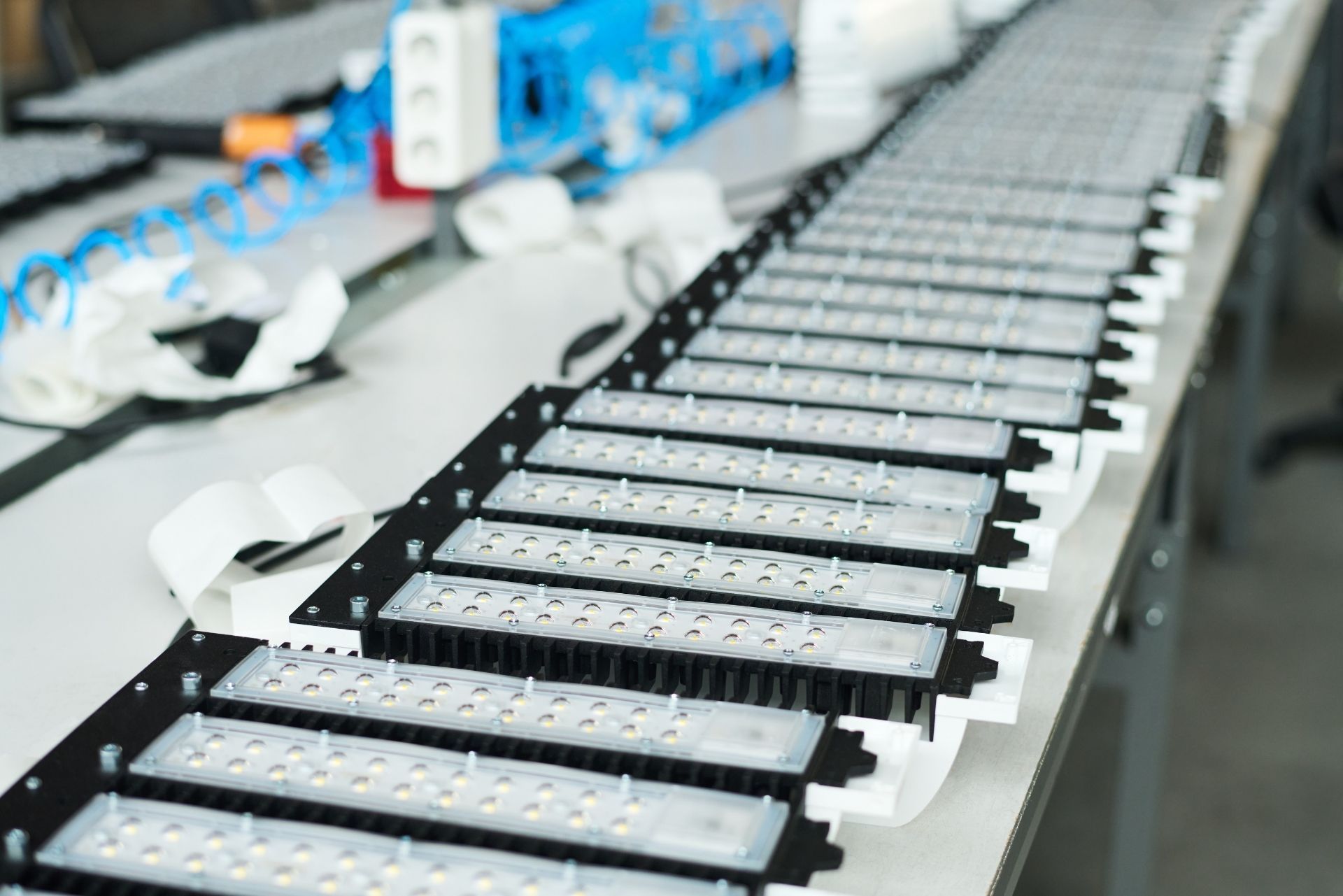
One misstep in a manufacturing facility can lead to far-reaching financial consequences, making comprehensive insurance coverage a cornerstone of sound business practice. Light manufacturing facilities in Florida, which form an essential part of the state’s diversified economy, face risks ranging from property damage to business interruption. For companies committed to maintaining uninterrupted operations and safeguarding their investments, understanding tailored insurance solutions is critical. Electric lighting equipment manufacturing statistics provide one example of the detailed data driving industry-specific strategies.
With the manufacturing GDP in Florida experiencing significant growth and robust employment numbers, having the right coverage is not only a financial safeguard but also a competitive advantage. As these facilities scale operations across counties such as Broward and beyond, customized policies that address both common and industry-specific hazards become indispensable.
Exploring the nuances of Florida light manufacturing insurance can reveal how policies are designed to mitigate risks and ensure business continuity even when unexpected disruptions occur.
Understanding Florida’s Light Manufacturing Landscape
Florida’s manufacturing sector has experienced impressive growth over the past decade. From a manufacturing GDP of $43.5 billion in 2014 to nearly $80.7 billion in 2024, the state’s commitment to industry excellence is unmistakable (SelectFlorida). Light manufacturing facilities, in particular, play a crucial role in this dynamic ecosystem by producing consumer goods, specialized components, and a wide range of products that power daily life.
The growth in manufacturing is mirrored in employment numbers. With over 426,000 workers employed in manufacturing according to recent estimates (Florida Chamber of Commerce), it is evident that every segment of manufacturing, including light manufacturing, is a major employer. For small facilities with limited staff, having a robust insurance policy is crucial to protect not only the assets but also the well-being of employees who are integral to these operations.
The decentralized nature of these facilities also means that while 80% of Florida manufacturers have 20 or fewer employees, vulnerabilities vary widely. Whether it’s safeguarding equipment or covering potential liability exposures, policies must be flexible and tailored to meet these unique needs.

Key Risks for Light Manufacturing Facilities
Light manufacturing facilities operate with leaner teams and often on tighter margins compared to their heavier manufacturing counterparts. However, the risks they face are by no means insignificant. Consider the potential of an electrical malfunction or a machinery breakdown; such disruptions can halt production, damage machinery, and even result in workplace injuries.
One notable challenge is property damage resulting from equipment or material mishaps. In an industry where precision is paramount, even a small error can lead to costly damage. For every 100 direct manufacturing jobs in durable goods, an additional 744.1 indirect jobs are sustained in Florida (FloridaMakes), highlighting the ripple effect of an incident not only on the facility but also on the wider community.
Other risks include supply chain disruptions, cyber-attacks on manufacturing systems, and liabilities arising from employee injuries on the job. The complexity of modern manufacturing means that insurers must have a nuanced understanding of how to support businesses through multifaceted claims. Adequate coverage ensures that companies can resume operations without the burden of crippling financial losses.
Tailored Coverage Options for Light Manufacturing Facilities
Insurance for light manufacturing is not a one-size-fits-all solution. Coverage policies are typically designed to address the unique challenges these facilities face. Business owners should look for policies that not only protect against property loss but also provide coverage for business interruption, liability claims, and employee-related risks.
Property coverage is one of the cornerstones. It typically protects the physical assets-equipment, machinery, warehouses, and even inventory-from damage due to natural disasters or operational mishaps. With Florida facing a diverse set of environmental challenges, from hurricanes to flooding, property coverage is a must-have feature in any comprehensive policy.
General liability coverage is equally important. Even a minor slip or accident involving a visitor or employee can escalate into a costly legal battle. Given that over 27,000 manufacturing establishments are active in Florida (SelectFlorida), the potential for such incidents underscores the need for robust liability protection. Tailored policies can help cushion the financial impact and streamline legal processes when incidents occur.
Business Interruption and Revenue Protection
When a disaster strikes, maintaining cash flow becomes the lifeline for operations. Business interruption insurance is designed to cover lost income and expenses after a specific incident disrupts the normal operations of a facility. This coverage is designed to act as a safeguard, enabling facilities to surge back without facing financial ruin.
Recent data shows that Florida’s manufacturing output has seen nearly 68% growth from 2014 to 2022 (Business Observer FL). For these rapidly growing facilities, an interruption can have a magnified impact on revenue and growth trajectories. Timely claims can bridge the gap created by a production halt, ensuring ongoing investments in operational resilience.
Besides direct revenue loss, business interruption coverage can also address fixed operating expenses that continue regardless of production levels, such as lease payments and utility bills. This comprehensive approach sustains businesses in the interim period while repairs and recalibrations are completed.
Employee Protection and Liability Concerns
With manufacturing facilities employing a significant portion of the state’s workforce, worker safety and employee benefits are at the forefront of concerns. The average annual wage for Florida manufacturing workers was reported at $74,647 in 2022 (FloridaMakes), reflecting not just the skill but also the exposure of employees to various risks.
Workers’ compensation insurance comes into play as a critical component of any manufacturing insurance package. It protects both the employee and the employer by ensuring that injuries on the job do not lead to prolonged financial strain due to medical bills or lost wages. These policies provide much-needed security for small facilities that might struggle with the financial fallout of a serious accident.
Additionally, liability concerns extend to third parties. Public liability coverages protect businesses against claims arising from injuries or accidents that occur on site. This is particularly important in facilities where visitors, clients, or vendors frequently interact with operational spaces. Addressing these concerns head-on through comprehensive policies fosters an environment of trust and reliability among customers and partners.
Risk Management Strategies and Preventative Measures
Risk management goes beyond the purchase of insurance. Light manufacturing facilities in Florida are increasingly investing in preventative measures to mitigate risks. This includes upgrading equipment, implementing rigorous safety training programs, and employing modern technologies that monitor operational risks in real time.
Regular safety audits and compliance checks can serve as effective instruments in identifying potential hazards before they become serious issues. As the state’s manufacturing sector evolves, embracing a proactive risk management culture not only helps in avoiding incidents but also in securing better terms with insurers. Companies that demonstrate a strong commitment to safety often benefit from reduced premium costs and more favorable policy terms.
Collaboration between insurers and manufacturers is on the rise, with tailored risk assessments and consultation services providing businesses with clear roadmaps to enhance safety. Detailed risk reports, often required by lenders or investors, rely on both historical data and real-time monitoring, striking a balance between effective insurance coverage and operational resilience.
Comparative Overview of Coverage Options
Below is a side-by-side comparison of common coverage options available for light manufacturing facilities in Florida. This chart provides an at-a-glance view of key policy features, helping decision-makers understand which coverage elements are most critical for their operations.
| Coverage Type | Key Features | Benefits |
|---|---|---|
| Property Damage | Covers equipment, inventory, buildings, and machinery; natural disaster protection | Ensures operational assets are restored quickly after damage |
| Business InterruptionInsurance | Covers lost income and fixed operating expenses during downtime | Maintains cash flow and operational viability during recovery |
| General Liability | Covers third-party bodily injury and property damage claims | Protects against costly legal claims and settlements |
| Workers’ Compensation | Covers employer liability for employee injuries or occupational illnesses | Supports employee recovery and mitigates wage loss during disability periods |
| Cyber Liability | Covers data breaches and cyber-attacks affecting operational systems | Provides recovery resources for frequent digital threats in modern manufacturing |
This comparative overview underscores the importance of selecting coverage that aligns with both the operational needs and risk profile of a light manufacturing facility. Insurers are increasingly offering customizable packages that allow facilities to pay only for the protections they truly need.
How Insurance Supports Operational Resilience
Operational resilience is a term that encapsulates a company’s ability to adapt, respond, and recover from unexpected disruptions. For light manufacturing facilities in Florida, comprehensive insurance coverage plays a critical role in this process. It acts as a financial safety net, allowing operations to continue with minimal disruption.
The manufacturing sector’s significant contribution to state GDP and workforce-employing roughly 4.4% of the state's workforce (Florida Chamber of Commerce)-illustrates why a resilient, well-insured operation is essential. When an incident occurs, swift access to funds through insurance claims can keep production lines active and morale high among employees.
Resilient policies are designed with an eye on reducing operational downtime and addressing both short- and long-term financial exposures. This dual focus ensures that even in the wake of a major disruption, the economic impact on the facility is mitigated while supporting ongoing recovery efforts.
Financial Benefits of Customized Insurance Solutions
Pursuing a tailored insurance strategy is not just about risk coverage-it is also a sound financial decision. Florida’s manufacturing GDP has nearly doubled over the past decade (SelectFlorida), and light manufacturing is a driving force behind many of these gains. Insured facilities can secure investments, negotiate better financing options, and reduce the overall cost of capital by demonstrating strong risk management practices.
Competitive pricing on policies, particularly for small businesses that comprise a significant portion of the manufacturing sector, can provide much-needed cost savings. With 80% of Florida manufacturers employing 20 or fewer employees, ensuring that these small operations receive robust yet affordable coverage can be a game-changer. Customized policies mean that companies pay for precisely what they need-the right coverage for potential risks-without incurring unnecessary expenses.
Moreover, having a comprehensive insurance policy in place enhances a facility’s eligibility for various grants, loans, and incentives that require evidence of risk mitigation measures. Insurers and financial institutions alike view well-protected operations as lower risk, which can translate into more favorable terms and opportunities for growth.
Embracing Technology and Modern Trends
In recent years, Florida’s light manufacturing facilities have increasingly adopted technology to boost efficiency and reduce risk. Sensors, automation, and IoT (Internet of Things) devices are transforming how operations are managed, from monitoring equipment performance to predicting maintenance needs. These innovations not only contribute to improved operational efficiency but also play a role in lowering insurance premiums by demonstrating a commitment to reducing risk.
Insurers have taken notice, with many offering policy discounts for facilities that incorporate modern safety and operational technologies. Such policies reward proactive investments in digital and operational safety measures, a move that benefits both the insurer and the insured. In scenarios where production halts or equipment failures occur, technology-enabled diagnostics can speed up the claims process, reducing downtime substantially.
Adopting modern trends in manufacturing presents an opportunity for facilities to position themselves as both innovators and safe, reliable operators. This dual advantage not only attracts customers and employees but also reassures insurers about the long-term viability of the business.
Insurance is a critical element of a broader risk management strategy, but it is most effective when integrated with other preventative measures. Light manufacturing facilities should combine insurance with a variety of strategies, including regular equipment maintenance, employee training sessions, updated safety protocols, and crisis management planning.
Many successful facilities collaborate with risk management consultants and insurance specialists to create bespoke safety frameworks. This integrated approach helps ensure that every potential hazard is examined from multiple perspectives and that the facility is prepared not only to manage incidents but also to prevent them.
A holistic risk management plan reflects well on insurers and can result in more competitive policy terms. When both the insured and insurer work together toward a common objective-minimizing risks-the end result is a safer environment, lower premiums, and a more secure financial outlook. Such collaboration is increasingly becoming the norm in light manufacturing, where both small operators and larger facilities benefit from shared insights.
Frequently Asked Questions about Florida Light Manufacturing Insurance
This section addresses some common questions that facility operators may have about insurance coverage and risk management. These answers aim to offer clear insights and actionable advice.
What types of insurance policies are essential for light manufacturing facilities?
Essential policies typically include property damage, business interruption, general liability, and workers’ compensation insurance. Additional coverages such as cyber liability may also be beneficial depending on your operational complexity.
How does business interruption insurance work in the manufacturing context?
Business interruption insurance compensates for lost income and covers fixed expenses incurred during an unexpected shutdown. This coverage helps facilities resume operations quickly after a disruption.
Why is tailored insurance important for small-scale manufacturing operations?
Small-scale facilities often have unique risk profiles with limited staffing and capital. Tailored insurance ensures they pay only for the essential coverages they need, thereby optimizing protection while managing costs.
Can modern technology influence insurance premiums?
Yes, adopting technology such as IoT sensors and automation can demonstrate proactive risk management to insurers, which may result in premium discounts or more favorable policy terms.
How do insurers determine the coverage needs for a manufacturing facility?
Insurers assess the facility’s risk factors, historical claims data, safety practices, and the complexity of operations. Tailored assessments help ensure that the chosen coverage aligns with the facility’s specific needs.
What should facilities do to enhance their risk management beyond insurance?
Facilities should invest in regular maintenance, employee training, and updated safety protocols. Integrating these measures with comprehensive insurance creates a robust risk management program that mitigates vulnerabilities effectively.
Steps to Choosing the Right Insurance Partner
Selecting a reliable insurance partner means finding an adviser who understands your operational specifics and can craft tailored solutions. Researching providers who specialize in light manufacturing insurance enhances the likelihood of securing a policy that aligns with your facility’s risk profile and financial constraints.
Insurers with deep industry expertise will conduct detailed assessments of your facility, taking into account factors like production processes, location-specific environmental risks, and overall operational efficiency. Buyers should inquire about risk consultancy services and ask for references or case studies that reflect similar manufacturing scenarios.
Choosing an insurance partner who recognizes the importance of both proactive risk management and timely claims service is essential. It is beneficial to review policy details with a fine-tooth comb and discuss potential add-ons that may suit your growing needs. Businesses that embrace informed decision-making pave the way for long-term operational stability.
Future Trends in Light Manufacturing Insurance
As Florida continues its robust growth in the manufacturing sector, light manufacturing insurance is evolving in tandem. The rise of advanced manufacturing techniques, smarter automation, and real-time monitoring is reshaping how insurers assess risk and structure coverage.
Emerging trends include the integration of predictive analytics to forecast potential equipment failures and the use of telematics in monitoring employee safety. These technological advancements are gradually transforming traditional insurance models, enabling more accurate premium calculations and faster, more efficient claims processing.
Additionally, the growing intersection between sustainability and manufacturing means that insurers are beginning to consider environmental liabilities and energy efficiency measures as part of risk assessments. Such innovations reflect the seamless blending of operational practice with insurance risk management, positioning well-insured facilities at the forefront of industry resilience.
Wrapping Things Up
Florida’s light manufacturing facilities operate in an environment marked by robust economic growth and evolving operational challenges. Comprehensive insurance coverage tailored to these unique needs not only protects against financial pitfalls but also supports ongoing investments in safety and efficiency.
By understanding the distinct risks, selecting the right coverage options, and integrating technology with proactive risk management, facilities can secure a competitive edge in a demanding market. The right insurance partner becomes a trusted adviser, helping to navigate the complexities of risk while paving the way for future success.
Ensuring that every asset, employee, and operation is safeguarded means that even if unforeseen events occur, the facility remains resilient and ready to bounce back-sustaining the momentum of Florida’s dynamic manufacturing landscape. Manufacturing trends in Florida continue to drive innovations, and staying protected is the first step toward harnessing that growth without compromise.
ABOUT THE AUTHOR: PAUL RAMENTOL
I am the Owner and President of Mesa Insurance Agency. I help individuals and business owners across Florida secure personal and business insurance coverage that supports their needs. My focus is on clear guidance, direct communication, and long-term support without call-center delays or confusion.
Contact Us

Personal Coverage Options
Insurance Built for Everyday Protection
Mesa Insurance Agency provides personal insurance coverage designed to support daily life. Our team reviews risks and coverage needs to help clients secure dependable protection at fair rates.
Dental & Vision Insurance
Coverage that helps manage routine dental and vision care costs.

Business Coverage Options
Insurance Built for Business Protection
Mesa Insurance Agency provides business insurance coverage that helps protect operations, employees, and property. We work with multiple carriers to offer coverage options that support daily business activities and long-term stability.
Commercial Auto Insurance
Coverage for business-owned vehicles, drivers, and accident-related liability exposure.
General Liability Insurance
Protection against third-party injury, property damage, and common business liability risks.
Professional Liability Insurance
Coverage for claims related to professional services, advice, or service errors.
Workers’ Compensation Insurance
Coverage that helps support employees with work-related injuries and medical costs.
Commercial Property Insurance
Protection for buildings, equipment, inventory, and physical business assets.
Errors & Omissions Insurance
Coverage for financial losses caused by mistakes, omissions, or service-related claims.
Industries We Serve
Serving Businesses Across Multiple Sectors
Mesa Insurance Agency works with business owners across Florida to provide insurance coverage that supports daily operations. We understand common risks faced by different industries and help clients secure reliable protection.
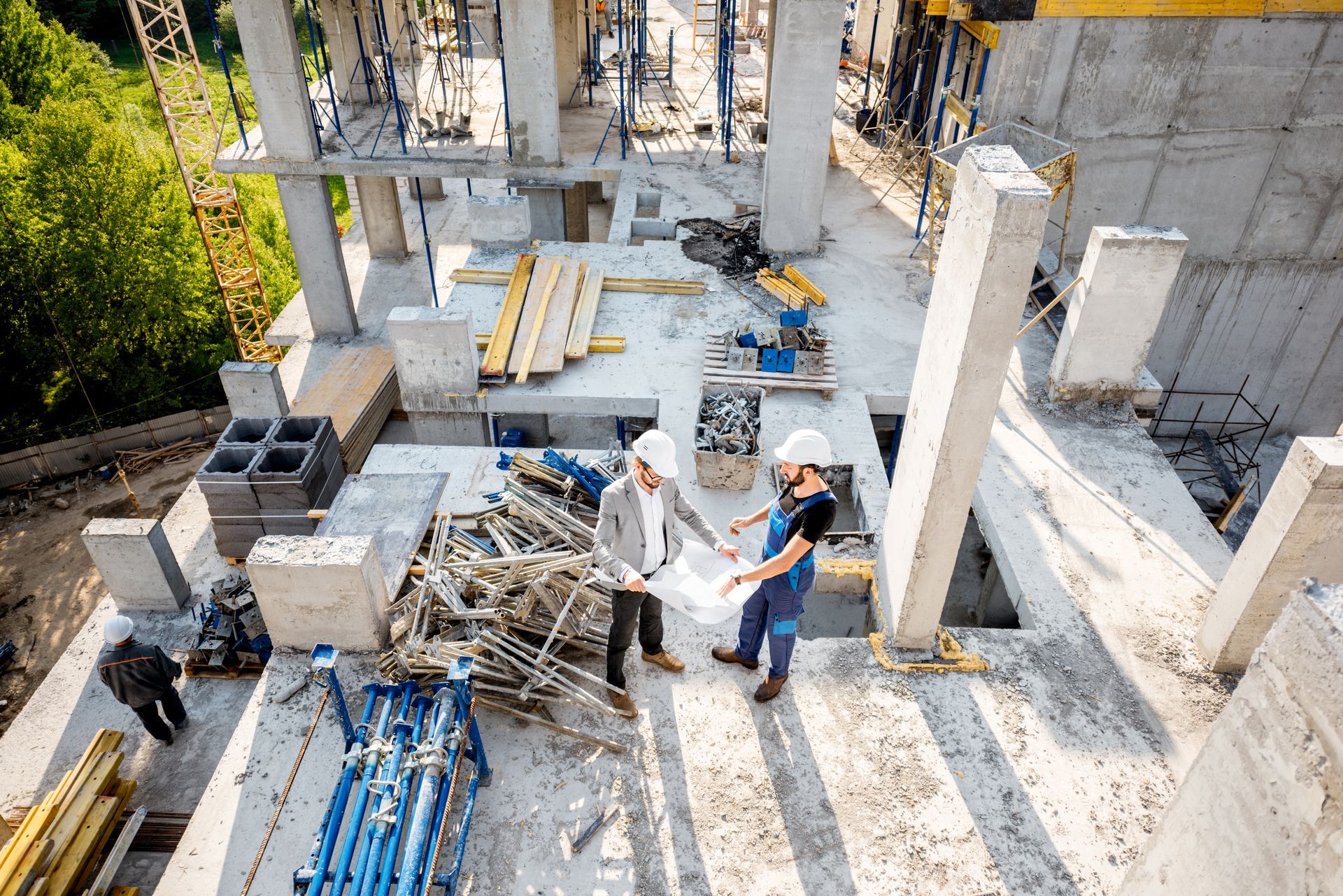
Construction and Trades Insurance
Coverage for job sites, vehicles, tools, and workplace risks.

Hospitality Businesses Insurance
Insurance for restaurants, bars, and service-based operations.
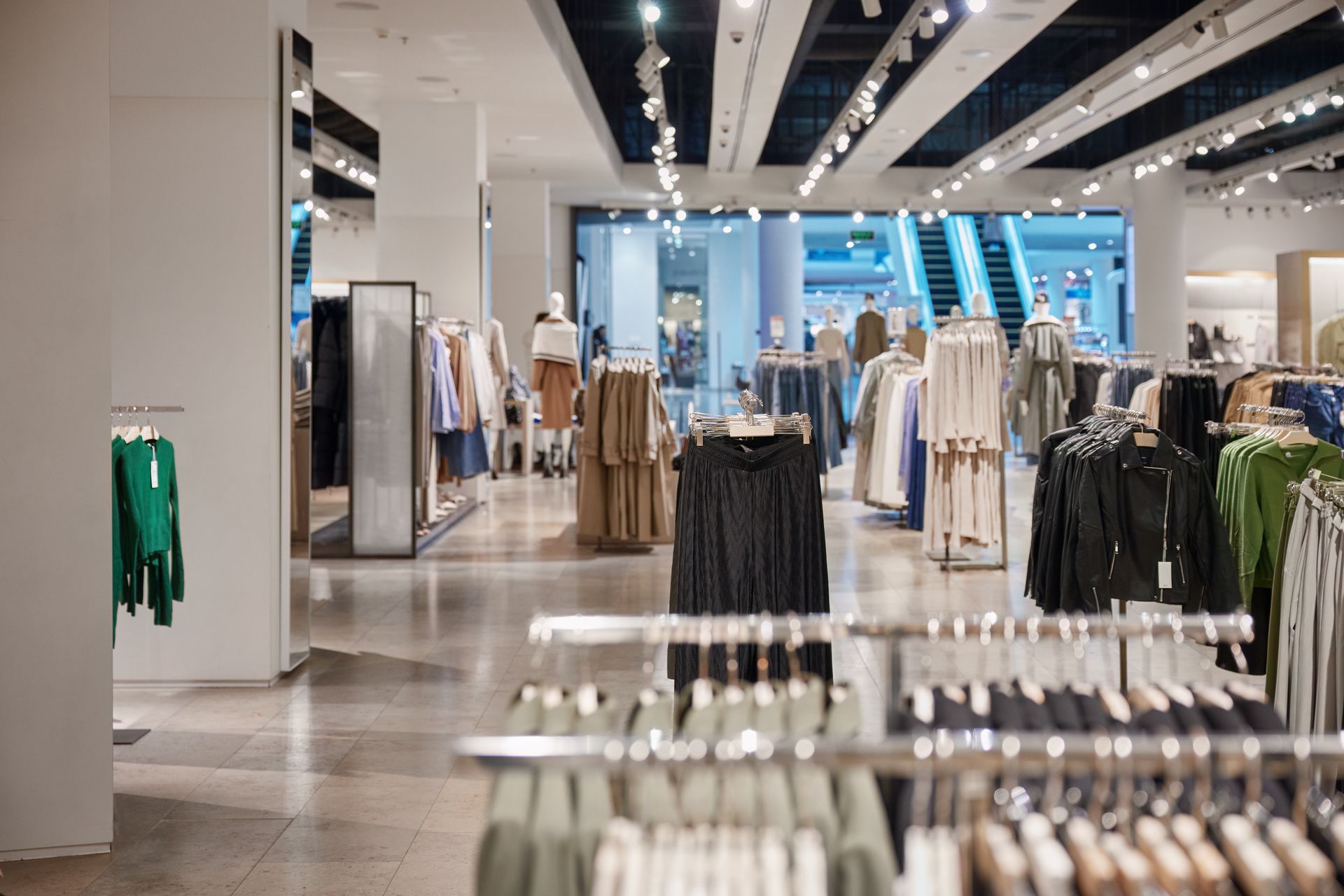
Retail and
Commercial Properties
Protection for storefronts, inventory, and customer-related liability.
Our Approach
Insurance Made Easy to Understand
Mesa Insurance Agency provides business insurance coverage that helps protect operations, employees, and property. We work with multiple carriers to offer coverage options that support daily business activities and long-term stability.
Insurance FAQs
Helpful Answers for Florida Clients
Support you can rely on.

What makes Mesa Insurance Agency different?
We are an independent agency with access to multiple carriers. This allows us to offer flexible coverage options.
Clients work directly with licensed agents. Service continues beyond the policy start date.
Do you offer coverage for individuals and families?
Yes. We provide personal insurance for individuals and families across Florida.
Coverage includes auto, home, health, life, and flood insurance. Our team explains each option clearly.
Do you work with small and mid-sized businesses?
Yes. We work with businesses of many sizes and industries.
Our team helps identify risks and secure appropriate coverage. Ongoing service is included.
Can I make changes to my policy later?
Yes. Policies can be updated as needs change.
We assist with coverage adjustments, additions, and removals. Clients can contact us directly for help.
Is flood insurance required in Florida?
Flood insurance is not always required, but it is strongly recommended in many areas.
Standard home insurance does not cover flood damage. Our team can review your flood risk and options.
How do I contact your office?
You can contact us by phone, email, or through our website.
Our team responds promptly during business hours. Support is always available when needed.
From the Blog
Insurance Topics That Matter
Clear answers for common questions.







Client Reviews
Trusted by Clients Across Florida
Mesa Insurance Agency is proud to serve individuals and businesses throughout Florida. Clients choose us for clear communication, responsive service, and reliable insurance support. Their feedback reflects our focus on long-term relationships and consistent service.
Contact Us