A Pensacola property owner discovering an unexpectedly grim scene in a rental unit can quickly see how critical crime scene cleanup insurance becomes. The need for rapid, sensitive, and professional response is evident when families and businesses are left grappling with the aftermath of traumatic events. Insurance for trauma cleanup operations provides an essential safety net that not only covers cleaning costs but also helps mitigate significant financial risk.
Insurance adjusters work closely with cleanup specialists to ensure the claim process is seamless and that each cleanup service is matched with the right level of coverage. More details on how insurance policies can help fund these specialized services can be found at
HAZstat.
Understanding the High Stakes of Crime Scene Cleanup in Florida
When an incident leaves behind biohazardous materials and requires forensic-level cleaning, the cleanup process is both extensive and emotionally draining. The severity of these situations means that every detail-from the number of technicians required to the duration of the cleanup-can significantly influence costs. In Florida, these factors often translate directly into the final expenses faced by property owners.
In many cases, the process is far more than just a cleaning job. It involves adherence to state regulations, safe disposal of hazardous substances, and efforts to restore properties to a safe and habitable condition. The comprehensive nature of these cleanups demands that insurance coverage adequately meet these diverse needs. Agencies like HAZstat highlight that insurance policies for homeowners, commercial properties, and even auto insurers can often cover crime scene cleanup services, providing vital financial relief in times of crisis. For an explanation of these dynamics, visit HAZstat insights.
Efficient resolution post-trauma supports not only physical recovery but also emotional healing for those involved. This dual role reinforces the necessity for specialized insurance coverage.
Benefits of Tailored Coverage for Your Business
Customizing insurance policies to fit the nuances of a vending machine operation in Florida can result in significant benefits. Tailored coverage means that the policy underpins the individual risks related to the business and the local environment. Dedicated coverage plans focus on essential areas: property damage, business interruption, and equipment reliability.
Additionally, combining dedicated policies with risk management strategies leads to a robust defense against unforeseen events. Operators who invest in custom-fit plans are often more resilient when facing operational disruptions, whether those disruptions are weather-related or due to unforeseen accidents. This adaptability is critical given Florida’s dynamic weather and insurance market trends.
For many operators, the peace of mind that comes from a well-chosen policy is invaluable. When insurance aligns closely with business operations, it permits entrepreneurs to concentrate on growth while mitigating potential losses. Discussions with industry experts underscore that the right balance between coverage and cost is achievable when all operational factors are evaluated carefully.
Key Aspects of Trauma Cleanup Insurance
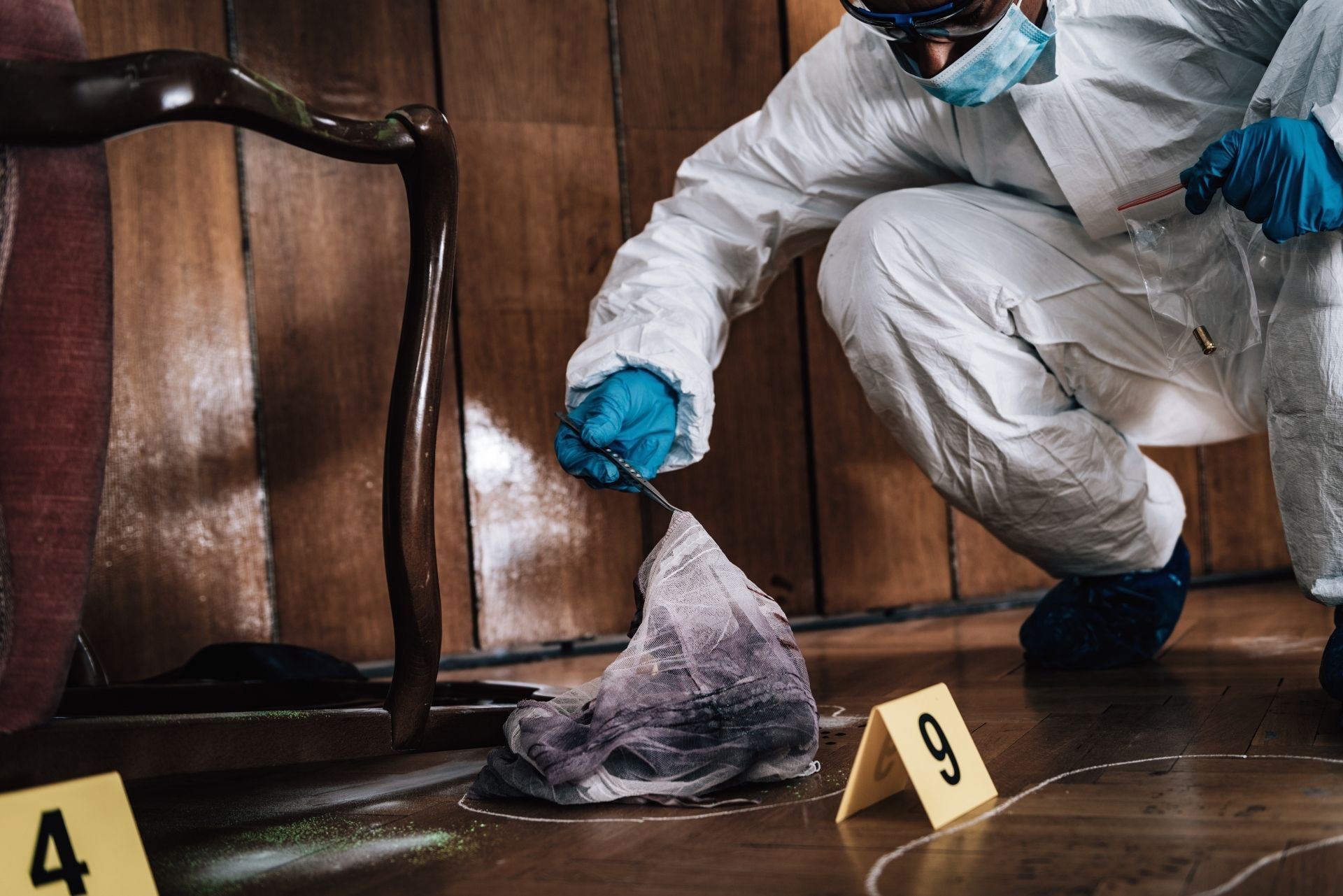
Trauma cleanup insurance is tailored to meet the specific demands of cleaning up after incidents involving criminal activity, accidents, or other disturbances. The policies generally cover various expenses such as cleanup labor, disposal of hazardous waste, and the cost of specialized equipment. The goal is to make sure property owners do not bear the financial burden alone and that the cleanup process does not stall temporarily disrupted operations.
Policies are structured so that the expenses can vary widely. In Florida, factors like the duration of the cleanup, the number of technicians on-site, and the overall quantity of biohazard waste influence the billing. Understanding these factors is essential for both insurers and policyholders in order to negotiate coverage that precisely fits potential risks.
This level of customization is particularly important given the variety of scenarios cleanup teams may face, ranging from isolated incidents in residential properties to more extensive commercial cases. As part of ensuring thorough response, companies employ certified technicians to ensure adherence to safety and regulatory standards. Evidence suggests that 89% of insurance-approved crime scene cleanup invoices in Florida are processed by firms with certified personnel, underscoring the industry's commitment to quality and safety. Check details at
professional crime scene cleanup services market study.
The Role of Certified Technicians in the Industry
Certified technicians are the backbone of the crime scene cleanup industry in Florida. Their training equips them with the skills necessary to handle biohazardous materials safely while mitigating contamination risks. Insurance companies favor service providers with these qualifications because they reduce the likelihood of secondary damage and legal complications.
In practice, firms employing certified technicians receive higher recognition from insurers, ultimately improving both the claim process and operational reliability. This recognition means that insurance companies are more inclined to cover costs when they know that professional standards are maintained throughout the cleanup process. The statistic that nearly 89% of insurance claims for crime scene cleanups come from companies with certified staff reinforces this point. More information is available at this study.
Given the potential legal liabilities involved when unsafe cleanup practices are employed, the emphasis on certification is not surprising. It is both an economic advantage and a legal safeguard in the eyes of insurers.

Trauma cleanup operations often require specialized insurance policies that address unique risks. Coverage typically includes property damage, general liability, and in some cases, environmental liability. Such comprehensive coverage ensures that when a cleanup service is required, all aspects of the operation-from equipment use to labor-are protected under the policy.
This customization is particularly important for businesses that operate on a 24/7 basis, as is the case with trauma cleanup firms in Florida. For example, Brooks Remediation offers round-the-clock services in Pensacola and Gulf Breeze. Their prompt response ensures that both residential and commercial properties can resume normal operations quickly and safely. More details about these capabilities can be found through Brooks Remediation services.
Each policy is tailored to the risks associated with the cleanup operation’s scope. Comprehensive policies include coverage for unexpected complications that might extend the cleaning process, ensuring that the service provider does not incur additional expenses that could strain their finances.
Handling the Financial Impact: Case Studies and Examples
Residential and Renter’s Insurance as a Safety Net
Renovating and restoring a home after a traumatic event not only involves a thorough cleanup but also entails numerous repairs. When crimes or accidents occur in residential settings, the homeowner’s insurance policy often acts as the initial line of defense against escalating costs.
The collaboration between cleanup service providers and insurance adjusters is essential here. Efficient claim processing means that homeowners are not left facing immediate financial hardship. By ensuring that cleanup companies are among the certified and trusted entities, insurers can cover costs swiftly and efficiently. One well-documented example highlights how effective this process is when claims are processed through certified companies, ensuring timely and proper cleanup.
Insurance coverages that include trauma cleanup services help to reduce the stress associated with unexpected traumatic events. This integration of service and insurance ensures that both homeowners and property managers are better prepared, with costs managed and risks mitigated.
Commercial Properties and the Need for Immediate Restoration
Commercial property managers often operate under tight schedules because downtime directly affects their revenue. A crime scene or a biohazard cleanup incident can lead to significant disruptions, and ensuring a quick turnaround is critical. Insurance policies that explicitly cover trauma cleanup guarantees that any delays are minimized.
For example, cleaning services for institutional clients and property managers are structured to handle operations swiftly without compromising on safety. Insurers require rigorous procedural standards, and companies with rigorous certifications win the confidence of insurers. This relationship is essential as nearly 89% of approved cleanup invoices come from certified service providers, aligning with insurers' need for precision and reliability. Detailed insights are available at a detailed market study.
Commercial contracts often involve higher risks and larger-scale operations. In these cases, trauma cleanup insurance becomes a vital component of overall risk management. This coverage extends beyond just immediate cleanup, addressing broader aspects such as legal liabilities and long-term property damage.
Risk Management and Regulatory Considerations
Regulatory frameworks in Florida emphasize the safe handling, transportation, and disposal of biohazardous waste. Cleanups following traumatic incidents are thoroughly regulated to protect both the public and the cleanup crews. Failing to adhere to these standards can result in hefty fines, further complicating the recovery process for property owners.
Insurance policies for crime scene cleanup address these regulatory needs by ensuring that all processes meet established industry standards. Companies are mandated to employ certified technicians who are fully trained in handling biohazardous materials. This step not only fulfills regulatory requirements but also secures insurer trust, which translates into more comprehensive coverage options for clients. Insights from HAZstat provide clarity on how these regulatory accommodations are integrated into insurance claims. More details on regulatory implications are discussed at HAZstat's information page.
Risk management strategies also involve clear operational protocols and safety measures that insurance policies require. For trauma cleanup businesses, robust risk management not only minimizes liability risks but also helps reduce overall confidence costs for their clients.
Cost Factors and Insurance Pricing in Florida
Crime scene cleanup services in Florida can be costly. Expenses depend on numerous factors, including how long the cleanup lasts, the number of technicians required, and the volume of hazardous waste needing disposal. These variables often dictate the final cost of the cleanup operation, and by extension, influence insurance pricing and claim limits.
Insurance companies frequently assess these factors to determine how much coverage is necessary. Firms that are more efficient and have a record of minimising cleanup durations may face lower premium costs. This unique pricing model helps both insurers and trauma cleanup service providers maintain operational efficiency while managing risk effectively. For a closer look at the cost breakdown, industry insights are available at HAZstat's cost analysis.
The financial impact of these factors means that insurance policies must be designed to evolve with the complexity of each case. By accommodating these challenges, policies not only cover immediate expenses but also help stabilize long-term financial planning for property owners and businesses alike.
Innovative Approaches to Trauma Cleanup Operations
Advancements in cleanup methodologies are continuously reshaping the trauma cleanup industry. Companies that integrate modern cleaning technology with traditional safety protocols are yielding better outcomes for both the families involved and the communities they serve. This combination of compassion, efficacy, and innovation is increasingly becoming a hallmark of trauma cleanup operations in Florida.
Firms have begun to adopt innovative techniques and equipment that speed up the cleanup process without compromising regulatory compliance. Among these initiatives is the use of advanced decontamination methods that allow for a more rapid and thorough cleaning process. These innovations not only reduce the time a property remains in a compromised state but also lessen the overall costs. In turn, insurance companies find value in policies that cover services benefiting from such technological integrations.
On a practical level, the integration of these modern techniques has provided a competitive edge for service providers. For instance, Brooks Remediation exemplifies this trend with their 24/7 service availability in Pensacola and Gulf Breeze. By doing so, they ensure that clients receive prompt attention whenever a case arises, further solidifying the trust between service providers and insurance companies. More on this innovative approach can be read at
Brooks Remediation news release.
Steps to Secure the Right Insurance Coverage
Acquiring the right insurance coverage requires detailed evaluation of potential risks and aligning them with policy terms. For trauma cleanup businesses and property owners alike, the process starts with a clear understanding of the unique challenges posed by crime scene incidents. This includes everything from the physical complexities of the cleanup to the legal and environmental ramifications associated with biohazard scenarios.
Policy buyers should work directly with insurers who have expertise in handling claims related to biohazard cleanup. This approach can help identify any gaps in the policy that might leave a property owner vulnerable after a traumatic event. Direct communication between the service provider and the insurance adjuster ensures that the specifics of the cleanup are well-understood, translating to a policy that fully covers potential liabilities.
In practice, having all the details organized and documented helps streamline the claim process. Both insurance companies and trauma cleanup services benefit from this clarity because it enables faster response times and fewer disputes during claim settlement. This mention of detail and precision in the process reinforces why insurers place such weight on certifications and standardized procedures.
Comparing Insurance Coverage Options
A side-by-side comparison of insurance coverage options helps both property owners and service providers understand the unique benefits each policy offers. Generally, trauma cleanup insurance compares within a spectrum of coverage that not only includes the actual cleanup costs but also supports legal liabilities, property rehabilitation, and business interruption losses.
The comparison between basic and extended coverage in this niche market is significant. Basic policies might cover the direct cost of the cleanup while extended options could include additional litigation and environmental risk elements. This comparison is crucial because it directly influences premium pricing and financial recovery after an incident. A comparison chart can simplify these distinctions.
Insurance Coverage Comparison Chart
| Coverage Type | Basic Coverage | Extended Coverage |
|---|---|---|
| Crime Scene Cleanup Cost | Covers on-site labor and disposal | Includes specialized equipment and extended cleanup time |
| Liability | Standard general liability | Expanded environmental and legal liability |
| Property Restoration | Excludes structural repairs | Includes structural or tenant disruption losses |
| Premium Levels | Lower premium based on minimal risk | Higher premium for comprehensive coverage |
This chart outlines how choosing between basic and extended coverage directly impacts the financial protection available to the policyholder. Such comparisons assist decision-making and ensure that policyholders align coverage with their specific needs.
Operational Considerations for Trauma Cleanup Providers
Trauma cleanup service providers must navigate multiple layers of operations, from risk management to rapid response mechanisms. Their business model is intricately tied to how effectively they can respond to emergencies while complying with strict regulatory guidelines.
For companies operating in Florida, weather conditions, local regulations, and even regional economic fluctuations can inform how they structure their insurance policies. A robust insurance policy will take these variables into account and provide flexible options if the scale of a traumatic event grows or if complications arise mid-cleanup.
Insurers and cleanup providers alike benefit when there is a clear, operational understanding. For instance, companies that demonstrate the ability to quickly mobilize certified technicians often secure smoother claim processes and more insurance-friendly outcomes. This dynamic is clearly seen in the ongoing relationship between insurers and certified service providers, as noted by market studies on the subject.
Evaluating the Unique Risks for Trauma Cleanup Businesses
The nature of trauma cleanup means that businesses in this sector face unique risks compared to traditional cleaning or remediation services. The potential for encountering biohazardous waste, structural damage, and legally sensitive situations requires specialized handling. Insurance products designed specifically for these risks help businesses manage both immediate cleanup costs and long-term liabilities.
Risks include not only the immediate physical hazards associated with biohazardous materials but also the potential for subsequent legal actions due to perceived negligence. These risks make it imperative for trauma cleanup businesses to maintain rigorous operational protocols and comprehensive insurance policies. By emphasizing standards and certifications, insurers support providers in reducing those risks and claim disputes.
The elevated level of risk means policy developments and premium adjustments are often interconnected. Decision-makers in the insurance industry continuously refine coverage packages to reflect the true cost of managing a crime scene. This commitment ensures that as the industry evolves, both service providers and policyholders receive the necessary protection.
Benefits of Comprehensive Coverage for All Stakeholders
Comprehensive trauma cleanup insurance coverage benefits everyone involved-from the property owner facing unexpected trauma to the insurance company processing the claim, and the service provider executing a sensitive cleanup operation. Detailed policies reduce the financial and operational burden on property owners, thereby speeding up the restoration process. This interconnected benefit supports smoother transitions from incident to recovery.
For insurers, comprehensive policies lower the risk of operational delays and reduce the discrepancies that come with unplanned extended cleanups. As one example, efficient collaboration that streamlines the claim process can drastically cut costs for both parties, ensuring that recovery proceeds without undue financial strain. Professionals managing these policies rely on data, such as the fact that most crime scene cleanup invoices are processed by certified companies, a key consideration for risk evaluation and pricing, as discussed at market research insights.
This level of comprehensive coverage also offers peace of mind during uncertain times, as policyholders and service providers can operate knowing that both direct and secondary risks are managed. The correlation between rapid response, reduced downtime, and minimized collateral damage further reinforces the value of proper insurance.
Future Trends in Trauma Cleanup Insurance
Changes in regulatory frameworks, advances in safety technologies, and evolving service delivery models all hint at future trends in trauma cleanup insurance. Providers and insurers are increasingly focusing on innovation to enhance the speed and comprehensiveness of service delivery. The introduction of improved decontamination techniques, coupled with advanced cleanup equipment, is already reshaping how claims are processed and evaluated.
In Florida, as demand for rapid yet safe cleanup solutions grows, insurance products continue to evolve accordingly. The integration of mobile technology for quick claim reporting and automated systems for assessing cleanup progress are just a few examples of how the industry is adapting. Such innovations promise to lower costs and enhance coverage details, making insurance even more beneficial for all parties involved. More on these technological innovations can be reviewed at industry news insights.
The future of trauma cleanup insurance is likely to involve more dynamic policies, greater emphasis on certification, and even tighter coordination between cleanup operations and claim processing. This progress will not only demystify the claim process but also provide improved support during recovery.
Frequently Asked Questions
Q: Does standard homeowner insurance cover crime scene cleanup?
A: Many policies include crime scene cleanup coverage, but it can vary. Always review your policy or discuss specifics with your insurer.
Q: What role do certified technicians play in cleaner operations?
A: Certified technicians ensure that cleanup meets strict safety and regulatory standards, which gives insurers more confidence in approving claims.
Q: How do insurance companies determine the cleanup costs?
A: Costs are based on factors like the duration of the cleanup, number of technicians involved, and the extent of hazardous waste, which directly impact insurance pricing (HAZstat).
Q: Can a business operating 24/7 receive comprehensive trauma cleanup insurance?
A: Yes, businesses with round-the-clock operations can secure policies that cover not only cleanup but also potential business interruption losses.
Q: Why do insurers prefer companies with certified technicians?
A: Certification indicates adherence to strict cleaning standards and minimizes legal and operational risks, a crucial factor since 89% of approved invoices come from certified firms (market research study).
Wrapping Things Up
Trauma cleanup and crime scene remediation represent sectors where the stakes are high. With rapid response requirements and complex risk profiles, both property owners and cleaning providers depend on tailored insurance policies to shield them from financial and operational hardships. As seen in Florida, where incidents can occur unexpectedly, having robust coverage means that costs, disruptions, and legal liabilities are managed effectively.
The industry continues to evolve as technological innovations, enhanced certification standards, and improved operational protocols shape the future of trauma cleanup insurance. With more companies embracing modern techniques, the focus on rapid, safe, and efficient response grows stronger.
For anyone involved in property management or trauma cleanup operations, understanding these details is crucial. Trustworthy insurance coverage designed specifically for these services is a vital component in managing risk, ensuring prompt service delivery, and facilitating recovery after a traumatic event. More insights and updates about industry developments can be found at
HAZstat's coverage page.
ABOUT THE AUTHOR: PAUL RAMENTOL
I am the Owner and President of Mesa Insurance Agency. I help individuals and business owners across Florida secure personal and business insurance coverage that supports their needs. My focus is on clear guidance, direct communication, and long-term support without call-center delays or confusion.
Contact Us

Personal Coverage Options
Insurance Built for Everyday Protection
Mesa Insurance Agency provides personal insurance coverage designed to support daily life. Our team reviews risks and coverage needs to help clients secure dependable protection at fair rates.
Dental & Vision Insurance
Coverage that helps manage routine dental and vision care costs.

Business Coverage Options
Insurance Built for Business Protection
Mesa Insurance Agency provides business insurance coverage that helps protect operations, employees, and property. We work with multiple carriers to offer coverage options that support daily business activities and long-term stability.
Commercial Auto Insurance
Coverage for business-owned vehicles, drivers, and accident-related liability exposure.
General Liability Insurance
Protection against third-party injury, property damage, and common business liability risks.
Professional Liability Insurance
Coverage for claims related to professional services, advice, or service errors.
Workers’ Compensation Insurance
Coverage that helps support employees with work-related injuries and medical costs.
Commercial Property Insurance
Protection for buildings, equipment, inventory, and physical business assets.
Errors & Omissions Insurance
Coverage for financial losses caused by mistakes, omissions, or service-related claims.
Industries We Serve
Serving Businesses Across Multiple Sectors
Mesa Insurance Agency works with business owners across Florida to provide insurance coverage that supports daily operations. We understand common risks faced by different industries and help clients secure reliable protection.

Construction and Trades Insurance
Coverage for job sites, vehicles, tools, and workplace risks.

Hospitality Businesses Insurance
Insurance for restaurants, bars, and service-based operations.

Retail and
Commercial Properties
Protection for storefronts, inventory, and customer-related liability.
Our Approach
Insurance Made Easy to Understand
Mesa Insurance Agency provides business insurance coverage that helps protect operations, employees, and property. We work with multiple carriers to offer coverage options that support daily business activities and long-term stability.
Insurance FAQs
Helpful Answers for Florida Clients
Support you can rely on.

What makes Mesa Insurance Agency different?
We are an independent agency with access to multiple carriers. This allows us to offer flexible coverage options.
Clients work directly with licensed agents. Service continues beyond the policy start date.
Do you offer coverage for individuals and families?
Yes. We provide personal insurance for individuals and families across Florida.
Coverage includes auto, home, health, life, and flood insurance. Our team explains each option clearly.
Do you work with small and mid-sized businesses?
Yes. We work with businesses of many sizes and industries.
Our team helps identify risks and secure appropriate coverage. Ongoing service is included.
Can I make changes to my policy later?
Yes. Policies can be updated as needs change.
We assist with coverage adjustments, additions, and removals. Clients can contact us directly for help.
Is flood insurance required in Florida?
Flood insurance is not always required, but it is strongly recommended in many areas.
Standard home insurance does not cover flood damage. Our team can review your flood risk and options.
How do I contact your office?
You can contact us by phone, email, or through our website.
Our team responds promptly during business hours. Support is always available when needed.
From the Blog
Insurance Topics That Matter
Clear answers for common questions.







Client Reviews
Trusted by Clients Across Florida
Mesa Insurance Agency is proud to serve individuals and businesses throughout Florida. Clients choose us for clear communication, responsive service, and reliable insurance support. Their feedback reflects our focus on long-term relationships and consistent service.
Contact Us