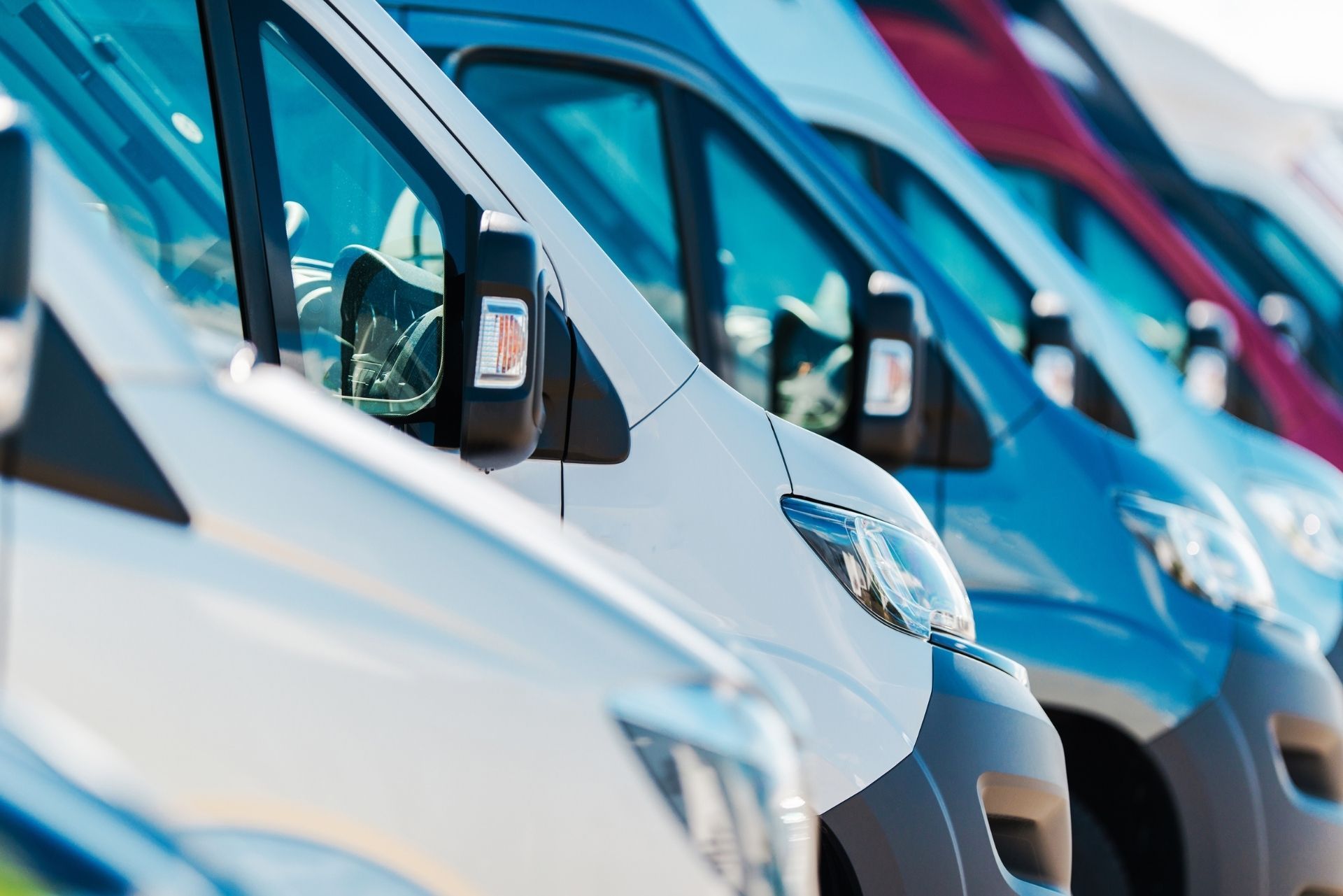
Commercial auto insurance in Jacksonville is a critical safeguard for businesses keeping fleets on the road. Recent developments and emerging trends form a complex backdrop for understanding coverage in the region. For example, a study from News4JAX revealed that property insurance premiums in nearby counties increased significantly. This context is essential for fleet managers and business owners in Jacksonville who require reliable risk management solutions to protect their assets and bottom line.
Commercial auto insurance not only covers vehicle-related accidents but also encompasses a variety of risks specific to industries like construction, transportation, and delivery services. Each policy is designed to address a mix of liability, property damage, and bodily injury. In Jacksonville, where commercial travel and vehicle utilization are high, the importance of comprehensive coverage cannot be overstated.
Understanding Commercial Auto Insurance in Jacksonville
Defining Coverage and Its Significance
Commercial auto insurance in Jacksonville offers protection for vehicles used for business purposes in the event of accidents, injuries, or property damage. The coverage may extend beyond the vehicle itself to include cargo liability and even specialized incidents unique to commercial operations.
The primary objective is to mitigate risks for business owners whose operations depend on the use of fleets. With different industries requiring different levels of coverage, these insurance policies are tailored to meet the specific operational demands. Business owners should explore policy options carefully because what works for a local delivery service might not be suitable for a heavy-duty freight operation.
A recent trend among insurers is the evolution of policy structures to accommodate emerging technologies, such as electric vehicles and telematics. An expert insight noted that as more Florida fleets adopt electric options, insurers are innovating with flexible risk models and specialized repair coverage for new technologies.
Local Risk Factors
Jacksonville, like many Florida cities, deals with specific challenges that can affect commercial auto insurance requirements. One significant risk factor is the high incidence of commercial vehicle accidents. Local statistics indicate that annual commercial vehicle accidents exceed 47,000 statewide, with claims often averaging around $74,000 per incident (Contractors Choice Agency). These figures emphasize the financial exposure businesses face without adequate coverage.
Weather-related incidents should also be considered. While hurricanes and tropical storms are more associated with personal property damage, commercial fleets are not immune. Regions near Jacksonville might experience sudden weather conditions that compromise vehicle performance or accident risk. The combination of high accident rates and environmental factors makes comprehensive commercial auto insurance indispensable.
Local businesses must account for these risks when choosing their policy. Insurers in the Jacksonville area have become adept at offering products that address both collision and comprehensive coverages, as well as liability for accidents involving commercial vehicles.

Standard Coverage Components
Commercial auto insurance policies generally include several core components. Liability coverage is often the cornerstone, ensuring that any injuries or property damage resulting from an accident are covered up to the policy limits. This form of coverage protects businesses from expensive lawsuits and financial instability.
Physical damage coverage is another critical element. It covers the repair or replacement of damaged vehicles, which is particularly important for fleets that are used frequently. Policies may also include uninsured/underinsured motorist coverage, further safeguarding businesses when accidents involve drivers with inadequate insurance.
Additional components often include medical payments coverage for drivers and passengers, as well as legal defense expenses in the event of litigation. With a tailored commercial auto insurance policy, business owners in Jacksonville can navigate the complexities of accident claims without jeopardizing their operational budgets.
Specialized Coverage for Unique Fleet Needs
Technological innovation has revolutionized the nature of commercial fleets. Insurers are now offering specialized coverage options designed for electric vehicles and fleets equipped with the latest telematics. This shift represents a response to the increased safety features in modern vehicles and the evolving repair landscape.
A noteworthy expert observation mentioned that insurers need to adapt to these technological changes by providing flexible risk models coupled with comprehensive repair coverage (Insure Commercial Vehicle). This approach ensures that businesses implementing cutting-edge tools and vehicles are not left exposed to unforeseen repair costs or insurance gaps.
In a market where risk diversification is key, some insurers even offer policies that cover hybrid fleets-a mix of traditional fuel-powered and electric vehicles. By combining standard coverage with specialized options, these policies allow businesses to optimize their premium expenses while still maintaining robust protection.
Impact of Legislative and Market Trends
Legislative Influences on the Insurance Market
Recent Florida legislative reforms have played a crucial role in stabilizing the property and casualty insurance market. According to a release from the Insurance Information Institute, the changes have led to a significant decline in claims-related litigation over the past two years (Triple-I). This reduction in litigation has the potential to lower insurance premiums and create more favorable terms for policyholders.
Legislative reforms often address systemic issues that have long contributed to inflated insurance costs. For instance, changes in litigation practices help reduce the overall loss exposure, thereby enabling insurers to pass on some of the cost savings directly to their customers. However, in specific Jacksonville markets, premiums for property insurance have experienced a noticeable increase. Based on data from News4JAX, premiums in several Florida counties, including Duval-which encompasses Jacksonville-rose by an average of 13.5% from 2023 to 2024 (News4JAX).
While these increases might seem counterintuitive, they often reflect broader market trends such as rising repair costs, higher vehicle values, and an increased incidence of claims related to severe weather and vehicle accidents.
Economic Trends and Their Effects on Claims
Inflation remains one of the key factors affecting commercial auto insurance premiums. Several studies have drawn connections between inflation and growing claims amounts. For instance, a study spanning from 2013 to 2022 detailed that inflation drove losses up by a substantial margin, with estimates indicating increases between 19% and 24% (Triple-I). Although this study focused on broader property losses, similar trends are evident in the commercial auto sector.
As repair costs and spare part prices rise, insurers must adjust premiums to maintain adequate reserves, ensuring that the financial stability of insurance providers is not compromised. This dynamic often forces business owners to weigh the benefits of comprehensive coverage against rising insurance expenses.
Business owners should be aware that while inflation-driven increases impact premium fees, they are also a response to ensuring that the coverage remains robust and capable of covering larger claims if incidents occur. Accepting some premium increases may be a necessary step toward receiving sustained, high-quality insurance protection.
The Role of Underwriting and Claims Management
Improved Underwriting Practices
Underwriting practices in Florida have experienced notable enhancements, leading some property insurers to report their first underwriting profit in eight years. A combined ratio of 93.1 and a pre-tax operating income of $492.3 million were key highlights in recent industry reports (InsuranceJacksonvilleFL.com). Such performance indicates not only a market rebound but also the effectiveness of refined underwriting practices.
With better risk selection and improved claims management processes, insurers aim to create a balanced portfolio of risks that minimizes losses without sacrificing coverage quality. For Jacksonville-based businesses, a stable underwriting environment means more predictable premium structures and faster claims resolution. These factors contribute to smoother operations and fewer disruptions when claims occur.
Underwriters are increasingly using data-driven insights and telematics to evaluate fleet risks more accurately. This proactive approach helps tailor policies that are not only cost-effective but also closely aligned with actual risk exposure-a vital consideration in today’s rapidly evolving transportation environment.
Efficient Claims Management
Claims management is an essential aspect of any commercial auto insurance policy. In Jacksonville, the prompt and thorough handling of claims is critical to minimize downtime and help businesses get back on the road. Many insurers are implementing advanced claims management systems that streamline the claims process. These systems incorporate digital documentation, real-time updates, and efficient repair networks to ensure expedient payouts.
The effectiveness of claims management not only reassures policyholders but also contributes to lowering overall premium costs in the long run. Businesses often report improved satisfaction when insurers handle complexities such as multi-vehicle accidents or incidents involving specialized equipment swiftly and efficiently.
Recent legislative reforms that reduced the incidence of litigation have also paved the way for smoother claims handling processes. When insurers are not bogged down by extensive legal proceedings, resources can be redirected toward enhancing customer service and expediting claims payments.
Commercial Auto Insurance Challenges in the Wake of Natural Disasters
Impact of Severe Weather Events
Florida's susceptibility to hurricanes and tropical storms presents unique challenges for commercial auto insurance providers. Damage sustained by vehicles during these events can be massive, and repair costs may strain insurer reserves. For instance, following Hurricane Ian, over 350,000 Florida cars sustained damage. This incident created a noticeable shortage of carriers willing to extend coverage, affecting commercial auto insurance costs nationwide (Alera Group).
Severe weather conditions not only drive up claims frequency but also force insurers to re-evaluate risk models and premium structures. Even if Jacksonville is spared direct hurricane hits frequently, its proximity to these events means that businesses must factor in potential indirect impacts such as fluctuating repair costs and temporary carrier shortages.
The ever-present threat of natural disasters underpins the importance of comprehensive coverage. To address these risks, commercial auto insurance policies in Jacksonville often include special endorsements that cover catastrophic weather-related incidents. This tailored approach provides businesses with an extra layer of protection when natural disasters occur, ensuring that repair and replacement costs are not a financial burden.
Business Continuity During Disruptions
For companies that rely heavily on a fleet, business continuity is a top priority. A vehicle outage due to accidents or natural disasters can disrupt operations, leading to lost revenue and dissatisfied customers. In such instances, having a robust commercial auto insurance policy becomes a critical component of a business continuity plan.
Well-structured policies offer benefits that extend beyond simple repairs. Some insurers may provide rental reimbursement benefits or expedited claims processing services that help companies recover faster from unexpected events. These provisions ensure that a prolonged fleet downtime does not translate into prolonged operational standstill.
In Jacksonville’s competitive market, maintaining service levels is crucial. Insurance plans that focus on minimizing downtime and ensuring rapid recovery can create a significant competitive edge for businesses, especially those operating in high-demand sectors such as logistics and delivery.
Building a Policy That Fits Your Business
Assessing Fleet Needs
Before purchasing a commercial auto insurance policy, business owners must carefully assess their fleet’s specific needs. Factors such as the type of vehicles in use, the frequency of vehicle operation, and the geographical routes covered can all influence the ideal coverage levels. For instance, heavy-duty trucks and specialized vehicles demand a different approach compared to smaller service vehicles.
Risk assessments can include historical accident data, local accident statistics, and even real-time telematics monitoring. This data-driven approach helps insurers develop premium models that accurately reflect the risk profile of a particular fleet. By understanding these variables, companies in Jacksonville can opt for coverage that truly aligns with their unique circumstances.
Insurance professionals typically advise that a periodic review of fleet usage and risk factors is essential. As vehicles age or routes change, what was once an effective policy may need adjustments. Professional consultations can provide insights tailored to emerging trends and potential shifts in fleet dynamics.
Evaluating Policy Enhancements
Modern commercial auto insurance policies offer a host of enhancements beyond standard coverage. Policyholders may consider supplemental coverages such as cargo insurance, roadside assistance, and even specialized endorsements designed for electric or hybrid vehicles. Evaluation of these enhancements is crucial in constructing a policy that meets both basic and extended needs.
A flexible policy structure allows business owners to add or remove coverages as their operational requirements change. This adaptability is particularly beneficial in a market like Jacksonville, where businesses experience seasonal fluctuations or sudden increases in operational activity.
Reviewing customer feedback and expert assessments of these policy enhancements can provide valuable insights. Some insurers now offer bundled packages that combine commercial auto coverage with liability and property insurance, streamlining the management of overall risk exposure.
Expert Insights and Future Trends
Forecasting Future Needs
Industry experts predict that the commercial auto insurance landscape in Florida will continue to evolve rapidly. With technological advancements and changing regulatory environments, insurers are expected to further refine their risk models and adopt more innovative coverage options. The use of telematics data is projected to become even more prevalent in assessing driver performance and accident risks.
The trend toward electric vehicles is another critical factor. As fleets gradually transition from traditional engines to electric motors, insurance companies must adjust to a new environment characterized by different repair methodologies and risk mitigation strategies. This means that businesses need to stay informed about the evolving policies that cater to these emerging vehicle types.
A recent expert comment from a prominent industry observer summed up the shifting paradigm succinctly: "The process seems flawed to us." Such statements underscore the necessity for continuous policy innovation and regulatory oversight to ensure that both insurers and policyholders are adequately protected in a transformative market.
Implications for Jacksonville Businesses
For Jacksonville-based enterprises, future trends in commercial auto insurance carry several important implications. Improved underwriting practices, combined with enhanced claims management and support for emerging vehicle technologies, herald a period of increased confidence for businesses investing in expansive fleet operations.
Business leaders should keep a close watch on local market trends, especially with the recent report of increasing property premiums in Duval County. In-depth understanding of market dynamics, backed by expert analyses and legislative shifts, can help in negotiating better terms and coverage options.
By staying attuned to these trends, companies can proactively engage with insurers to craft policies that not only respond to current risks but also anticipate future challenges. This strategic approach is critical in an environment where both natural and technological disruptions can affect fleet performance and operational stability.
Coverage Comparison: Basic versus Extended Policies
Key Differences in Coverage Levels
A closer look at available policy options reveals a common decision point for business owners: choosing between basic and extended coverage packages. Basic policies typically cover essential aspects such as liability, collision, and comprehensive damage. Extended policies, on the other hand, provide additional protections that may include rental reimbursement, enhanced roadside assistance, and tailored endorsements for specific vehicle types.
The following table summarizes the differences between basic and extended coverage on commercial auto policies in Jacksonville:
| Coverage Feature | Basic Policy | Extended Policy |
|---|---|---|
| Liability Coverage | Standard limits for bodily injury and property damage | Higher liability limits with added protection for additional incidents |
| Collision & Comprehensive | Covers vehicle repair or replacement up to policy limits | Expanded coverage including specialized vehicle endorsements |
| Uninsured/Underinsured Coverage | Basic protection against drivers without sufficient insurance | Enhanced limits and options for additional coverage |
| Additional Benefits | Limited extras | Rental reimbursement, roadside assistance, and telematics-based discounts |
This side-by-side comparison highlights that while basic coverage meets standard safety requirements, extended policies provide additional comfort for businesses with unique operational needs.
Choosing the right package depends on the specific risks faced by a business, and a careful evaluation of these differences can help drive informed decision-making.
Considering Cost versus Benefit
Cost considerations play an integral role in selecting the most appropriate policy. While extended coverage often commands higher premiums, the additional benefits can justify the cost for companies with high-risk profiles or fleets that are critical to their operations. Business owners should assess not only immediate expenses but also potential long-term savings in terms of reduced downtime, more efficient claims processing, and better asset protection.
In Jacksonville, where multifaceted risks intersect with diverse market demands, aligning coverage benefits with operational needs is paramount. A policy that initially appears costlier might ultimately contribute to better financial stability during an unexpected incident.
Consulting with insurance experts can further clarify which coverage level provides the best cost-to-benefit ratio for a given operation. Insights from recent market trends and operational data can guide informed decisions that ultimately serve to protect both the business and its assets.
Considering Cost versus Benefit
Cost considerations play an integral role in selecting the most appropriate policy. While extended coverage often commands higher premiums, the additional benefits can justify the cost for companies with high-risk profiles or fleets that are critical to their operations. Business owners should assess not only immediate expenses but also potential long-term savings in terms of reduced downtime, more efficient claims processing, and better asset protection.
In Jacksonville, where multifaceted risks intersect with diverse market demands, aligning coverage benefits with operational needs is paramount. A policy that initially appears costlier might ultimately contribute to better financial stability during an unexpected incident.
Consulting with insurance experts can further clarify which coverage level provides the best cost-to-benefit ratio for a given operation. Insights from recent market trends and operational data can guide informed decisions that ultimately serve to protect both the business and its assets.
Frequently Asked Questions
What is commercial auto insurance?
Commercial auto insurance covers vehicles used for business purposes and protects against liabilities arising from accidents, property damage, and bodily injury incurred while operating business vehicles.
How does commercial auto insurance differ from personal auto insurance?
Commercial auto policies are designed specifically for business use, offering coverage that accounts for higher mileage, increased risk exposure, and multiple vehicles-all elements generally not covered by personal auto policies.
Are there policy options for fleets with electric vehicles?
Yes. Many insurers now offer specialized endorsements aimed at fleets with electric vehicles. These cover emerging repair needs and use flexible risk models that reflect the new technologies in use (Insure Commercial Vehicle).
What impact does inflation have on commercial auto insurance premiums?
Inflation drives up repair costs and increases the value of claims, which in turn can lead to higher commercial auto insurance premiums. A study reported that inflation drove losses upward significantly over recent years (Triple-I).
How do natural disasters affect coverage for commercial fleets?
Natural disasters and severe weather events can significantly increase claims due to vehicle damage. Policies often incorporate special endorsements to help cover the cost of repairs and replacements during such events (Alera Group).
What should a business consider when choosing a policy?
Businesses should assess fleet composition, operational routes, risk factors, and special coverage needs. Regular reviews and consultations with insurance experts help tailor policies to evolving risks and ensure comprehensive protection.
Wrapping Things Up
Key Takeaways for Jacksonville Business Owners
Commercial auto insurance in Jacksonville is an essential component of a comprehensive risk management strategy. With an evolving market influenced by legislative changes, technological innovation, and economic factors, business owners must carefully evaluate their fleet needs.
By understanding available coverage options-from basic liability to enhanced extended policies-companies can build a safety net that protects against both typical accidents and extraordinary challenges like severe weather events. Expert insights combined with recent market data can offer a roadmap for selecting policies that deliver robust protection without compromising fiscal stability.
Engaging closely with insurers and keeping abreast of market changes ensure that businesses achieve better claims management, competitive premium rates, and an overall more secure operational future.
Looking Ahead
As businesses in Jacksonville adapt to emerging trends such as electric vehicles and increased regulatory reforms, staying informed is key. Commercial auto insurance remains a dynamic field where innovation and legislative impacts converge, shaping how risk is managed. Business owners are encouraged to revisit their coverage options periodically to ensure they are aligned with the latest market realities and technological advancements.
Understanding the interplay between claim history, underwriting evolution, and future digital tools will empower businesses to negotiate better terms and maximize protection for their fleets. A proactive approach can mitigate risks and secure operations in a competitive landscape.
For further insights or personalized advice, staying connected with trusted industry experts is invaluable. As Jacksonville continues to grow as a business hub, the evolving insurance landscape offers both challenges and opportunities for those who are prepared.
ABOUT THE AUTHOR: PAUL RAMENTOL
I am the Owner and President of Mesa Insurance Agency. I help individuals and business owners across Florida secure personal and business insurance coverage that supports their needs. My focus is on clear guidance, direct communication, and long-term support without call-center delays or confusion.
Contact Us

Personal Coverage Options
Insurance Built for Everyday Protection
Mesa Insurance Agency provides personal insurance coverage designed to support daily life. Our team reviews risks and coverage needs to help clients secure dependable protection at fair rates.
Dental & Vision Insurance
Coverage that helps manage routine dental and vision care costs.

Business Coverage Options
Insurance Built for Business Protection
Mesa Insurance Agency provides business insurance coverage that helps protect operations, employees, and property. We work with multiple carriers to offer coverage options that support daily business activities and long-term stability.
Commercial Auto Insurance
Coverage for business-owned vehicles, drivers, and accident-related liability exposure.
General Liability Insurance
Protection against third-party injury, property damage, and common business liability risks.
Professional Liability Insurance
Coverage for claims related to professional services, advice, or service errors.
Workers’ Compensation Insurance
Coverage that helps support employees with work-related injuries and medical costs.
Commercial Property Insurance
Protection for buildings, equipment, inventory, and physical business assets.
Errors & Omissions Insurance
Coverage for financial losses caused by mistakes, omissions, or service-related claims.
Industries We Serve
Serving Businesses Across Multiple Sectors
Mesa Insurance Agency works with business owners across Florida to provide insurance coverage that supports daily operations. We understand common risks faced by different industries and help clients secure reliable protection.

Construction and Trades Insurance
Coverage for job sites, vehicles, tools, and workplace risks.

Hospitality Businesses Insurance
Insurance for restaurants, bars, and service-based operations.

Retail and
Commercial Properties
Protection for storefronts, inventory, and customer-related liability.
Our Approach
Insurance Made Easy to Understand
Mesa Insurance Agency provides business insurance coverage that helps protect operations, employees, and property. We work with multiple carriers to offer coverage options that support daily business activities and long-term stability.
Insurance FAQs
Helpful Answers for Florida Clients
Support you can rely on.

What makes Mesa Insurance Agency different?
We are an independent agency with access to multiple carriers. This allows us to offer flexible coverage options.
Clients work directly with licensed agents. Service continues beyond the policy start date.
Do you offer coverage for individuals and families?
Yes. We provide personal insurance for individuals and families across Florida.
Coverage includes auto, home, health, life, and flood insurance. Our team explains each option clearly.
Do you work with small and mid-sized businesses?
Yes. We work with businesses of many sizes and industries.
Our team helps identify risks and secure appropriate coverage. Ongoing service is included.
Can I make changes to my policy later?
Yes. Policies can be updated as needs change.
We assist with coverage adjustments, additions, and removals. Clients can contact us directly for help.
Is flood insurance required in Florida?
Flood insurance is not always required, but it is strongly recommended in many areas.
Standard home insurance does not cover flood damage. Our team can review your flood risk and options.
How do I contact your office?
You can contact us by phone, email, or through our website.
Our team responds promptly during business hours. Support is always available when needed.
From the Blog
Insurance Topics That Matter
Clear answers for common questions.






Client Reviews
Trusted by Clients Across Florida
Mesa Insurance Agency is proud to serve individuals and businesses throughout Florida. Clients choose us for clear communication, responsive service, and reliable insurance support. Their feedback reflects our focus on long-term relationships and consistent service.
Contact Us