A hurricane in Miami can cause more than rising tides-it can shake the art community to its core. A prominent art gallery in downtown Fort Lauderdale recently faced an unexpected storm that left its prized collections at risk. For owners and managers of art galleries, having specialized insurance is not a luxury but an essential safety net that preserves years of cultural investments. Art galleries must navigate a complex regulatory and market environment that, in recent years, reflects both promise and challenge.
Recent market changes have created new risks and opportunities. Florida's insurance landscape has seen dramatic shifts including a drastic drop in active home insurance policies, which signals broader market volatility. For example, between 2014 and 2024, active policies in Florida fell from 3.2 million to 710,000 according to Deep Sky Research. This context underscores the importance of having proper, specialized insurance coverage tailored for art collectors and gallery owners.
Understanding this unique market landscape and its implications for art galleries is essential for maintaining financial stability and ensuring that invaluable art pieces are protected against nature's unpredictability and market fluctuations.
Understanding Florida’s Art Gallery Landscape
Florida has long been a crossroads for artists, collectors, and galleries, drawing both national and international attention. The state’s vibrant cultural scene is mirrored in the diverse range of galleries, from small independent spaces to large, museum-quality institutions. However, this creative hub is also encircled by challenges that require careful risk management. Insurance for art galleries in Florida must address everything from property damage caused by natural disasters to the specialized needs of preserving and exhibiting fine art.
A significant aspect of managing art gallery insurance is recognizing that galleries not only house expensive and irreplaceable artwork but are also venues where art is frequently loaned, exhibited, and sometimes even sold. The dynamic flows of art assets call for policies designed specifically for handling transit, storage, and exposure-related liabilities. These unique risks set art gallery insurance apart from conventional property or homeowners policies.
Art galleries require robust insurance solutions that offer flexible coverage extensions-protecting against diverse risks ranging from fire damage and theft to weather extremes. As Florida navigates a period of economic fluctuations within its insurance market, ensuring that these specialized insurance policies are both comprehensive and affordable is more critical than ever.
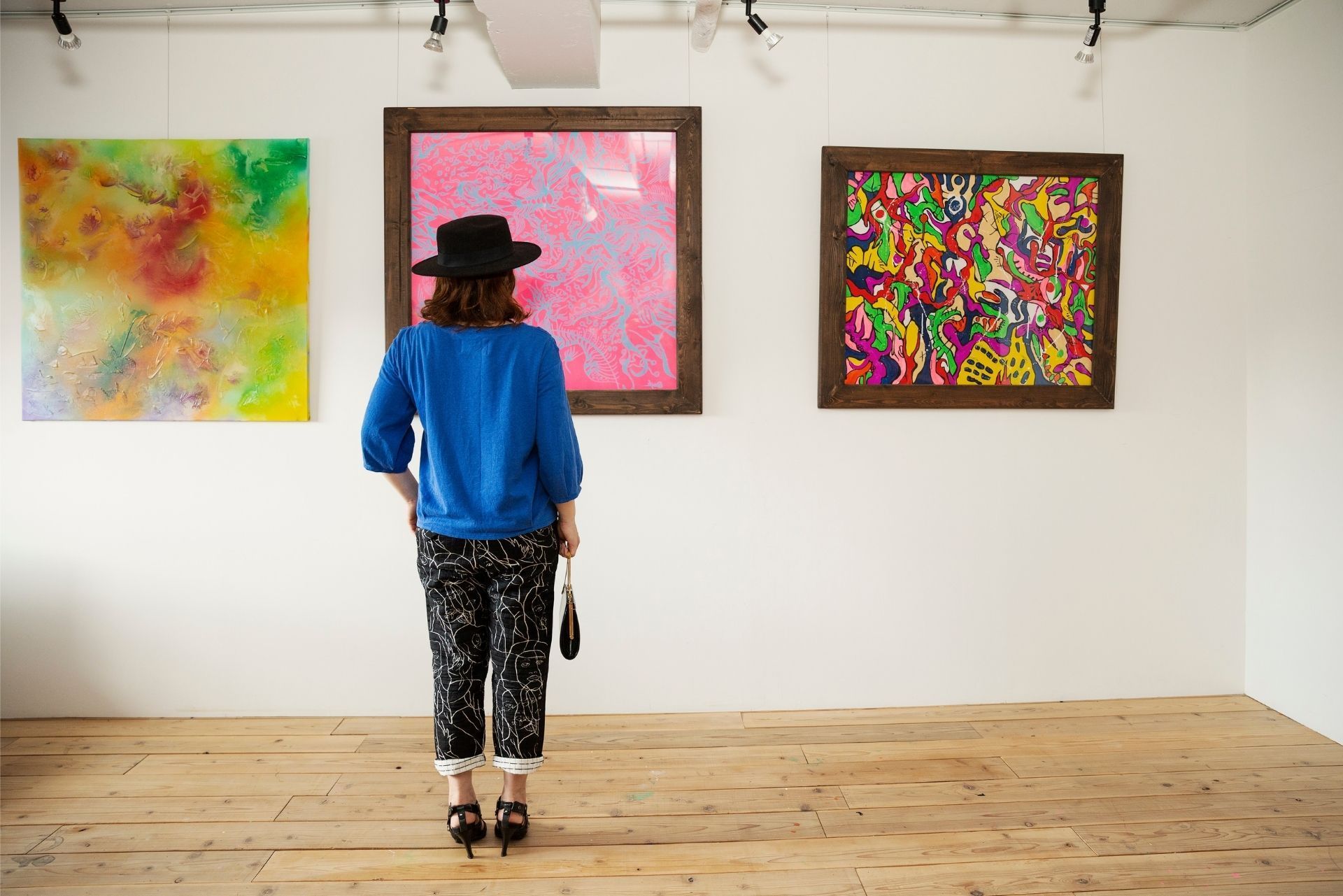
The Importance of Specialized Insurance Coverage for Art Galleries
General property insurance policies often fall short when it comes to protecting art galleries. The value of fine art goes beyond its physical presence; it encapsulates cultural significance, market value, and historical importance. Insuring these assets calls for specialized policies. For instance, insured art can include coverage for damage caused by humidity, temperature fluctuations, and accidental mishandling-issues that normal property insurance may not adequately address.
The art insurance premium structure is built on factors such as the gallery’s location, the nature of the art collections, and the potential exposure to risks like hurricanes or floods. In recent years, industry experts have indicated that with high-risk areas witnessing increased premiums due to heightened exposure, negotiating coverage terms has become as integral part of the process as the actual policy coverage. William Fleischer, president of Bernard Fleischer & Sons, notes, "You’re seeing a lot more negotiating" with clients in high-risk regions as reported by the Center for Art Law.
Gallery owners need to be prepared not only for the cost of high premiums but also for the complexities involved in determining the fair market value of artwork. An art valuation may require the expertise of professionals who understand both the art market and the specific risks pertinent to Florida’s unique environment. As a result, the negotiation process for art gallery insurance policies has evolved into a detailed and specialized exercise, tailored to address both market instabilities and inherent artistic uncertainties.
Challenges Facing Art Gallery Insurance in Florida
The challenges encountered by art galleries in Florida extend beyond natural disasters. Market volatility, regulatory changes, and the complexities of high-value asset management represent intricate issues that gallery owners face. Insurance policies must carefully navigate these challenges to offer adequate coverage while balancing cost considerations.
Recent trends in Florida's insurance market have provided mixed signals for art gallery insurance. On one hand, the state has seen progress with policy reforms that have stabilized the market and improved conditions for insurers and policyholders, as highlighted by a 2025 report by Gallagher Re featured by the Florida Times. On the other hand, property litigation remains pervasive. A report by the National Association of Insurance Commissioners revealed that property litigation in Florida accounts for 76% of all property-related insurer litigation in the U.S. as noted by the Center for Art Law.
These challenges necessitate that art galleries work closely with knowledgeable insurance professionals. The process of tailoring a policy that addresses unique risks-such as damage during transport, storage, and unexpected weather-related events-requires not only market insights but also meticulous risk assessment. Policyholders must ensure that every potential exposure is addressed, particularly in a legal landscape rife with litigation risks.

The Role of Regulatory Changes and Market Reforms
Regulatory shifts in Florida have long influenced the insurance market. Recent reforms have been aimed at stabilizing the market by implementing measures to curb litigation abuse and streamline the rate filing process. The impact of these changes is beginning to be felt by both insurers and policyholders alike.
In 2024, the Florida Office of Insurance Regulation reported a notably positive shift as nine homeowners’ insurance carriers filed for rate reductions while ten filed for zero-rate increases according to Chambers and Partners. Although this statistic focuses on homeowners’ insurance, it inadvertently reflects a broader trend that benefits specialized policies including those for art galleries. As reforms lower litigation costs and create a more stable operational environment, insurers have more breathing room to offer customized coverage solutions designed for high value, delicate assets.
For art galleries, these reforms offer hope that comprehensive coverage might become more accessible and cost-effective over time. The evolving legal and regulatory landscape supports insurers in designing policies that address both market stability and the artistic nuances that make Florida galleries distinct.
Assessing the Unique Risks for Art Galleries
Art galleries in Florida face a distinctive amalgamation of risks associated with both property and fine art. Each gallery often holds a blend of high-value artwork, historical artifacts, and contemporary creations that collectively must be protected. From damage due to unexpected hurricanes to nuanced issues such as improper handling during exhibitions, the spectrum of risk is broad and complex.
Essential aspects of risk include exposure to environmental factors like high humidity, which can negatively affect oil paintings and delicate sculptures, and sudden temperature fluctuations that might compromise fragile installations. Specialized art gallery insurance policies account for these factors by including clauses for controlled climate environments and enhanced security measures during transfers or exhibitions.
Weather hazards represent one of the most significant risks in Florida. The state’s susceptibility to hurricanes and tropical storms can lead to sudden, catastrophic damage. This scenario is particularly acute for art galleries, where the high cultural and financial stakes mean that even minor exposure to these hazards can escalate into serious loss. The emphasis, therefore, is on proactive risk management-combining robust building security with expert art preservation techniques-to minimize potential losses.
Case Study: Navigating Post-Storm Recovery
One notable case involved an art gallery in Tampa that experienced heavy damage during a recent storm. Despite having comprehensive coverage, the sheer scale of losses required complicated negotiations with insurers over the valuation of its art collection. The experience underscored the importance of having an insurance policy that not only covers physical damage but also addresses valuation disputes that often arise in the wake of catastrophic events.
The gallery’s journey through claims recovery illustrated both the strengths and shortcomings of existing insurance products. Negotiations had to factor in the fluctuating art market, where a piece's value might change significantly in response to broader economic conditions. In such cases, having policy language that clearly defines valuation metrics is crucial.
This incident also spurred a conversation about the necessity for regular updates to insurance policies as market conditions and regulatory environments evolve. As reforms aimed at reducing litigation become more prevalent, there is growing hope that claims processes will become less contentious and more transparent, benefiting galleries and insurers alike.
Coverage Considerations: What Art Galleries Need to Know
Art galleries should take a comprehensive view of their insurance requirements. The policy must cover not just the physical space but also the various risks associated with the art collections themselves. This includes coverage for theft, accidental damage, climate control failures, and even errors during the transportation of valuable pieces.
Given the intricacies of valuation and the potential for significant financial discrepancies during claims, many legal and industry professionals recommend that policyholders invest in expert appraisals. Relying on periodic, professional appraisals ensures that the policy reflects the true market value of the artwork and that adjustments can be made as necessary to capture inflation or market trends. As Paul Riemer, head of the Florida-based Riemer Insurance Group, points out, "Insuring art in Florida presents unique challenges" as highlighted by The Art Newspaper.
Another important consideration is ensuring that the coverage provides for temporary relocation expenses if a gallery must close due to extensive repair work. Given the fast-paced nature of the art world where every exhibition is time-sensitive, even temporary closures can result in significant financial losses. Policies designed with these contingencies can help galleries weather disruptions and maintain operational continuity.
Strategies for Navigating the Insurance Market
Choosing the right insurance provider and policy is a multistep process that begins with a thorough assessment of the gallery’s unique risks and requirements. Experts suggest that gallery owners engage with specialized brokers who understand the art market and the intricacies of Florida’s regulatory environment.
First, evaluate multiple policy providers to compare coverage limits, premium costs, and claim handling records. Galleries should request detailed documentation that clarifies what is included in the policy and what exclusions or limitations exist. Given market fluctuations-such as those noted by Active Property Care, where Florida domestic property insurers reported a combined net underwriting profit of $207 million in 2024 according to recent data-being well-informed can secure a better deal.
Next, consider negotiating aspects of the policy that specifically address art-related risks. This can be particularly beneficial in high-risk areas where weather-related events are more common. Experienced brokers often play a critical role in these discussions, advocating on behalf of the gallery to ensure that the coverage is not only broad but also tailored to the gallery’s nuanced exposures.
Mitigating Losses Through Proactive Risk Management
Risk management is a proactive effort that goes beyond signing on for insurance coverage. Art galleries are encouraged to integrate a range of mitigation strategies to further reduce vulnerabilities. These include installing state-of-the-art alarm systems, climate control monitoring, and securing robust backup systems for sensitive equipment.
Additionally, regular inspections and maintenance of the gallery’s infrastructure can prevent minor issues from spiraling into major claims events. Detailed documentation of art collections, including photographs, professional appraisals, and historical records, not only supports the claims process but also aids in risk assessment. This effort translates into smoother dealings with insurers when evaluating claims and negotiating adjustments.
Implementing preventive measures is particularly vital in a state like Florida, where the risk profile is compounded by both environmental and legal factors. When art galleries take steps to manage and reduce risks, they contribute to a more resilient insurance profile and often benefit from more favorable premium rates during policy renewals.
Understanding the Shifting Insurance Market Dynamics
Market dynamics in Florida’s insurance industry have shifted considerably over the past decade. Not only have external economic forces and changing claim behaviors influenced the landscape, but internal regulatory reforms have also played a crucial role. The stabilization of Florida’s property insurance market, as underscored by recent reports from the Insurance Information Institute, reflects a broader trend towards lower average rate filings and moderate premium increases as stated by Triple-I.
This balancing act between insurer profitability and policy affordability is particularly pertinent for art galleries. While some segments of the market experience significant turbulence, the tailored policies designed for high-value and culturally significant properties are beginning to show signs of stability. Such trends offer reassurance that the necessary regulatory changes are translating into practical benefits for both insurers and policyholders.
The art community can take comfort in knowing that as insurers adapt to reduce litigation abuse and streamline processes, more predictable and responsive policies are emerging. This evolving market dynamic provides a glimmer of hope that fine art and cultural heritage will receive the protection required in an increasingly unpredictable world.
Coverage Comparison: Basic vs. Extended Art Gallery Policies
Gallery owners often face decisions when choosing between basic and extended coverage options. Each type of policy is designed to cater to different needs, and understanding the differences is key to selecting the best fit. The table below outlines the main distinctions between basic and extended art gallery insurance policies.
| Policy Feature | Basic Coverage | Extended Coverage |
|---|---|---|
| Physical Damage to Property | Covers structural damage from weather events and fire | Includes damage from environmental factors, accidental damages, and minor structural issues |
| Fine Art Valuation | Standard valuations based on initial appraisals | Regular professional appraisals integrated to adjust market value |
| Transportation and Transit | Limited coverage during movement of art pieces | Comprehensive coverage including transit, installation, and temporary storage |
| Temporary Relocation Expenses | Not typically covered | Covers temporary relocation in case of major damage |
| Legal and Litigation Support | Basic legal assistance for claims disputes | Enhanced legal support for complex litigation, reflecting recent trends in property litigation noted by industry experts |
This chart serves as a quick reference for gallery owners to evaluate which aspects of the coverage are most critical for their operation. The decision between basic and extended coverage ultimately depends on the gallery's risk appetite, location, and the value of its collections.
Premium costs for art gallery insurance in Florida frequently reflect the inherent high-risk environment due to climatic and market conditions. High-value art in a state prone to hurricanes demands precise underwriting. As insurers fine-tune the balance between risk and reward, gallery operators have observed that premiums can vary significantly based on the level of customization in the policy.
When negotiating policy terms, gallery owners may encounter pricing structures that offer room for negotiation. This negotiation process is increasingly critical in high-risk areas where insurers are more cautious about extensive claims history. Data indicates a trend toward negotiating more favorable terms in high-risk regions as reported by Deep Sky Research.
Insurers now recognize that tailored policies which meet the unique demands of preserving cultural assets can lead to higher satisfaction and fewer disputes over claims. This shift not only helps gallery owners secure competitive rates but also encourages more transparent communication between insurers and policyholders regarding risk management practices.
Practical Steps to Enhance Your Gallery’s Insurance Profile
Gallery owners looking to improve their insurance profile can take several practical steps. Establishing a robust risk management plan is the foundation of an attractive profile for insurers. Regular assessments of building security, climate control systems, and art handling protocols are recommended to limit exposures and support lower premiums.
Engaging specialized art curators and risk management consultants is one way to bridge the gap between operational needs and insurance requirements. Galleries that document every aspect of their art collections-complete with periodic professional appraisals-stand a better chance of negotiating fair insurance terms when market conditions fluctuate.
Another effective strategy is to invest in preventive measures, including modern security systems and climate stabilization technology. These investments not only preserve the artworks but also signal to insurers that the gallery is committed to long-term risk reduction. Building a consistent record of proactive measures in risk management often results in more favorable policy terms, ultimately reducing both premium costs and the likelihood of disputes when claims arise.
Looking Ahead: Future Trends for Art Gallery Insurance
The trajectory for art gallery insurance in Florida looks cautiously optimistic. As legal reforms stabilize the insurance market and new technologies enhance risk management, gallery owners can expect policies that are increasingly tailored to their unique needs. Recent industry analyses suggest that as insurers reduce exposure to litigation risks and refine their underwriting processes, gallery owners may see more competitive pricing combined with broader coverage options.
Future trends in the insurance market indicate an increased use of technology, such as real-time monitoring and data analytics, to assess and manage risk. These tools can help galleries anticipate potential hazards and quickly adapt to changing circumstances-a benefit that has already been observed in other property insurance segments. As such, proactive galleries are likely to partner with insurers that incorporate advanced risk detection technology, further solidifying their market positions.
The continued focus on legislative reforms and industry stability means that art gallery insurance policies are expected to further align with real-world conditions. This alignment is likely to foster a more predictable claims environment, ultimately contributing to a more resilient cultural ecosystem in Florida.
Frequently Asked Questions
What makes art gallery insurance different from standard property insurance?
Art gallery insurance is designed to cover not just the physical space but also the high-value art collections, specialized storage needs, and the unique risks associated with handling priceless artwork.
How can galleries manage premium costs in a high-risk market like Florida?
Enhancing building security, using advanced climate control systems, keeping detailed art documentation, and negotiating tailored policies through specialized brokers can all help lower premium costs.
Do art galleries need regular professional appraisals?
Yes. Regular appraisals ensure that the gallery’s policy reflects the true market value of the art collection, which is crucial for resolving claims and proper coverage.
What role do regulatory reforms play in determining art gallery insurance rates?
Regulatory reforms help stabilize market conditions by reducing litigation abuse and promoting fair underwriting practices, which can lead to more competitive rates for specialized policies.
Are there options for temporary relocation coverage?
Many extended policies for art galleries now include temporary relocation expenses, ensuring minimal disruption to operations during major restoration or repair work.
How important is it for galleries to use specialized brokers for their insurance needs?
Specialized brokers bring expertise in navigating complex art-related risks and negotiating policies tailored specifically for the cultural and economic nuances of art galleries.
Wrapping Things Up
In a market as fluid and challenging as Florida’s, art galleries must prioritize insurance policies that account for the unique needs of fine art and cultural heritage. Art gallery insurance goes beyond coverage of physical property-it protects the legacy, investment, and cultural significance embodied within each piece of art.
Gallery owners and managers are encouraged to perform thorough risk assessments, regularly update their policies, and leverage specialized expertise from brokers who understand both the art world and Florida’s dynamic insurance landscape. As reforms continue to shape the market and technological tools enhance risk management, a more secure future is on the horizon for art galleries across the state.
By taking proactive steps and engaging in thoughtful negotiation, galleries can secure the peace of mind needed to focus on curating and celebrating art. With the right policies in place, the art community can continue to thrive, protected from both nature’s fury and economic uncertainties.
ABOUT THE AUTHOR: PAUL RAMENTOL
I am the Owner and President of Mesa Insurance Agency. I help individuals and business owners across Florida secure personal and business insurance coverage that supports their needs. My focus is on clear guidance, direct communication, and long-term support without call-center delays or confusion.
Contact Us

Personal Coverage Options
Insurance Built for Everyday Protection
Mesa Insurance Agency provides personal insurance coverage designed to support daily life. Our team reviews risks and coverage needs to help clients secure dependable protection at fair rates.
Dental & Vision Insurance
Coverage that helps manage routine dental and vision care costs.

Business Coverage Options
Insurance Built for Business Protection
Mesa Insurance Agency provides business insurance coverage that helps protect operations, employees, and property. We work with multiple carriers to offer coverage options that support daily business activities and long-term stability.
Commercial Auto Insurance
Coverage for business-owned vehicles, drivers, and accident-related liability exposure.
General Liability Insurance
Protection against third-party injury, property damage, and common business liability risks.
Professional Liability Insurance
Coverage for claims related to professional services, advice, or service errors.
Workers’ Compensation Insurance
Coverage that helps support employees with work-related injuries and medical costs.
Commercial Property Insurance
Protection for buildings, equipment, inventory, and physical business assets.
Errors & Omissions Insurance
Coverage for financial losses caused by mistakes, omissions, or service-related claims.
Industries We Serve
Serving Businesses Across Multiple Sectors
Mesa Insurance Agency works with business owners across Florida to provide insurance coverage that supports daily operations. We understand common risks faced by different industries and help clients secure reliable protection.
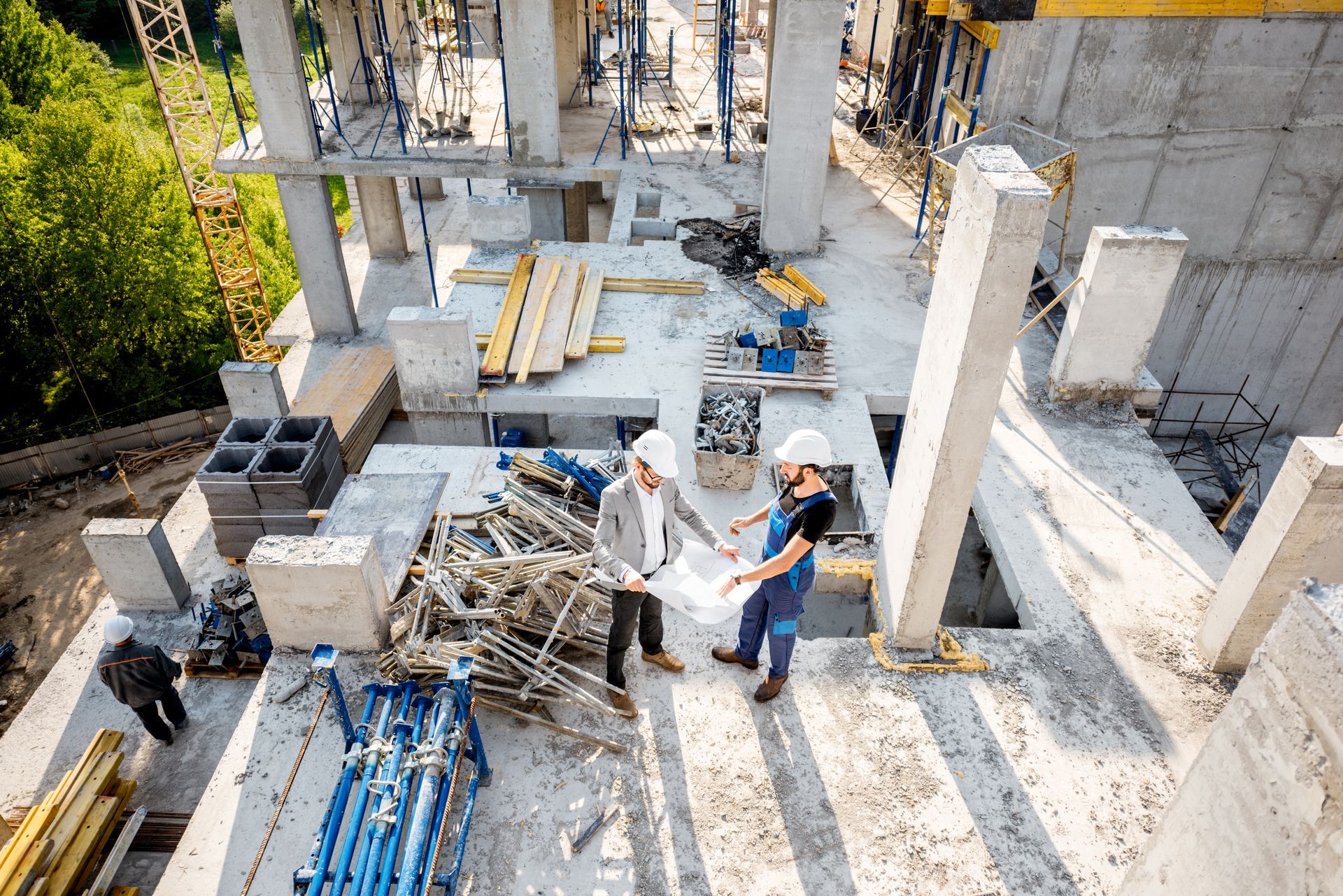
Construction and Trades Insurance
Coverage for job sites, vehicles, tools, and workplace risks.
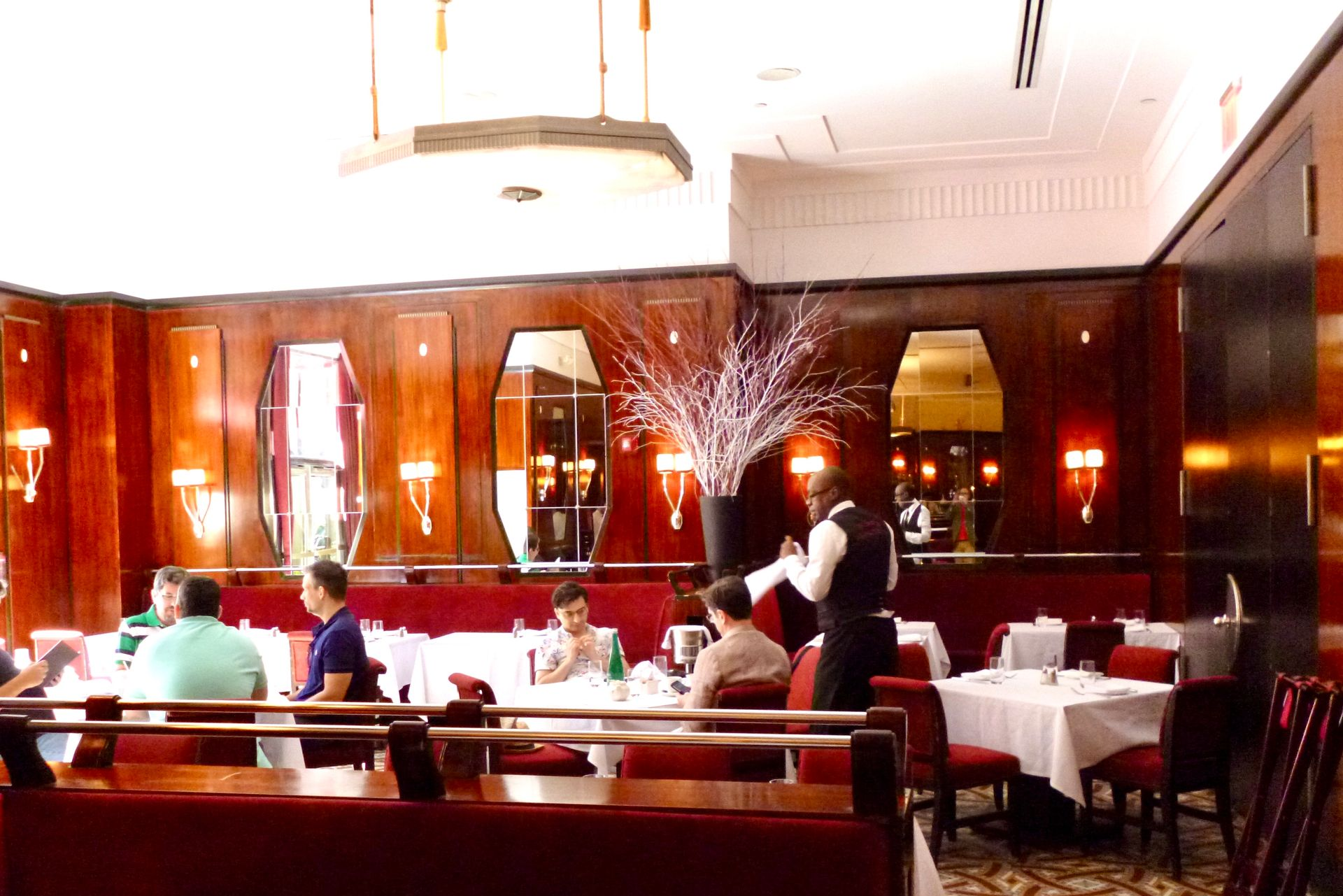
Hospitality Businesses Insurance
Insurance for restaurants, bars, and service-based operations.
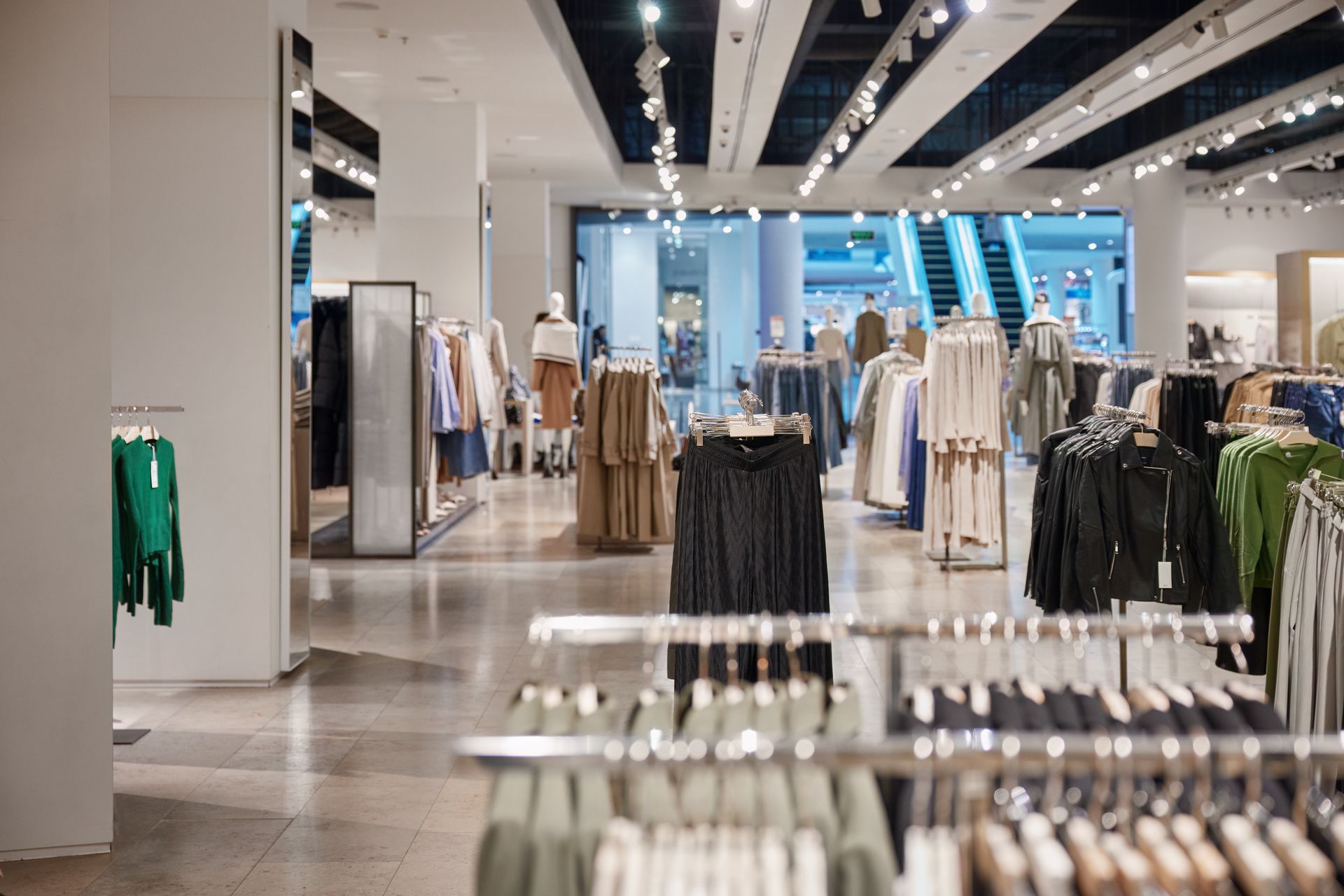
Retail and
Commercial Properties
Protection for storefronts, inventory, and customer-related liability.
Our Approach
Insurance Made Easy to Understand
Mesa Insurance Agency provides business insurance coverage that helps protect operations, employees, and property. We work with multiple carriers to offer coverage options that support daily business activities and long-term stability.
Insurance FAQs
Helpful Answers for Florida Clients
Support you can rely on.

What makes Mesa Insurance Agency different?
We are an independent agency with access to multiple carriers. This allows us to offer flexible coverage options.
Clients work directly with licensed agents. Service continues beyond the policy start date.
Do you offer coverage for individuals and families?
Yes. We provide personal insurance for individuals and families across Florida.
Coverage includes auto, home, health, life, and flood insurance. Our team explains each option clearly.
Do you work with small and mid-sized businesses?
Yes. We work with businesses of many sizes and industries.
Our team helps identify risks and secure appropriate coverage. Ongoing service is included.
Can I make changes to my policy later?
Yes. Policies can be updated as needs change.
We assist with coverage adjustments, additions, and removals. Clients can contact us directly for help.
Is flood insurance required in Florida?
Flood insurance is not always required, but it is strongly recommended in many areas.
Standard home insurance does not cover flood damage. Our team can review your flood risk and options.
How do I contact your office?
You can contact us by phone, email, or through our website.
Our team responds promptly during business hours. Support is always available when needed.
From the Blog
Insurance Topics That Matter
Clear answers for common questions.





Client Reviews
Trusted by Clients Across Florida
Mesa Insurance Agency is proud to serve individuals and businesses throughout Florida. Clients choose us for clear communication, responsive service, and reliable insurance support. Their feedback reflects our focus on long-term relationships and consistent service.
Contact Us