Rising market trends and evolving state regulations are reshaping how golf cart dealers approach insurance coverage in Florida. With shifting safety data and emerging legal requirements, ensuring the proper level of insurance can protect dealers, their customers, and their bottom lines. Interested parties should note that injury statistics and regulatory changes can significantly impact the standards for coverage, as discussed in expert sources such as Florida golf cart accident data.
This article delves deep into the nuances of insurance for golf cart dealers, details emerging safety concerns, updates on legal requirements, and market trends on the rise. It addresses practical issues that dealers face when balancing coverage needs with the demands of a growing industry. With the interplay of industry trends and regulatory efforts, Florida remains a key market where dealers must be vigilant about both operational safety and sound risk management.
Insurance Coverage Overview for Florida Golf Cart Dealers
Golf carts in Florida have evolved from being primarily leisure vehicles to holding significant roles in both residential communities and commercial enterprises. Dealers are not just selling vehicles; they are fostering mobility solutions that often traverse close residential quarters and busy resort areas.
Insurance coverage for golf cart dealers goes beyond the policies typically associated with other low-speed vehicles. A key insight from an AAA insurance expert highlights that golf carts and low-speed vehicles are insured in different ways. Dealers must therefore understand these distinctions to provide clear guidance to customers and maintain strong risk management practices. This awareness is crucial when advising on policies, since the specific design and usage of golf carts can affect claims in the event of an accident. Additional insights on insurance coverage differences can be found at this presentation from Traffic Safety Team.
Dealers should examine their policies to determine whether they cover both on-road and off-road operations, note any subdivisions in coverage that separate recreational use from business-related use, and always confirm that liability insurance covers incidents typically associated with golf cart collisions. These considerations are imperative when advising clients on choosing comprehensive policies that are not only compliant with state standards but also protective of their operational interests.

Understanding Florida’s Evolving Regulatory Landscape
State statutes and local regulations have seen significant shifts over recent years that directly impact dealers and operators of golf carts. Legal updates like Florida’s HB 949 play a significant role in how dealerships and operators approach operations and insurance.
Effective October 1, 2023, HB 949 mandates that operators under the age of 18 possess a valid learner’s permit or driver’s license when operating a golf cart. This regulatory change targets reducing the frequency of accidents among young operators and serves as a reminder for dealers to account for evolving driver safety rules in their risk assessments. More details on this regulation are available from legal experts in Citrus County, Florida.
This legislative update has wide-reaching effects. Not only does it elevate the standard for safe operation, but it also necessitates Dealers to ensure that their own insurance policies reflect the increased liability that may come with hiring younger drivers or offering test-driving services. Dealers should discuss such requirements with their insurers to mitigate any unanticipated liabilities stemming from non-compliance with state law.
Safety Concerns and Accident Statistics Impacting Dealers
Safety concerns surrounding golf carts have garnered attention as accident statistics have shown a concerning upward trend in recent years. Incidents in Florida alone have seen a notable increase in golf cart-related injuries, which calls for comprehensive risk management and appropriate insurance measures for dealers.
A report indicates that golf cart-related injuries in Florida jumped by 20% between 2015 and 2020, with the state reporting over 1,000 incidents annually (Florida accident statistics). Additionally, a study from The Villages reveals that almost half of golf cart crashes in that retirement community led to hospitalization, severe trauma, or death (The Villages study).
Such alarming trends underscore the importance of robust liability insurance coverage for golf cart dealers. Dealers must ensure that their insurance policies are structured to manage the heightened risk exposure that comes with operating in an environment where even leisure vehicles can lead to severe outcomes. With 13,000 annual emergency room visits nationwide attributed to golf cart accidents (emergency room visit data), there is a pressing need for policies that can withstand potential litigation and hefty medical claims.
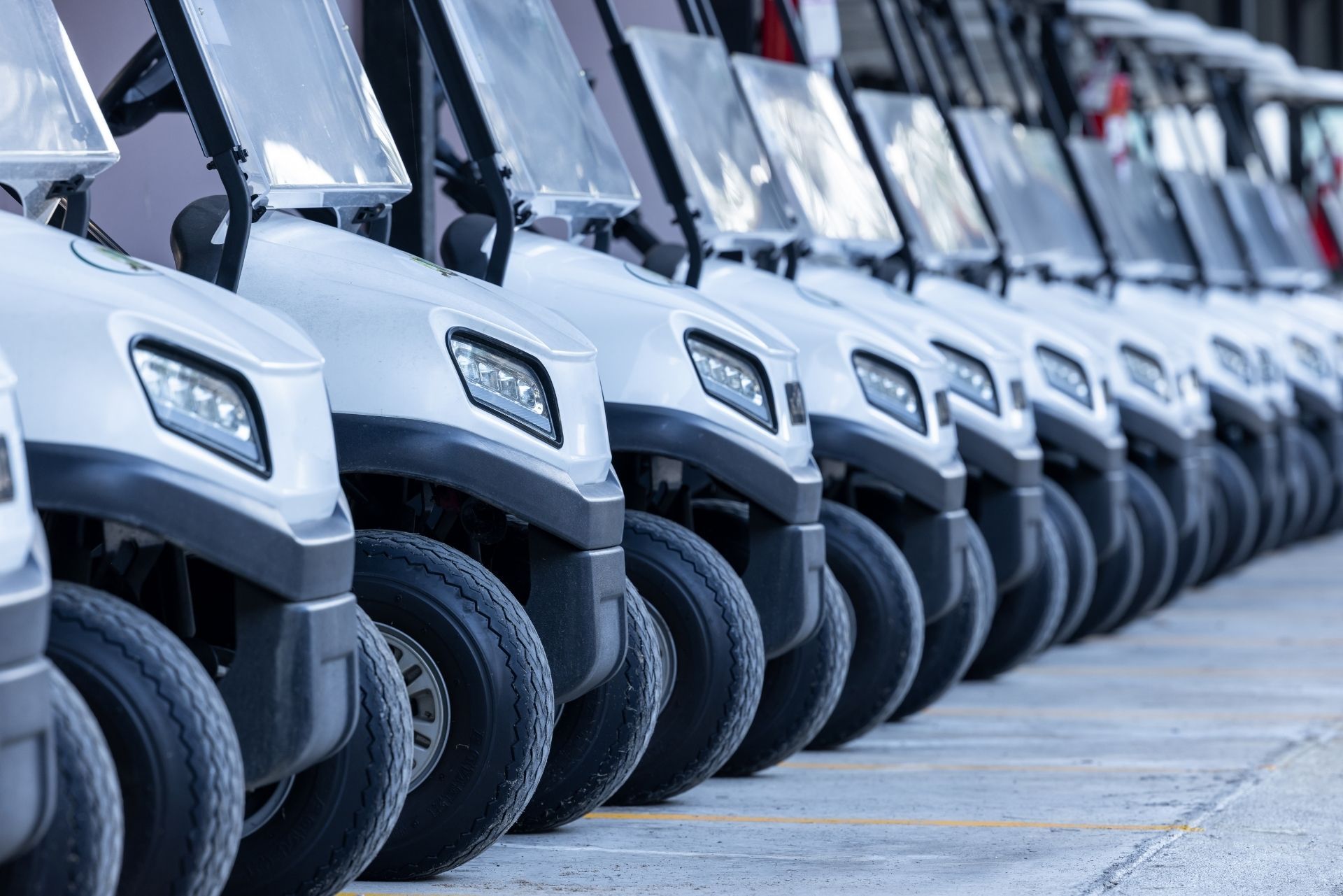
Industry Trends and Market Growth in Golf Carts
The golf cart market is undergoing a transformation marked by steady growth and an expansion into new uses. Once relegated solely to golf courses and retirement communities, these vehicles are now popular choices in a range of settings that include residential, commercial, and urban environments.
According to industry projections, the golf cart market in the United States is expected to grow from USD 6.2 billion in 2025 to USD 9.0 billion by 2035, reflecting a stable compound annual growth rate. This growth trajectory makes Florida, with its high concentration of retirement communities and tourist areas, an attractive market for golf cart dealers.
Market growth also means dealers will see increased competition and a need to adapt to diversified product lines. Dealers must understand that insurance coverage is not a one-size-fits-all solution. As the market expands and the market dynamics shift toward more customized and technologically advanced models, insurance policies need to incorporate these nuances. The broader economic outlook and specific market projections provided by industry reports, such as those highlighted in
Florida market reports, serve as a critical indicator of the future insurance landscape for golf cart dealers.
Essential Insurance Coverage Considerations for Dealers
For golf cart dealers in Florida, selecting the right insurance policy involves addressing multiple layers of exposure. From product liability to garage and lot coverage, each aspect of the business requires a tailored approach that balances comprehensive coverage with affordability.
Coverage should not only address damage and liability associated with accidents but also protect against unforeseen circumstances in the storage, display, or transportation of the vehicles. A pivotal aspect of crafting an effective insurance policy involves differentiating between coverage for golf carts used in commercial operations versus those deployed in residential communities. This distinction is critical because golf carts manufactured for varied uses can have distinct risk profiles that may influence claims.
Dealers must also consider additional aspects such as theft, vandalism, and potential natural disasters impacting outdoor storage areas common in Florida. Conducting an annual review of their insurance policies with an experienced agent helps ensure that the coverage remains aligned with the evolving risk environment and the expanding range of services provided by the dealership.
Comparing Coverage Options
Understanding the differences in coverage options offers clarity for dealers seeking balanced policies. The table below provides a side-by-side comparison of basic and extended coverage options to aid in the decision-making process.
| Coverage Feature | Basic Coverage | Extended Coverage |
|---|---|---|
| Liability Protection | Covers injuries and property damage resulting from accidents | Expanded limits providing additional protection in high-severity incidents |
| Property Damage | Standard protection against physical damage | Covers theft, vandalism, and natural disasters |
| Operational Interruptions | Limited coverage | Includes business interruption and lost revenue protection |
| Test-Drive Liabilities | May not be covered explicitly | Offers specific clauses for test-driving scenarios carried out by potential customers |
| Regulatory Compliance | Basic adherence to state regulations | Enhanced support for legal compliance, including risk mitigation consulting |
This comparison chart serves as a practical guide for dealers. It highlights that while basic coverage might suffice in steady, low-risk situations, extended coverage offers broader protection that can mitigate higher exposure in vulnerable operating environments. Dealers should not hesitate to invest in higher coverage where financial exposure could be significantly higher in the event of a claim.
Choosing the right package typically depends on several factors, including the volume of inventory on-site, the geographic location of the dealership, and the demographic profile of customers. Keeping these factors in mind can make the difference between a smooth claim process and an unexpected financial burden.
In parallel with insurance decisions, implementing safety measures at the dealership is crucial for risk mitigation. The lack of safety features in golf carts-such as seat belts and airbags-requires a proactive approach to minimize the impact of accidents. Experts like attorney Tim Babiarz remind dealers and operators that every measure counts, especially when vehicles lack the built-in safety features seen in passenger cars (Tim Babiarz on safety concerns).
Effective risk management strategies may include offering safety training to customers, installing safety signage on the premises, regularly maintaining golf cart fleets, and ensuring that test-drive areas are clearly delineated from public access. These steps do not just lower the probability of accidents; they might also help in negotiating lower insurance premiums by demonstrating a commitment to comprehensive risk management.
Dealers should consider incorporating regular audits of their operational safety protocols. By forging strong partnerships with local law enforcement and road safety organizations, dealerships can create an environment that encourages responsible use and protects against potential liability issues. This integrated approach is essential not only for protecting the business but also for safeguarding the lives and well-being of everyone on the premises.
Financial Considerations for Golf Cart Dealer Insurance
Financial prudence plays a central role in choosing the appropriate insurance package. Dealers must strike a balance between adequate coverage and cost efficiency, ensuring that premiums do not overly strain operational budgets while still guarding against high-cost liabilities.
Given the scale of the golf cart market in Florida, dealers often face challenges reconciling the need for robust coverage with competitive pricing. Many insurers offer customizable packages that can be tailored to match dealership size, inventory value, and risk exposure. Ensuring that every aspect-from liability protection to property damage-is covered reduces potential out-of-pocket expenses that might arise when unexpected incidents occur.
Comparing different insurers and coverage plans can reveal significant differences in cost and service levels. Dealers should request comprehensive quotes and consider long-term partnerships with insurers who demonstrate a deep understanding of the market. Transparent communication between dealers and insurance providers helps forge policies that meet both immediate operational needs and long-term financial strategies.
Evaluating Policy Costs Versus Benefits
Cost versus benefit analysis is an important exercise when assessing insurance options. While premium costs are an obvious consideration, the benefits of an extended coverage policy often outweigh initial savings found in basic plans. Benefits include higher liability limits, enhanced property damage coverage, and improved regulatory support during audits or litigation.
Dealers must also account for indirect costs, such as business interruption and potential damage to reputation in the event of a serious accident. Investing in superior insurance coverage not only mitigates these risks but also often provides access to risk management consulting and enhanced claims processing support.
This structured evaluation helps dealers protect their business from unforeseen financial setbacks while ensuring that operational resilience remains intact even when adverse events occur.
Customer and Dealer Education on Insurance Needs
Knowledge is power, especially when it comes to understanding complex insurance policies. Dealers play a crucial role in educating customers about the nuances of golf cart insurance coverage, helping them to make informed decisions when purchasing or leasing vehicles.
Educating clients on why distinct insurance options are necessary can build trust and establish a reputation for diligence and care. Dealers might hold informational sessions that explain the differences between policies, cover typical accident scenarios, and detail best practices for safe golf cart operation. Educational initiatives also help reinforce the importance of adhering to Florida’s new regulations on underage operation.
Promotion of these educational efforts can be integrated into daily operations or through digital outreach efforts, ensuring clarity around policy details and fostering buyer confidence. Dealers who take these steps not only demonstrate corporate responsibility but also position themselves as trusted authorities in the field.
Impact of Safety and Regulatory Issues on Insurance Claims
Rising accident rates, evolving state laws, and shifting market trends have a profound impact on insurance claims. Since golf cart-related injury rates have surged by over 130% in the past 15 years (injury rate studies), insurers are increasingly scrutinizing policies related to golf cart operations.
For golf cart dealers, this means that their claim histories may directly influence premium rates and policy terms. Insurers demand that dealers maintain detailed records of incidents, safety training sessions, and maintenance logs to justify lower claims rates. Ensuring that the dealership proactively manages these risks can translate into favorable policy adjustments over time.
In many cases, insurers provide incentives for comprehensive safety protocols and regulatory compliance. Dealers who consistently demonstrate adherence to updated regulations and invest in safety measures may qualify for premium discounts or more favorable coverage terms during policy renewals. The alignment of operational practices with insurer expectations is vital to sustaining both cost-efficiency and a robust risk management framework.
Adapting to an Evolving Market: Strategies for Dealers
Florida's dynamic market conditions necessitate that golf cart dealers remain agile and adaptive. Dealers must adopt forward-thinking strategies that integrate sound insurance planning, compliance with regulatory demands, and proactive operational safety. Keeping pace with industry trends, such as the shift towards technologically advanced models and diversified ride applications, is essential.
Strategic planning in this fast-changing environment involves regular policy assessments, and fostering strong relationships with both insurers and regulatory bodies. Continuous dialogue with insurance providers can help dealers stay abreast of potential policy adjustments in response to rising accident statistics or legislative changes.
Adapting to market demands may also include leveraging technological advancements that enhance safety and operational efficiency. Implementing digital tools that monitor vehicle diagnostics, track maintenance logs, and manage real-time risk assessments can fortify a dealership's reputation as a safety-first enterprise. Dealers who blend operational improvements with robust insurance strategies will be better positioned to manage risks and capture emerging market opportunities.
Frequently Asked Questions
What distinguishes golf cart insurance from general automotive insurance?
Golf cart insurance is tailored to the unique operational and design elements of golf carts. It typically addresses lower speeds, open-air designs, and scenarios specific to leisure and residential settings.
How do recent Florida regulations affect insurance needs?
Recent regulations, such as the requirement for underage operators to have a license or learner’s permit, have increased the liabilities for both operators and dealers. This means insurers may adjust policies to address these additional risk factors.
Should I opt for basic or extended coverage for my dealership?
The decision depends on your exposure to risk. Basic coverage may suffice for low-risk environments, but extended coverage is recommended if your operations include high traffic areas or if you offer test drive services.
Can safety measures at the dealership influence insurance premiums?
Yes, many insurers provide discounts for dealerships that implement regular safety training, adhere to maintenance protocols, and actively manage risk factors on-site.
How do market trends influence insurance pricing?
Increasing market demand, rapid growth, and higher accident statistics can lead to adjustments in premium pricing. Strong safety records and regulatory compliance may help mitigate potential increases.
Are there specific risks unique to Florida that insurers consider?
Florida’s climate, combined with high tourist activity in residential communities, can lead to unique risks such as weather-related accidents and higher incident rates, prompting insurers to factor these in when calculating premiums.
Wrapping Things Up
Florida’s golf cart market is experiencing robust growth that comes with its own set of challenges. Dealers are now faced with balancing ambitious market expansion with evolving safety standards and regulatory requirements. Taking a proactive approach to insurance planning can help protect dealers against the financial implications of rising accident rates and changing legislation.
Strong insurance policies that account for specific risks, comprehensive safety protocols, and a clear understanding of demographic trends provide a framework for navigating the complexities of this vibrant market. With the right coverage, dealers not only safeguard their business operations but also foster trust among consumers, ensuring that every ride is as safe as it is enjoyable.
By embracing a detailed and proactive insurance strategy, golf cart dealers in Florida position themselves to take advantage of the market’s growth while managing the risks associated with evolving operational challenges. The interplay between state regulations, market trends, and safety initiatives will continue to define the future of this niche industry, making continuous policy adaptation a top priority for every dealer.
ABOUT THE AUTHOR: PAUL RAMENTOL
I am the Owner and President of Mesa Insurance Agency. I help individuals and business owners across Florida secure personal and business insurance coverage that supports their needs. My focus is on clear guidance, direct communication, and long-term support without call-center delays or confusion.
Contact Us

Personal Coverage Options
Insurance Built for Everyday Protection
Mesa Insurance Agency provides personal insurance coverage designed to support daily life. Our team reviews risks and coverage needs to help clients secure dependable protection at fair rates.
Dental & Vision Insurance
Coverage that helps manage routine dental and vision care costs.

Business Coverage Options
Insurance Built for Business Protection
Mesa Insurance Agency provides business insurance coverage that helps protect operations, employees, and property. We work with multiple carriers to offer coverage options that support daily business activities and long-term stability.
Commercial Auto Insurance
Coverage for business-owned vehicles, drivers, and accident-related liability exposure.
General Liability Insurance
Protection against third-party injury, property damage, and common business liability risks.
Professional Liability Insurance
Coverage for claims related to professional services, advice, or service errors.
Workers’ Compensation Insurance
Coverage that helps support employees with work-related injuries and medical costs.
Commercial Property Insurance
Protection for buildings, equipment, inventory, and physical business assets.
Errors & Omissions Insurance
Coverage for financial losses caused by mistakes, omissions, or service-related claims.
Industries We Serve
Serving Businesses Across Multiple Sectors
Mesa Insurance Agency works with business owners across Florida to provide insurance coverage that supports daily operations. We understand common risks faced by different industries and help clients secure reliable protection.

Construction and Trades Insurance
Coverage for job sites, vehicles, tools, and workplace risks.

Hospitality Businesses Insurance
Insurance for restaurants, bars, and service-based operations.

Retail and
Commercial Properties
Protection for storefronts, inventory, and customer-related liability.
Our Approach
Insurance Made Easy to Understand
Mesa Insurance Agency provides business insurance coverage that helps protect operations, employees, and property. We work with multiple carriers to offer coverage options that support daily business activities and long-term stability.
Insurance FAQs
Helpful Answers for Florida Clients
Support you can rely on.

What makes Mesa Insurance Agency different?
We are an independent agency with access to multiple carriers. This allows us to offer flexible coverage options.
Clients work directly with licensed agents. Service continues beyond the policy start date.
Do you offer coverage for individuals and families?
Yes. We provide personal insurance for individuals and families across Florida.
Coverage includes auto, home, health, life, and flood insurance. Our team explains each option clearly.
Do you work with small and mid-sized businesses?
Yes. We work with businesses of many sizes and industries.
Our team helps identify risks and secure appropriate coverage. Ongoing service is included.
Can I make changes to my policy later?
Yes. Policies can be updated as needs change.
We assist with coverage adjustments, additions, and removals. Clients can contact us directly for help.
Is flood insurance required in Florida?
Flood insurance is not always required, but it is strongly recommended in many areas.
Standard home insurance does not cover flood damage. Our team can review your flood risk and options.
How do I contact your office?
You can contact us by phone, email, or through our website.
Our team responds promptly during business hours. Support is always available when needed.
From the Blog
Insurance Topics That Matter
Clear answers for common questions.







Client Reviews
Trusted by Clients Across Florida
Mesa Insurance Agency is proud to serve individuals and businesses throughout Florida. Clients choose us for clear communication, responsive service, and reliable insurance support. Their feedback reflects our focus on long-term relationships and consistent service.
Contact Us