A busy event rental company in Florida might experience a situation where a large outdoor event is canceled due to unexpected severe weather, or a piece of equipment fails at a critical moment. When equipment or property is at risk, solid insurance coverage acts as a business’s safety net. As Florida’s market evolves, so do the risks that event rental companies face. Insurers and industry experts note that rising construction replacement costs and increased reinsurance expenses are significant factors behind premium hikes. For more detailed insights on these trends, refer to experts quoted by the Insurance Journal.
This article examines the necessity for event rental companies to have specialized insurance coverage, explores the components of a comprehensive insurance portfolio, and addresses current market trends shaping premium changes. Business leaders will find practical examples, supported by recent research, that highlight why the decision to insure event equipment is becoming critical in Florida's dynamic market.
Understanding the Unique Risk Landscape for Event Rental Companies
Event rental companies in Florida face an array of risks ranging from physical damage to equipment during transport and setup to unexpected property damage during events. Such companies often operate with significant capital investment in equipment that must stand up to repeated use and unpredictable weather conditions. Recognizing these potential hazards is the first step towards ensuring that proper coverage is secured.
The complexity of Florida’s environment, with its high reinsurance exposure and shifting claims landscape, means that standard policies may not always provide the necessary protection. For instance, some commercial policies can escalate by over 200% at renewal, as observed by industry insiders like Raymond Tahhan, CEO of Summit Restoration (Forbes). This degree of fluctuation underlines the importance of understanding and managing risk systematically.
Equipment rental businesses must consider factors such as storm-related damage, accidental misuse of equipment at events, or even logistical losses that can occur en route to a location. Each of these elements requires tailored insurance products designed to minimise potential financial setbacks.

Key Components of a Comprehensive Event Rental Insurance Policy
When shopping for insurance, event rental companies in Florida should seek policies that not only cover physical damage but also address potential business interruptions. A well-rounded insurance package typically includes several key components:
Property Coverage
This facet of the insurance portfolio protects business assets including event equipment, storage facilities, and other physical properties. Given the volatility seen in Florida’s residential and commercial policies, with premium increases reportedly tied to inflation in construction replacement costs (Insurance Journal), property coverage should be robust enough to accommodate rapid increases in replacement expenses.
Considering the fluctuating nature of Florida’s insurance landscape, where direct premiums have risen sharply, companies must ensure that their policy value keeps pace with current market valuations. This is particularly crucial for event rental companies where even a minor loss can disrupt a planned event significantly.
General Liability Insurance
This component protects the business against claims arising from bodily injury or property damage that may occur during event operations. Whether an attendee suffers an injury due to a tripping hazard or a venue experiences property damage related to the rented equipment, having general liability insurance can prevent costly litigation or compensation claims.
Experts highlight that legal disputes or claims often trigger unexpected expenses, making general liability insurance a must-have. With Florida-specific challenges and the unique risks of working in crowded event environments, this coverage ensures that businesses aren’t left vulnerable to lawsuits that could cripple operations.
Business Interruption Insurance
Business interruption coverage is essential for event rental companies. In an event where an unforeseen disruption, such as severe weather, causes cancellation or delays, companies may lose significant revenue. Data shows that over 65% of business interruption claims in Florida are resolved within three months (Noble Public Adjusting Group).
This quick turnaround in claim resolutions can aid companies in covering temporary operational costs without facing crippling financial burdens. However, companies must understand the fine details, including waiting periods and caps on payout, before finalising coverage.
Securing business interruption insurance not only provides peace of mind during emergencies but also ensures that contractual obligations to vendors and clients are met, even while the business undergoes recovery.
Market Trends and the Impact on Premiums
Recent market trends indicate that Florida’s insurance landscape is undergoing significant changes driven primarily by inflation and adjustments in reinsurance costs. Over the period from late 2022 to early 2025, personal residential and commercial insurance policies in Florida have increased by roughly 4%, while total direct premiums written have soared by almost 40% (Insurance Journal).
This disparity illustrates that while the number of policies might only be moderately increasing, the financial exposure per policy is rapidly expanding. Event rental companies must be proactive in understanding these trends, as the higher exposure directly translates to more expensive policies. As a result, careful budgeting for insurance expenses is increasingly necessary.
For companies that do not adjust their coverage or fail to provide adequate insurance premium budgets, the risks become twofold: not only do they face higher premium costs during policy renewal, but they also risk having their claims denied. For example, data from 2024 shows that almost 47% of homeowners' claims closed in Florida were denied, up from 40% in 2022 (Insurance Business Magazine). Although this statistic specifically concerns homeowners' policies, the trend points to increasingly stringent claim processes across various insurance segments.

Special Considerations for Event Equipment Rentals
Event equipment is often regarded as high-value assets that necessitate specialized coverage. From tents and lighting systems to audiovisual equipment and staging, many items represent significant investments that are sensitive to environmental conditions. While standard property policies provide a degree of coverage, event rental companies should also explore specialized endorsements that account for the unique risks of rental operations.
Given Florida’s particularly high reinsurance exposure at 40%, the cost of insurance remains above the national average (PropertyOnion). As insurers factor in these heightened risks, policy premiums have seen sharp escalations. For companies that need to rent equipment frequently, ensuring that coverage includes replacement cost clauses that adjust with inflation is not only smart-it’s vital.
Additionally, industry experts recommend that rental companies maintain clear documentation of equipment conditions, regular maintenance logs, and accurate records of equipment usage. Such diligence can facilitate smoother claim processes and can sometimes help in negotiating better rates with insurers.
Strategies for Managing Increasing Premiums
Although rising premiums are increasingly common in Florida’s insurance scene, there are proactive measures event rental companies can take to mitigate these financial concerns. For example, some companies are now engaging in risk management programs that focus on reducing overall exposure. By investing in improved safety protocols, advanced maintenance schedules, and employee training, companies can present themselves as lower risks to insurers.
Insurers value partnerships that aim to proactively manage risks, which may help in obtaining more competitive premium rates or better policy terms. Even seemingly small investments in enhancing operational safety can have a notable impact over time. With premium hikes on the horizon, understanding the underlying causes-such as inflation in construction replacement costs-provides actionable insights for companies to act on (Insurance Journal).
Another strategy is to adopt flexible coverage options that allow companies to scale their protection based on current needs. For instance, during off-peak seasons or when equipment is less frequently rented, policies that have adjustable limits can save money while still providing necessary coverage.
Integrating Risk Management with Insurance Coverage
Risk management lies at the heart of reducing insurance premiums and mitigating potential losses. For event rental companies, an integrated approach combining insurance with strict risk management protocols is essential. This means investing in not only quality equipment but also in systems and technologies that help in monitoring and preventing loss.
Practical measures include enhanced training for employees, clear safety protocols during equipment setup and teardown, and regular audits of equipment conditions. Such steps can reduce incident rates, leading to fewer claims. As insurers see a lower risk profile, premium quotes may adapt accordingly. An industry study emphasizes that a lower incident rate and concise coverage documentation lead to smoother claims processes, with one study showing that a significant proportion of business interruption claims in Florida are resolved promptly (Noble Public Adjusting Group).
Aligning with risk management practices not only improves the day-to-day functioning of event rental operations but also builds trust with insurance providers. This improved trust can be an asset when negotiating yearly renewals or when the market shifts suddenly, as is common in Florida.
Understanding Policy Nuances and Renewal Challenges
Renewal periods are a critical time for event rental companies as they offer an opportunity to reassess current coverage and adjust terms based on evolving risk profiles. In Florida, where premium increases are influenced by both external market factors and internal risk assessments, understanding the nuances of each policy is essential.
Reviewing policy details such as coverage limits, deductibles, and clauses related to inflation adjustment is mandatory. Insurers may update their policies or their underwriting criteria periodically, reflecting broader market trends like the increased reinsurance exposure noted to be the highest in the country (PropertyOnion).
Event rental companies should work closely with insurance brokers who understand these market intricacies. Such collaboration not only helps in negotiating better renewal terms but also aligns the company’s risk management strategies with insurer expectations. Detailed assessments of the rental fleet and historical claims data can provide valuable leverage during policy review sessions.
Case Study: Navigating Claims and Maintaining Coverage
Consider an event rental company that had to cancel a series of high-profile events due to unexpected weather challenges. Despite having robust policies, lengthy claim processes and unexpected claim denials can severely impact finances. Data suggests that claim denials in Florida have increased over recent years, with nearly 47% of closed homeowners' claims being turned down in 2024 (Insurance Business Magazine).
In this scenario, the company had previously invested in enhanced risk management training, establishing detailed logs for equipment condition and maintenance. This proactive approach not only minimized the direct financial impact but also served as crucial evidence during the claims process. While the insurer initially raised concerns over delayed documentation, the comprehensive records eventually led to a successful claim settlement. This case underscores the value of maintaining detailed operational records and clear communication channels with insurers.
Such experiences serve as valuable lessons for other businesses. Amid rising premiums and an increasingly complex risk environment, a combination of strong insurance policies and diligent risk management can mitigate potential losses. Companies that prepare for renewal with the benefit of detailed documentation and streamlined internal processes tend to fare better during market volatility.
Practical Steps for Obtaining the Right Coverage
For event rental companies navigating the challenging insurance market of Florida, several practical steps can help in attaining robust and cost-effective coverage. The first step is to perform a comprehensive risk assessment covering both operational and environmental risks. This assessment should guide the selection of insurance products tailored to the company’s specific needs.
Companies should inquire about endorsements that target unique operational challenges. For example, coverage for short-term equipment hire, event-specific liabilities, and loss of income from cancellations are essential add-ons. By addressing each risk area directly, the insurance policy becomes a reliable tool that supports business sustainability even in the face of disruptions.
Engaging with knowledgeable brokers who fully understand the nuances of Florida’s market can further enhance a company’s ability to secure favorable policy terms. Brokers can highlight less obvious policy options or alternative coverage arrangements that might offer more comprehensive protection against the multifaceted risks inherent in event rental operations.
Comparing Coverage Options at a Glance
A tabular comparison can help illustrate the different insurance components available to Florida event rental companies. The table below highlights key distinctions between basic coverage and extended coverage options.
| Coverage Component | Basic Coverage | Extended Coverage |
|---|---|---|
| Property Protection | Covers physical damage to equipment and storage. | Includes adjustable replacement cost clauses and inflation protection. |
| General Liability | Limits coverage for bodily injury and property damage claims. | Expands coverage to include event-specific risks and extended limits. |
| Business Interruption | Standard payout limits and recovery periods. | Enhanced benefits with lower waiting periods and higher payout caps. |
| Risk Management Endorsements | May not include special endorsements. | Often bundled with risk management consulting and training programs. |
This side-by-side comparison emphasizes how extended coverage options provide an extra layer of security and flexibility in a market where premium hikes and claim denials are becoming more common.
Regulatory and Economic Factors to Consider
Florida’s insurance market is unique due to its exposure to natural hazards, regulatory stipulations, and economic fluctuations. Rising construction replacement costs are among the key triggers for premium increases, and many experts have highlighted the impact of such economic factors on the overall insurance pricing structure (Insurance Journal).
In addition to economic influences, regulatory changes have reshaped the landscape, affecting both policy wording and claims handling procedures. The notable shift in reinsurance exposure, now at 40% in Florida, results in higher premiums when compared to the national average. Understanding these dynamics is pivotal for event rental companies when negotiating renewals and evaluating potential adjustments to their coverage.
Regulatory pressures also force insurers to tighten claim qualification criteria. Research indicates that claim denial rates have risen, a trend that underscores the necessity for clear policy documentation and risk management practices to meet rigorous insurer scrutiny.
Final Thoughts on Securing the Right Coverage
For event rental companies in Florida, securing the right insurance policy is as critical as maintaining a reliable inventory of event equipment. The evolving market landscape, characterized by rising premiums, increasing claim denial rates, and the inherent risks of operating in a region prone to severe weather, calls for a proactive approach.
By integrating comprehensive risk management strategies with carefully selected policies that cover property damage, liability, and business interruptions, companies can safeguard their operations against unforeseen disruptions. The case of a sharp rise in commercial policy renewals-sometimes exceeding a 200% hike as noted by industry experts-serves as a cautionary tale for businesses to prepare well in advance (Forbes).
Ultimately, staying informed, reviewing risk profiles regularly, and consulting with experienced brokers can help event rental companies not only secure cost-effective coverage but also build resilience in an uncertain market environment.
Frequently Asked Questions
Q: Why is specialized insurance important for event rental companies?
A: Specialized insurance addresses unique risks such as equipment damage, liability during events, and business interruption, ensuring that companies are protected in scenarios where standard policies might fall short.
Q: What factors contribute to rising insurance premiums in Florida?
A: Increased construction replacement costs, higher reinsurance expenses, and Florida's unique exposure to natural hazards all contribute to rising insurance premiums (Insurance Journal).
Q: How can event rental companies manage increasing premiums?
A: Investing in risk management, aligning operational protocols with insurer expectations, and selecting flexible coverage options can help manage rising premiums.
Q: What should companies look for during policy renewal?
A: Companies should review coverage limits, deductibles, inflation adjustment clauses, and documented risk management practices to ensure that their policy aligns with evolving market trends.
Q: Are there benefits to using extended coverage options?
A: Extended coverage options often include enhanced limits for liability, property protection with inflation safeguards, and additional risk management endorsements that can reduce overall exposure.
Q: How can proper documentation help during a claim?
A: Detailed records of equipment maintenance and operational protocols can simplify the claims process and support a successful settlement if an incident occurs.
With the right mix of comprehensive coverage, proactive risk management, and periodic policy review, event rental companies in Florida will be better equipped to navigate an increasingly volatile insurance market. Staying informed about market trends and adjusting strategies accordingly can make all the difference for businesses operating in this high-risk, dynamic environment. Insured businesses are better positioned to thrive even amidst premium hikes and regulatory changes, ensuring that every event proceeds without unexpected interruptions.
ABOUT THE AUTHOR: PAUL RAMENTOL
I am the Owner and President of Mesa Insurance Agency. I help individuals and business owners across Florida secure personal and business insurance coverage that supports their needs. My focus is on clear guidance, direct communication, and long-term support without call-center delays or confusion.
Contact Us

Personal Coverage Options
Insurance Built for Everyday Protection
Mesa Insurance Agency provides personal insurance coverage designed to support daily life. Our team reviews risks and coverage needs to help clients secure dependable protection at fair rates.
Dental & Vision Insurance
Coverage that helps manage routine dental and vision care costs.

Business Coverage Options
Insurance Built for Business Protection
Mesa Insurance Agency provides business insurance coverage that helps protect operations, employees, and property. We work with multiple carriers to offer coverage options that support daily business activities and long-term stability.
Commercial Auto Insurance
Coverage for business-owned vehicles, drivers, and accident-related liability exposure.
General Liability Insurance
Protection against third-party injury, property damage, and common business liability risks.
Professional Liability Insurance
Coverage for claims related to professional services, advice, or service errors.
Workers’ Compensation Insurance
Coverage that helps support employees with work-related injuries and medical costs.
Commercial Property Insurance
Protection for buildings, equipment, inventory, and physical business assets.
Errors & Omissions Insurance
Coverage for financial losses caused by mistakes, omissions, or service-related claims.
Industries We Serve
Serving Businesses Across Multiple Sectors
Mesa Insurance Agency works with business owners across Florida to provide insurance coverage that supports daily operations. We understand common risks faced by different industries and help clients secure reliable protection.
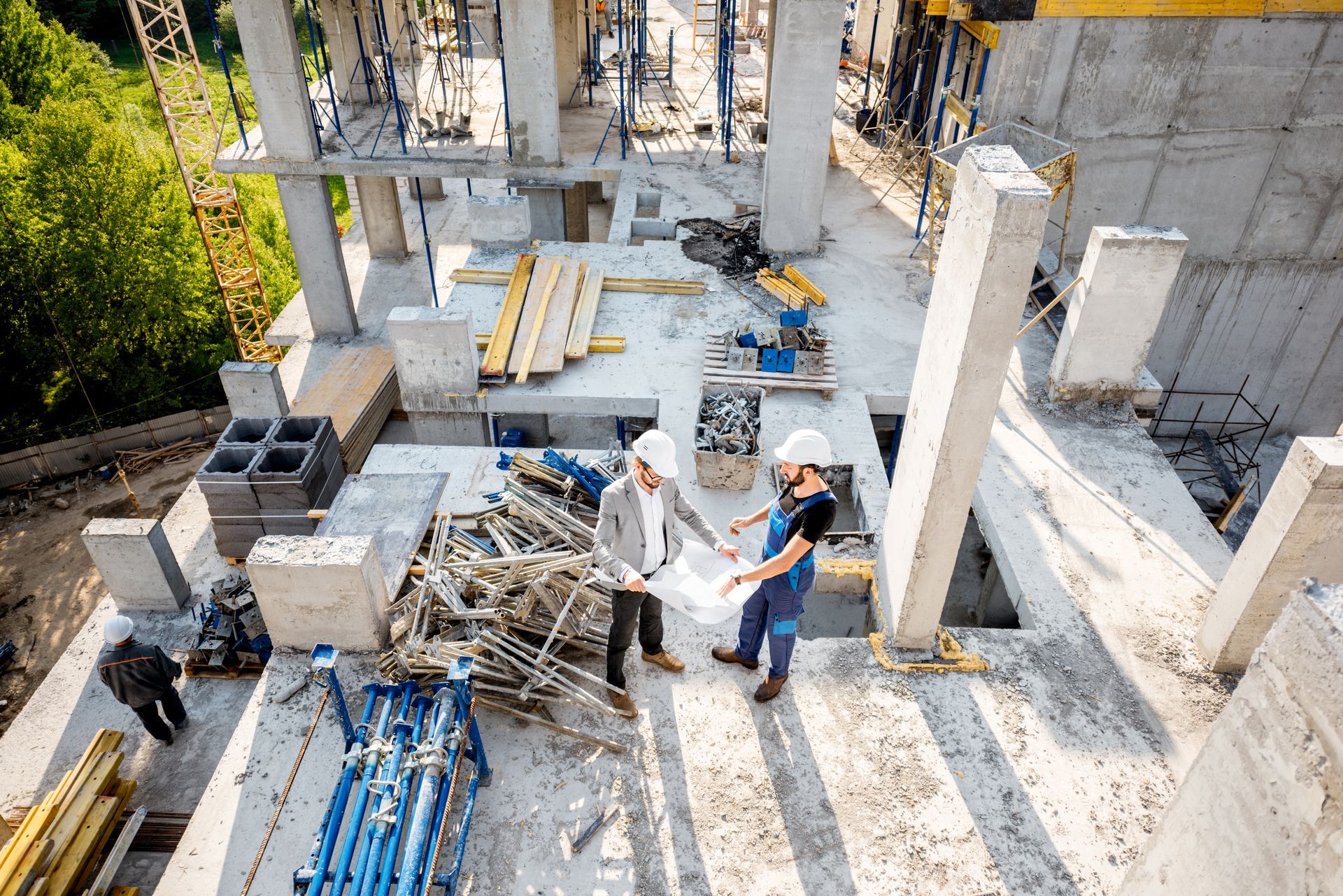
Construction and Trades Insurance
Coverage for job sites, vehicles, tools, and workplace risks.

Hospitality Businesses Insurance
Insurance for restaurants, bars, and service-based operations.

Retail and
Commercial Properties
Protection for storefronts, inventory, and customer-related liability.
Our Approach
Insurance Made Easy to Understand
Mesa Insurance Agency provides business insurance coverage that helps protect operations, employees, and property. We work with multiple carriers to offer coverage options that support daily business activities and long-term stability.
Insurance FAQs
Helpful Answers for Florida Clients
Support you can rely on.

What makes Mesa Insurance Agency different?
We are an independent agency with access to multiple carriers. This allows us to offer flexible coverage options.
Clients work directly with licensed agents. Service continues beyond the policy start date.
Do you offer coverage for individuals and families?
Yes. We provide personal insurance for individuals and families across Florida.
Coverage includes auto, home, health, life, and flood insurance. Our team explains each option clearly.
Do you work with small and mid-sized businesses?
Yes. We work with businesses of many sizes and industries.
Our team helps identify risks and secure appropriate coverage. Ongoing service is included.
Can I make changes to my policy later?
Yes. Policies can be updated as needs change.
We assist with coverage adjustments, additions, and removals. Clients can contact us directly for help.
Is flood insurance required in Florida?
Flood insurance is not always required, but it is strongly recommended in many areas.
Standard home insurance does not cover flood damage. Our team can review your flood risk and options.
How do I contact your office?
You can contact us by phone, email, or through our website.
Our team responds promptly during business hours. Support is always available when needed.
From the Blog
Insurance Topics That Matter
Clear answers for common questions.






Client Reviews
Trusted by Clients Across Florida
Mesa Insurance Agency is proud to serve individuals and businesses throughout Florida. Clients choose us for clear communication, responsive service, and reliable insurance support. Their feedback reflects our focus on long-term relationships and consistent service.
Contact Us