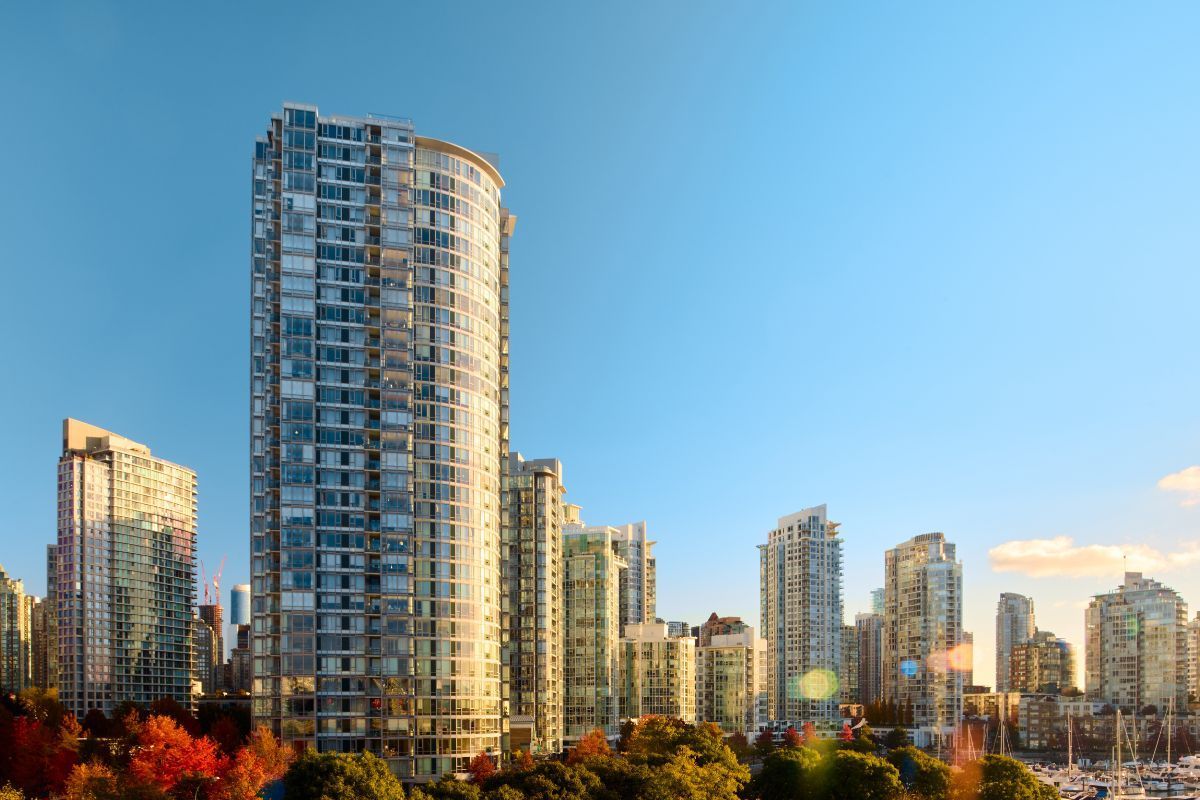
A landmark office tower in downtown West Palm Beach stands as evidence that strong risk management can secure commercial dreams even in challenging weather. Insurance professionals and business owners alike know that property insurance is more than just a monthly expense-it is a tool to nurture growth and manage unpredictability. A deep understanding of this insurance is key to thriving in a market where factors such as inflation, severe weather events, and regulatory changes play a significant role.
This guide explores the landscape of commercial property insurance in West Palm Beach, linking insights to current trends in Florida's property market while examining insurance challenges, coverage options, and practical strategies. Information from industry experts and regulatory updates helps frame this discussion, including insights from
Florida Surplus Lines Office and
Karen Clark & Co..
Understanding the West Palm Beach Commercial Property Climate
The vibrant economic landscape in West Palm Beach is attracting investment in office spaces, retail locations, and industrial properties. Recent reports show that such commercial districts are witnessing record-low vacancy rates, especially in Class A office spaces where vacancies hover around 9–10% in downtown West Palm Beach (Great Report).
Insurance plays an important role in safeguarding these real estate assets. The particular combination of Florida’s weather patterns and the evolving commercial landscape raises unique challenges in underwriting policies. With factors like inflation and reinsurance costs affecting premium levels, property insurance remains a critical pillar supporting the commercial property market.
Business owners in West Palm Beach should consider the interplay between market conditions and insurance premiums when planning investments and expansion strategies. While the region’s strong market performance in commercial real estate is promising, it is also indicative of the need for comprehensive insurance products that can cover potential risks from natural disasters to regulatory changes.

Market Trends and Their Impact on Property Insurance
Commercial Growth Influencing Insurance Strategies
Commercial property markets across Florida have experienced dynamic changes in recent years. In 2023, the state's commercial property market saw a growth surge exceeding 42% across various segments (Florida Surplus Lines Office). This phenomenal uptick has not come without its challenges, particularly for property insurance providers.
Rapid growth can lead to mismatches between property valuation and actual risk profiles. Investors need to examine how their coverage stacks up against markets marked by soaring property values and increased exposure. Insurance policies have had to adapt as coverage demands shift from basic property protection to more detailed policies that address emerging risks such as operational interruptions during natural disasters.
Considering these trends, commercial policyholders are focusing on policies that not only cover property damage but also secure business continuity. Insurance professionals recommend scrutinizing policy details to ensure comprehensive coverage without gaps.
Regulatory Changes and Emerging Players
Recently, regulatory reforms have influenced market dynamics significantly. In 2024, six new insurers entered the Florida market, a development powered by statewide tort reform legislation (CBRE). This opening has created new avenues for businesses and has had a ripple effect on how commercial property insurance policies are structured.
The introduction of additional players has brought competitive pricing and finer distinctions in policy offerings. Increased competition typically results in more innovative products, which can benefit West Palm Beach business owners seeking tailored solutions. With more choice comes the need for careful policy comparison, ensuring each coverage meets specific business requirements.
As insurance companies evolve their offerings in response to regulatory changes, buyers should leverage the competitive environment to secure optimal terms and comprehensive coverage.
Challenges Faced by West Palm Beach Businesses
Weather-Related Risks and the Growing Impact of Natural Disasters
Florida is known for its unpredictable weather, and West Palm Beach is no exception. The exposure to hurricanes and severe convective storms greatly complicates commercial property insurance. In the first quarter of 2023, natural disasters around the globe resulted in significant insured losses, which put considerable pressure on insurers (CRED iQ).
Hurricanes and severe storms can lead to costly claims, affecting both the insured and their insurers. This environment influences premium calculations that can be volatile. Insurance companies are increasingly rigorous in underwriting processes, with tighter controls and stricter assessment criteria. Business owners must ensure that they understand every element of their policy, especially when coverage limits might need adjustment over time.
Additional risk factors such as inflation and reinsurance costs have made property insurance a moving target. Many experts note that these factors contribute to higher premiums for homeowners and commercial properties alike (Karen Clark & Co.).
Economic Fluctuations and Market Volatility
The commercial real estate market in Florida has not only rebounded but is reaching new peaks, as noted in Palm Beach County where sales volumes surged by 44% to $2.6 billion in 2024 (Quantum Realty Advisors). However, rapid growth in property values prompts insurers to carefully assess risk exposures.
Volatile markets can lead to sudden increases in insured value, potentially driving up costs if policies are left outdated or underinsured. Business owners must stay abreast of market trends and periodically review their insurance coverage. Reactive measures, such as re-assessment and policy updates, help mitigate unforeseen risks and ensure that policies evolve alongside market conditions.
This cyclical nature of the market means buyers must be strategic with their insurance decisions, balancing cost and risk while keeping a close eye on both local developments and broader economic trends.

Key Elements of Commercial Property Insurance Policies
Property Coverage Essentials
A comprehensive commercial property insurance policy provides the foundation for protecting assets. Most policies include coverage for the physical building, equipment, and critical business infrastructure. This protection is crucial in a region like West Palm Beach where properties can be highly valued and susceptible to natural disasters.
Policy essentials often encompass protection against fire, wind damage, and water damage due to storm-related incidents. Detailed endorsements offer additional safeguards tailored to high-risk environments. Evaluating policy limits and ensuring that recovery costs are adequately covered is an essential part of any review process.
Policyholders should also check whether their policy includes business interruption coverage since downtime following a disaster can result in significant revenue loss. Aligning the policy with business needs creates a buffer against unexpected events.
Special Considerations for Retail and Office Spaces
West Palm Beach's diverse commercial sector means that retail properties and office buildings face unique challenges. Recent data suggests that retail property sales experienced a decline of 14.7% compared to previous measures (Cushman & Wakefield), yet the need for robust insurance remains unchanged.
Retail assets, due to their public-facing nature, must account for risks such as accidents on the premises or sudden environmental hazards. Likewise, office spaces not only require coverage for structural issues but also for the technology and furnishings that support business operations.
Insurance experts advise that the policy for commercial offices should be reviewed regularly. Market fluctuations in downtown West Palm Beach, where demand is high and vacancy rates are near record lows, necessitate policies that can adapt to changes in property usage and value.
How to Evaluate Your Commercial Property Insurance Needs
Step-by-Step Policy Review
Evaluating a commercial property insurance policy involves a multi-faceted approach, beginning with a detailed risk assessment. Business owners should list all potential scenarios-from extreme weather events to minor property damages-that might impact operations. By assessing these risks, companies can better determine whether their current coverage levels are sufficient.
Start by reviewing the replacement cost values listed on the policy. Many policies will specify a particular valuation method that might not hold for all types of investments. Confirm that the insured value reflects current market conditions and escalating expenses due to inflation and other cost-increasing factors.
Next, verify that all areas of potential exposure are addressed. Areas of risk such as cyber vulnerabilities, which could compromise logistical or financial data, may not be directly related to the physical premises but can influence overall risk posture.
Comparing Coverage Options with a Handy Chart
To help unravel the various facets of commercial property insurance, the following table offers a side-by-side comparison of two common coverage plans. Each type of coverage brings distinct strengths and limitations based on factors like physical damage, business interruption, and additional liabilities.
| Coverage Feature | Basic Property Coverage | Extended Coverage Package |
|---|---|---|
| Building Damage | Standard limits covering fire, wind, and water damage | Enhanced limits with coverage for rebuilding costs after disasters |
| Business Interruption | Limited compensation for lost income | Comprehensive coverage including supply chain interruptions |
| Additional Perils | Optional endorsements available | Broader range of perils such as cyber and environmental hazards |
| Risk Assessment Frequency | Annual review recommended | Bi-annual review for high-risk areas |
This comparison helps illustrate the distinctions between basic and extended coverage options. Business owners can use such comparisons to determine which policy aligns closer with their operational needs and budget.
Before finalizing any policy, a consultation with an experienced insurance broker who understands local market trends and property specifics is invaluable.
Practical Tips for Securing Effective Coverage
Optimizing Policy Terms and Coverage Levels
Securing effective commercial property insurance in West Palm Beach requires a mix of diligent planning and practical evaluation. Businesses should routinely compare insurance offers and seek recommendations from trusted industry experts. A careful review of the policy fine print can reveal hidden exclusions that might leave gaps in coverage.
When determining the adequate level of coverage, it is essential to account for both current property values and anticipated market growth. With Palm Beach County recording significant increases in property sales volume and office space demand, ensuring that the insurance policy adapts to market dynamics is vital (Great Report).
Additionally, businesses should consider bundling different types of coverage policies where possible. This not only simplifies administration but could also lead to discounts. Regular updates and periodic policy reviews help maintain a resilient safety net as property values and risk factors evolve.
Working with Insurance Experts and Brokers
The expertise of insurance brokers can prove beneficial when navigating a complex market like that of West Palm Beach. Trusted brokers bring a wealth of knowledge drawn from localized market conditions and current trends in the commercial insurance space. A seasoned agent will help identify risks that are unique to the area and recommend policy adjustments that cater to fluctuations like those resulting from severe weather events.
Insurance professionals with local expertise understand that even subtle shifts in market dynamics can lead to changes in property valuation and insurance premiums. Regular interaction with these experts ensures that policy terms remain competitive and aligned with new developments such as regulatory modifications and market shifts.
Business owners should leverage expert advice not only during the initial setup of their insurance policy but also during periodic reviews. A collaborative partnership with brokers can ultimately translate into more reliable risk management and financial prudence.
Looking Ahead: Preparing for Future Challenges
Adapting to an Evolving Market
Rapid growth in the commercial sector, combined with increasing market volatility, requires a forward-thinking approach to property insurance. The market in Florida has seen significant evolution, including new insurer entries and regulatory reforms as recently seen in 2024 (CBRE). Local businesses are encouraged to adopt policies that are flexible enough to adapt to emerging risks.
Insurance products need to provide not just traditional property protection but also resiliency measures against future disruptions. For instance, clauses addressing escalation in rebuilding costs or additional endorsements for specific local risks can be invaluable. This proactive approach can guard against pitfalls that a static policy might overlook.
Meanwhile, business leaders are increasingly aware that property insurance is a crucial defensive tool in a broader risk management strategy. Investments in versatile coverage now are likely to pay dividends when economic or climatic conditions shift suddenly.
Enhancing Resilience through Tailored Strategies
For companies seeking to safeguard their investments, resilience means more than simply hoping for the best. It requires a strategic approach to both property management and insurance coverage. Evaluating scenarios through detailed risk assessment and leveraging the expertise of seasoned insurance professionals can yield significant benefits.
Customized insurance strategies look at business-specific risk factors. A property in a high-traffic urban center might need added protection against vandalism and accidents, while a location on the waterfront will need robust coverage against storm surges and flooding. Crafting a policy that targets these unique challenges helps ensure that businesses are not left exposed during critical moments.
Anticipating future market trends and regulatory shifts is equally important. With Florida’s commercial property market continuing to evolve at a rapid pace, informed decision-making now means businesses can better navigate disruptions tomorrow.
Frequently Asked Questions
This section addresses common queries that business owners in West Palm Beach might have regarding commercial property insurance.
Q: Is commercial property insurance required for all business properties?
A: While not every business is legally mandated to carry property insurance, most lenders and investors require it as a condition for financing commercial real estate.
Q: How often should a commercial property policy be reviewed?
A: It is wise to review the policy annually or whenever there is a significant change in property value or market conditions.
Q: What factors are most likely to influence premium rates?
A: Factors such as natural disaster exposure, property location, and market value play a significant role in determining premium rates. Economic trends and reinsurance costs can also affect rates (Karen Clark & Co.).
Q: Can additional endorsements be added to a commercial policy?
A: Yes. Additional endorsements-such as business interruption, cyber risk, or environmental hazards-can be added to tailor the policy to specific risks.
Q: How do regulatory changes affect commercial property insurance?
A: Regulatory changes can influence both market dynamics and insurer behavior. New entrants into the market and legislative reforms often lead to adjustments in pricing and policy coverage (CBRE).
Q: What should businesses do if their property value increases?
A: As the property value increases, it is crucial to update the replacement cost in the policy. This ensures that, in the event of a disaster, the coverage remains adequate to support rebuilding and operational continuity.
Wrapping Things Up
The West Palm Beach commercial property insurance market is a reflection of broader trends in Florida. Strong commercial growth, regulatory adjustments, and evolving risk exposures all converge to create a complex landscape in which business owners must be proactive in their insurance strategy.
Securing the right policy means understanding one's risk profile, evaluating detailed coverage elements, and staying current on market dynamics. Whether running a retail space, an office building, or an industrial facility, companies today face challenges that require tailored insurance solutions.
Engaging with industry experts, keeping keen track of regulatory shifts, and regularly updating your policy can help build a resilient foundation for growth. In a market where even a minor oversight can cost significantly in the long run, careful planning and adaptation are the keys to long-term success. The insights offered by sources like
Florida Surplus Lines Office and
Great Report provide a good foundation for anyone looking to understand or enter the commercial property market in this dynamic region.
ABOUT THE AUTHOR: PAUL RAMENTOL
I am the Owner and President of Mesa Insurance Agency. I help individuals and business owners across Florida secure personal and business insurance coverage that supports their needs. My focus is on clear guidance, direct communication, and long-term support without call-center delays or confusion.
Contact Us

Personal Coverage Options
Insurance Built for Everyday Protection
Mesa Insurance Agency provides personal insurance coverage designed to support daily life. Our team reviews risks and coverage needs to help clients secure dependable protection at fair rates.
Dental & Vision Insurance
Coverage that helps manage routine dental and vision care costs.

Business Coverage Options
Insurance Built for Business Protection
Mesa Insurance Agency provides business insurance coverage that helps protect operations, employees, and property. We work with multiple carriers to offer coverage options that support daily business activities and long-term stability.
Commercial Auto Insurance
Coverage for business-owned vehicles, drivers, and accident-related liability exposure.
General Liability Insurance
Protection against third-party injury, property damage, and common business liability risks.
Professional Liability Insurance
Coverage for claims related to professional services, advice, or service errors.
Workers’ Compensation Insurance
Coverage that helps support employees with work-related injuries and medical costs.
Commercial Property Insurance
Protection for buildings, equipment, inventory, and physical business assets.
Errors & Omissions Insurance
Coverage for financial losses caused by mistakes, omissions, or service-related claims.
Industries We Serve
Serving Businesses Across Multiple Sectors
Mesa Insurance Agency works with business owners across Florida to provide insurance coverage that supports daily operations. We understand common risks faced by different industries and help clients secure reliable protection.

Construction and Trades Insurance
Coverage for job sites, vehicles, tools, and workplace risks.

Hospitality Businesses Insurance
Insurance for restaurants, bars, and service-based operations.

Retail and
Commercial Properties
Protection for storefronts, inventory, and customer-related liability.
Our Approach
Insurance Made Easy to Understand
Mesa Insurance Agency provides business insurance coverage that helps protect operations, employees, and property. We work with multiple carriers to offer coverage options that support daily business activities and long-term stability.
Insurance FAQs
Helpful Answers for Florida Clients
Support you can rely on.

What makes Mesa Insurance Agency different?
We are an independent agency with access to multiple carriers. This allows us to offer flexible coverage options.
Clients work directly with licensed agents. Service continues beyond the policy start date.
Do you offer coverage for individuals and families?
Yes. We provide personal insurance for individuals and families across Florida.
Coverage includes auto, home, health, life, and flood insurance. Our team explains each option clearly.
Do you work with small and mid-sized businesses?
Yes. We work with businesses of many sizes and industries.
Our team helps identify risks and secure appropriate coverage. Ongoing service is included.
Can I make changes to my policy later?
Yes. Policies can be updated as needs change.
We assist with coverage adjustments, additions, and removals. Clients can contact us directly for help.
Is flood insurance required in Florida?
Flood insurance is not always required, but it is strongly recommended in many areas.
Standard home insurance does not cover flood damage. Our team can review your flood risk and options.
How do I contact your office?
You can contact us by phone, email, or through our website.
Our team responds promptly during business hours. Support is always available when needed.
From the Blog
Insurance Topics That Matter
Clear answers for common questions.






Client Reviews
Trusted by Clients Across Florida
Mesa Insurance Agency is proud to serve individuals and businesses throughout Florida. Clients choose us for clear communication, responsive service, and reliable insurance support. Their feedback reflects our focus on long-term relationships and consistent service.
Contact Us