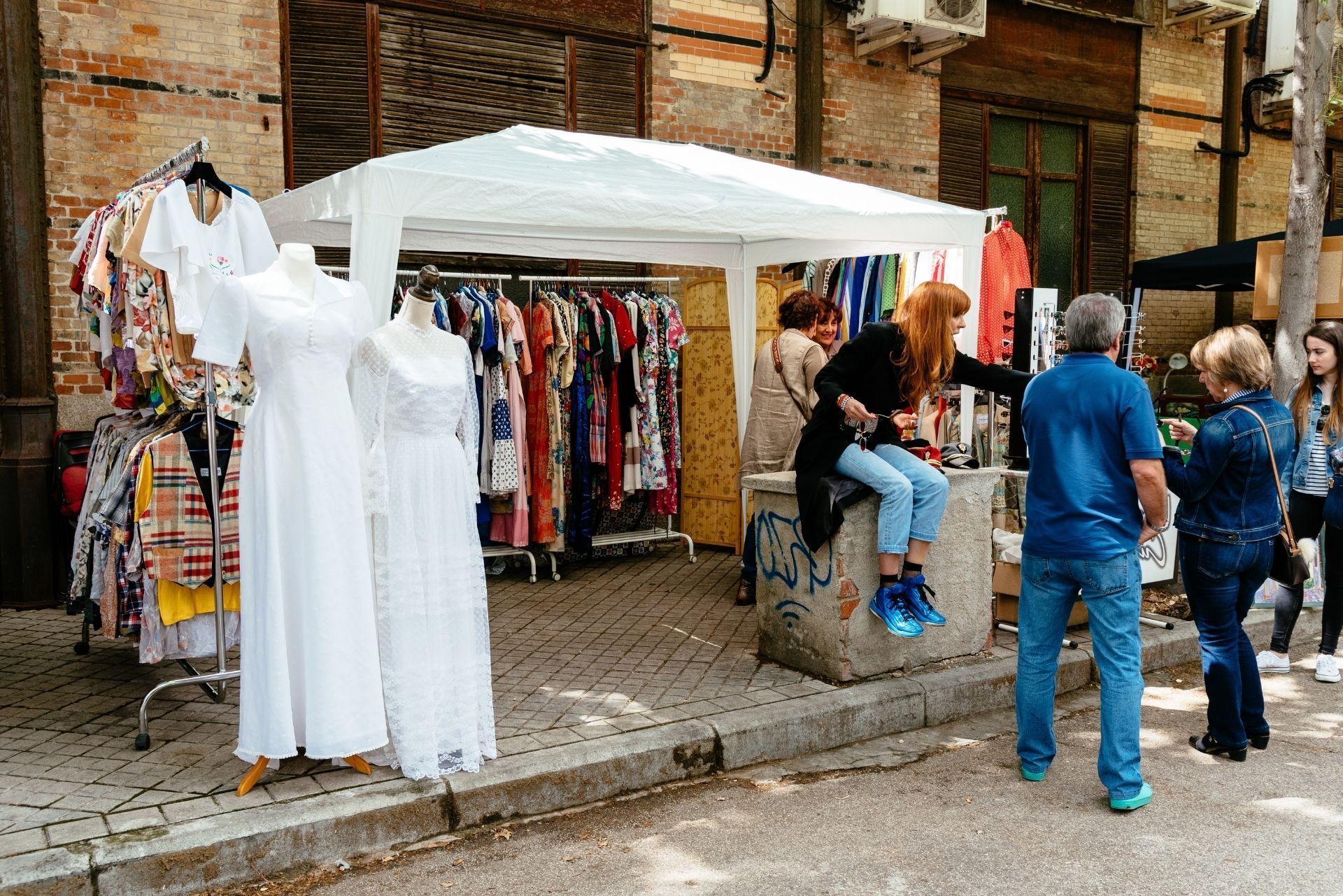
A growing number of retailers have turned to pop-up shops as a flexible way to test markets and generate buzz. In Florida, temporary retail spaces bring their own set of challenges and opportunities, particularly when it comes to insurance. With the state's unique risk exposure, a tailored insurance solution can safeguard these ventures from unexpected financial setbacks. For instance, the fluctuating climate and evolving legislative environment necessitate specialized coverage that meets both short-term and long-term needs. Recent studies confirm that understanding risk exposure is essential for any temporary retail operator.
This article explores the nuances of insurance for pop-up shops in Florida, analyzing market conditions, legislative influences, and the benefits of specialized policies. The focus remains on how a well-structured insurance package can mitigate risks like weather-related damage, liability claims, and property losses.
Retail operators, property managers, and insurance professionals alike will find detailed insights that demystify the often complex process of obtaining insurance for short-term retail locations.
Understanding the Unique Risks for Florida Pop-Up Shops
Temporary retail locations in Florida face a host of challenges not typically encountered by fixed, long-term storefronts. Weather hazards such as hurricanes and tropical storms, coupled with the logistical challenges of a transitional retail environment, create a considerable risk profile for pop-up shops.
Insurance policies for these ventures need to account for both the physical vulnerabilities and potential business interruptions that arise when moving locations or operating in non-traditional spaces. The state’s dynamic risk environment means that any incident can quickly escalate into a significant financial liability, making coverage essential. A detailed look at recent market trends reveals that with climate risks continuously evolving, insurance providers are quickly adapting their offerings. Investors and policy buyers can learn more by reviewing detailed industry analyses.
A notable concern in Florida's broader insurance market is the significant reduction in active policies, which has also influenced the coverage landscape for temporary locations. With the number of active home insurance policies plummeting by as much as 78% in the past decade according to recent reports, any retailer operating in a pop-up format must ensure their coverage not only meets traditional risk parameters but also adapts to a less stable market environment.
Legislative Reforms Affecting Property Insurance in Florida
Florida's legislative changes over the last few years have significantly altered the insurance landscape, especially for property owners. These reforms were designed to create a more competitive market and enhance risk management practices throughout the state. Retailers and pop-up shop operators benefit from these reforms because they increase the capacity of insurers to underwrite new risks effectively.
An expert from AM Best noted that recent legislative reforms have acted as a material tailwind, benefiting long-standing participants and encouraging new entries into the market according to industry analysis. As more companies enter the market, temporary retail operators might enjoy reduced premiums and more innovative policy options tailored to their needs.
The implications for pop-up shop insurance are substantial. With an increasing number of carriers offering specialized policies, temporary retail locations now have more negotiating power and broader access to customized coverages. These legislative reforms have not only stabilized the market but also contributed to the introduction of specialized products, ensuring protection even when operating outside conventional retail operations.
Navigating Market Volatility Amidst Changing Climate Risks
Florida remains one of the states most prone to extreme weather, and climate change further complicates underwriting practices. The state's insurer of last resort, Citizens Property Insurance Corporation, previously held a mere 6% market share but now covers over 63% of the market as per recent data, underscoring the challenges facing traditional insurers.
For pop-up shops, the stakes are high. The transient nature of this type of operation means that even minor disruptions can lead to significant business interruptions. Moving a pop-up shop location or facing unexpected damage due to severe weather can result in losses that compound quickly over a short operational period. This volatile climate necessitates a proactive approach to risk management that temporary operators must adopt.
The benefit of having specialized insurance coverage is the added layer of protection against these unpredictable events. Providers who understand the unique nature of temporary retail spaces offer policies that often bundle property protection with business interruption coverage. Industry experts emphasize that tailoring insurance plans to include climate risk mitigation strategies is critical for ensuring continued operation, especially when pop-up shops are used as trial outlets or marketing experiments.

Key Components of a Pop-Up Shop Insurance Policy
To address vulnerabilities effectively, pop-up shop insurance policies must include several key components that go beyond typical commercial insurance. Businesses operating temporary retail spaces should ensure their insurance plan comprises property coverage, liability protection, business interruption coverage, and contingent coverage options.
Property coverage can include protection against physical damage resulting from a variety of perils including wind, fire, and flood. Pop-up shops often occupy repurposed or unconventional spaces, sometimes without the robust structural protections typical of permanent buildings. As a result, a comprehensive property insurance plan must be vigilant in covering these risks.
Liability coverage remains essential because temporary retail spaces can expose operators to third-party claims stemming from slip-and-fall incidents or other injuries occurring on the premises. The dynamic layout and high foot traffic often associated with pop-up shops can elevate these risks. A well-designed policy can help cover legal fees, medical expenses, and any resulting settlements.
Business Interruption Coverage
Business interruption insurance is particularly relevant for pop-up shops. With operations running on a short-term basis, even a brief period of downtime can lead to significant revenue loss. The inclusion of this coverage ensures prompt financial support to bridge the gap during repairs or a temporary relocation.
This type of coverage is crucial, given that temporary venues generally lack the infrastructural redundancies seen in permanent retail establishments. Any delay in reopening a pop-up shop or shifting to a new location can jeopardize an operator's bottom line if not adequately insured.
Temporary operations may face unique interruption risks that standard policies often overlook. It’s important to engage with insurance professionals who understand the specific complexities inherent in pop-up shop operations.
Contingent Coverage Options
When operating a pop-up retail space, contingent coverage options can play a vital role, especially when dealing with unexpected changes in the operational environment. For operators who rely on short-term leases or temporary setups, ensuring that such circumstances are covered can make the difference between a minor setback and a financial disaster.
This contingent coverage may include protection against a loss if the location becomes unavailable due to unforeseen circumstances. The flexibility in these policies provides businesses with peace of mind, allowing them to experiment with various locations while knowing that unexpected losses are mitigated.
Retailers often benefit from working with brokers who specialize in temporary business insurance, as these professionals are more likely to navigate the intricacies of contingent coverage options effectively.
Adapting to a Shifting Insurance Market
The Florida insurance market has undergone dramatic shifts over the past decade. With active home insurance policies declining by 78% and an average premium increase of 22% after adjusting for inflation, the competitive environment has forced insurers to rethink their strategies reported by industry studies.
This volatility has a direct impact on pop-up shops, which require nimble and flexible insurance solutions. While traditional insurers have faced challenges, legislative reforms have attracted new entrants, resulting in increased capacity and sometimes more attractive terms for temporary coverage.
Research indicates that legislative changes have led to the entrance of 11 new companies into the property insurance market since 2022
according to Florida Chamber Foundation studies.This influx of companies has resulted in competition that could lead to rate reductions and innovative products catering specifically to temporary retail operators.
Impact of Legal Environment and Claims Challenges
In the legal arena, claims disputes and litigation remain serious concerns for temporary retail operations. Recent data shows that nearly 13% of homeowners with denied claims have pursued lawsuit actions against their insurance carriers as compiled by the National Association of Insurance Commissioners. This legal climate has a broader implication on all forms of property insurance in Florida.
For operators of temporary retail spaces, navigating the claims process can be particularly challenging considering the diverse range of risks that might be involved. The legal complexities not only add to the overall cost but also prolong recovery times if policyholders face disputes with their insurers.
While the legal environment can introduce additional hurdles, recent improvements in defensive cost containment expenses due to tort reform have made it easier for insurers to write profitable business across the state. Experts from the Insurance Information Institute have pointed out that these changes allow Florida insurers to extend competitive and effective coverage even in high-risk areas, an encouraging sign for sectors like temporary retail.
Building a Risk Management Strategy for Pop-Up Shops
Creating a successful pop-up shop in Florida entails more than a creative layout and a compelling product mix. It requires a robust risk management strategy that integrates comprehensive insurance to safeguard against disruptions.
An effective risk strategy begins with understanding the specific vulnerabilities of temporary retail operations. Operators should evaluate their location, expected foot traffic, and any potential hazards unique to their temporary setup. Detailed assessments can help identify the critical areas that require coverage, ranging from property damage to interruption losses.
Insurance professionals recommend that operators regularly review their policies to ensure they reflect changes in the operating environment. As pop-up shops move from one location to another, coverage must be adaptable enough to respond to the new risk profile each time. This proactive approach can prevent potentially costly oversights in coverage, keeping the business running without significant interruption.
Risk Evaluation and Preventative Measures
Risk evaluation for pop-up shops involves both quantitative analysis and situational awareness. Retail operators must consider factors such as local building codes, evacuation routes during weather events, and crowd management strategies during high-traffic periods.
Preventative measures can include installing temporary safety features or renting spaces with built-in security measures. By combining practical risk management and appropriate insurance coverage, pop-up shop operators can mitigate potential hazards that could otherwise lead to costly claims.
Regular consultation with insurance brokers who have expertise in temporary retail and pop-up operations can greatly improve risk management outcomes. These discussions often reveal additional policy options that are not widely advertised, further enhancing protection.
Flexible Coverage Solutions for Dynamic Operations
Given the fluidity of temporary retail operations, insurance packages that offer flexibility are especially valuable. Flexible coverage solutions enable pop-up shop operators to adjust limits and coverages based on the specific risks associated with each location or event.
For instance, the coverage for a pop-up shop in a busy urban location might differ significantly from one in a quieter suburban mall. Tailoring limits around property risk, liability exposure, and potential business interruptions ensures that each operation is adequately protected without paying for unnecessary coverage.
Operators should work closely with insurers to design policies that can evolve with their needs. This dynamic approach helps maintain a high level of protection while avoiding overspending on static policies. The competitive entry of new companies into the Florida market has encouraged many insurers to offer a range of such flexible plans.
How Pop-Up Shop Insurance Contributes to Financial Stability
Financial stability is a key objective for any business, and temporary retail outlets are no exception. A well-structured insurance policy not only protects against unexpected losses but also plays a vital role in preserving credit lines and investor confidence.
Even a single claim can lead to a cascade of financial challenges, especially if it results in prolonged business interruptions. By ensuring that every facet of the pop-up shop operation is covered, from property damage to liability and business interruption, operators can safeguard their financial health during turbulent times.
For temporary retailers, an insurance plan that supports rapid recovery post-incident is critical. A resilient coverage plan can mean the difference between a temporary setback and a long-term financial crisis. This stability is particularly important when operating on slim margins commonly found in experimental retail models.
Advancements in risk analytics and data management have revolutionized how insurance providers assess exposure for temporary retail properties. Modern technology enables insurers to process detailed data, including local weather patterns, historical claim trends, and even social media sentiment, to produce more accurate risk profiles.
For operators of pop-up shops, this means that obtaining a policy tailored to their unique requirements has become more efficient. Data-driven models help insurers set premiums that reflect the true risk, thereby offering more competitive rates. Such technological advancements also allow for quick adjustments if operational conditions change unexpectedly during a short-term lease.
This integration of technology into insurance decisions has fostered trust and transparency between policyholders and insurers. An environment where coverage is both accurate and tailored to actual risk exposure is ideal for temporary retail ventures. Retailers can review detailed reports from their insurance companies and make informed decisions about additional risk management steps.
The Role of Insurance Professionals in Tailoring Policies
Given the complexity of risks associated with temporary retail operations, seeking guidance from insurance professionals is a wise strategy. Brokers who specialize in pop-up shop insurance possess intimate knowledge of the nuances and challenges of short-term operations.
Specialized brokers not only evaluate the inherent risks in temporary locations but also help design a multi-layered coverage plan that aligns with the business objectives of your retail operation. By understanding both the broader market trends and the specific requirements of a pop-up shop setup, these experts can provide a critical advantage.
Retail operators benefit from personalized advice that may include recommendations on additional endorsements or policy riders. This tailored approach can mean the difference between standard coverage and a comprehensive product that truly meets operational needs.
Expert Insights on Policy Customization
Senior analysts in the insurance industry have noted that ongoing changes in legislative frameworks and market shifts require a flexible approach to policy customization. For example, experts have acknowledged that the reduction in defense cost containment expenses, as seen in recent studies, gives insurers the leeway to extend competitive and more profitable policies even in high-risk regions reported by leading industry sources.
This adjustment not only makes specialized policies more accessible for temporary retail operators but also encourages insurers to continually refine their offerings based on emerging risks. Trusted advisors are invaluable when operators need to navigate these changing conditions, ensuring that every aspect of risk is properly covered.
By engaging with experienced insurance professionals, pop-up shop operators can significantly reduce the possibility of leaving gaps in their coverage. This collaborative process is essential when responding to the unpredictable elements that characterize Florida's risk environment.
Real-World Scenarios: Pop-Up Shops in Florida
Consider a retail operator setting up a temporary shop in a high-traffic urban area during a seasonal event. Due to the transient nature of the lease and increased foot traffic, the operator faces multiple risk exposures-from property damage caused by inclement weather to liability claims from crowded conditions. A robust insurance policy would cover property repairs, potential legal costs, and compensation for business interruptions.
In another scenario, a pop-up shop located within a repurposed warehouse for a limited-time art exhibition might encounter unique logistical challenges. Moving installations, temporary electrical setups, and heightened visitor activity all create potential liabilities. Here, tailored coverage that includes contingent options ensures that even if a specific component of the operation fails, overall business continuity is maintained.
These examples illustrate that regardless of the specific setup, pop-up shop insurance in Florida must be both flexible and comprehensive. Relying on standard policies often falls short of addressing the full range of risks associated with temporary retail ventures.
Chart: Comparing Insurance Coverage Options for Pop-Up Shops
An easy-to-read chart comparing various insurance coverages can help temporary retail operators understand their options and choose policies that best suit their needs. The following table outlines the key differences between a Standard Commercial Policy and a Tailored Pop-Up Shop Policy:
| Coverage Component | Standard Commercial Policy | Tailored Pop-Up Shop Policy |
|---|---|---|
| Property Damage | Standard risk coverage | Enhanced coverage including temporary structures |
| Liability Protection | Standard limits | Higher limits with short-term exposure flexibility |
| Business Interruption | Fixed period coverage | Dynamic coverage adjusting with operational cycles |
| Contingent Options | Usually lacking | Optional endorsements for location changes |
This visual breakdown aids operators in comparing how each policy meets their specific risk profile while highlighting the advantages of a specialized solution designed for temporary retail environments.
Benefits of Investing in Comprehensive Pop-Up Shop Insurance
Retailers who invest in comprehensive insurance not only protect their physical assets but also enhance their overall business resilience. Comprehensive coverage ensures that pop-up shop operators can swiftly recover from unexpected events and maintain continuity even when faced with substantial risks.
The financial security provided by a well-rounded insurance policy is invaluable. It reduces the need for emergency funding and safeguards the business’s reputation by demonstrating a commitment to risk management and customer safety. Whether dealing with weather damage or liability claims, a strong insurance plan builds investor and customer confidence, establishing the brand as a reliable player in Florida’s competitive retail market.
Recent market developments, such as the stabilization observed through reduced policies carried by the state-run insurer, indicate that the industry is moving towards a healthier market where tailored and comprehensive policies become more available
according to industry reports. This shift benefits temporary retailers by providing more choice and improved coverage options.
Frequently Asked Questions
This section responds to common questions regarding insurance for temporary retail locations, providing simple and direct answers that clarify the requirements, risks, and benefits for operators in Florida.
What is pop-up shop insurance?
Pop-up shop insurance is a specialized policy designed to cover temporary retail locations. It combines property, liability, and business interruption coverages tailored to the risks of short-term operations.
Why do pop-up shops in Florida need specialized insurance?
Florida's unique risks, including adverse weather events and unusual lease arrangements, require policies that address both standard and unconventional exposures. Specialized policies are designed with these challenges in mind.
How do legislative reforms affect insurance for temporary retail spaces?
Recent legislation has increased market capacity and encouraged new insurance carriers, resulting in more tailored and competitive policies for temporary retail operations.
Can business interruption coverage help my pop-up shop?
Yes, business interruption coverage is critical for pop-up shops. It helps compensate for income losses during periods when the shop is inactive due to unforeseen events.
Do flexible coverage solutions really benefit short-term retailers?
Flexible coverage allows adjustments for unique risks associated with temporary operations. This means operators can adapt their insurance quickly as their business environment changes.
How do I choose the right insurance broker for my pop-up shop?
Look for brokers experienced in temporary retail operations. Their expertise in tailoring coverage to your specific needs ensures that no critical aspect of the business is left unprotected.
Wrapping Things Up: A Resilient Future for Temporary Retail in Florida
Pop-up shops are a burgeoning trend in Florida's vibrant retail landscape. With innovative concepts and strategic locations, these temporary retail formats offer unique opportunities to capture consumer attention and test new markets. However, the inherent risks due to climate, fluctuating market conditions, and evolving legal environments call for comprehensive insurance solutions that go beyond traditional policies.
As legislation reforms continue to reshape the insurance market, more specialized products are becoming available to fill the niche for temporary operations. Retail operators now have access to coverage that not only meets the standard requirements but also provides the flexibility needed to adjust to fast-changing operational conditions. Maintaining a focus on robust risk evaluation and aligning with experienced insurance professionals can further enhance the financial stability of these ventures.
In a state where challenges are as diverse as the opportunities, the right insurance policy can transform a risky pop-up shop venture into a resilient, profitable endeavor. A strategic focus on comprehensive coverage means that temporary retail locations can thrive even in the face of climate volatility and market uncertainty. As the insurance market shifts, Florida's pop-up shop operators can confidently navigate these changes and build a robust future for their businesses.
Industry insights confirm that a well-tailored insurance strategy is fundamental to long-term success.
ABOUT THE AUTHOR: PAUL RAMENTOL
I am the Owner and President of Mesa Insurance Agency. I help individuals and business owners across Florida secure personal and business insurance coverage that supports their needs. My focus is on clear guidance, direct communication, and long-term support without call-center delays or confusion.
Contact Us

Personal Coverage Options
Insurance Built for Everyday Protection
Mesa Insurance Agency provides personal insurance coverage designed to support daily life. Our team reviews risks and coverage needs to help clients secure dependable protection at fair rates.
Dental & Vision Insurance
Coverage that helps manage routine dental and vision care costs.

Business Coverage Options
Insurance Built for Business Protection
Mesa Insurance Agency provides business insurance coverage that helps protect operations, employees, and property. We work with multiple carriers to offer coverage options that support daily business activities and long-term stability.
Commercial Auto Insurance
Coverage for business-owned vehicles, drivers, and accident-related liability exposure.
General Liability Insurance
Protection against third-party injury, property damage, and common business liability risks.
Professional Liability Insurance
Coverage for claims related to professional services, advice, or service errors.
Workers’ Compensation Insurance
Coverage that helps support employees with work-related injuries and medical costs.
Commercial Property Insurance
Protection for buildings, equipment, inventory, and physical business assets.
Errors & Omissions Insurance
Coverage for financial losses caused by mistakes, omissions, or service-related claims.
Industries We Serve
Serving Businesses Across Multiple Sectors
Mesa Insurance Agency works with business owners across Florida to provide insurance coverage that supports daily operations. We understand common risks faced by different industries and help clients secure reliable protection.
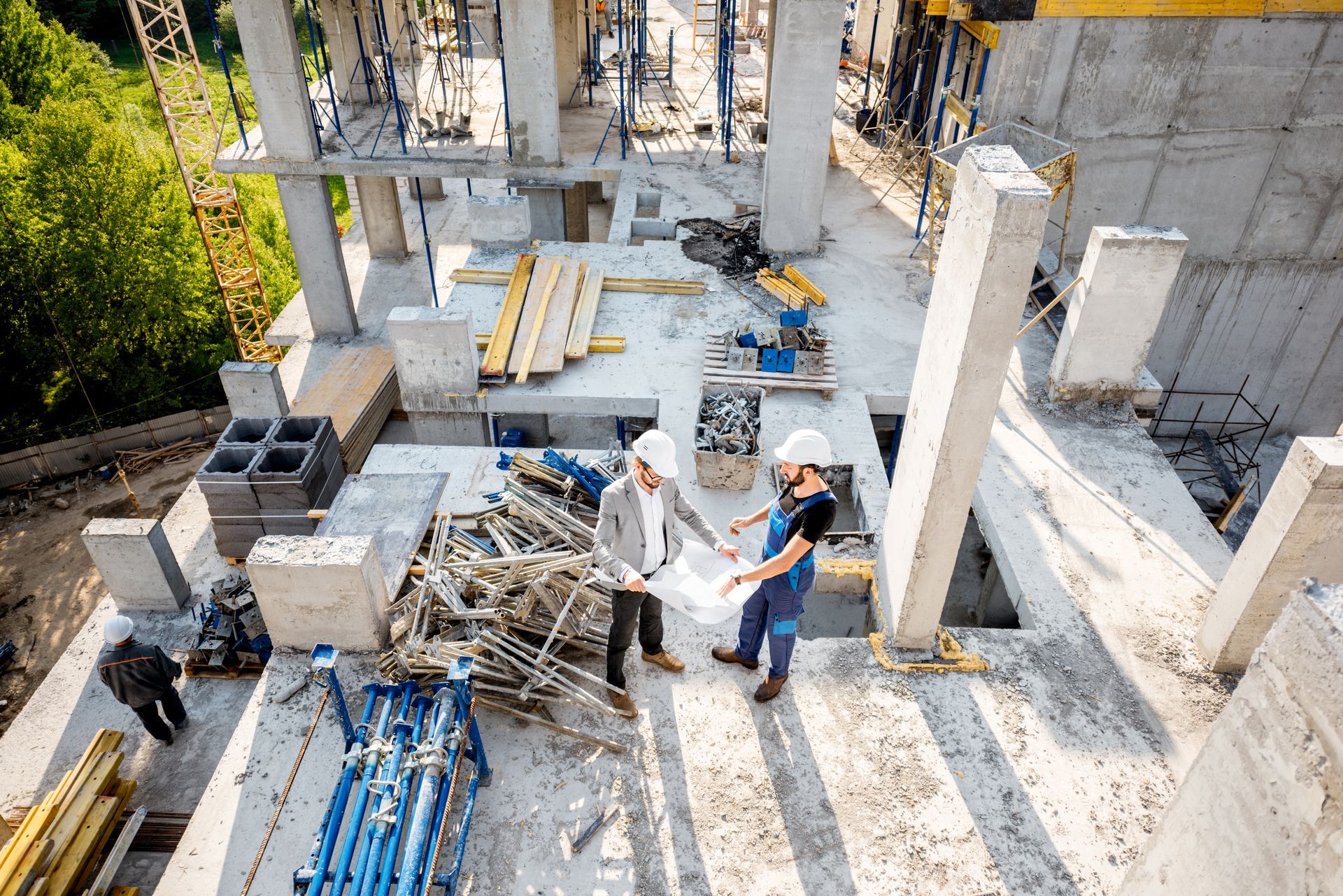
Construction and Trades Insurance
Coverage for job sites, vehicles, tools, and workplace risks.
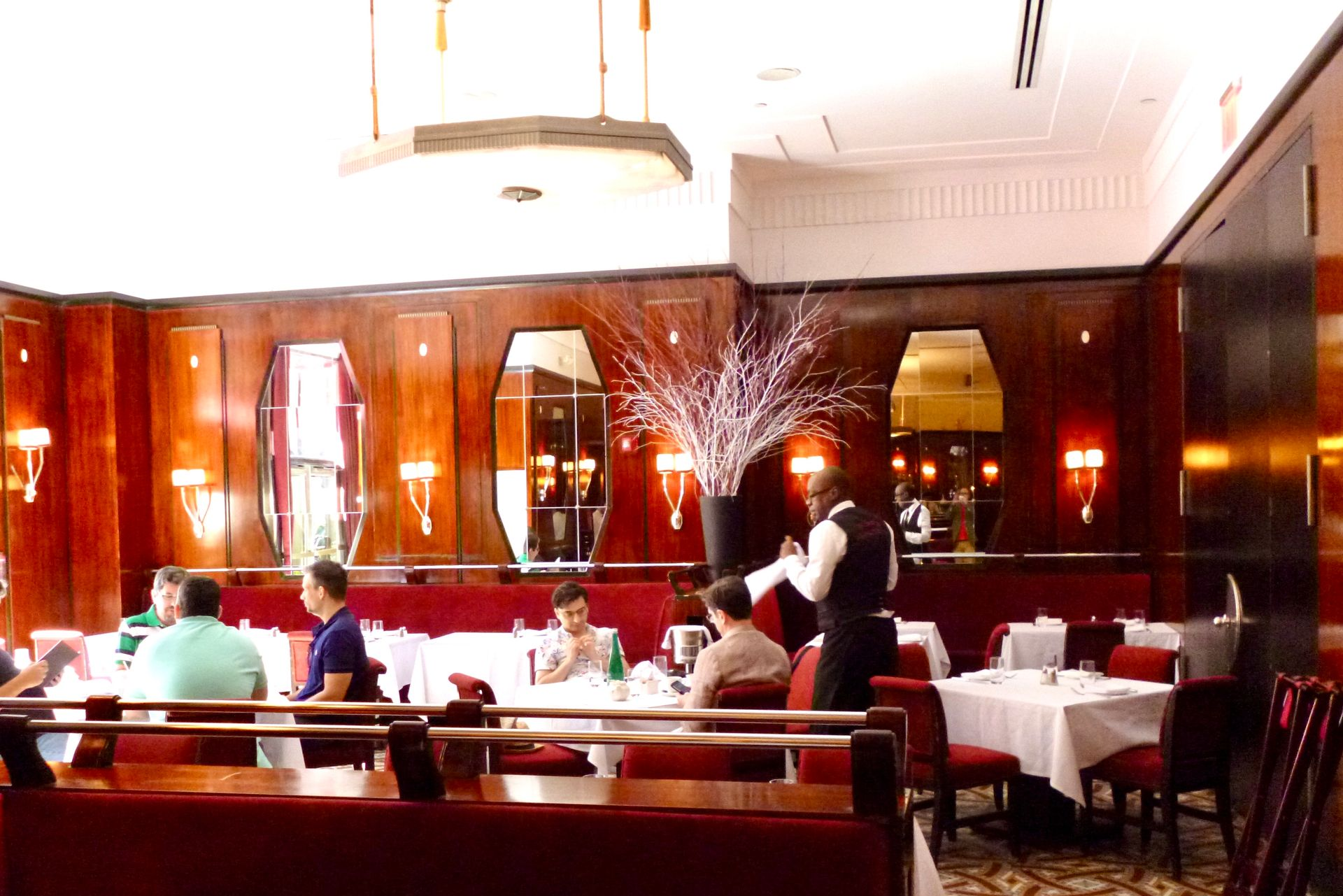
Hospitality Businesses Insurance
Insurance for restaurants, bars, and service-based operations.
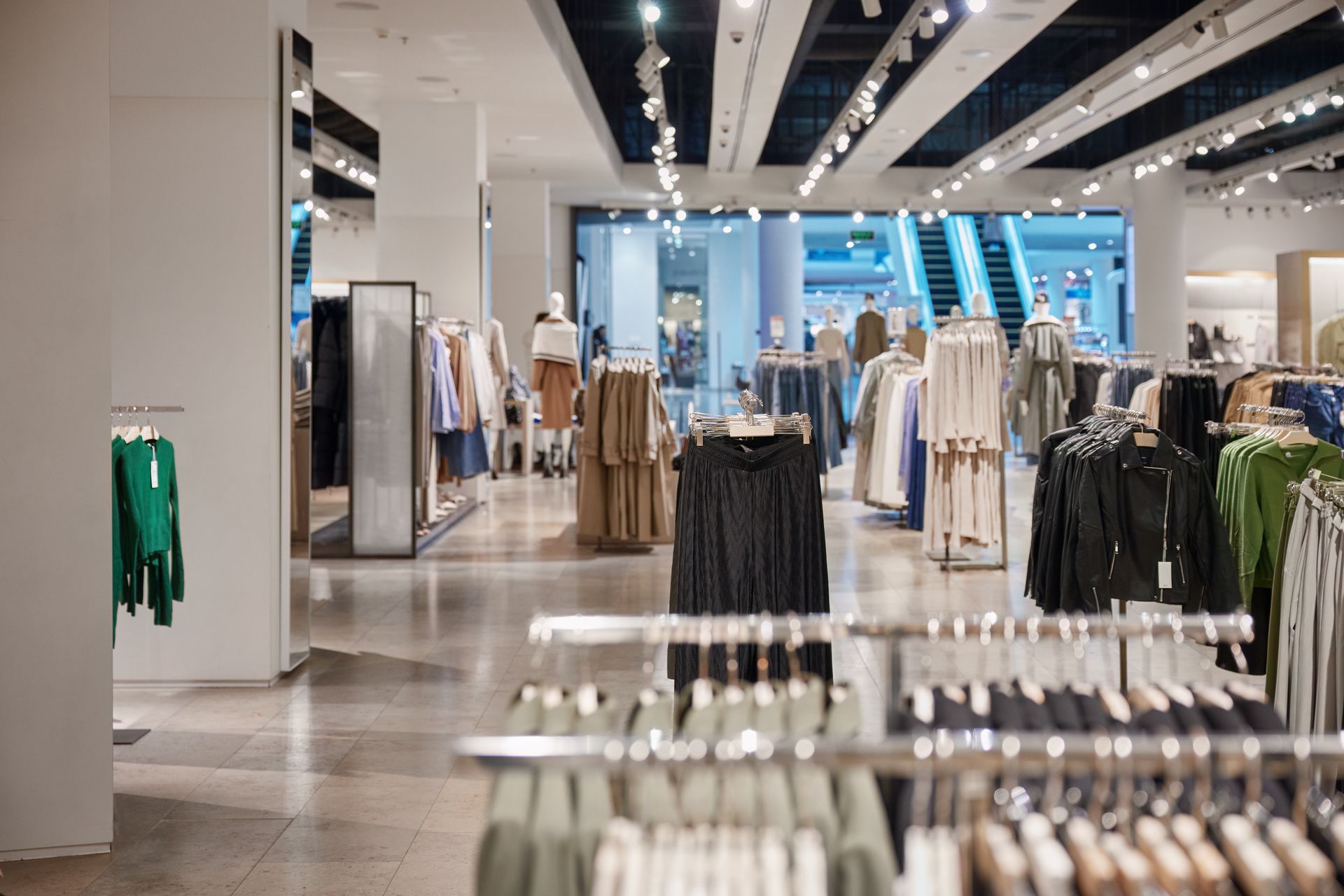
Retail and
Commercial Properties
Protection for storefronts, inventory, and customer-related liability.
Our Approach
Insurance Made Easy to Understand
Mesa Insurance Agency provides business insurance coverage that helps protect operations, employees, and property. We work with multiple carriers to offer coverage options that support daily business activities and long-term stability.
Insurance FAQs
Helpful Answers for Florida Clients
Support you can rely on.

What makes Mesa Insurance Agency different?
We are an independent agency with access to multiple carriers. This allows us to offer flexible coverage options.
Clients work directly with licensed agents. Service continues beyond the policy start date.
Do you offer coverage for individuals and families?
Yes. We provide personal insurance for individuals and families across Florida.
Coverage includes auto, home, health, life, and flood insurance. Our team explains each option clearly.
Do you work with small and mid-sized businesses?
Yes. We work with businesses of many sizes and industries.
Our team helps identify risks and secure appropriate coverage. Ongoing service is included.
Can I make changes to my policy later?
Yes. Policies can be updated as needs change.
We assist with coverage adjustments, additions, and removals. Clients can contact us directly for help.
Is flood insurance required in Florida?
Flood insurance is not always required, but it is strongly recommended in many areas.
Standard home insurance does not cover flood damage. Our team can review your flood risk and options.
How do I contact your office?
You can contact us by phone, email, or through our website.
Our team responds promptly during business hours. Support is always available when needed.
From the Blog
Insurance Topics That Matter
Clear answers for common questions.






Client Reviews
Trusted by Clients Across Florida
Mesa Insurance Agency is proud to serve individuals and businesses throughout Florida. Clients choose us for clear communication, responsive service, and reliable insurance support. Their feedback reflects our focus on long-term relationships and consistent service.
Contact Us