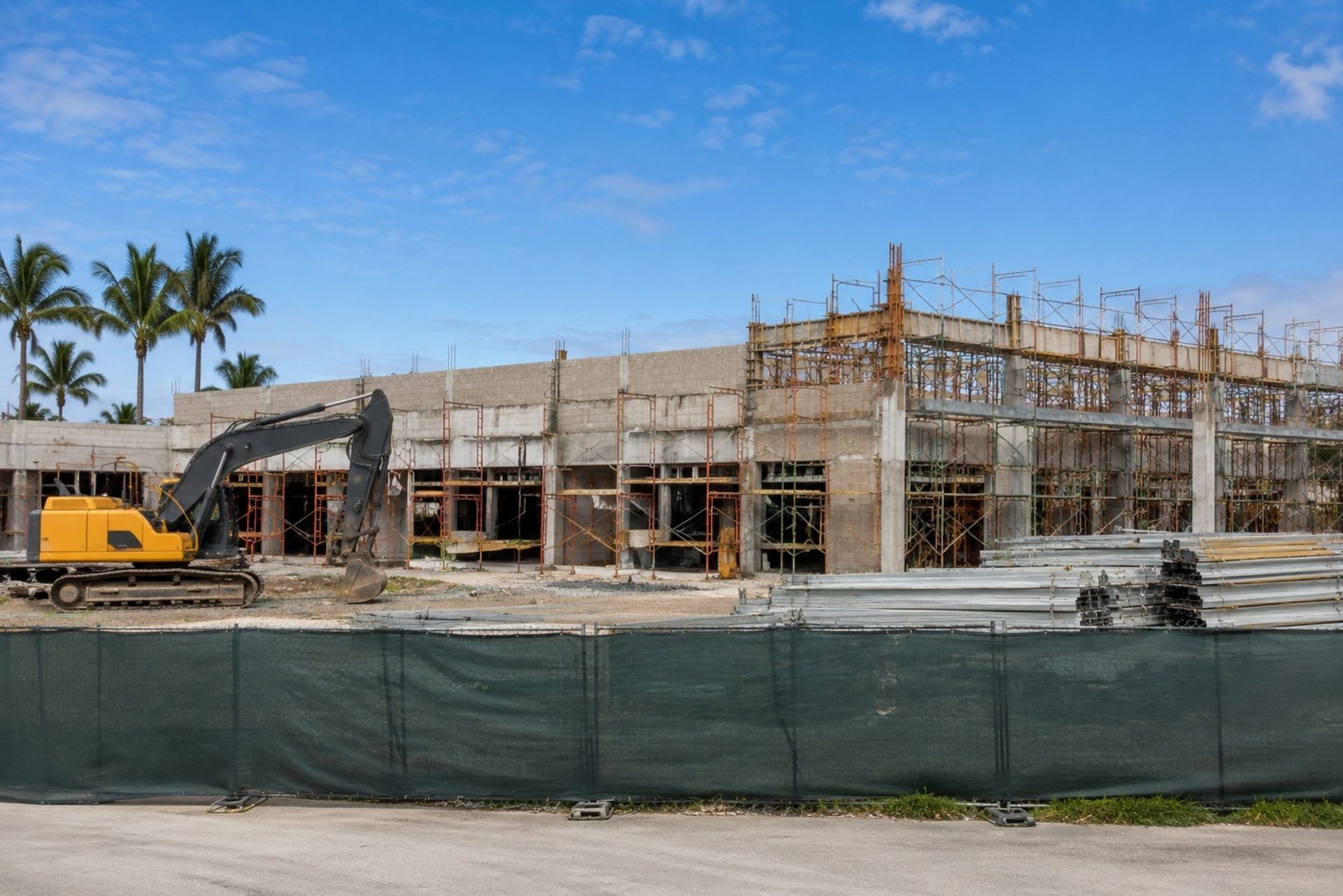
A half-built custom home in Fort Lauderdale sits exposed after a sudden June thunderstorm rips away temporary roofing and saturates $200,000 worth of installed drywall and electrical wiring. The general contractor assumed the property owner's homeowner's policy would cover the loss, but homeowner's insurance doesn't protect structures still under construction. That gap is precisely what builder's risk insurance exists to fill, and in Florida, where hurricane season runs six months of every year, the stakes are higher than almost anywhere else in the country.
Choosing the right builder's risk policy for a Florida project requires more than picking the cheapest premium. You need to understand wind and flood exclusions, coastal deductible structures, material price volatility, and how 2026 legislative changes affect your options. Whether you're a developer breaking ground on a 40-unit condo in Sarasota or a homeowner managing a custom build in Jacksonville, the wrong policy can leave hundreds of thousands of dollars unprotected. This guide walks you through every factor that matters, from coverage basics to calculating limits that actually match your project's exposure.
Understanding Florida Builder's Risk Essentials
Builder's risk insurance is a temporary property policy covering structures during construction, renovation, or major remodeling. It protects the physical structure, materials on site, and often materials in transit against covered perils like fire, theft, vandalism, and certain weather events. In Florida, these policies carry unique importance because of the state's exposure to tropical storms, flooding, and high humidity that can damage unprotected building materials within hours.
Since the 2023 legislative reforms, 20 new property and casualty insurers have entered the Florida market, bringing over $850 million in new capacity. That's good news for builders shopping for coverage in 2026, as increased competition has started to moderate premiums after years of sharp increases.
What It Covers and Who Needs It
A standard builder's risk policy covers the structure itself, building materials and supplies stored on site, foundations, fixtures, and sometimes landscaping. Most policies also extend to temporary structures like scaffolding and construction trailers. The policy typically begins on the project start date and ends when construction is complete or the building receives a certificate of occupancy, whichever comes first.
Three groups need this coverage most: general contractors who bear contractual responsibility for the project, property owners funding a custom build, and developers managing speculative or pre-sold construction. In Florida, lenders almost always require a builder's risk policy before releasing construction loan funds. If you're financing a $1.2 million build in Tampa, your bank won't disburse a dollar until they see proof of coverage.
Florida-Specific Weather Protections
Florida's geography creates insurance challenges you won't find in most other states. Named storm coverage, which protects against hurricanes and tropical storms, is often excluded from base builder's risk policies or subject to separate, higher deductibles. A standard policy might carry a $5,000 deductible for fire or theft but a 5% named-storm deductible, meaning on a $2 million project, you'd owe $100,000 out of pocket before the insurer pays a dime.
Flood is almost always excluded and must be purchased separately, often through the National Flood Insurance Program or a private flood insurer. Projects in Miami-Dade and Broward counties face the strictest wind mitigation requirements, and key legal changes every contractor should watch in 2026 include updated building code compliance standards that directly affect how insurers underwrite coastal projects.
Key Factors When Comparing Florida Policies
Not all builder's risk policies are structured the same way. The differences between a basic inland policy and a comprehensive coastal policy can mean tens of thousands of dollars in premium variation and, more critically, hundreds of thousands in coverage gaps.
Hard Costs vs. Soft Costs
Hard costs cover the physical construction: lumber, concrete, roofing, labor, and installed systems. Every builder's risk policy covers hard costs. Soft costs are where policies diverge. These include architectural fees, permit costs, loan interest, and marketing expenses that continue accruing if a covered loss delays your project.
Imagine a hurricane stalls your 18-month condo project in Naples for four months. Your construction loan interest keeps accumulating at $12,000 per month. Without soft cost coverage, you absorb that $48,000 yourself. Soft cost endorsements typically add 10% to 15% to your premium but can save you from financial strain during extended delays.
Policy Extensions for Coastal Projects
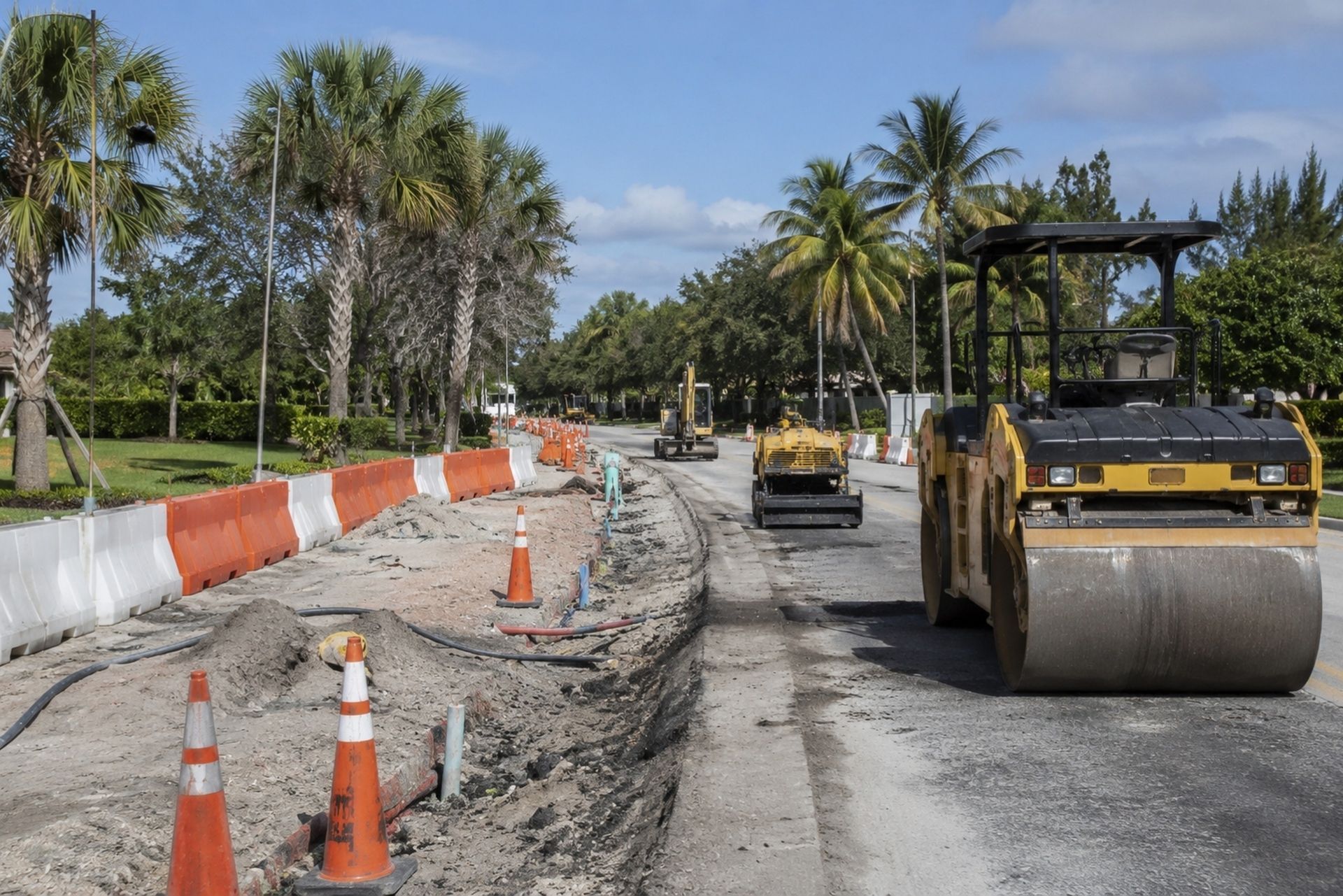
Coastal projects from Palm Beach to Pensacola often need endorsements that inland projects don't. These include debris removal coverage (critical after storm surge deposits sand and wreckage across your site), ordinance or law coverage (pays the extra cost of rebuilding to updated code requirements), and pollutant cleanup for fuel or chemical spills caused by storm damage.
Transit coverage is another consideration. If you're shipping custom windows or specialty materials from out of state, a standard policy may not cover losses that occur during transportation. For a beachfront project in St. Augustine where specialty hurricane-rated windows cost $80,000, that gap matters.
Comparison of Standard vs. High-Velocity Coverage
| Feature | Standard Inland Policy | High-Velocity Hurricane Zone (HVHZ) Policy |
|---|---|---|
| Named Storm Coverage | Often excluded or limited | Included with separate deductible (2%-5%) |
| Wind-Borne Debris | Typically excluded | Covered with approved mitigation |
| Flood | Excluded | Excluded (separate policy required) |
| Deductible Structure | Flat dollar ($2,500-$10,000) | Percentage-based for wind events |
| Typical Premium Range (per $1M) | $3,000-$6,000/year | $8,000-$18,000/year |
| Soft Cost Coverage | Optional endorsement | Optional endorsement |
| Code Upgrade Coverage | Rarely included | Often available as endorsement |
| Geographic Suitability | Orlando, Gainesville, Ocala | Miami-Dade, Broward, coastal counties |
Projects in high-velocity hurricane zones face stricter underwriting and higher premiums, but they also receive broader wind protection. The
Florida CFO's office outlines recent property insurance changes that have improved transparency in how insurers calculate these coastal premiums.
Selecting the Right Insurer for Your 2026 Florida Project
Not every insurer writing builder's risk in Florida has the same financial strength or claims-handling reputation. You want a carrier with an A.M. Best rating of A- or better, experience with Florida construction claims, and a local adjusting network that can respond quickly after a storm.
The reinsurance market has also shifted in your favor. Florida insurers are
benefiting from more pronounced June reinsurance renewal softening, which should translate into more competitive builder's risk premiums through the second half of 2026. Ask your broker whether the carriers they're quoting have passed along any reinsurance savings.
How to Calculate Your Coverage Limits
Getting your coverage amount wrong is one of the most common and costly mistakes in construction insurance. Underinsuring by even 15% can trigger a coinsurance penalty, reducing your claim payout proportionally.
Valuing Material and Labor Costs
Your coverage limit should equal the completed value of the structure, not the land value or the purchase price. Start with your construction contract amount, then add any owner-supplied materials. A $900,000 contract with $60,000 in owner-purchased appliances and fixtures means you need at least $960,000 in coverage.
Don't forget to include the cost of site preparation, grading, and foundation work. These are often undervalued because they happen early in the project, but replacing a compromised foundation after a sinkhole or flood event can cost $150,000 or more in Central Florida.
Accounting for Lead Times and Inflation
Material costs in Florida have fluctuated significantly since 2023. Concrete, lumber, and roofing materials have seen price swings of 8% to 12% year over year. Your policy should include an inflation guard endorsement or be written with a buffer of 10% to 15% above your current estimated costs.
Lead times also matter. If a storm destroys your installed roof trusses and the replacement order takes 14 weeks, your project timeline extends, and costs rise. The
Florida real estate boom and its insurance implications in 2026 have created material demand spikes in several metro areas, making accurate cost projections more important than ever.
Common Questions About Florida Project Insurance
Does my general liability policy cover damage to the building under construction? No. General liability covers third-party injuries and property damage you cause to others. It doesn't cover damage to the structure you're building. You need a separate builder's risk policy for that.
Can I get builder's risk insurance if I'm the homeowner acting as my own general contractor? Yes, though fewer carriers offer owner-builder policies. Expect higher premiums and stricter underwriting because insurers view owner-builders as higher risk due to less construction experience.
How long does a builder's risk policy last? Most policies run 6 to 12 months, with options to extend. If your project runs over schedule, you'll need to request an extension before the policy expires, or you'll have a coverage gap.
Is flood insurance included in Florida builder's risk policies? Almost never. Flood is a separate policy, and if your project sits in a FEMA-designated flood zone, your lender will require it. Private flood options are often faster to bind than NFIP policies.
What happens if I don't use all the coverage period? Some insurers offer pro-rata refunds if you complete construction early and cancel the policy. Others don't. Confirm the cancellation terms before you bind.
Why Named Storm Deductibles Deserve Extra Attention
A percentage-based named storm deductible can create a financial shock if you aren't prepared. On a $3 million mid-rise project in West Palm Beach with a 3% named storm deductible, you're responsible for the first $90,000 of any hurricane-related claim. Some developers set aside a contingency fund specifically for this exposure, while others purchase deductible buydown endorsements that reduce the percentage to 1% or even a flat dollar amount.
How 2026 Legislative Changes Affect Your Policy
Does my general liability policy cover damage to the building under construction? No. General liability covers third-party injuries and property damage you cause to others. It doesn't cover damage to the structure you're building. You need a separate builder's risk policy for that.
Can I get builder's risk insurance if I'm the homeowner acting as my own general contractor? Yes, though fewer carriers offer owner-builder policies. Expect higher premiums and stricter underwriting because insurers view owner-builders as higher risk due to less construction experience.
How long does a builder's risk policy last? Most policies run 6 to 12 months, with options to extend. If your project runs over schedule, you'll need to request an extension before the policy expires, or you'll have a coverage gap.
Is flood insurance included in Florida builder's risk policies? Almost never. Flood is a separate policy, and if your project sits in a FEMA-designated flood zone, your lender will require it. Private flood options are often faster to bind than NFIP policies.
What happens if I don't use all the coverage period? Some insurers offer pro-rata refunds if you complete construction early and cancel the policy. Others don't. Confirm the cancellation terms before you bind.
Mistakes That Lead to Denied Claims
Three errors cause most builder's risk claim denials in Florida. First, failing to report a loss within the policy's required timeframe, often 48 to 72 hours. Second, not securing the job site before and after a named storm, which insurers can argue constitutes negligence. Third, allowing the policy to lapse during a construction delay without purchasing an extension. Each of these is preventable with basic project management discipline.
When to Transition from Builder's Risk to Permanent Coverage
Your builder's risk policy ends when the building is complete, occupied, or receives its certificate of occupancy. There's often a 30-day grace period, but you should have your permanent property insurance bound before that deadline. A gap between builder's risk expiration and permanent coverage activation leaves the entire completed structure uninsured, a risk no owner or developer should accept.
Making the Right Choice for Your Build
Choosing the right builder's risk coverage for a Florida construction project comes down to understanding your specific exposures and matching them to the right policy structure. Coastal projects need named storm and debris removal coverage. Long-timeline builds need inflation guards and soft cost endorsements. Every project needs accurate valuation and a carrier with proven Florida claims experience.
Your next steps should include:
- Getting quotes from at least three carriers with A.M. Best ratings of A- or higher
- Requesting itemized premium breakdowns that separate wind, theft, and fire components
- Confirming whether your policy includes a coinsurance clause and at what percentage
- Setting aside a contingency fund equal to your named storm deductible
- Scheduling a policy review at the project's midpoint to adjust coverage for cost changes
The right Florida builder's risk policy isn't the cheapest one. It's the one that actually pays when a June storm tests your project's defenses.
ABOUT THE AUTHOR: PAUL RAMENTOL
I am the Owner and President of Mesa Insurance Agency. I help individuals and business owners across Florida secure personal and business insurance coverage that supports their needs. My focus is on clear guidance, direct communication, and long-term support without call-center delays or confusion.
Contact Us

Personal Coverage Options
Insurance Built for Everyday Protection
Mesa Insurance Agency provides personal insurance coverage designed to support daily life. Our team reviews risks and coverage needs to help clients secure dependable protection at fair rates.
Dental & Vision Insurance
Coverage that helps manage routine dental and vision care costs.

Business Coverage Options
Insurance Built for Business Protection
Mesa Insurance Agency provides business insurance coverage that helps protect operations, employees, and property. We work with multiple carriers to offer coverage options that support daily business activities and long-term stability.
Commercial Auto Insurance
Coverage for business-owned vehicles, drivers, and accident-related liability exposure.
General Liability Insurance
Protection against third-party injury, property damage, and common business liability risks.
Professional Liability Insurance
Coverage for claims related to professional services, advice, or service errors.
Workers’ Compensation Insurance
Coverage that helps support employees with work-related injuries and medical costs.
Commercial Property Insurance
Protection for buildings, equipment, inventory, and physical business assets.
Errors & Omissions Insurance
Coverage for financial losses caused by mistakes, omissions, or service-related claims.
Industries We Serve
Serving Businesses Across Multiple Sectors
Mesa Insurance Agency works with business owners across Florida to provide insurance coverage that supports daily operations. We understand common risks faced by different industries and help clients secure reliable protection.
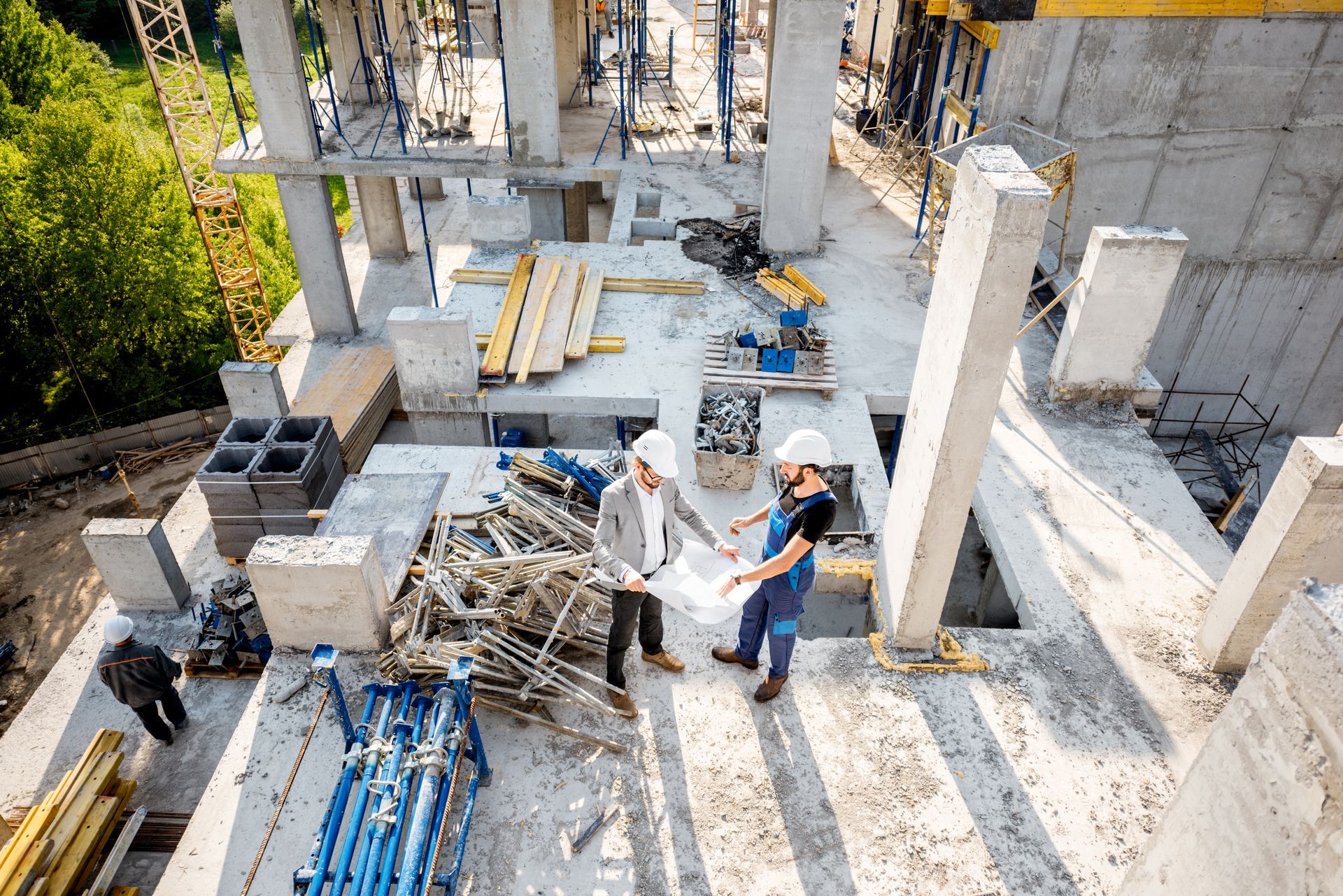
Construction and Trades Insurance
Coverage for job sites, vehicles, tools, and workplace risks.

Hospitality Businesses Insurance
Insurance for restaurants, bars, and service-based operations.

Retail and
Commercial Properties
Protection for storefronts, inventory, and customer-related liability.
Our Approach
Insurance Made Easy to Understand
Mesa Insurance Agency provides business insurance coverage that helps protect operations, employees, and property. We work with multiple carriers to offer coverage options that support daily business activities and long-term stability.
Insurance FAQs
Helpful Answers for Florida Clients
Support you can rely on.

What makes Mesa Insurance Agency different?
We are an independent agency with access to multiple carriers. This allows us to offer flexible coverage options.
Clients work directly with licensed agents. Service continues beyond the policy start date.
Do you offer coverage for individuals and families?
Yes. We provide personal insurance for individuals and families across Florida.
Coverage includes auto, home, health, life, and flood insurance. Our team explains each option clearly.
Do you work with small and mid-sized businesses?
Yes. We work with businesses of many sizes and industries.
Our team helps identify risks and secure appropriate coverage. Ongoing service is included.
Can I make changes to my policy later?
Yes. Policies can be updated as needs change.
We assist with coverage adjustments, additions, and removals. Clients can contact us directly for help.
Is flood insurance required in Florida?
Flood insurance is not always required, but it is strongly recommended in many areas.
Standard home insurance does not cover flood damage. Our team can review your flood risk and options.
How do I contact your office?
You can contact us by phone, email, or through our website.
Our team responds promptly during business hours. Support is always available when needed.
From the Blog
Insurance Topics That Matter
Clear answers for common questions.






Client Reviews
Trusted by Clients Across Florida
Mesa Insurance Agency is proud to serve individuals and businesses throughout Florida. Clients choose us for clear communication, responsive service, and reliable insurance support. Their feedback reflects our focus on long-term relationships and consistent service.
Contact Us