Catering businesses in Florida face unique risks that set them apart from other food industry segments. A single mishap can lead to significant claims, making it crucial to secure comprehensive insurance. Given Florida’s weather extremes and evolving regulatory environment, catering service owners must navigate everything from property damage to liability claims while maintaining a viable business model. This article examines key coverage options, industry trends, and the challenges unique to the catering sector, with insights informed by current research and expert perspectives. For instance, changes in property insurance dynamics have begun shaping the commercial landscape, as seen in the revised landscape reported by
Active Property Care.
Understanding the Unique Risks for Catering Businesses
Catering service operations differ from traditional restaurants or food trucks. They often involve handling food at external venues, which multiplies liability risks. In Florida, where severe weather and unpredictable event locations add layers of uncertainty, ensuring comprehensive coverage is paramount. Business owners must account for damage to rented spaces, food spoilage during transport, and potential slip-and-fall claims at event sites.
The complexity of these risks calls for specialized policies tailored to each unique aspect of a catering business. This includes coverage for property damage, general liability, equipment breakdown, and even cyber risks as digital systems become integral to operational efficiency. The evolving landscape of property insurance in Florida, captured by industry experts, reinforces the importance of staying ahead with the right coverage strategies.
Recent reports indicate a heightened focus on adapting insurance products to meet these challenges. With Florida's property, casualty, and direct insurance industry valued at $58.3 billion according to
IBISWorld, the catalytic changes in coverage requirements are evident.

Catering Coverage Essentials: What Policy Components Matter
A successful catering insurance policy is not a one-size-fits-all product. Several elements must be integrated, starting with general liability to protect against third-party claims. Given the nature of the catering business, general liability typically covers bodily injury and property damage occurring during an event. With many events hosted in non-traditional venues, this coverage is invaluable.
In addition to general liability, property insurance stands as a critical pillar, safeguarding the equipment and materials essential for daily operations. Considering Florida’s unpredictable weather patterns cited in recent data, owners should ensure their policies include coverage for acts of nature, including hurricane damage or more localized severe weather events.
Product liability insurance is particularly important. Since food safety is a central concern in catering, policies must extend protection if foodborne illnesses or allergic reactions lead to claims. Digital risk coverage, increasingly important as more business transactions move online, can further protect sensitive customer data and business records.
Breakdown of Core Policy Components
The table below illustrates a side-by-side comparison of basic and extended coverage options for catering businesses. It provides a clear overview of each feature’s value, helping business owners understand what to prioritize when selecting policies.
| Coverage Aspect | Basic Coverage | Extended Coverage |
|---|---|---|
| General Liability | Standard bodily injury and property damage | Higher limits with additional legal defense coverage |
| Property Insurance | Standard equipment and inventory coverage | Includes natural disasters and terrorism |
| Product Liability | Coverage for food contamination claims | Expanded food recall and quality control support |
| Cyber Risk | Basic data breach notifications | Comprehensive data recovery and business interruption |
| Event Cancellation | Limited coverage for cancellation | Broad cancellation and postponement protection |
A This table is a useful tool for comparing different policy elements and determining which aspects might require additional investment for enhanced protection.
Market Trends and the Impact of Legislative Changes
Insurance costs in Florida have been affected by a range of factors, including recent legislative reforms and shifts in underwriting strategies. One notable development is that Florida’s property insurance market reported its first underwriting profit in eight years, a signal that new rate increases and policy adjustments are taking effect. This positive turnaround has been attributed to significant rate hikes and reforms that have reshaped risk assessments, as detailed by Active Property Care.
This trend is critical for catering service operators since any changes in the broader property and casualty policies might trickle down to influence their insurance costs and coverage limits. With these developments, reconsidering policy specifics is no longer optional but a necessary step for small businesses aiming to shield themselves against financial losses.
Industry commentary has further highlighted the changing landscape. For example, Raymond Tahhan, CEO of Summit Restoration, notes that rising insurance costs are reshaping commercial real estate and business growth in Florida. Catering service providers, like other small business operators, need to remain alert to these trends as fluctuating costs may influence not only their bottom line but also the viability of future projects (Forbes).

The Role of Digital Insurance Procurement
The way businesses secure insurance has transformed significantly in recent years. With technological advancements in place, an increasing number of small business owners, including those in the catering industry, are purchasing insurance policies online. Recent data shows that in 2025, 61% of small business owners opted to secure their coverage via digital platforms (WFTV). This shift indicates a growing trend toward convenience without sacrificing the thoroughness required by a comprehensive insurance policy.
Online platforms offer an accessible way for catering business owners to compare policy options, obtain quotes, and customize coverage to better match their specific needs. The digital approach is particularly valuable for busy professionals juggling multiple event schedules and operational demands. Digital procurement not only simplifies the selection process but also introduces competitive pricing options and tailored policy add-ons.
Even established operators benefit from this transition, as digital tools can quickly provide an assessment of potential risks and recommend coverage enhancements. By staying informed about digital trends, catering businesses have the potential to lower administrative overhead while ensuring that every aspect of risk management is fully addressed.
Risk Management Strategies for Florida Catering Services
Beyond insurance policies, robust risk management protocols play a central role in safeguarding a catering business. Providers should integrate on-site safety inspections, staff training programs, and emergency response readiness into their operations. This proactive approach not only reduces the likelihood of accidents but can also lower insurance premiums over time by demonstrating a commitment to safety.
For catering businesses, specific risk management strategies include routine equipment inspections to prevent malfunctions and food safety audits to ensure compliance with health guidelines. If an accident does occur, having a well-documented risk management plan expedites claim processing and may significantly mitigate the financial impact on the business.
Preparing for worst-case scenarios means anticipating severe weather disruptions, technical malfunctions, or liability claims due to food contamination. The unpredictable nature of outdoor events, particularly in Florida, elevates these risks, making it imperative that business owners invest in both high-quality insurance and comprehensive risk mitigation practices.
Integrating Professional Practices
Working with an insurance professional who understands the intricacies of the catering sector can be a lifesaver. Experts in the insurance field bring nuanced insights into policy customization and risk evaluation that standard coverage options may overlook. They not only assist in selecting the right bundles but also help in ongoing risk management, ensuring that the business stays compliant with industry regulations and is prepared for any unexpected events.
One strategy that has garnered significant attention involves combining policy coverage with proactive safety audits. This integration helps reduce both the probability and the severity of claims, benefiting the bottom line and elevating confidence among clients and partners.
In addition, industry data shows that many catering providers have successfully reduced their overall risk exposure by investing in supplemental protections. For example, product recall coverage and business interruption policies add extra layers of security that are not always included in standard risk management approaches. This combination of thorough coverage and a solid risk management infrastructure positions businesses to withstand operational disruptions and emerge stronger on the other side.
Challenges Specific to the Florida Catering Sector
Catering services in Florida confront challenges that may not be as intense in other regions. One such challenge is the high likelihood of severe weather events that disrupt operations and damage property. A study found that 38% of restaurant owners across the nation, including those in Florida, did not have appropriate business insurance coverage for extreme weather events (WFTV). Such data underpins the urgency for catering businesses, which often work in variable outdoor environments, to explore policies that extend beyond the basics.
Another significant challenge is the ever-changing legal landscape surrounding food safety and liability. In Florida, where culinary events can range from intimate private gatherings to large public events, catering businesses must navigate complex regulations. Compliance with these regulations often requires ongoing staff training, detailed record keeping, and updated protocols that are reflected in insurance coverage needs. Without carefully structured policies, a single claim could lead to severe financial strain.
Operational risks, such as equipment failures and transport mishaps, also play a role in driving up costs. The inherent mobility of catering services means that damages incurred during transit or setup at a new venue can lead to unexpected expenses. Insurance products must therefore be flexible enough to adapt to these dynamic operational contexts, ensuring that providers are not left vulnerable should an incident occur.
Managing Seasonal Fluctuations and High-Demand Events
Seasonal trends greatly impact the catering industry in Florida. High-demand seasons often bring larger events and heightened risks. During peak periods, catering companies may operate with stretched resources and barely sufficient staffing, increasing the correct likelihood of oversights and accidents. To mitigate these risks, thoroughly reviewing and possibly upgrading insurance policies during busy times is advisable.
Preparing for these fluctuations involves not only mitigating on-site risks but also ensuring that the policy’s coverage limits align with seasonal revenue peaks. This adaptive approach safeguards business continuity, preserving the financial resilience of a catering service while meeting both customer and regulatory expectations.
Given the particular challenges faced by catering businesses during seasonal events, consulting an insurance professional with experience in high-demand periods can uncover potential gaps in coverage, ensuring that the provider remains protected regardless of event scale or location.
Adapting to the Digital Future in Insurance Procurement
The transition to digital insurance platforms has streamlined the process of acquiring and updating coverage for small business owners, including those in the catering industry. This modern approach allows business operators to quickly compare quotes, identify premium changes, and customize the policies that best fit their evolving risk profiles. The shift has been widely noted, with 61% of small business owners in Florida using online platforms to purchase their insurance in 2025 (WFTV).
Digital procurement is especially useful for catering services where flexibility and fast response times are crucial. With online tools, operators can efficiently update policy details following changes in their operational scope, such as expanding service areas or investing in new equipment. This level of responsiveness is essential in keeping up with a rapidly changing business environment.
As the insurance landscape becomes more competitive and dynamic, staying well-informed about available digital resources can empower catering service providers to secure the best possible coverage for their specific needs. This digital revolution represents a merger of traditional risk management with modern efficiency, resulting in policies that are both robust and adaptable.
Real-World Implications: Lessons from the Broader Food Industry
Insights from the wider food industry offer valuable lessons for catering business owners. For instance, a report by the Food Liability Insurance Program (FLIP) pointed out that 64% of food industry operators anticipate growth, reflecting optimism about market prospects despite headwinds (Gourmet News). This optimism, however, comes with a caveat: increased insurance claims. FLIP's 2024 report also observed a 2.3% rise in processed insurance claims, with auto or trailer incidents making up 28% of total claims (Gourmet News).
While catering services might operate on a different scale than larger food production facilities, the trends in claim frequency and the importance of proactive risk management remain similar. Operators should analyze these industry-wide patterns to tailor their insurance coverage accordingly. Adopting best practices from broader industry experiences can lead to sharper risk assessments and improved policy structures.
This kind of data-driven insight strengthens the argument for combining traditional general liability with specialized add-ons. Catering providers can also look at the benefits of reinforcing emergency and digital coverage to support operational resiliency amidst increased digital transactions and complex event logistics.
Insurance should never be viewed as a mere expense but rather as an essential investment in the business’s longevity. For catering companies in Florida, adjusting to fluctuating market conditions and periodic legislative reforms requires insurance policies that are both flexible and comprehensive. Reassessing specific coverage components regularly is crucial, especially in light of evolving risks ranging from extreme weather to sudden operational interruptions.
Bridging the gap between insurance and overall business strategy means embedding risk management at the core of day-to-day operations. This involves working closely with insurance professionals to fine-tune policies to the business’s current needs and projected growth. Such proactive planning can result in lower premiums over time, as demonstrated by the positive turnaround observed in Florida’s property insurance market (Active Property Care).
Long-term business resilience is built on the foundation of comprehensive risk management awareness. Integrating insurance costs and coverage scrutiny into regular business reviews not only boosts operational confidence but also prepares businesses to rapidly respond to unforeseen challenges. This holistic approach allows catering companies to thrive in competitive, unpredictable environments that demand both creativity and careful planning.
Adopting a Proactive Insurance Strategy
A proactive stance on insurance begins with regular audits of existing policies. Catering providers must identify any gaps in coverage and adjust limits in response to changes in business operations. Ensuring that policies align with the actual risk profile of the business helps to avoid unpleasant surprises when claims arise.
Additionally, setting up an effective communication channel with insurers can provide access to new policy add-ons as business needs evolve. This flexible approach allows operators to accumulate benefits from advancements in digital policy administration and risk analytics, ensuring a forward-thinking strategy that evolves alongside the business landscape.
As a result, integrating a comprehensive insurance strategy into the overall business plan not only provides the necessary financial safety nets but also strengthens the business’s market reputation, showcasing a commitment to safeguarding employees, clients, and stakeholders alike.
Frequently Asked Questions
This section answers common questions about catering service insurance, addressing key concerns and practical aspects of policy management, digital procurement, and risk prevention.
Q: What specific types of coverage should a Florida catering business consider?
A: Catering businesses should consider general liability, property insurance, product liability, event cancellation, and even cyber risk coverage. These policies combine to protect against a range of risks from foodborne illnesses to severe weather incidents.
Q: How does the unique nature of Florida’s weather affect catering insurance policies?
A: Florida’s unpredictable weather increases the risk of property damage and event disruption. Policies that include coverage for natural disasters and severe weather are especially important for keeping operations secure during unpredictable conditions.
Q: Can digital platforms really make insurance procurement more efficient?
A: Yes, as evidenced by the fact that 61% of small business owners now purchase insurance online. Digital platforms simplify comparisons, quotes, and policy management, making it easier for busy catering businesses to secure their coverage swiftly.
Q: Why is it important to integrate risk management with insurance coverage?
A: A well-structured risk management plan can reduce premiums and expedite claim processing. Proactive safety practices also help lower the frequency and severity of claims, ensuring enhanced financial stability overall.
Q: How frequently should a catering business review its insurance policies?
A: Regular reviews are recommended, ideally annually or whenever there are significant changes in operations. This ensures that coverage limits and policy terms stay aligned with current risks and business models.
Q: Are there specialized policies for catering events held in non-traditional venues?
A: Yes, many insurers offer tailored extensions to cover the unique risks associated with off-site events, which include equipment transit, temporary setups, and liability coverage for venues not typically insured under standard business policies.
Before You Go: Key Takeaways for Catering Business Owners
Catering service insurance in Florida must be as dynamic as the business environment. With industry trends showing evolving claims dynamics and a shift towards digital insurance procurement, operators need to be proactive. Adequate coverage not only protects physical assets but also secures reputation, operational continuity, and customer trust.
Legislative reforms, as evidenced by the significant turnaround in Florida’s property insurance market, underscore the importance of keeping policies up-to-date. Catering businesses are well-advised to consider both comprehensive coverage and robust risk management strategies to thrive amid these ever-changing landscapes.
Whether it is through regular policy reviews, investing in additional endorsements, or leveraging digital platforms for efficiency, staying informed and prepared is crucial. The insights found in reports from
IBISWorld and other industry experts are valuable guides for navigating these challenges.
Wrapping Things Up
Catering service operators in Florida face a distinctive set of challenges that differentiate them from other segments of the food industry. With unique risks from severe weather, off-site events, and shifting digital insurance trends, owners must adopt both robust insurance policies and proactive risk management practices.
Key benefits include peace of mind, operational resilience, and the ability to adapt swiftly to unforeseen circumstances. Comprehensive coverage tailored to meet the nuanced requirements of each business type can ensure that a single event does not derail a flourishing catering operation.
By integrating these insights with a forward-thinking approach to risk management-complemented by continuous policy assessments and leveraging digital platforms for efficiency-catering service providers can confidently navigate the complexities of the Florida insurance landscape. Embracing both technological and practical strategies today paves the way for a more secure and successful tomorrow.
ABOUT THE AUTHOR: PAUL RAMENTOL
I am the Owner and President of Mesa Insurance Agency. I help individuals and business owners across Florida secure personal and business insurance coverage that supports their needs. My focus is on clear guidance, direct communication, and long-term support without call-center delays or confusion.
Contact Us

Personal Coverage Options
Insurance Built for Everyday Protection
Mesa Insurance Agency provides personal insurance coverage designed to support daily life. Our team reviews risks and coverage needs to help clients secure dependable protection at fair rates.
Dental & Vision Insurance
Coverage that helps manage routine dental and vision care costs.

Business Coverage Options
Insurance Built for Business Protection
Mesa Insurance Agency provides business insurance coverage that helps protect operations, employees, and property. We work with multiple carriers to offer coverage options that support daily business activities and long-term stability.
Commercial Auto Insurance
Coverage for business-owned vehicles, drivers, and accident-related liability exposure.
General Liability Insurance
Protection against third-party injury, property damage, and common business liability risks.
Professional Liability Insurance
Coverage for claims related to professional services, advice, or service errors.
Workers’ Compensation Insurance
Coverage that helps support employees with work-related injuries and medical costs.
Commercial Property Insurance
Protection for buildings, equipment, inventory, and physical business assets.
Errors & Omissions Insurance
Coverage for financial losses caused by mistakes, omissions, or service-related claims.
Industries We Serve
Serving Businesses Across Multiple Sectors
Mesa Insurance Agency works with business owners across Florida to provide insurance coverage that supports daily operations. We understand common risks faced by different industries and help clients secure reliable protection.

Construction and Trades Insurance
Coverage for job sites, vehicles, tools, and workplace risks.
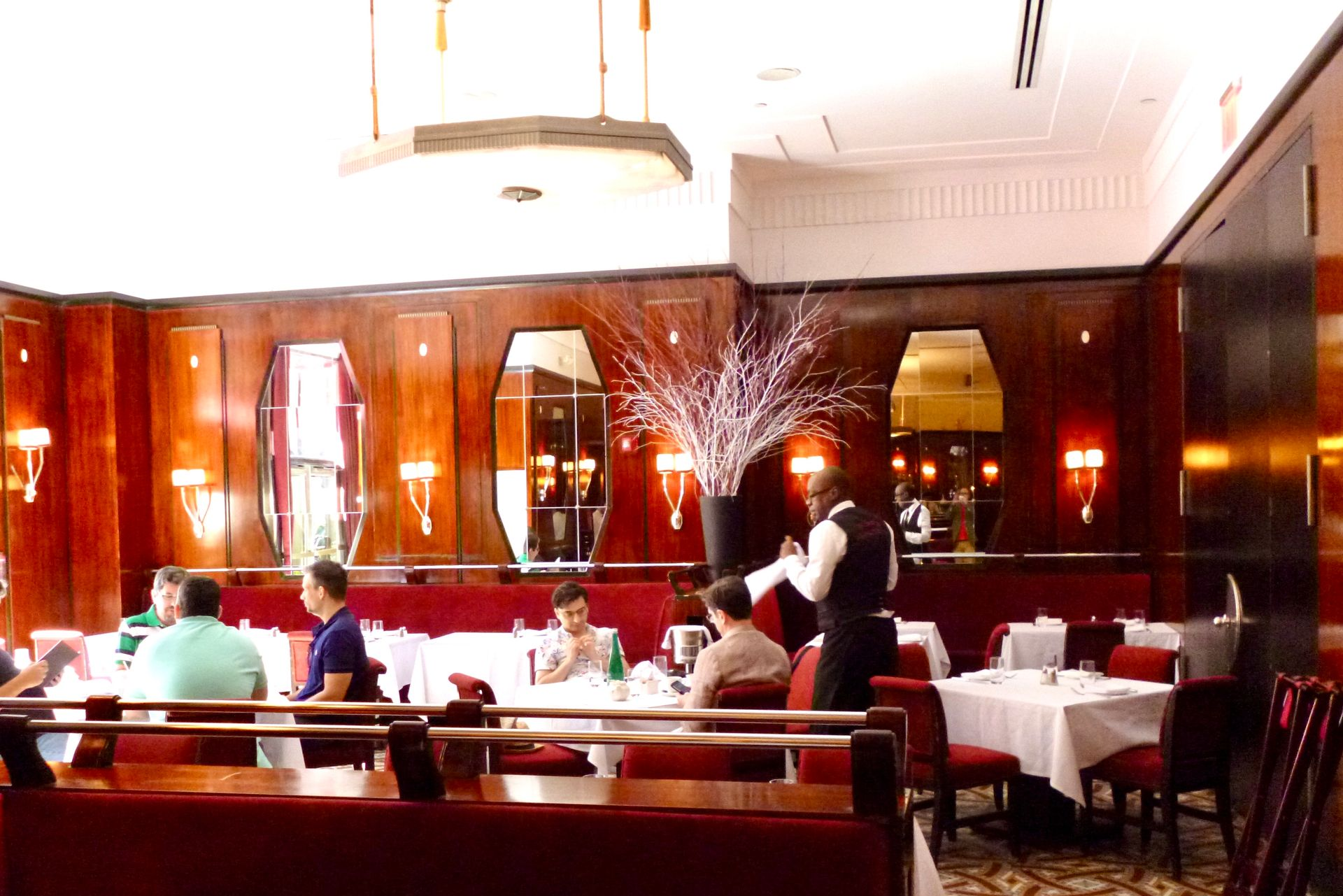
Hospitality Businesses Insurance
Insurance for restaurants, bars, and service-based operations.

Retail and
Commercial Properties
Protection for storefronts, inventory, and customer-related liability.
Our Approach
Insurance Made Easy to Understand
Mesa Insurance Agency provides business insurance coverage that helps protect operations, employees, and property. We work with multiple carriers to offer coverage options that support daily business activities and long-term stability.
Insurance FAQs
Helpful Answers for Florida Clients
Support you can rely on.

What makes Mesa Insurance Agency different?
We are an independent agency with access to multiple carriers. This allows us to offer flexible coverage options.
Clients work directly with licensed agents. Service continues beyond the policy start date.
Do you offer coverage for individuals and families?
Yes. We provide personal insurance for individuals and families across Florida.
Coverage includes auto, home, health, life, and flood insurance. Our team explains each option clearly.
Do you work with small and mid-sized businesses?
Yes. We work with businesses of many sizes and industries.
Our team helps identify risks and secure appropriate coverage. Ongoing service is included.
Can I make changes to my policy later?
Yes. Policies can be updated as needs change.
We assist with coverage adjustments, additions, and removals. Clients can contact us directly for help.
Is flood insurance required in Florida?
Flood insurance is not always required, but it is strongly recommended in many areas.
Standard home insurance does not cover flood damage. Our team can review your flood risk and options.
How do I contact your office?
You can contact us by phone, email, or through our website.
Our team responds promptly during business hours. Support is always available when needed.
From the Blog
Insurance Topics That Matter
Clear answers for common questions.







Client Reviews
Trusted by Clients Across Florida
Mesa Insurance Agency is proud to serve individuals and businesses throughout Florida. Clients choose us for clear communication, responsive service, and reliable insurance support. Their feedback reflects our focus on long-term relationships and consistent service.
Contact Us