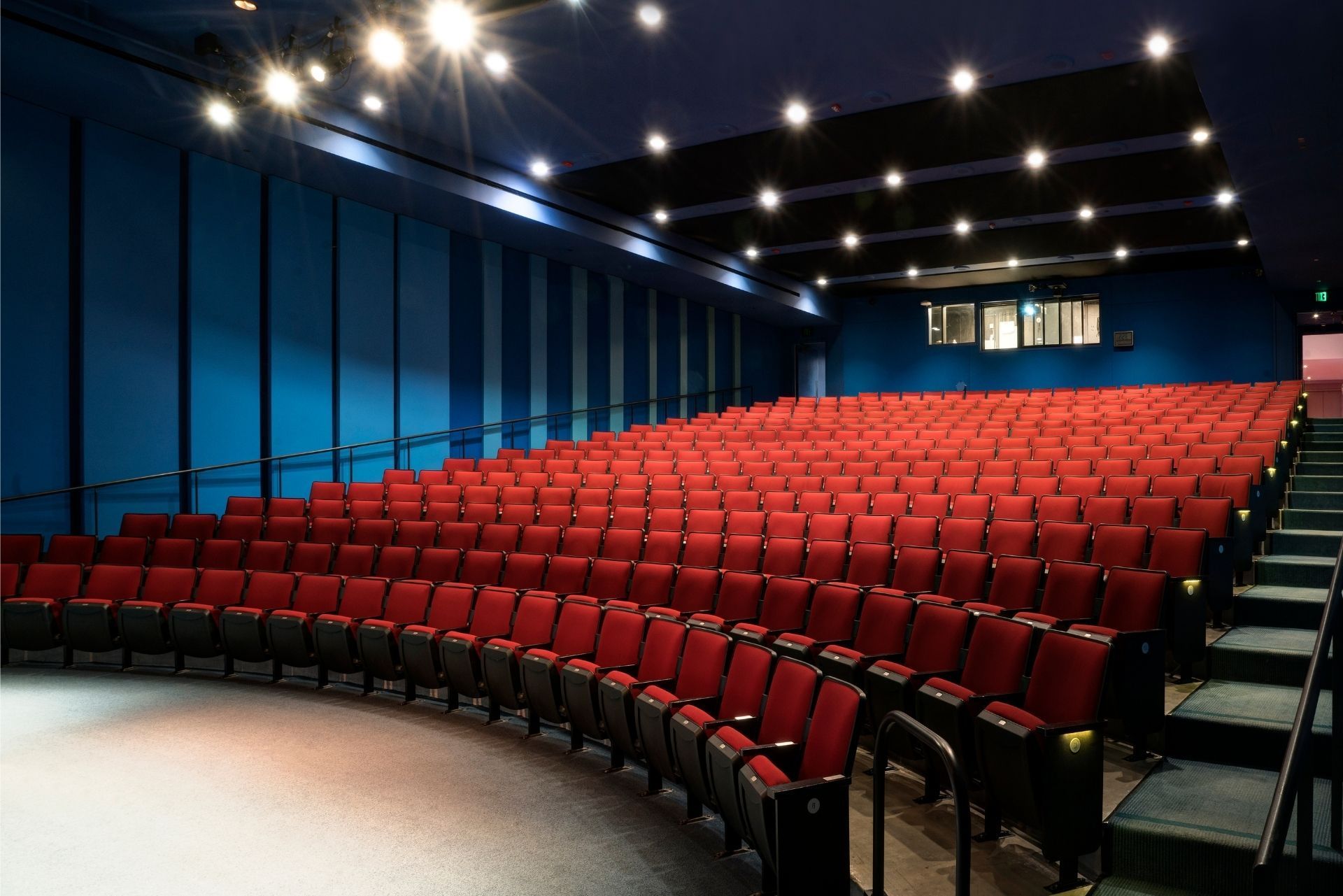
Local community theaters in Florida face unique challenges when it comes to insurance coverage. With increasing operating costs, unexpected damages, and potential liability claims, community theaters must ensure they have the right type of protection. Recent developments in Florida’s insurance market, such as changes in the capacity offered by new and established insurers according to industry experts, highlight the need for specialized policies designed to protect these artistic institutions.
A comprehensive insurance policy for a community theater may encompass property, liability, and event cancellation coverage. Each component is critical due to the nature of theater operations, which involve public performances, technical equipment, and a diverse array of staff and volunteers.
The following article provides an in-depth look at what community theaters in Florida can expect when it comes to insurance, along with practical advice on selecting and managing coverage.
Understanding the Unique Risks Facing Community Theaters
Community theaters operate in a dynamic environment that is distinct from other sectors in the entertainment industry. The venues are more than just buildings; they are historic landmarks, cultural hubs, and creative spaces where performances, rehearsals, and community events take place. With heavy foot traffic, complex stage setups, and technical equipment, there are many avenues for potential claims if something goes wrong.
Fire hazards, water damage, technical equipment malfunctions, and liability from public injuries are just a few of the risks these theaters face. Given the intricate blend of artistic activities, public gatherings, and technical operations, insurance policies for community theaters must often be tailored specifically to match their unique operational profile.
The risk profile for community theaters is distinct from that of standard commercial properties or entertainment venues. This nuanced risk often makes it challenging for local operators to find policies that cover all potential liabilities, making expert advice and well-designed policies essential.
Key Components of a Tailored Insurance Policy for Community Theaters
Property Coverage
Property insurance for community theaters typically covers damage to the building and contents, including stage equipment, lighting, and sound systems. It plays a crucial role in preserving the assets that bring cultural value to a community. Given that many theaters operate in historic properties, the cost of preserving architectural elements can be steep in the event of damage.
This digitalization of traditional risks has seen increasing complexity in policy language. Some policies now include clauses specifically addressing issues from fire damage, storms, or even vandalism.
With Florida's weather-related challenges and ever-changing landscape of claims, property coverage is more important than ever. Recent industry developments, such as improved underwriting gains reported by Florida-focused insurers by AM Best, emphasize that well-structured property policies have helped stabilize an otherwise volatile market.
Liability Insurance
Liability insurance is equally critical for community theaters, given the high footfall and the potential for accidents during performances or rehearsals. Injuries to patrons or staff, or even incidents during set assembly, expose community theaters to liability claims.
If an audience member slips or if a set collapses, the potential financial impact can be considerable. When appropriate liability coverage is in place, theaters can mitigate costs that arise from unexpected incidents and protect the institution's financial stability.
Florida's overall insurance landscape, where for instance homeowners saw a significant drop in policies from 2014 to 2024 as detailed in Deep Sky Research, underscores the importance of risk assessment and proactive coverage planning. Liability insurance ensures that if such incidents occur, the community theater remains operational without suffering financial setbacks.
Event Cancellation and Additional Coverages
Event cancellation coverage has grown in prominence, especially for community theaters that rely on ticket sales and event sponsorships. When performances are unexpectedly canceled due to emergencies, technical issues, or even severe weather, the loss of anticipated revenue can be critical. This type of policy helps recover losses by reimbursing unrecoverable costs.
Many policies now bundle additional coverages, such as equipment breakdown, which addresses malfunctions in lighting or sound systems. This added protection can prove indispensable in ensuring that scheduled events are not disrupted for long periods.
Given the propensity for sudden changes in weather patterns in Florida, such extra layers of coverage provide a safety net against unforeseen cancellations and interruptions. These conditions demand that community theaters maintain both robust financial reserves and comprehensive insurance plans.
Legislative Reforms and Market Stabilization: What It Means for Community Theaters
Legislative reforms in Florida have reshaped the insurance marketplace in recent years. Measures targeting claims-related litigation have had a notable effect, with studies reporting a significant decline in litigation activity in the property and casualty insurance market according to the Insurance Information Institute.
This improvement in the legal landscape has provided a buffer for community theaters, as more predictable claims processes mean less penalty for isolated events. Reduced litigation risk has led insurers to recalibrate their pricing and underwriting strategies. As a result, the cost associated with accountability incidents can be more effectively managed through better insurance options.
Legislative changes have also increased market capacity, giving community theaters access to a broader set of offerings. With more private insurers re-entering the market, theaters now have more pricing choices and policy customizations than ever before. This trend is a welcome sign for arts and cultural institutions that have long struggled to secure adequate yet affordable coverage.

When selecting an insurance provider, community theaters must balance cost, coverage scope, and insurer reliability. Florida has seen transformative shifts in the market over the past decade. A notable case is the substantial drop in active home insurance policies over the last ten years, which signals broader challenges within the sector according to recent research.
Community theaters should seek policies with reputable insurers who understand limited production environments and the rare risks inherent to historic or community venues. It is also important to consider the insurer's financial strength. Ratings from organizations like AM Best provide insight into the long-term viability of a company and its capability to honor claims when needed. For instance, Florida-focused insurers have recently reported improved underwriting results, a promising trend for policyholders relying on stable partnerships with their carriers.
Consulting with an insurance broker who has first-hand experience with arts and cultural institutions can vastly improve the process of comparing and selecting an insurance policy. These brokers provide guidance on tailoring coverage packages that align with the operational needs of a community theater.
Best Practices for Managing Your Institute’s Insurance
Effective insurance management requires diligence and constant review. Community theater administrators must periodically revisit their policies to ensure that the coverage remains adequate, especially after substantial changes in operations or when investing in new stage equipment. Regular consultations with insurance professionals help adapt to evolving risks, ensuring that the policy does not leave gaps in protection.
Documentation is also a critical component. Detailed inventories of assets, established safety protocols, and a record of past claims can all contribute to a more accurate risk assessment by insurance underwriters. Maintaining updated records ensures quick adjustments when policy renewals occur or when additional coverage is required for new events.
Staff training on safety measures and proactive implementation of risk management strategies create a culture that values preparedness. For example, organizing regular drills and inspections can significantly reduce the likelihood or severity of accidents during performances and rehearsals.
Regular Policy Reviews
Frequent reviews of policy details allow community theater managers to catch potential gaps before they become costly issues. Such reviews include assessing asset valuation, revisiting the terms of liability coverage, and verifying if event cancellation provisions meet the current operational needs.
As the market evolves, the need to negotiate with insurers also escalates. Some periods even prompt rate decrease requests from insurers in Florida; in fact, 40% of home insurers in Florida requested rate decreases from the state's regulator according to studies conducted recently. This trend reflects an overall stabilization of insurance costs as legislative measures take hold, a promising factor for community theaters battling tight budgets.
The key is adaptability. With proper monitoring and timely adjustments, community theaters can enjoy a more consistent and reliable level of coverage application, keeping the institution resilient in the face of unexpected challenges.
Risk Management Strategies
Risk management for a community theater goes beyond just having the right policy. A proactive approach can involve physical upgrades to safety features, including improved fire detection and suppression systems, and better crowd management practices during high-attendance events. Such improvements often translate into lower premiums as insurers acknowledge the reduced risk profile.
Engaging with local fire departments or safety consultants can lead to cost-effective upgrades and training sessions that directly impact a theater’s insurability. Additionally, partnerships with nearby venues or local government agencies may offer insights into innovative risk management practices that have proven effective in similar environments.
Notably, some experts draw parallels between the challenges in theatrical and broader property insurance sectors. Max Dugan-Knight, a climate data scientist at Deep Sky, recently warned that Florida's insurance crisis could serve as an early warning of climate catastrophe as
reported by industry sources. While the risk landscape differs, the lesson remains consistent: effective risk management is essential for long-term stability.
How Community Theaters Can Leverage Insurance for Long-Term Success
Insurance is not merely a safety net; when structured correctly, it can serve as an asset for long-term planning and sustainable growth. Community theaters that integrate proactive risk management with robust insurance policies often find it easier to secure funding, manage operational costs, and build trust among patrons and stakeholders.
Well-insured theaters are better positioned to withstand unforeseen events and bounce back stronger. This is particularly important when community theaters plan for renovations or expansive projects meant to elevate the cultural stature of the venue. Insurance policies that cover damage to equipment, property, and income loss help mitigate the financial uncertainty associated with large-scale investments.
Additionally, strong insurance profiles can open doors to partnership opportunities with private donors or municipal agencies who see reduced financial risk and improved operational stability. The intersection of strategic insurance planning and capital fundraising is where many community theaters find the critical support needed to thrive in a competitive cultural landscape.
Building Trust with Stakeholders
A robust insurance policy generates confidence among communities and donors. Stakeholders are more likely to invest in institutions that demonstrate sound risk management practices and an ability to protect valuable cultural assets. This transparency not only assures donors of their contributions but also reinforces the theater's commitment to safeguarding its mission and legacy.
When potential investors see that the theater holds comprehensive coverage, including event cancellation, liability, and property protection, they are more likely to view it as stable and well-managed. This can lead to increased opportunities for sponsorships, grants, and even partnerships with larger cultural organizations.
Community theaters may share selected aspects of their risk management strategy and insurance details during grant applications. This proactive disclosure reassures stakeholders that the theater is prepared for unexpected circumstances while actively protecting its creative output.
Insurance as an Operational Tool
Rather than a passive expense, insurance can serve as a strategic operational tool. Periodic renewals and policy negotiations are opportunities to assess the institution’s risk and adjust safety measures accordingly. This approach creates a feedback loop where improvements in safety directly lead to better policy terms, thus reducing future premiums.
For many community theaters, this dual benefit of coverage and operational insight is invaluable in a sector where every dollar counts. By investing time into understanding policy language and actively managing risk, theaters can lower costs and allocate funds to creative endeavors.
This operational focus also extends to staff training programs that emphasize risk mitigation during daily operations and special events. Ultimately, comprehensive insurance and proactive management create a resilient framework that benefits everyone involved with the theater.
Insurance Trends and Market Shifts in Florida
The insurance industry in Florida has experienced notable shifts over the recent years. The market has seen transformations driven largely by legislative reforms and changes in the regulatory environment. For instance, policy data shows dramatic shifts in the number of active home insurance policies-a trend that signals the broader pressures within the insurance landscape as noted by Deep Sky Research.
Recent reforms have provided an environment in which both legacy and new entrants can thrive. Higher capacity among insurers coupled with proven claims-related litigation decreases have contributed to a more stable underwriting environment. This stabilization has a ripple effect on all sectors, including specialized insurance for community theaters.
Although community theater insurance represents only a fraction of the market, lessons learned from the larger property and casualty segments inform the approach for these niche policies. With overall improved underwriting gains-as evidenced by the latest performance metrics from Florida-focused insurers-the future for community theater policies looks promising.
Market Recovery and Capacity Shifts
Market recovery in Florida has not been linear. In 2024, efforts to depopulate obsolete policy counts by organizations like Citizens Property Insurance Corp. reduced the number of policies to fewer than one million according to recent announcements. This change signals a broader strategy of streamlining and modernizing the insurance landscape.
Community theaters can learn from this shift by ensuring that their policies remain current and relevant. Keeping in regular contact with insurers and reviewing policy conditions in the wake of market realignments ensures that theaters benefit from competitive pricing and enhanced coverage terms.
This period of transition brings an opportunity for niche providers and specialty brokers to offer packages designed specifically for cultural and creative institutions. By aligning their coverage with market trends, community theaters are better positioned to negotiate terms that reflect both risk and operational needs.
Impact on Cost Structures
Shifts in market capacity and competitive behavior among insurers have a direct impact on premium pricing. Community theaters may see lower costs as regulatory and legislative reforms drive down overall risk exposure. For example, improved combined ratios and underwriting gains reported in recent industry analyses indicate that insurers are achieving better risk management outcomes as noted by AM Best.
Lower premium costs alleviate fiscal pressure on community theaters, allowing funds to be redirected to programming, facility upgrades, or community outreach efforts. This development emphasizes the importance of staying informed about broader market trends to leverage cost savings and optimize operational budgets.
Insurance pricing is increasingly reflective of sophisticated underwriting processes that consider both market-wide data and the unique risk factors associated with specific properties such as community theaters. Consequently, a theater’s ongoing engagement with its insurer becomes a key driver for maintaining cost-effective coverage over time.
Practical Steps for Community Theaters to Enhance Their Insurance Strategy
Enhancing an insurance strategy requires a proactive approach that brings together risk management, asset protection, and continual policy review. Community theaters in Florida can take several practical steps to ensure they maintain robust and effective insurance coverage.
Begin with a complete risk assessment. This evaluation should catalog all physical assets, identify potential hazards, and consider the unique aspects of theater operations. Understanding the risk landscape is the first step to crafting a policy that covers all eventualities.
After assessing risks, the next step is to engage with a broker or consultant who understands the intricacies of cultural institutions. Their expertise can translate complex policy language into actionable insights tailored to a theater’s needs.
Engaging with Specialized Insurance Brokers
Specialized insurance brokers provide invaluable guidance for community theaters by leveraging their knowledge of niche market conditions and policy nuances. These professionals can help theater administrators identify critical gaps in coverage and recommend adjustments that align with the institution's risk profile.
Working with someone who understands both the regulatory environment and the operational challenges unique to artistic venues can significantly streamline the process of selecting and managing a policy. Brokers often maintain relationships with multiple carriers, ensuring that the theater has access to competitive rates and comprehensive coverage options.
Partnering with a knowledgeable broker means that community theaters can focus on their primary mission of fostering local arts and culture, rather than worrying about the complexities of insurance management.
Implementing Safety and Operational Protocols
Beyond securing a policy, community theaters should develop robust safety and operational protocols that can help reduce exposure and simplify claims processes. Installing modern fire alarms, ensuring that electrical systems are up to code, and regular maintenance of stage equipment can all contribute to lowering risk.
Staff training sessions on emergency procedures and regular audits can further ensure that safety remains a top priority. These measures not only enhance the physical security of the theater but also signal to insurers that proactive steps are being taken to mitigate risks.
The combination of stringent safety protocols and well-crafted insurance policies positions community theaters to handle unforeseen challenges while keeping operations running smoothly.
Comparative Insights: Policy Components and Coverage Options
When evaluating insurance policies, community theaters must compare its various components carefully. A comprehensive policy should ideally include property coverage, liability protection, event cancellation, and additional options that specifically safeguard technical and artistic assets.
The following table provides a side-by-side comparison of key coverage elements that are particularly relevant to community theaters in Florida:
| Coverage Component | Description | Key Considerations |
|---|---|---|
| Property Coverage | Covers physical damage to the building, equipment, and contents. | Historic properties, expensive stage equipment, and technical systems. |
| Liability Insurance | Covers legal claims from injuries or accidents on site. | Foot traffic, performance-related incidents, and public liability. |
| Event Cancellation | Reimburses losses from cancellation of scheduled events. | Weather-related incidents, technical failures, and unforeseen emergencies. |
| Additional Equipment Coverage | Protects technical equipment from malfunctions or damage. | Lighting, sound systems, and on-stage machinery. |
This comparative insight helps theater managers identify which areas require deeper scrutiny and tailored policy adjustments. Each element of coverage plays an integral role in mitigating risk and ensuring comprehensive protection.
Customizing a policy accordingly can result in long-term savings and operational resilience, especially when insurers continuously evolve their offerings in response to market trends.
The Future Outlook for Community Theater Insurance in Florida
Looking ahead, community theater insurance in Florida is set to evolve further along with broader trends in the industry. Legislative reforms, improved underwriting practices, and increased insurer capacity suggest that policies designed for niche cultural institutions will benefit from a more stable environment.
New market entrants continue to diversify the offerings available in the market, turning what was once a fragmented landscape into a more competitive and customer-focused field. With stability in underwriting and improved profitability reported by some insurers as per industry analyses, community theaters may see more customized products tailored to their unique needs.
This evolving landscape offers hope that even cultural institutions with limited revenue streams can secure comprehensive insurance without bearing exorbitant costs.
Adapting to Technological Changes
Advancements in technology are gradually influencing how risk is managed and how insurance policies are underwritten. For instance, the use of digital inspections and real-time monitoring systems can provide insurers with more up-to-date information regarding the operational conditions of venues like community theaters.
This transparency leads to more precise policy pricing and faster claims processing. Technology also enables theaters to implement advanced safety protocols, from smart sensors detecting fire or water damage to integrated security systems that monitor crowd dynamics in real time.
Altogether, embracing technology offers community theaters a dual benefit: enhanced operational safety and potentially better insurance terms.
Opportunities and Challenges Ahead
While the outlook appears positive, challenges remain. The broader Florida insurance market has experienced significant fluctuations, as seen in historical data showing dramatic declines in property policies from 2014 to 2024. Such figures remind community theaters that a vigilant approach to managing risks and reviewing policies is as important as ever.
Despite these challenges, the collaborative efforts between policymakers, insurers, and cultural institutions are likely to yield a more resilient market. Community theaters stand to benefit greatly if they remain engaged, informed, and proactive regarding both legislative developments and evolving risk profiles.
Looking toward the future, the adoption of innovative approaches-combined with strategic insurance partnerships-will empower community theaters to continue nurturing local arts while ensuring long-term financial stability.
Frequently Asked Questions
This section addresses common queries related to insurance coverage specific to community theaters in Florida. The goal is to provide clear, concise answers to help theater administrators and stakeholders with their decision-making processes.
Q: What types of insurance coverage are most important for a community theater?
A: The most important types include property coverage, liability insurance, and event cancellation coverage. Additional coverage options may focus on protecting technical equipment and stage setups.
Q: How often should community theaters review or update their insurance policy?
A: It is recommended to review your policy annually or whenever there is a significant change in operations, asset acquisitions, or market conditions.
Q: Can community theaters secure specialized coverage despite having a historic or unique building?
A: Yes, many insurers offer tailored policies that take into account the unique risks associated with historic and culturally significant venues.
Q: How do legislative changes in Florida impact insurance rates for community theaters?
A: Legislative reforms that reduce litigation and stabilize the insurance market tend to lead to improved underwriting results and potentially lower rates for policyholders.
Q: What role does technology play in improving insurance outcomes for theaters?
A: Technology can enhance safety through real-time monitoring and digital risk assessments, leading to more precise underwriting and possibly more favorable terms.
Q: Is it necessary to work with a specialized broker when seeking theater insurance?
A: Working with a broker experienced in niche cultural sectors can help ensure that your theater’s unique insurance needs are met effectively.
Wrapping Things Up
Florida community theaters face a host of challenges that make robust and comprehensive insurance coverage a necessity. The tailored policies discussed in this article safeguard not only the physical assets but also the cultural heritage and community engagement provided by local theaters. By focusing on proactive risk management, regular reviews, and embracing legislative and technological advancements, these institutions can protect themselves against unforeseen challenges while bolstering the confidence of their stakeholders.
Insurance is a critical partner in ensuring the ongoing success of community theaters in a competitive and ever-changing environment. With the right balance of property, liability, and event cancellation coverage, theaters can continue to thrive artistically without being hampered by unforeseen financial burdens.
By staying informed about market trends and legislative developments, community theaters are better equipped to negotiate competitive rates and comprehensive coverage. In an era where even major sectors like home insurance have faced dramatic market shifts, maintaining thorough and tailored insurance policies is not just an operational requirement-it is a fundamental strategy for long-term success.
Looking Ahead
As Florida’s insurance market continues to evolve, community theaters have an opportunity to capitalize on improved underwriting conditions and competitive pricing. The steady decline in claims-related litigation and increased capacity among insurers, driven by thoughtful legislative reforms, offer signs that a more predictable and stable system is emerging.
This stability benefits community theaters not only by reducing risk exposure but also by opening the door to specialized policies curated around the artistic and cultural nuances of their operations. With insurers now reporting underwriting gains and greater capacity in the market, Florida theaters can expect more customized products tailored specifically to their unique risks and opportunities.
In practical terms, the future of community theater insurance will likely involve partnerships between insurers, local brokers, and the theaters themselves to create flexible, comprehensive policies that evolve with emerging risks. For cultural institutions, this delicate balance between creative vitality and financial security is essential for sustaining both performance quality and community impact.
ABOUT THE AUTHOR: PAUL RAMENTOL
I am the Owner and President of Mesa Insurance Agency. I help individuals and business owners across Florida secure personal and business insurance coverage that supports their needs. My focus is on clear guidance, direct communication, and long-term support without call-center delays or confusion.
Contact Us

Personal Coverage Options
Insurance Built for Everyday Protection
Mesa Insurance Agency provides personal insurance coverage designed to support daily life. Our team reviews risks and coverage needs to help clients secure dependable protection at fair rates.
Dental & Vision Insurance
Coverage that helps manage routine dental and vision care costs.

Business Coverage Options
Insurance Built for Business Protection
Mesa Insurance Agency provides business insurance coverage that helps protect operations, employees, and property. We work with multiple carriers to offer coverage options that support daily business activities and long-term stability.
Commercial Auto Insurance
Coverage for business-owned vehicles, drivers, and accident-related liability exposure.
General Liability Insurance
Protection against third-party injury, property damage, and common business liability risks.
Professional Liability Insurance
Coverage for claims related to professional services, advice, or service errors.
Workers’ Compensation Insurance
Coverage that helps support employees with work-related injuries and medical costs.
Commercial Property Insurance
Protection for buildings, equipment, inventory, and physical business assets.
Errors & Omissions Insurance
Coverage for financial losses caused by mistakes, omissions, or service-related claims.
Industries We Serve
Serving Businesses Across Multiple Sectors
Mesa Insurance Agency works with business owners across Florida to provide insurance coverage that supports daily operations. We understand common risks faced by different industries and help clients secure reliable protection.
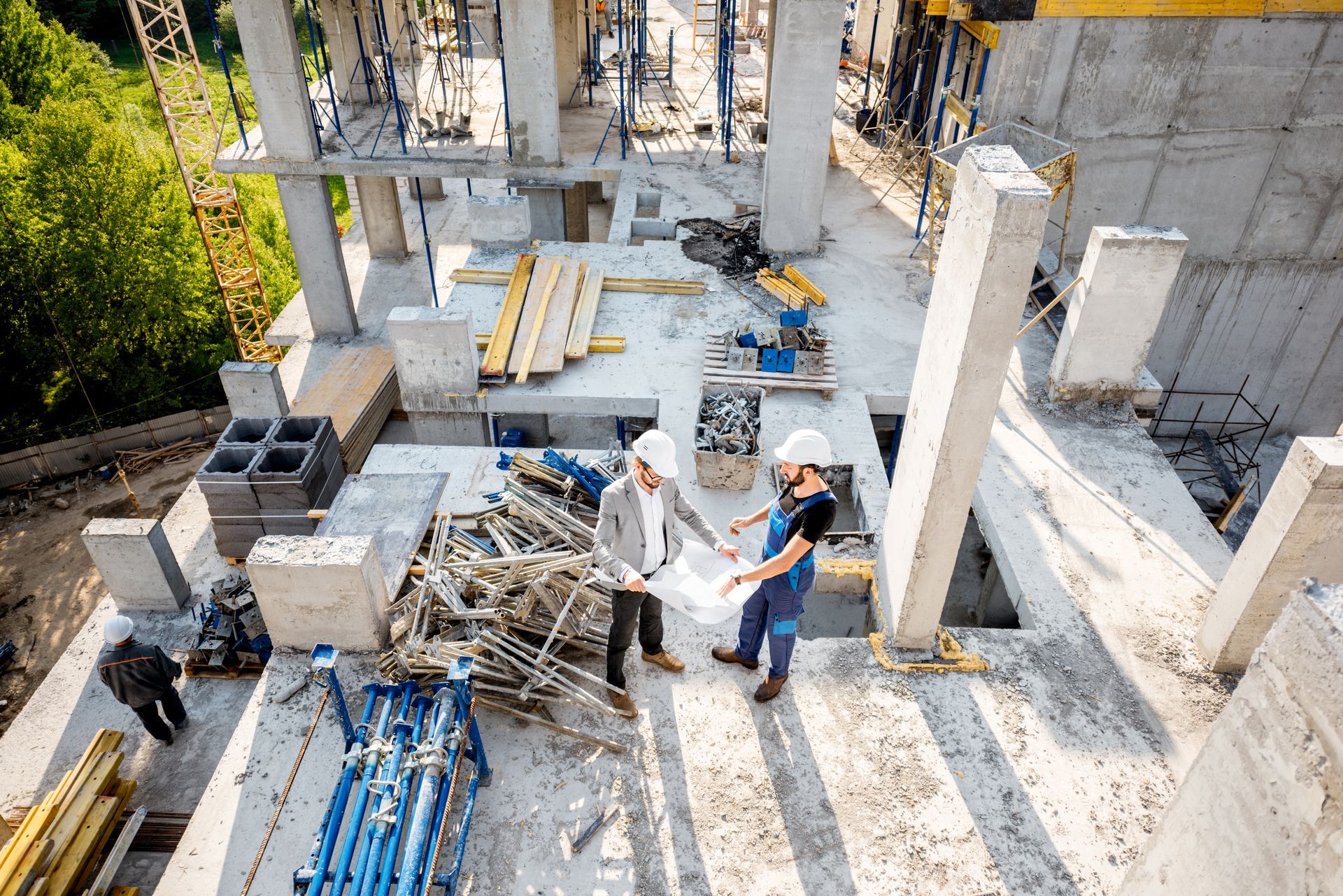
Construction and Trades Insurance
Coverage for job sites, vehicles, tools, and workplace risks.

Hospitality Businesses Insurance
Insurance for restaurants, bars, and service-based operations.

Retail and
Commercial Properties
Protection for storefronts, inventory, and customer-related liability.
Our Approach
Insurance Made Easy to Understand
Mesa Insurance Agency provides business insurance coverage that helps protect operations, employees, and property. We work with multiple carriers to offer coverage options that support daily business activities and long-term stability.
Insurance FAQs
Helpful Answers for Florida Clients
Support you can rely on.

What makes Mesa Insurance Agency different?
We are an independent agency with access to multiple carriers. This allows us to offer flexible coverage options.
Clients work directly with licensed agents. Service continues beyond the policy start date.
Do you offer coverage for individuals and families?
Yes. We provide personal insurance for individuals and families across Florida.
Coverage includes auto, home, health, life, and flood insurance. Our team explains each option clearly.
Do you work with small and mid-sized businesses?
Yes. We work with businesses of many sizes and industries.
Our team helps identify risks and secure appropriate coverage. Ongoing service is included.
Can I make changes to my policy later?
Yes. Policies can be updated as needs change.
We assist with coverage adjustments, additions, and removals. Clients can contact us directly for help.
Is flood insurance required in Florida?
Flood insurance is not always required, but it is strongly recommended in many areas.
Standard home insurance does not cover flood damage. Our team can review your flood risk and options.
How do I contact your office?
You can contact us by phone, email, or through our website.
Our team responds promptly during business hours. Support is always available when needed.
From the Blog
Insurance Topics That Matter
Clear answers for common questions.






Client Reviews
Trusted by Clients Across Florida
Mesa Insurance Agency is proud to serve individuals and businesses throughout Florida. Clients choose us for clear communication, responsive service, and reliable insurance support. Their feedback reflects our focus on long-term relationships and consistent service.
Contact Us