Antique shop owners in Florida face unique challenges. The business is a blend of art, history, and high-value collectibles. Amid unpredictable weather events and a tough insurance market, understanding coverage options is essential. Antique shopkeepers must navigate a landscape where tailored policies can safeguard valuable inventory, historic artifacts, and the everyday operations of their businesses. Research from Deep Sky highlights some dramatic shifts that may echo across all insurance segments in the state.
This article explores the intricacies of insurance coverage for antique shops, the evolving market dynamics in Florida, and the strategies businesses can use to ensure they are protected no matter what challenges arise. Detailed discussions about market trends, policy features, and insurer stability are crucial for antique business owners looking to optimize their coverage.
Understanding the Unique Insurance Needs for Antique Shops
Antique stores are not like any ordinary retail business. Items of historical and sentimental value require specialized coverage not commonly found in standard commercial policies. In a state like Florida, with its ever-changing climate and fluctuating market conditions, these needs become even more pronounced. Owners must consider risks such as property damage from hurricanes, fire, water leaks, and even sudden cultural shifts in valuation that affect the insured items.
Insurance policies for antique shops often include specialized clauses for appraisal-based valuation, flexible replacement costs, and limited indemnity clauses. This ensures that rare pieces aren’t simply valued at retail rates, but at prices that more accurately reflect their uniqueness. With a market where nearly 40% of home insurers in Florida requested rate decreases as of 2024 Insurance Information Institute (Triple-I), antique store insurance policies must be strategically designed to handle historical volatility.
Shop owners must also be mindful of emerging legal trends and claims practices. Legislative reforms in the state have played a significant role in stabilizing commercial and homeowners insurance markets. Such reforms influence coverage specifics, including damage assessments and claim procedures.

Market Trends Impacting Antique Store Insurance
Florida has experienced dramatic shifts in its insurance environment over the past decade. One striking statistic mentions that active home insurance policies in the state dropped from 3.2 million to 710,000 between 2014 and 2024 Deep Sky Research. While this data primarily pertains to homeowners insurance, it highlights a broader trend that impacts all lines of insurance, including those offered for commercial operations like antique stores.
The declining number of policies can be attributed to several factors, including increasing claims from natural disasters, fluctuating market profitability, and the financial fragility of some insurers. Small insurers, in particular, are struggling to meet federal guidelines. A study by Florida Trend found that numerous small carriers in the state are considered financially weak, raising concerns for antique shop owners who rely on these insurers for robust coverage.
On the other hand, improvements are also emerging. In 2024, Florida’s personal property insurance market reported an underwriting profit of $206.7 million
AM Best. This positive development offers some hope that with proper risk management and legislative support, the overall insurance market can stabilize, benefiting niche segments like antique store coverage.
Key Coverage Components for Antique Shops
Antique store insurance should be comprehensive, covering many aspects that traditional commercial policies might miss. One of the most critical components is property coverage, which ensures that both the physical location of the shop and the inventory inside are protected. Considering the fragility and unique aspects of antiques, policyholders need coverage that works well for arts and collectibles insurance.
Another essential component is liability coverage. Antique shop owners often host events, workshops, or special exhibits, which increase the risk of customer injury or property damage. A solid liability policy not only covers legal claims but also helps protect the shop’s financial stability during litigation.
Business interruption insurance is vital. An unexpected event like a hurricane or major fire can bring operations to a standstill for weeks or even months. This coverage ensures that critical expenses such as rent, payroll, and utilities continue to be paid during the recovery phase. Given the vulnerability of the Florida market to natural disasters, ensuring business continuity is both a prudent and necessary investment.
Appraisal and Historical Value Coverage
Antique store policies must incorporate flexible appraisal methodologies. Valuation is not a one-size-fits-all approach, particularly when dealing with historical objects. Appraisals typically require expert opinions and may include factors like authenticity, rarity, and condition at the time of the incident. This means that insurance documents often include exhaustive details about the replacement or repair value that may extend well beyond standard market price.
Adjustments in an insurance claim can be delicate. Insurers need to balance cost controls with the preservation of cultural heritage. Legislative reforms in Florida aimed at curbing excessive legal practices help in reducing defense cost containment expenses. According to Mark Friedlander from the Insurance Information Institute, these reforms have enabled insurers to write profitable business in all regions of the state, even in hurricane-prone areas Washington Post. This development is critical for antique store owners whose policy claims require precise evaluation and fair settlements.
Flexible Replacement Cost and Indemnity Clauses
The traditional indemnity clause might not suffice for antique items. Replacement cost clauses allow for coverage that considers current market dynamics and the specialized nature of antiques. Given rapid changes in the insurance market and variable risk pricing, having this clause tailored for antiques ensures that shop owners do not suffer financial losses in the event of an unforeseen disaster.
Such policies can also include provisions for verifying historical authenticity before compensating claims. These measures are essential, considering that a single misinterpreted valuation may result in significant losses or disputes with insurers. Policy modifications that account for these factors often result in higher premiums; however, they provide much-needed peace of mind for shop owners dealing with irreplaceable pieces.

Legislative Influences on Antique Shop Insurance
Recent legislative reforms in Florida have had a notable impact on the insurance market. Laws designed to curb legal system abuse and fraudulent claims have stabilized many aspects of property/casualty lines. For antique shop owners, this provides a dual advantage: more reliable insurer payouts and clearer processing of claims when events arise. Changes in state law not only contribute to a healthier market for traditional homeowners insurance but also open up opportunities for better commercial and specialized policies.
The regulatory environment has been pivotal. One study points out that a significant proportion of small insurers in Florida have struggled to meet the federal guidelines for back-mortgaged homes Florida Trend. This turbulence stresses the importance of choosing insurers with proven financial stability and supportive legislative frameworks. Antique store owners benefit from policies that are underwritten by companies with strong capital reserves and a commitment to sound underwriting practices.
Additionally, because antique inventories may include items with potentially inflated sentimental or market value, legislative clarity on appraisal practices contributes to smoother claim settlements. Continued reforms in Florida provide hope that insurers will gradually become even more flexible in underwriting policies for niche markets.
How to Choose the Right Insurance Provider
The search for an insurance provider that understands both Florida’s market dynamics and the unique requirements of antique shops starts with thorough research. A provider must balance competitive premiums with robust coverage across multiple categories. Financial strength is a key indicator. With reports showing that nearly 53% of Florida homeowners believe there is increased choice among carriers Hi Marley, antique shop owners have a growing array of options.
Before finalizing a policy, antique store owners should request details regarding:
- Specialized coverage for historical and high-value items
- Business interruption and liability clauses
- Flexible replacement cost provisions
It is not only about finding the best price. The provider’s claims history and the transparency of the policy terms are equally important. In an industry where each artifact may hold hundreds of thousands in value, even minor deficiencies in a policy can lead to significant financial setbacks.
Evaluating Insurer Financial Health
Given the collapse in active home insurance policies in Florida from 3.2 million to 710,000 over a ten-year period Deep Sky Research, the financial stability of your insurer should be at the forefront of your selection process. Antique shop owners should review ratings and auditor reports available from reputable sources to ascertain that the insurer can weather market fluctuations and fulfill claims under pressure.
Additionally, insurers that offer dedicated customer support in the event of disputes are invaluable. A proactive approach in claims handling often makes the difference between a swift recovery and prolonged financial distress. Detailed policy comparisons and one-on-one consultations can help in aligning coverage expectations with actual offerings.
Beyond traditional reviews, industry reports from agencies like AM Best offer critical insights into insurer profitability and risk management practices. A stable insurer not only provides a safety net but also tends to have more flexible policy terms which can adapt to the unique needs of antique shops.
Negotiating Policy Terms
When negotiating insurance policy terms, owners should discuss adjustments pertaining to appraisal methods, deductibles, and premium payment schedules. Retail environments with antique-heavy inventories often benefit from customized endorsements that address unpredictability in item valuations.
Engaging an insurance broker who specializes in commercial or niche property insurance can provide critical leverage. These professionals understand the nuances of antique valuation and may negotiate terms that include special clauses for rare and unique items. Items that carry historical importance often require in-depth documentation and scheduled reappraisals to ensure that coverage remains current. Such proactive management can safeguard both the financial interests of the shop and the cultural legacy encompassed by the inventory.
Ultimately, transparent discussions regarding policy limitations and claim handling procedures create the best foundation for future claims. Shop owners should feel comfortable asking targeted questions to ensure that their coverage adapts to evolving risks and remains aligned with their business interests.
Risk Management Strategies for Antique Shop Owners
Risk management plays a crucial role in maintaining affordable and comprehensive insurance coverage. Antique shop owners can take proactive steps to reduce potential losses and improve claim outcomes. These strategies not only lower operational risks but may also result in lower premiums for business interruption and property coverage.
It starts with ensuring that the physical shop is well-maintained and secure. Preventative measures such as installing fire suppression systems, climate control units for delicate items, and advanced security alarms go a long way. Leveraging these strategies creates a safer environment and signals to insurers that risks are managed responsibly.
In Florida, natural disasters pose a considerable threat. Hence, mitigation measures like storm shutters, reinforced roofing, and comprehensive emergency response plans are advisable. By aligning operational risk management with industry best practices, shop owners build a more compelling case when negotiating policy terms and premiums.
Employee Training and Security Protocols
Trained staff can significantly mitigate the risk of theft, mishandling, or accidental damage. Regular employee training sessions on security protocols and emergency procedures help maintain a secure environment for customers and inventory alike.
Implementing a robust inventory tracking system is also critical. Detailed documentation, including photographs, appraisals, and historical provenance of antiques, ensures that any potential claim process is facilitated with comprehensive evidence. Documentation helps insurers verify the authenticity and condition of items, leading to smoother claim settlements and potentially more favorable policy conditions.
Shop owners are encouraged to collaborate with industry experts who not only offer appraisal services but can also assist in risk mitigation planning. These professionals bring valuable insights into the vulnerabilities of antique inventories and provide recommendations tailored to the unique needs of historical merchandise.
Utilizing Technology and Data Analytics
Recent legislative and market-driven improvements have allowed insurers to integrate modern technology in risk assessment. Data analytics now plays a role in determining policy terms and predicting risk areas. Antique shop owners can benefit from technologies that monitor weather patterns, track shifts in local crime rates, and evaluate building condition in real time.
This blend of technology and human insight is especially important in markets like Florida, where fluctuations in weather and economic conditions can be sudden. Not only does this improve safety, but it also provides detailed records that can support future claims. Integrated risk management solutions, often provided by insurers themselves, can become a powerful asset for any antique store.
The combination of modern technology with traditional risk management practices ensures that antique shops remain resilient in the face of unexpected challenges. Insurers respond positively when they see that business owners actively manage risk rather than merely transferring it.
Comparing Coverage Options: A Closer Look at Policies
An antique shop’s insurance needs vary based on factors like location, inventory value, and business operations. Comparing policy options enables shop owners to select the best coverage without unnecessary add-ons. The process often involves reviewing policy summaries that list key features, restrictions, and coverage limits. The following table outlines a side-by-side comparison of basic coverage versus extended policies tailored for antique shops:
| Coverage Feature | Standard Commercial Policy | Antique Shop Extended Policy |
|---|---|---|
| Property Damage | Limited replacement cost | Flexible appraisal-based replacement cost |
| Business Interruption | Basic interruption coverage | Enhanced coverage including historical inventory recovery |
| Liability Protection | General public liability | Comprehensive liability with event-specific endorsements |
| Specialty Clauses | Standard exclusions apply | Custom endorsements for historical artifacts and appraisal clauses |
This table illustrates that policies designed for antique shops tend to offer deeper and more flexible coverage options, addressing concerns that traditional commercial policies might overlook.
When comparing quotes, it is advisable to work with an insurance broker who understands the intricacies of Florida’s insurance market as well as the heritage and financial importance of antique items. A customized approach ensures comprehensive coverage that addresses both common and uncommon risks.
Strategies for Lowering Insurance Premiums
Reducing insurance premiums without sacrificing coverage quality is a priority for many antique shop owners. While specialized coverage naturally comes at a higher cost, several strategies can help moderate expenses. Risk management improvements, as discussed earlier, often lead to premium discounts over the policy term. Insurers appreciate investments in security, proper documentation, and professional valuations.
Antique shop owners can consider bundling coverage with other business policies for additional savings. Some providers offer multi-policy discounts, which may cover various aspects from property damage to liability and business interruption. Negotiating policy deductibles that align with the business’s cash flow can also be an effective tactic when premiums seem particularly steep.
Exploring dedicated antique or fine art insurance providers may yield competitive rates. These providers are more accustomed to valuing historical items and managing appraisal intricacies. Using specialized carriers ensures that the unique risks associated with antique inventories are assessed appropriately, potentially leading to more favorable premium terms.
Implementing Preventative Measures
Insurance providers typically reward policyholders who can demonstrate robust risk management practices. For antique stores, preventative measures might include installing modern alarm systems, using climate-controlled display cases, and securing backup power systems. Regular maintenance of the building and updating historic inventories with professional appraisals are vital practices.
Many insurers offer discounts when a business can substantiate these proactive strategies. Transparent documentation of upgrades or danger mitigation efforts often results in a more favorable underwriting process, as it reduces the likelihood of major claims. This proactive stance can be as financially important as the policy itself.
Ultimately, the goal is to strike a balance between robust coverage and manageable premiums. Thoughtful risk management and continuous dialogue with insurers can result in excellent savings and better overall protection.
Adjusting to Florida’s Changing Insurance Landscape
Florida has long been a challenging market for insurance across various domains. The collapse in active home insurance policies over a decade points to deeper structural challenges in the industry Deep Sky Research. Antique store owners must remain adaptable in an environment where natural disasters, legal reforms, and economic shifts influence overall market conditions.
Legislative reforms have already begun to reshape how risks are mitigated and how claims are processed in Florida. These changes have a direct impact on policy terms and insurer reliability. Recent reports of first underwriting profits in the personal property insurance market signal that insurers are adjusting their models to accommodate Florida’s high-risk profile AM Best. For antique store owners, keeping abreast of these evolving dynamics is key to ensuring the chosen policy remains adequate over time.
Adaptive strategies include annual policy reviews, staying informed on relevant legal changes, and understanding how new risk models may affect valuation or claim processing. By continually refining their approach to insurance, antique shop owners can better navigate regulatory changes and market volatility.
Embracing Digital Innovations
Technological innovations have begun to influence how insurers assess risk and manage claims. Data analytics and real-time monitoring of relevant risk factors, such as weather conditions and security breaches, are slowly becoming integral to policy structures in Florida. Antique shop owners who embrace these innovations may find that insurers are more willing to offer customized coverage at competitive rates.
Digital platforms that aggregate data on property performance and environmental conditions can provide evidence for actual risk reduction strategies. As insurers work to refine their actuarial models for a historically volatile market, those who can prove consistent risk management through technology may see tangible benefits, including premium discounts and improved claims handling.
This digital transformation signifies a shift toward a more dynamic approach in coverage, where constant feedback and adaptation ensure that both insurers and policyholders benefit from a proactive risk management culture.
Frequently Asked Questions
Q: What makes antique store insurance different from regular commercial property insurance?
A: Antique store insurance is tailored for items with unique historical value and often includes flexible appraisal methods and specialized replacement cost coverage. This customization helps protect invaluable pieces beyond what typical commercial insurance covers.
Q: How important is it to have business interruption insurance for an antique store?
A: Business interruption insurance is critical as it covers revenue loss during unexpected events like a hurricane or fire, ensuring that ongoing operational costs such as rent and payroll remain manageable.
Q: What risk management strategies can help lower my insurance premiums?
A: Strengthening security, installing climate control measures, and maintaining meticulous inventory records can reduce your risk profile, leading to lower premiums from insurers.
Q: How do legislative reforms in Florida benefit antique store insurance policies?
A: Legislative reforms have stabilized the insurance market by curbing fraudulent claims and excessive legal expenses, resulting in clearer policy terms and more reliable claims processing for niche markets, including antique shops.
Q: How can technology help antique shop owners manage their insurance coverage?
A: Digital innovations, such as data analytics, real-time risk monitoring, and advanced security systems, provide evidence-based measures that can lead to tailored policy terms, premium discounts, and improved claims handling.
Q: Should I consider working with an insurance broker specialized in antique store coverage?
A: Yes, brokers with expertise in antique and fine art insurance can help navigate complex appraisal requirements and negotiate terms that align with the unique needs of your business.
Wrapping Things Up
Florida antique store insurance is a complex yet vital aspect of running a business that deals in irreplaceable items. The insurance market in Florida is evolving in response to a variety of factors including legislative reforms, shifting market dynamics, and natural disaster risks. Antique shop owners must prioritize obtaining policies that cover property damage, business interruption, liability, and specialized appraisal of historical inventory.
The emerging improvements in Florida’s insurance profitability, especially seen in personal property insurance underwriting profits, offer hope for businesses looking for reliable coverage. With fewer insurers in some segments and more specialized offerings in others, strategic risk management becomes a key factor in securing favorable insurance terms. Adopting technologies and robust risk management practices not only safeguards tangible assets but also strengthens the case for insurance claims when needed.
Ultimately, successful insurance coverage for antique shops in Florida requires thoughtful policy comparisons, diligent review of insurer financial health, and ongoing adjustments to coverage as market conditions change. Keeping up with legislative reforms and technological advancements will help ensure that antique shop owners remain well-protected in a dynamic insurance landscape.
Recent surveys indicate that shop owners are optimistic about increased carrier choice, a promising sign for the future of niche insurance coverage.
ABOUT THE AUTHOR: PAUL RAMENTOL
I am the Owner and President of Mesa Insurance Agency. I help individuals and business owners across Florida secure personal and business insurance coverage that supports their needs. My focus is on clear guidance, direct communication, and long-term support without call-center delays or confusion.
Contact Us

Personal Coverage Options
Insurance Built for Everyday Protection
Mesa Insurance Agency provides personal insurance coverage designed to support daily life. Our team reviews risks and coverage needs to help clients secure dependable protection at fair rates.
Dental & Vision Insurance
Coverage that helps manage routine dental and vision care costs.

Business Coverage Options
Insurance Built for Business Protection
Mesa Insurance Agency provides business insurance coverage that helps protect operations, employees, and property. We work with multiple carriers to offer coverage options that support daily business activities and long-term stability.
Commercial Auto Insurance
Coverage for business-owned vehicles, drivers, and accident-related liability exposure.
General Liability Insurance
Protection against third-party injury, property damage, and common business liability risks.
Professional Liability Insurance
Coverage for claims related to professional services, advice, or service errors.
Workers’ Compensation Insurance
Coverage that helps support employees with work-related injuries and medical costs.
Commercial Property Insurance
Protection for buildings, equipment, inventory, and physical business assets.
Errors & Omissions Insurance
Coverage for financial losses caused by mistakes, omissions, or service-related claims.
Industries We Serve
Serving Businesses Across Multiple Sectors
Mesa Insurance Agency works with business owners across Florida to provide insurance coverage that supports daily operations. We understand common risks faced by different industries and help clients secure reliable protection.

Construction and Trades Insurance
Coverage for job sites, vehicles, tools, and workplace risks.
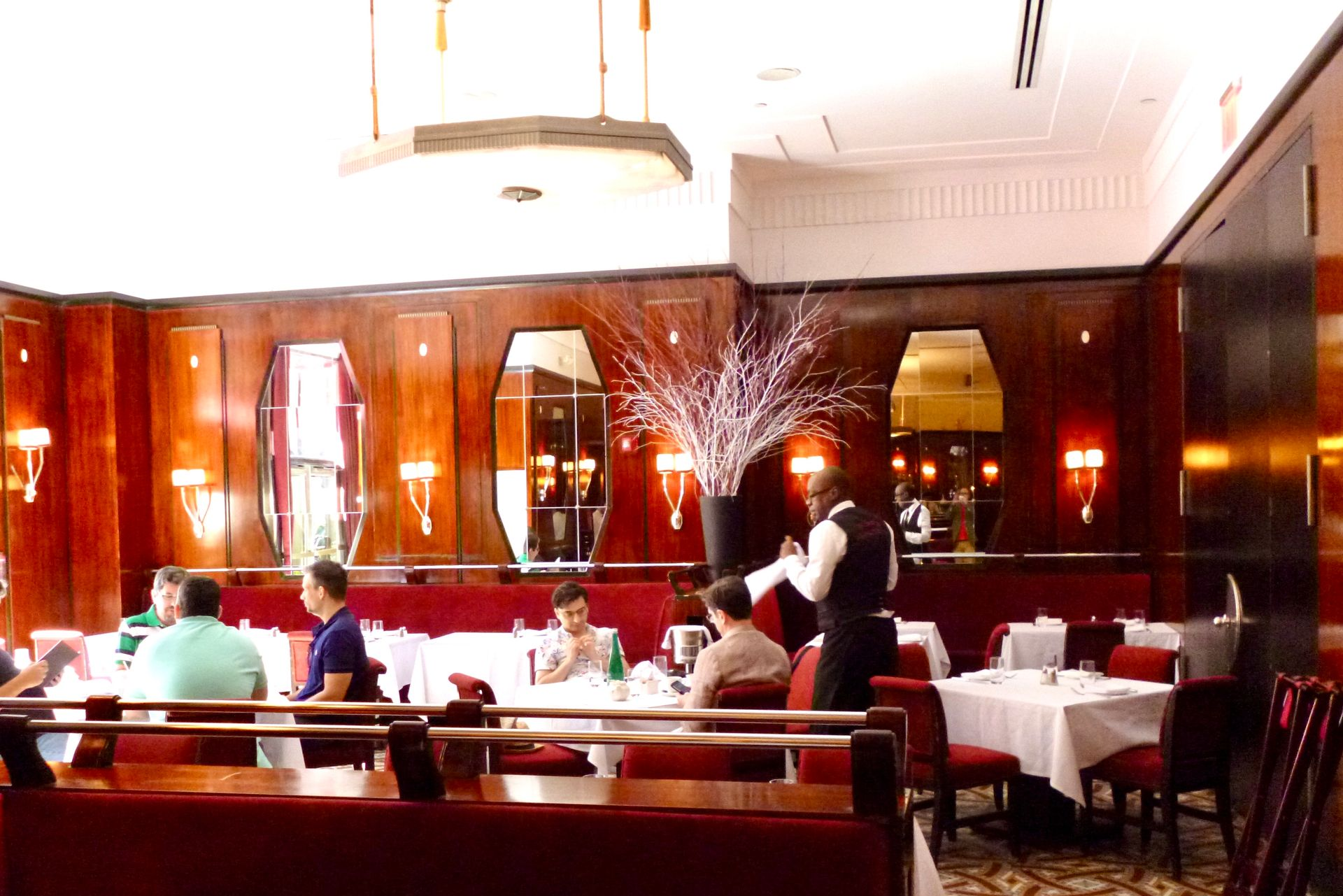
Hospitality Businesses Insurance
Insurance for restaurants, bars, and service-based operations.
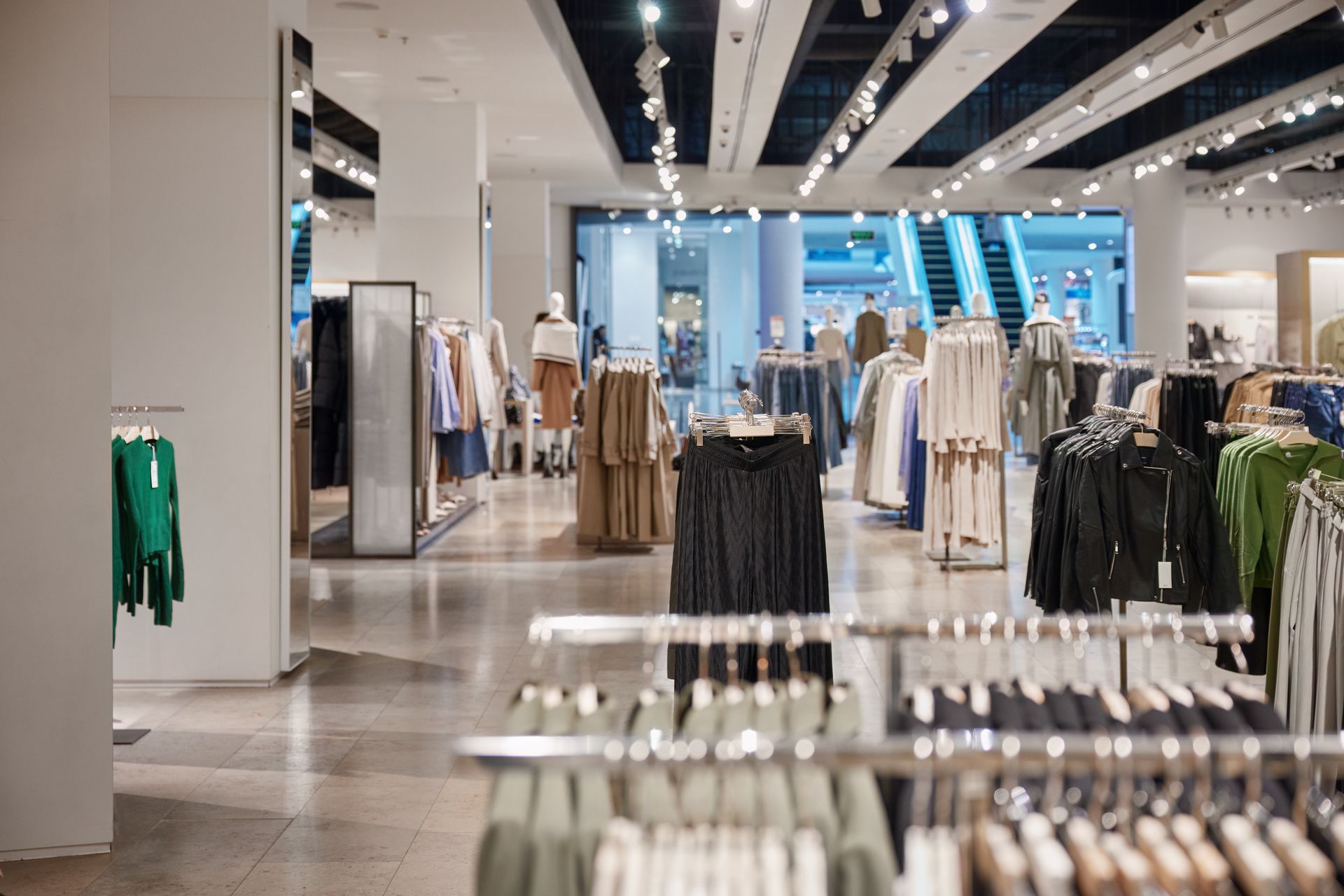
Retail and
Commercial Properties
Protection for storefronts, inventory, and customer-related liability.
Our Approach
Insurance Made Easy to Understand
Mesa Insurance Agency provides business insurance coverage that helps protect operations, employees, and property. We work with multiple carriers to offer coverage options that support daily business activities and long-term stability.
Insurance FAQs
Helpful Answers for Florida Clients
Support you can rely on.

What makes Mesa Insurance Agency different?
We are an independent agency with access to multiple carriers. This allows us to offer flexible coverage options.
Clients work directly with licensed agents. Service continues beyond the policy start date.
Do you offer coverage for individuals and families?
Yes. We provide personal insurance for individuals and families across Florida.
Coverage includes auto, home, health, life, and flood insurance. Our team explains each option clearly.
Do you work with small and mid-sized businesses?
Yes. We work with businesses of many sizes and industries.
Our team helps identify risks and secure appropriate coverage. Ongoing service is included.
Can I make changes to my policy later?
Yes. Policies can be updated as needs change.
We assist with coverage adjustments, additions, and removals. Clients can contact us directly for help.
Is flood insurance required in Florida?
Flood insurance is not always required, but it is strongly recommended in many areas.
Standard home insurance does not cover flood damage. Our team can review your flood risk and options.
How do I contact your office?
You can contact us by phone, email, or through our website.
Our team responds promptly during business hours. Support is always available when needed.
From the Blog
Insurance Topics That Matter
Clear answers for common questions.







Client Reviews
Trusted by Clients Across Florida
Mesa Insurance Agency is proud to serve individuals and businesses throughout Florida. Clients choose us for clear communication, responsive service, and reliable insurance support. Their feedback reflects our focus on long-term relationships and consistent service.
Contact Us