A significant turning point in Florida’s pet care industry is unfolding as pet boarding facilities experience increased scrutiny regarding insurance coverage. Rising operational costs, evolving consumer expectations, and regulatory adjustments all highlight the need for comprehensive protection. Pet facility operators who neglect the importance of robust insurance programs risk facing financial setbacks that threaten their business stability.
Recent developments in Florida illustrate a blend of market trends and legislative changes that are reshaping how pet boarding facilities approach risk management. Notably, the pet insurance market has seen regulatory interventions such as mandated transparency in policy disclosures. Detailed insights on these changes can be found in
Florida lawmakers’ transparency initiative.
Understanding the Unique Risks for Pet Boarding Facilities
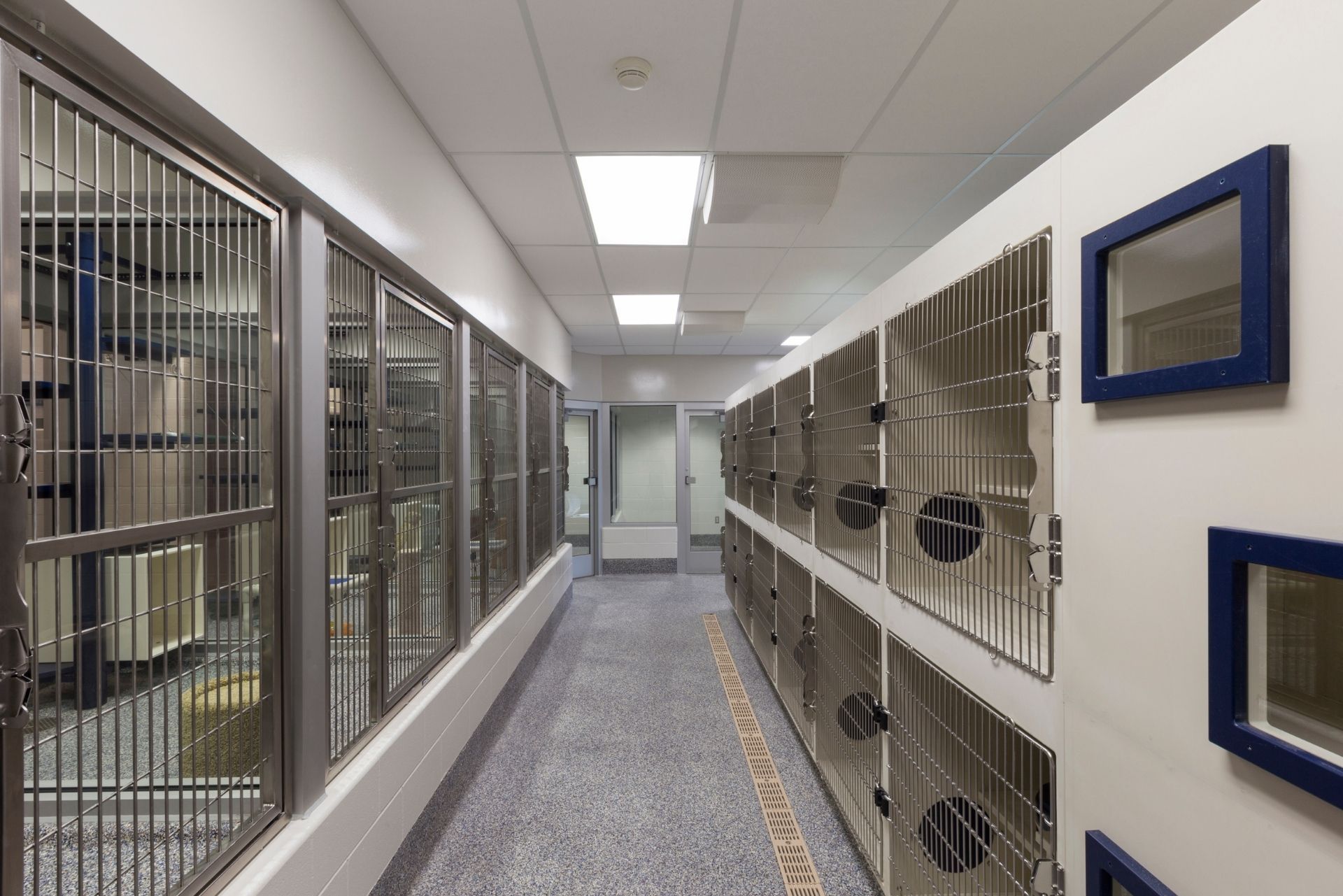
Operating a pet boarding establishment involves unique challenges. Not only must operators ensure the well-being of animals under their care, but they also face exposure to liabilities from accidents, theft, or injuries on the premises. The importance of insurance in mitigating these risks is paramount, given that a single incident can lead to financial losses that may cripple a business.
Insurance coverage tailored to pet boarding facilities ensures that operators are not solely burdened by the expense of unforeseen events. A real-world example involves a dog boarder in Florida who ended up paying over $23,500 in expenses following an incident. This case underscores that operating without proper insurance can be a financially risky decision, even though state law does not mandate coverage for dog boarders (dog boarder case details).
Risk management strategies extend beyond basic liability coverage. Facilities must consider policies that protect the business during a range of incidents-from property damage and injuries to legal claims and regulatory fines. A detailed understanding of these risks helps pet boarding facilities make informed decisions about their insurance needs.
Market Dynamics and Insurance Rate Changes
Florida’s insurance market, including pet insurance, has seen considerable rate adjustments recently. In December 2025, state regulators approved 12 pet insurance rate increases, with providers like Metropolitan General Health Insurance implementing an overall rate hike of 26% (statistics on pet insurance rate increases). Such adjustments impact pet boarding facility owners who rely on these policies as part of their risk management toolkit.
The evolving cost landscape means that pet boarding facilities are compelled to reexamine their coverage periodically. Price adjustments across the board prompt operators to weigh the cost-benefit ratio. While higher premiums can strain budgets, they may reflect an overall improvement in the insurance product’s scope and depth of coverage.
This dynamic pricing center emphasizes the importance for facility managers to maintain a strong relationship with their insurance providers. Transparency measures in policy disclosures, as mandated by Senate Bill 158 introduced in October 2025, aim to enhance customer trust and enable better decisions. By reviewing detailed policy information, operators can select coverages that closely align with their specific risk profiles.
A Closer Look at Legislative Developments in Florida
Legislative efforts in Florida are gradually shaping the pet insurance market landscape. Senate Bill 158, introduced by Florida lawmakers, aims to significantly enhance transparency and oversight by requiring insurers to provide detailed policy disclosures. This initiative is set to empower pet boarding facility owners with clearer information on policy limitations and coverage options (Senate Bill 158 details).
Such regulatory changes are critical in an industry where product complexity can sometimes obscure underlying risks. Transparent disclosures help business owners distinguish between basic and extended coverage options, ultimately leading to better decision making. In the absence of these reforms, operators might end up underinsuring their facilities or purchasing policies that fall short during claims.
The focus on transparency is not merely bureaucratic-it is a step toward a more consumer-centered market. Facility owners now have the ability to scrutinize the fine print, ensuring they are neither paying for unnecessary coverage nor overlooking essential protections. This shift reflects a broader trend across financial and insurance markets towards clearer consumer communication.
Exploring the Impact on Veterinary Practices and Pet Care
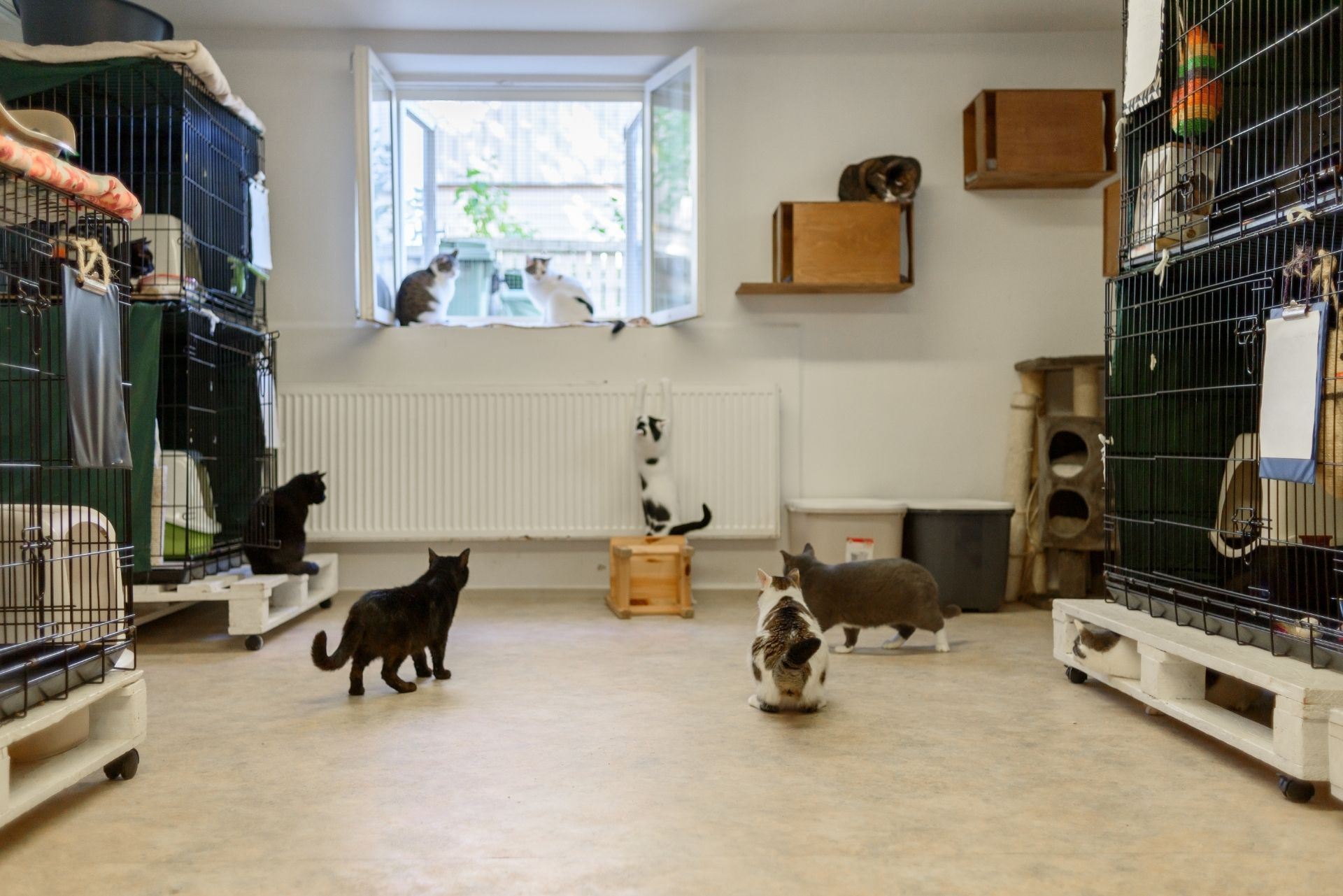
The expansion of pet insurance coverage has a ripple effect on adjacent sectors, including veterinary services and pet grooming. A recent survey conducted by Pawlicy Advisor and the American Animal Hospital Association notes that insurance positively affects patient outcomes and enhances client satisfaction (pet insurance impact study). For pet boarding facilities, this overlap is significant as many pet owners also seek out comprehensive healthcare services for their animals simultaneously.
Veterinary practices have observed that insured pets receive more consistent care. With insurance mitigating the financial risk for pet owners, delays in treatments due to cost concerns tend to occur less frequently. This improved approach not only benefits the health of the animals but also creates opportunities for collaborative networks, where pet boarding facilities work alongside local veterinarians to ensure a continuum of care.
The interconnectedness of these sectors stresses the importance of integrated insurance solutions. Pet boarding facilities should consider how their coverages interrelate with other services in the pet care ecosystem. Tailoring policies to cover potential overlaps can help streamline claims and foster a holistic approach to animal care.
Economic Implications for the Pet Boarding and Grooming Industry
Florida’s pet grooming and boarding market is enormous, with an industry size projected to reach $909.2 million by 2025. With over 13,000 establishments and more than 16,000 employees operating in the sector (IBISWorld industry report), the economic stakes are particularly high for facility operators. This economic scale makes adequate insurance coverage a critical component of business stability.
The surge in market activity has led to diversified service offerings, expansion of facilities, and a heightened focus on customer service. However, with growth comes increased competition and the potential for higher risks. Accidents, property damage, or unexpected liability claims can rapidly escalate into major financial burdens-a scenario that proper insurance can help mitigate.
Economic interdependencies also extend to client behavior. As pet owners report a surge in pet insurance adoption-rising from 3.1 million to 5.3 million insured pets between 2020 and 2022 (WPBF pet insurance statistics)-there is a growing expectation among consumers that associated services, including pet boarding facilities, should also uphold high standards in risk management and liability protection.
Insurance Solutions Tailored for Pet Boarding Facilities
Effective insurance coverage is not a one-size-fits-all solution. Pet boarding facilities require policies specifically designed to address the wide array of incidents that may occur. Common coverages include general liability, property protection, and specialized endorsements that cater to unique operational needs. For instance, policies may provide protection against damage caused by animal injuries, ensuring that recovery costs are minimized.
Operators should look for insurance providers with industry-specific expertise. Navigating the intricacies of pet insurance can be especially challenging given the frequent changes in rate structures and legislative stipulations. A provider that understands the nuances of pet care risk management is well-positioned to guide facility managers through both everyday and extraordinary challenges.
It is beneficial to engage in periodic reviews of current policies as the risk landscape evolves. Adjustments in coverage may be necessary to account for changes in the business, such as facility expansion or introduction of new services. Clear and detailed policy documentation, aligned with legislative guidelines like those proposed in Senate Bill 158, ensures that providers and policyholders remain on the same page.
Strategies for Effective Risk Management
Developing a comprehensive risk management plan goes hand in hand with obtaining the right insurance policy. Pet boarding facilities can benefit from adopting proactive strategies that include staff training, regular safety inspections, and maintenance routines for equipment and facility infrastructure. These measures not only help in preventing claims but also reduce the likelihood of severe payouts when incidents occur.
Many facility operators collaborate with insurance advisors to perform risk assessments tailored to the specific challenges faced in pet boarding operations. These evaluations take into account various factors-from facility layout and emergency protocols to the number of animals hosted concurrently. The goal is to anticipate potential hazards and implement measures to mitigate them.
The financial benefits of proactivity are compelling. A single claim can incur costs that resonate through the entire operation, affecting profitability and long-term business viability. With a keen eye on risk management, pet boarding facilities stand a better chance at maintaining stability even in the face of unforeseen events.
Consumer Insights and the Role of Transparency
Transparency remains a key theme in the evolving regulatory landscape, reflecting a broader need for clarity among consumers and businesses alike. Detailed policy disclosures empower pet boarding facility owners to make informed decisions that align closely with their operational realities. Senate Bill 158 is a prime example of regulatory efforts geared toward reducing ambiguity in the pet insurance market (Senate Bill 158 overview).
Consumers are increasingly discerning about the minutiae of their pet care coverages. They require assurance that the policies they purchase-and by extension, the facilities they entrust with their pets-are both comprehensive and transparent in dealing with potential claims. Detailed disclosures help build trust, underscoring that both the insurer and the service provider are committed to a high standard of care.
For facility operators, embracing transparency can lead to better customer relationships and enhanced credibility. Rather than facing surprise exclusions or ambiguous policy statements during a claim, clear documentation and open communication create conditions that minimize disputes. This approach not only improves client satisfaction but also fortifies the reputation of the pet boarding facility in a competitive market.
A Data-Driven Look at Insurance Trends
Recent industry reports provide valuable insights into the pet insurance market across various states. Florida’s market dynamics have evolved considerably, considering that in 2018, the state accounted for 6.3% of the gross written premium in the overall pet insurance market (Florida Senate report data). Although states like California and New York lead the market, Florida’s growing insured pet population indicates rising interest and reliance on these policies.
The correlation between increased pet insurance adoption and improved overall care is notable. Veterinary professionals have reported that insured pets tend to receive more prompt and effective treatments. This trend is significant for pet boarding facilities, as they often operate in tandem with local veterinary clinics. Maintaining updated insurance coverage can promote a seamless integration between care services, enhancing both safety and satisfaction among pet owners.
Data also shows that the pet insurance industry is becoming more competitive. With the introduction of varied products and innovative coverage options, pet boarding facilities have more opportunities to secure tailored policies that meet their distinctive needs. Evaluating these trends carefully can help facility managers stay ahead of potential challenges, ensuring that their risk management strategies evolve in step with industry developments.
Comparing Basic and Extended Insurance Coverage Options
Pet boarding facilities must choose between basic and extended insurance policies-a decision that significantly influences the protection level during an incident. Basic coverage typically includes general liability protection, property damage, and a narrow definition of accidental claims. Extended policies often encompass a broader risk spectrum such as animal injuries, legal defense, and even operational downtime losses.
The decision to select a particular coverage type should be based on a facility’s operational specifics. A side-by-side comparison of the two options can clarify which policy may best suit a particular establishment’s needs. The following table provides an accessible comparison of typical coverage elements:
| Coverage Component | Basic Coverage | Extended Coverage |
|---|---|---|
| General Liability | Included | Included with higher limits |
| Property Damage | Limited Protection | Broad Protection including equipment and facilities |
| Animal Injury/Care | Not Typically Included | Often included as an endorsement |
| Legal Defense | Basic Limits | Enhanced legal coverage with higher compensation limits |
| Business Interruption | Usually Excluded | Optional add-on covers loss of door revenue |
This streamlined comparison serves as a starting point for facility operators when discussing policy options with insurers. The table is not exhaustive but provides insight into potential gaps in basic policies that extended options can address.
With a data-driven approach in mind, pet boarding facility owners can weigh the pros and cons inherent in each option. Tailoring the selection to the specific risks and operational demands of the facility is the key to effective risk management and financial protection.
Insurance is not an isolated expense for pet boarding facilities-it forms an integral component of the overall business strategy. Decisions made regarding coverage directly influence long-term business stability and growth. Investors and partners often review risk management practices as part of their due diligence, assessing whether a facility can weather unexpected events without jeopardizing continued operations.
Embedding insurance considerations into daily business practices involves regular policy reviews, staff briefings on risk management procedures, and an ongoing dialogue with legal advisors to ensure regulatory compliance. This integrated approach maximizes the benefits of insurance while minimizing disruptions in service delivery and customer satisfaction.
For many operators, insurance represents peace of mind, allowing them to focus on service quality and customer experience. A robust insurance portfolio may also serve as a competitive advantage, reassuring potential customers that the facility is well-prepared for any eventuality. As the market evolves, those who appropriately balance coverage and operational strategies will be best positioned to succeed.
Frequently Asked Questions
Q: Do pet boarding facilities in Florida require insurance?
Florida law does not mandate insurance for all pet boarding facilities, but operating without it can expose owners to significant financial risk.
Q: What types of coverage should a pet boarding facility consider?
Typical policies include general liability, property protection, specialized endorsements for animal injury, legal defense, and sometimes business interruption coverage.
Q: How do recent legislative changes affect pet boarding insurance?
Legislative initiatives like Senate Bill 158 enhance transparency by requiring detailed policy disclosures from insurers, which helps facility owners make informed decisions.
Q: What impact has pet insurance had on the broader pet care industry?
Recent studies indicate that insured pets prompt more timely veterinary care and have led to positive outcomes across veterinary practices, thereby strengthening the pet care ecosystem.
Q: How often should a pet boarding facility review its insurance policy?
Given the evolving risk landscape and operational changes, it is advisable to review insurance coverage annually or whenever significant business changes occur.
Q: Can extended insurance policies provide protection against business interruption?
Yes, some extended policies offer provisions for business interruption, covering losses incurred due to disruptions in operations.
Final Thoughts on Insurance and Operational Security
Ensuring that Florida pet boarding facilities maintain robust insurance coverage is essential for mitigating risks associated with their unique operations. The interplay between industry growth, evolving consumer expectations, and regulatory developments drives the need for periodic reassessment of insurance policies. Facility operators who actively manage these risks tend to foster higher trust among customers and enjoy greater operational ease.
Real-life incidents, such as the case where a dog boarder faced over $23,500 in expenses due to an unforeseen event, serve as powerful reminders of the financial perils associated with inadequate coverage. As the pet care market continues to expand, facility owners increasingly find that embracing a holistic approach to insurance and risk management is not merely a cost-it's a strategic investment in business longevity.
Transparent disclosure practices, informed decision making, and engagement with experienced insurance advisors all play critical roles in maintaining an effective coverage strategy. With a solid insurance foundation, pet boarding facilities can confidently face challenges while remaining focused on providing high-quality care that pet owners value.
Embracing a Secure Future in Pet Boarding
The landscape for pet boarding facilities in Florida is poised for significant changes over the coming years. Market trends, regulatory updates, and economic shifts collectively contribute to a more competitive and nuanced environment where risk management is more important than ever. Florida’s pet boarding operators are already seeing the benefits of adapting to these changes, securing their operations with well-structured insurance policies that cover a spectrum of potential incidents.
Industry statistics indicate a rising trend in the number of insured pets within the state, reflecting increasing consumer attention to comprehensive pet care and health. As facilities continue to adapt to these evolving expectations, insurance providers are also modifying their offerings, such as the recent rate hikes approved by regulators which include a substantial increase of 26% by certain carriers (rate increase details).
Adopting enhanced insurance practices not only mitigates the risk of costly claims but also reinforces the business's credibility in a competitive market segment. Pet boarding facilities that build their operations on a foundation of proactive risk management are better equipped to navigate industry challenges while fostering strong customer loyalty.
The evolving landscape calls for regular reassessment of policies, embracing emerging trends, and maintaining an open line of communication with both insurance providers and regulatory authorities. As the industry continues to mature, the integration of thorough insurance coverage into every facet of a pet boarding facility's operational strategy will be a decisive factor in achieving long-term success.
Preparing for Tomorrow: Best Practices for Facility Operators
Pet boarding facility operators looking ahead must be prepared to adapt to a rapidly changing market. Best practices include continuous staff training on safety protocols, investment in property maintenance, and regular consultations with insurance experts. Adhering to these strategies not only helps in risk prevention but also creates a resilient framework that supports business growth during periods of industry flux.
Engagement with professional associations and participation in industry-specific events can further help facility owners stay updated on new regulatory developments and market trends. Networking with peers offers insights into effective risk management techniques and emerging best practices. By leveraging this collective knowledge, businesses are in a stronger position to negotiate better insurance terms and ensure comprehensive coverage.
Regular audits of current policies and procedures ensure no gaps remain in coverage. Operators can work with legal advisors to interpret policy language, ensuring accuracy and clarity in claims processing. This proactive approach fosters a culture of safety and preparedness, significantly reducing the operational disruptions that arise from unexpected events.
Looking Ahead: The Future of Pet Boarding Facility Insurance in Florida
As Florida's pet care industry continues to flourish, the demand for comprehensive insurance coverage is set to grow. With consumer behaviors shifting and legislative developments promoting greater transparency, the market is moving towards policies that are more nuanced and customer-centric. This evolution is expected to drive improvements in the types of coverages available and create pathways for more competitive rates over time.
Future trends suggest that technological integration and data analytics will further refine how risk is assessed and managed in the pet boarding sector. Sophisticated systems capable of predicting potential risks and automating claims processing may become a norm, reducing administrative burdens and accelerating response times during crisis events.
Investing in forward-thinking insurance solutions today can shield facilities from both immediate and future disruptions. Facility owners must remain adaptable, continuously revising their coverage in line with new technological and regulatory influences, ensuring that their businesses not only meet current benchmarks but are also primed for the challenges of tomorrow.
Wrapping Things Up
For Florida pet boarding facilities, insurance is more than a mere expense-it is a safeguard of business continuity and financial security. The latest market statistics, legislative updates, and consumer behavior trends all coalesce to highlight an undeniable truth: proactive risk management is essential in a dynamic industry environment.
From comprehensive policy reviews to embracing regulatory transparency, pet boarding facilities must continuously adapt to emerging risks and market changes. By incorporating robust insurance solutions into their operational strategies, facility owners lay a strong foundation for long-term success and stability.
As the pet insurance landscape in Florida continues to evolve with more detailed disclosures and competitive rate adjustments, successful facility operators will be those who remain informed and proactive. Balancing operational needs with a solid insurance strategy is the key to thriving amidst uncertainty, ensuring that both pets and their guardians can always count on reliable, high-quality care.
ABOUT THE AUTHOR: PAUL RAMENTOL
I am the Owner and President of Mesa Insurance Agency. I help individuals and business owners across Florida secure personal and business insurance coverage that supports their needs. My focus is on clear guidance, direct communication, and long-term support without call-center delays or confusion.
Contact Us

Personal Coverage Options
Insurance Built for Everyday Protection
Mesa Insurance Agency provides personal insurance coverage designed to support daily life. Our team reviews risks and coverage needs to help clients secure dependable protection at fair rates.
Dental & Vision Insurance
Coverage that helps manage routine dental and vision care costs.

Business Coverage Options
Insurance Built for Business Protection
Mesa Insurance Agency provides business insurance coverage that helps protect operations, employees, and property. We work with multiple carriers to offer coverage options that support daily business activities and long-term stability.
Commercial Auto Insurance
Coverage for business-owned vehicles, drivers, and accident-related liability exposure.
General Liability Insurance
Protection against third-party injury, property damage, and common business liability risks.
Professional Liability Insurance
Coverage for claims related to professional services, advice, or service errors.
Workers’ Compensation Insurance
Coverage that helps support employees with work-related injuries and medical costs.
Commercial Property Insurance
Protection for buildings, equipment, inventory, and physical business assets.
Errors & Omissions Insurance
Coverage for financial losses caused by mistakes, omissions, or service-related claims.
Industries We Serve
Serving Businesses Across Multiple Sectors
Mesa Insurance Agency works with business owners across Florida to provide insurance coverage that supports daily operations. We understand common risks faced by different industries and help clients secure reliable protection.

Construction and Trades Insurance
Coverage for job sites, vehicles, tools, and workplace risks.

Hospitality Businesses Insurance
Insurance for restaurants, bars, and service-based operations.

Retail and
Commercial Properties
Protection for storefronts, inventory, and customer-related liability.
Our Approach
Insurance Made Easy to Understand
Mesa Insurance Agency provides business insurance coverage that helps protect operations, employees, and property. We work with multiple carriers to offer coverage options that support daily business activities and long-term stability.
Insurance FAQs
Helpful Answers for Florida Clients
Support you can rely on.

What makes Mesa Insurance Agency different?
We are an independent agency with access to multiple carriers. This allows us to offer flexible coverage options.
Clients work directly with licensed agents. Service continues beyond the policy start date.
Do you offer coverage for individuals and families?
Yes. We provide personal insurance for individuals and families across Florida.
Coverage includes auto, home, health, life, and flood insurance. Our team explains each option clearly.
Do you work with small and mid-sized businesses?
Yes. We work with businesses of many sizes and industries.
Our team helps identify risks and secure appropriate coverage. Ongoing service is included.
Can I make changes to my policy later?
Yes. Policies can be updated as needs change.
We assist with coverage adjustments, additions, and removals. Clients can contact us directly for help.
Is flood insurance required in Florida?
Flood insurance is not always required, but it is strongly recommended in many areas.
Standard home insurance does not cover flood damage. Our team can review your flood risk and options.
How do I contact your office?
You can contact us by phone, email, or through our website.
Our team responds promptly during business hours. Support is always available when needed.
From the Blog
Insurance Topics That Matter
Clear answers for common questions.







Client Reviews
Trusted by Clients Across Florida
Mesa Insurance Agency is proud to serve individuals and businesses throughout Florida. Clients choose us for clear communication, responsive service, and reliable insurance support. Their feedback reflects our focus on long-term relationships and consistent service.
Contact Us