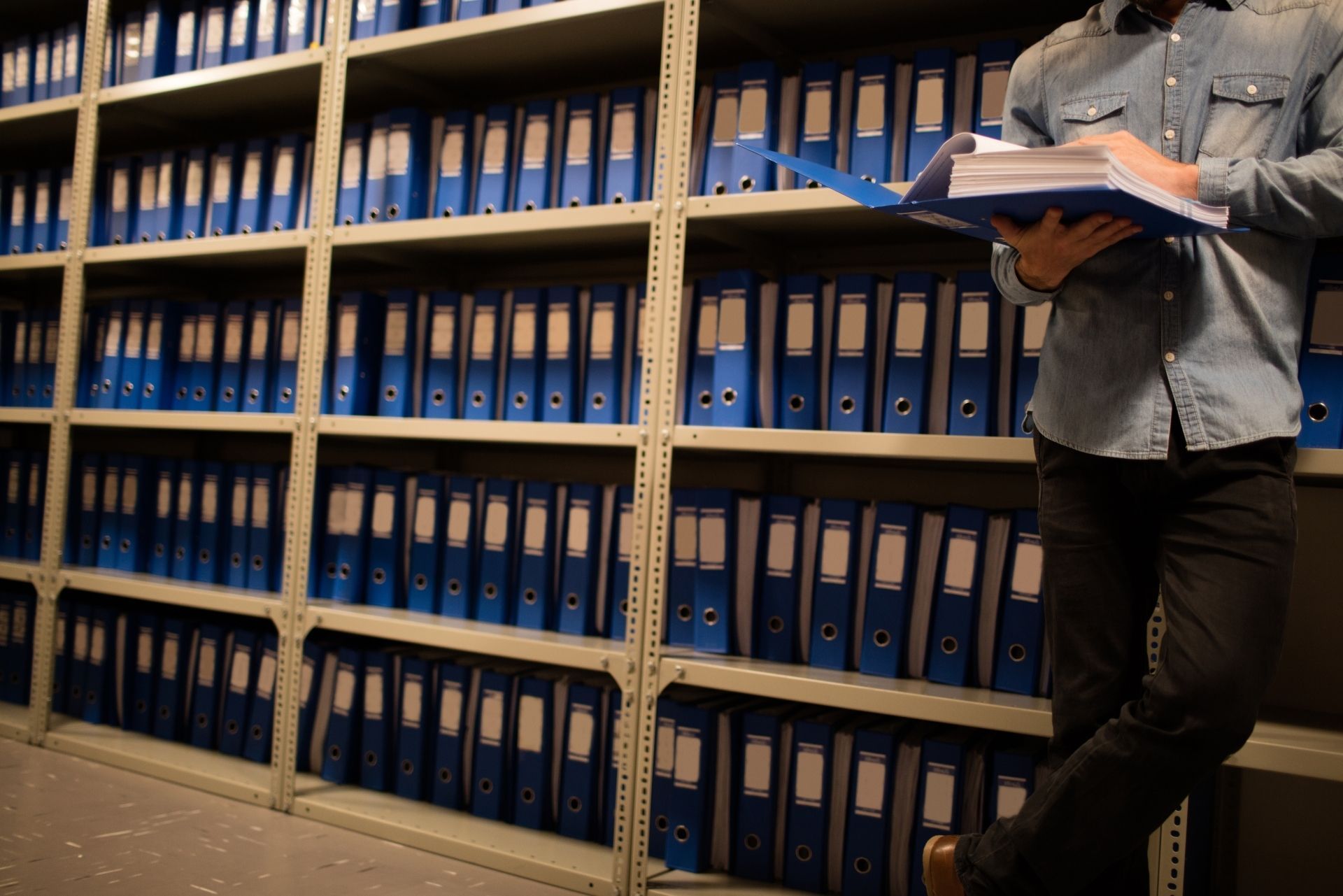
A records storage facility in Florida faces unique challenges. The interplay between climate risks, market shifts, and legislative reforms makes obtaining the right insurance coverage imperative for safeguarding vital documents. A deeper look reveals that changes in the state’s insurance landscape have far-reaching effects on all facets of the market, from private insurers to state-backed programs. For instance, a notable statistic from PR Newswire indicates a dramatic decrease in active home insurance policies over the past decade.
With the rapid evolution of climate-related risks and legislative actions in Florida, risks that were once considered unlikely now demand detailed assessment. Document storage businesses, in particular, require specialized insurance solutions that understand not only property risks but also the crucial need to protect sensitive records. The specialty nature of this coverage means that insurance policies are no longer one-size-fits-all but must be tailored to mitigate evolving threats and business-specific vulnerabilities.
As the industry continues to adjust, businesses must stay informed about both current trends and the legal changes influencing insurance policy structuring in the Sunshine State.
Assessing the Evolving Insurance Landscape in Florida
The Florida insurance market has been undergoing significant changes over the last decade. A striking example of this evolution is seen in the sharp reduction in the number of active home insurance policies. According to a recent report, the number has dropped by 78% over a ten-year period (PR Newswire). While this statistic specifically refers to homeowners, document storage facilities are not immune to these market dynamics.
Records storage businesses typically operate under unique risk profiles. Unlike a generic property or home insurance policy, specialized insurance for document storage must cover the risks of water damage, fire, and even cyber threats-all while ensuring that important records are preserved without interruption. The evolving insurance market in Florida, impacted heavily by environmental threats, translates into a need for more robust and diversified coverage strategies.
Insurers must navigate a balance between risk and financial sustainability when underwriting policies. The challenges posed by Florida’s frequent hurricanes and other climate risks are compounded by a shifting legal environment where changes in legislative frameworks have resulted in a reduction of legal abuse that once drove premium hikes.

Legislative Changes and Market Forces in Florida
Recent legislative reforms have brought a significant shift in the Florida insurance market. Experts have noted that these reforms have positively influenced the state's overall risk profile. The Washington Post recently highlighted the perspective that Florida residents are in a better place now due to changes curbing legal system abuse. For document storage business owners, this could imply more stable general environmental conditions affecting insurance premiums.
One of the most tangible outcomes of these legislative changes is the impact on insurers' profitability. By preventing abuse in legal claims, insurance companies have been able to write business at a more profitable rate. Yet, this stability does not eliminate all risks. Specialized businesses such as records storage facilities still need to be aware of the unique challenges posed by both natural disasters and market shifts, including the withdrawal of some insurers from the state market.
Economic forces also contribute to the insurance landscape. With some insurers less capitalized and diversified entering the market, there is a growing concern over the financial stability of these new entrants. The risk for document storage businesses is significant, as a less diversified insurer may struggle to pay out claims in the event of a major disaster, leaving critical records vulnerable.
Insurance Provider Stability and Its Impact on Coverage
Stability among insurers is a key factor when choosing a policy for records storage facilities. Studies have shown that newer insurance providers in Florida often lack the necessary capital and diversification. A joint study by Harvard University, Columbia University, and the Federal Reserve Board pointed out that many new entrants are less diversified and possess less capital (Gulf Coast News Now). This trend raises questions about their long-term viability and reliability in handling claims.
For businesses storing essential documents, such vulnerabilities in an insurer's financial stability could lead to far-reaching implications. Imagine a scenario where a well-funded insurer is able to promptly pay out claims following a natural disaster, thus ensuring minimal disruption to operations. Conversely, businesses insuring with less stable providers might face delayed or even denied claims. The direct impact is a potential risk to business continuity, particularly for companies whose operations depend on unbroken access to records and data.
Document storage facilities need to closely examine their insurer's financial health as part of their risk management strategy. A steady relationship with a financially sound insurer reduces the potential of a significant payout delay, which is critical during crisis management scenarios. Facility managers should routinely request and review financial performance data, ensuring that the coverage keeps pace with potential market instability.
The Impact of Market Shifts on Florida Homeowners and Businesses
Recent data points paint a challenging picture for the broader Florida insurance market. There has been a significant decline in the number of policies held by homeowners, with personal residential policies under the state-backed Florida Citizens Property Insurance Corporation dropping sharply from nearly 1.25 million to just over 769,845 in less than a year (U.S. Department of the Treasury). While document storage businesses might not be directly equated with residential policies, trends in the homeowner market often serve as an early indicator of broader systemic pressures.
The ripple effects of these changes extend to a wide array of businesses. A survey conducted in December 2025 revealed that 65% of Florida homeowners consider insurance market conditions a critical factor in their long-term plans to reside in the state. This sentiment underscores persistent concerns regarding the market’s stability. Document storage providers, who rely on both property and liability coverage, benefit from an environment where insurers are stable and claims processes are straightforward.
On the flip side, the complexity of the claims process remains a stumbling block. In 2024, 47% of damage claims in Florida were closed without any payouts (The Washington Post), which reflects inefficiencies that can impact not only home insurance but also specialized policies like those for document storage. These statistics highlight the importance of choosing a provider that offers transparent and efficient claims handling protocols.
Advantages of Specialized Document Storage Insurance
A one-size-fits-all insurance policy simply does not suit the unique needs of document storage facilities in Florida. Specialized document storage insurance includes specific coverage for risks that are particularly critical for record keeping. These policies consider the importance of protecting high-value assets such as digital and physical records from water damage, fire, and even vandalism. The intricacies involved in safeguarding sensitive data mean that a nuanced insurance policy can truly make a difference in a crisis.
These specialized policies often incorporate features like business interruption coverage, which is designed to cover the loss of income that could occur if a document storage facility is forced to cease operations following a disaster. In addition, many policies now address cyber risks, essential for businesses that rely on digital storage and advanced IT systems. Tailoring a policy to cover the complete array of risks-ranging from climatic phenomena to internal mishaps-ensures that a records storage business remains resilient against unexpected disruptions.
The competitive nature of the insurance market has spurred innovation across providers. Some insurers are now offering customizable plans that allow document storage operators to select coverage features most relevant to their unique risk profiles. This customization is particularly beneficial in Florida, where regional risks vary significantly from inland to coastal areas.
Key Considerations for Records Storage Insurance Coverage
Before committing to a policy, business owners must carefully assess their specific needs. Insurance considerations for document storage facilities should include both general property coverage and industry-specific protections. For example, risks common among homeowners, such as structural issues, are less of a concern than the potential for data loss and document degradation.
It is essential to consider a few critical aspects. First, the geographic location of the facility significantly influences risk levels. Storage facilities in coastal areas need higher protection against hurricanes and flooding, whereas facilities inland may face different challenges. Understanding these regional risk differences helps in tailoring a policy that covers all potential hazards.
Another aspect to consider is the insurer's claims process. With nearly half of damage claims closed without any payment in recent years (The Washington Post), ensuring that claims handling is efficient and transparent is essential. Business owners should inquire about claim turnaround times, historical claim satisfaction rates, and whether policies include automatic extensions or additional emergency support.
Customization of Coverage
Customized policies can be particularly beneficial for storage facilities. Insurers that allow policyholders to fine-tune their coverage ensure that specific needs, such as protection against environmental and technical risks, are adequately addressed. This can include adding endorsements that cover the loss of critical records or damage due to environmental hazards.
For instance, a tailored policy might offer expanded coverage for instances where water damage from a sudden flood compromises physical records. Cyber coverage, too, has grown in importance, especially as many records storage operators are transitioning to hybrid digital systems. The ability to adjust coverage limits and select specific endorsements guarantees that every facet of a storage facility’s risk is covered, providing a robust safety net.
It is crucial to have a clear understanding of what each endorsement covers. A well-structured policy not only protects against material loss but also helps maintain business continuity. Detailed discussions with insurance representatives can reveal policy specifics that might otherwise be overlooked, ensuring complete alignment between coverage and actual business risks.
Cost Considerations and Competitive Premiums
The premium cost for specialized document storage insurance is influenced by multiple factors, including location, facility size, coverage limits, and risk exposure. Florida’s market is notably expensive in certain sectors; homeowners, for instance, pay an average premium that is significantly higher than the national average, approximately $3,000 more per year (WFLX).
While the higher premiums reflect the elevated risk environment, the benefits of specialized coverage for critical business records can outweigh the additional costs. A balanced approach-where costs are managed while ensuring comprehensive protection-is vital. It can be worthwhile to compare various offers and negotiate terms with multiple insurers, seeking those who demonstrate an excellent track record in claims handling and financial stability.
Competitive pricing does not necessarily mean sacrificing quality. Insurance providers in Florida have had to adapt to a landscape marked by significant loss ratios and market volatility. As such, many are now offering policies with a focus on long-term reliability and improved customer service, knowing that staying competitive means maintaining rigorous standards of claim support and risk management.
Strategies to Minimize Risk and Optimize Coverage
Document storage facilities in Florida can implement several strategies to minimize risk while optimizing their insurance coverage. First and foremost, investing in robust physical and digital security measures reduces the likelihood of damage. This includes using state-of-the-art fire suppression systems, flood barriers, and advanced cybersecurity protocols.
Regular maintenance and rigorous internal audits of environmental controls can also mitigate risks. Ensuring that the facility is compliant with the latest industry standards helps in reducing the frequency and severity of damage incidents, making it easier to secure favorable insurance terms. Many insurers value proactive risk management, which in turn can lead to lower premiums and enhanced policy terms.
Additionally, establishing a comprehensive disaster preparedness plan is critical. Preparation involves creating and updating emergency response plans, regularly testing these plans through drills, and having contingency measures in place to prevent large-scale data loss or physical damage. Insurance providers often regard these efforts as indicators of lower overall risk, which can be advantageous during policy renewals.
Emphasizing Technology and Automation
Technology plays a vital role in optimizing both risk management and the claims process. Automated monitoring of environmental conditions, combined with early-warning systems, can alert storage facilities about potential threats before they escalate. These proactive measures not only help in minimizing damage but can also serve as a strong negotiating point when discussing premium rates with insurers.
Technology integration extends to the digital storage environment as well. Many document storage businesses are adopting hybrid models that merge physical documents with digital backups. Cyber insurance, as part of a comprehensive package, ensures that both aspects are covered, securing valuable data against hackers, ransomware, or accidental deletions.
Automation in claims processing is another area where technology makes a significant impact. Insurers that deploy automated claim assessments can offer faster resolutions during crises. Using advanced digital tools to capture and analyze damage claims reduces human error and expedites payout processes, a crucial factor for businesses that rely on rapid recovery after an incident.
Collaboration with Industry Experts
Engaging with industry experts is essential for navigating the complexities of document storage insurance in Florida. Expert consultants bring invaluable insights into the latest market dynamics and regulatory changes. They can guide businesses in understanding the subtleties involved in coverage customization and claims management.
Regular consultations with legal and insurance professionals help in keeping up-to-date with evolving regulations, which may affect either policy premiums or coverage sustainability. Industry experts can also shed light on emerging risks, ensuring that storage facilities are well-prepared for future challenges.
This collaboration can be the difference between a policy that merely meets requirements and one that truly safeguards a business’s operational continuity. Continuous dialogue with experts means that changes in the market or legislative impacts are quickly integrated into the business’s risk management strategy, ensuring long-term resilience.
Financial and Operational Implications for Document Storage Businesses
The financial implications of inadequate insurance coverage can be severe. Document storage facilities not only manage physical assets but also handle critical data upon which many businesses rely. A single significant loss event, if not properly covered by insurance, can derail operations, affect client trust, and lead to prolonged downtime that impacts revenue streams.
Operational continuity hinges on the seamless merging of risk management and business planning. For many facilities, an interruption in service due to an uncontrolled claim can have cascading effects. Business continuity plans should therefore prioritize rapid recovery strategies, supported by robust and responsive insurance coverage. This is particularly essential in Florida, where the likelihood of repeated claims is a reality, and approximately 47% of claims in related fields have been closed without any payment (The Washington Post).
Insurance coverage tailored for document storage not only covers immediate losses but also indirectly supports ongoing operational health. A healthy insurance policy enables companies to invest in advanced security protocols, regular facility upgrades, and employee training programs. These investments further reduce risk and help maintain high standards of service amid a challenging insurance landscape.
Economic Impacts and the Role of Public Insurance Options
State-backed entities, such as the Florida Citizens Property Insurance Corporation, play an important role in this domain. Recent reports indicate that public policy offerings have experienced a decline in personal policies, signifying a gradual shift toward private insurers (U.S. Department of the Treasury). This shift bears relevance for document storage facilities as well. While public insurance might be cost-effective in certain areas, reliance on private insurers often means enhanced customized coverage and more robust claims processing.
However, the transition raises important questions about taxpayer risk. Industry experts like Amy Bach have commented that a shift away from private coverage could translate into increased risk for taxpayers. This is particularly significant for businesses and communities that rely on state-backed programs as a safety net during systemic failures. A reliance on public insurance often means lower premiums in the short term but may incur hidden costs in terms of slower response times and less comprehensive coverage.
For document storage businesses, it is essential to weigh the benefits of private versus public insurance options carefully. An informed decision usually involves examining the overall financial health of the insurer, the timeliness of claims processing, and whether the policy meets the unique regulatory requirements imposed by Florida’s legal framework.
Implementing Best Practices for Documentation and Compliance
Detailed documentation and robust compliance measures are vital in today’s insurance environment. Businesses must maintain clear records to support any claims swiftly. For document storage facilities specifically, having a thorough log of inspections, maintenance records, and security audits greatly assists in substantiating claims in the aftermath of an event.
Insurance providers often require detailed documentation to validate claims. This means that regular training sessions for staff and periodic audits of insurance-related policies should be part of ongoing risk management. A well-documented protocol can significantly ease the claim process, ensuring that any damages are promptly and accurately assessed.
Compliance isn’t just about adhering to insurance requirements; it’s also about meeting state and federal regulations regarding document retention and data protection. Maintaining strict compliance protocols helps in building trust with both insurers and clients, while also minimizing the chance of penalties or legal issues from regulatory bodies.
Risk Management and Regular Reviews
Implementing periodic reviews of insurance policies is another best practice that can greatly benefit document storage facilities. These reviews should analyze not only the cost but also the scope of coverage, ensuring that potential risks are continuously addressed as the market evolves. Fluctuations in premiums, changes in legislative frameworks, and shifts in market dynamics should all prompt reassessment of current policies.
Documentation practices must be integrated with risk management strategies. Storing digital copies of essential documents and maintaining backups in multiple formats adds a layer of security. This dual approach helps in reducing the impact of unforeseen events, ensuring that a clear chain of evidence supports every claim.
Regular reviews, when paired with expert consultations, can lead to comprehensive refinements in risk management strategies. It also facilitates negotiations with insurers for better premium rates or more inclusive coverages, aligning the insurance policy with the facility’s evolving operational profile.
Frequently Asked Questions
This section addresses common concerns that document storage business owners may have regarding specialized insurance policies, ensuring clarity and simplicity in understanding the coverage’s scope and benefits.
Q: What makes document storage insurance different from standard property insurance?
A: Document storage insurance is tailored to protect both physical and digital records, covering risks like water damage, fire, cyber threats, and business interruption, ensuring that critical records remain accessible during and after an incident.
Q: Why is customized coverage important for records storage facilities?
A: Customized coverage ensures that the unique risks faced by document storage facilities are adequately addressed. This includes protection against specific hazards that generic policies may not cover, leading to better business continuity and minimal operational disruptions.
Q: How do legislative changes in Florida affect insurance premiums for document storage businesses?
A: Legislative changes that reduce legal system abuse have allowed insurers to offer more profitable rates, potentially stabilizing premiums. However, the overall effect also depends on factors like market shifts and insurer financial stability.
Q: What role does risk management play in reducing insurance costs?
A: Effective risk management-including proactive technological integrations, regular facility upgrades, and comprehensive disaster planning-can reduce claims and help negotiate lower premiums by demonstrating lower overall risk to insurers.
Q: How can I ensure that my insurer is financially stable and capable of handling claims?
A: Look for insurers with a strong track record, review their financial performance, and consider independent studies on provider stability. Recent research highlights concerns regarding less diversified insurers entering the market, making due diligence essential.
Q: Are there benefits to choosing private insurers over state-backed options for document storage coverage?
A: Private insurers often offer more customizable and robust policies that are specifically tailored to the needs of specialized businesses, whereas state-backed options might provide lower premiums at the cost of less personalized coverage.
Before You Go: Key Takeaways for Florida Document Storage Insurance
Document storage businesses in Florida face a unique set of challenges due to environmental risks, legislative changes, and the shifting dynamics of the insurance industry. The necessity for specialized coverage cannot be overstated, as general property policies may leave critical gaps in protection. Ensuring comprehensive coverage that addresses both physical and digital risks is essential to maintaining operational continuity and protecting vital records.
It is important to diligently assess the financial stability of insurers before committing to a policy, as emerging providers may lack the diversification and capital needed to effectively manage claims. Business owners should not overlook the influence of regional risks, and should incorporate periodic reviews, technological enhancements, and robust documentation practices in their risk management strategy. The measurable factors - such as the drastic drop in policies reported by PR Newswire and efficiency metrics from The Washington Post - emphasize the importance of these proactive measures.
Collaborating with industry experts, reviewing policy specifics, and preparing for emergency scenarios are critical steps in safeguarding the future of any document storage facility in Florida. The need to navigate market volatility with a strategy that includes both financial and operational perspectives is a priority. In this climate, ensuring that every risk is properly insured means not only protecting documents but also securing the company’s legacy and its ability to serve clients reliably.
Businesses that stay informed and proactive in their approach to insurance can better manage the uncertainties of today's market. Florida document storage insurance is about more than compliance; it is a linchpin in preserving trust, continuity, and long-term viability. As the industry continues to evolve, thorough understanding and strategic planning remain the cornerstones of effective risk management in record storage operations.
ABOUT THE AUTHOR: PAUL RAMENTOL
I am the Owner and President of Mesa Insurance Agency. I help individuals and business owners across Florida secure personal and business insurance coverage that supports their needs. My focus is on clear guidance, direct communication, and long-term support without call-center delays or confusion.
Contact Us

Personal Coverage Options
Insurance Built for Everyday Protection
Mesa Insurance Agency provides personal insurance coverage designed to support daily life. Our team reviews risks and coverage needs to help clients secure dependable protection at fair rates.
Dental & Vision Insurance
Coverage that helps manage routine dental and vision care costs.

Business Coverage Options
Insurance Built for Business Protection
Mesa Insurance Agency provides business insurance coverage that helps protect operations, employees, and property. We work with multiple carriers to offer coverage options that support daily business activities and long-term stability.
Commercial Auto Insurance
Coverage for business-owned vehicles, drivers, and accident-related liability exposure.
General Liability Insurance
Protection against third-party injury, property damage, and common business liability risks.
Professional Liability Insurance
Coverage for claims related to professional services, advice, or service errors.
Workers’ Compensation Insurance
Coverage that helps support employees with work-related injuries and medical costs.
Commercial Property Insurance
Protection for buildings, equipment, inventory, and physical business assets.
Errors & Omissions Insurance
Coverage for financial losses caused by mistakes, omissions, or service-related claims.
Industries We Serve
Serving Businesses Across Multiple Sectors
Mesa Insurance Agency works with business owners across Florida to provide insurance coverage that supports daily operations. We understand common risks faced by different industries and help clients secure reliable protection.

Construction and Trades Insurance
Coverage for job sites, vehicles, tools, and workplace risks.

Hospitality Businesses Insurance
Insurance for restaurants, bars, and service-based operations.

Retail and
Commercial Properties
Protection for storefronts, inventory, and customer-related liability.
Our Approach
Insurance Made Easy to Understand
Mesa Insurance Agency provides business insurance coverage that helps protect operations, employees, and property. We work with multiple carriers to offer coverage options that support daily business activities and long-term stability.
Insurance FAQs
Helpful Answers for Florida Clients
Support you can rely on.

What makes Mesa Insurance Agency different?
We are an independent agency with access to multiple carriers. This allows us to offer flexible coverage options.
Clients work directly with licensed agents. Service continues beyond the policy start date.
Do you offer coverage for individuals and families?
Yes. We provide personal insurance for individuals and families across Florida.
Coverage includes auto, home, health, life, and flood insurance. Our team explains each option clearly.
Do you work with small and mid-sized businesses?
Yes. We work with businesses of many sizes and industries.
Our team helps identify risks and secure appropriate coverage. Ongoing service is included.
Can I make changes to my policy later?
Yes. Policies can be updated as needs change.
We assist with coverage adjustments, additions, and removals. Clients can contact us directly for help.
Is flood insurance required in Florida?
Flood insurance is not always required, but it is strongly recommended in many areas.
Standard home insurance does not cover flood damage. Our team can review your flood risk and options.
How do I contact your office?
You can contact us by phone, email, or through our website.
Our team responds promptly during business hours. Support is always available when needed.
From the Blog
Insurance Topics That Matter
Clear answers for common questions.







Client Reviews
Trusted by Clients Across Florida
Mesa Insurance Agency is proud to serve individuals and businesses throughout Florida. Clients choose us for clear communication, responsive service, and reliable insurance support. Their feedback reflects our focus on long-term relationships and consistent service.
Contact Us