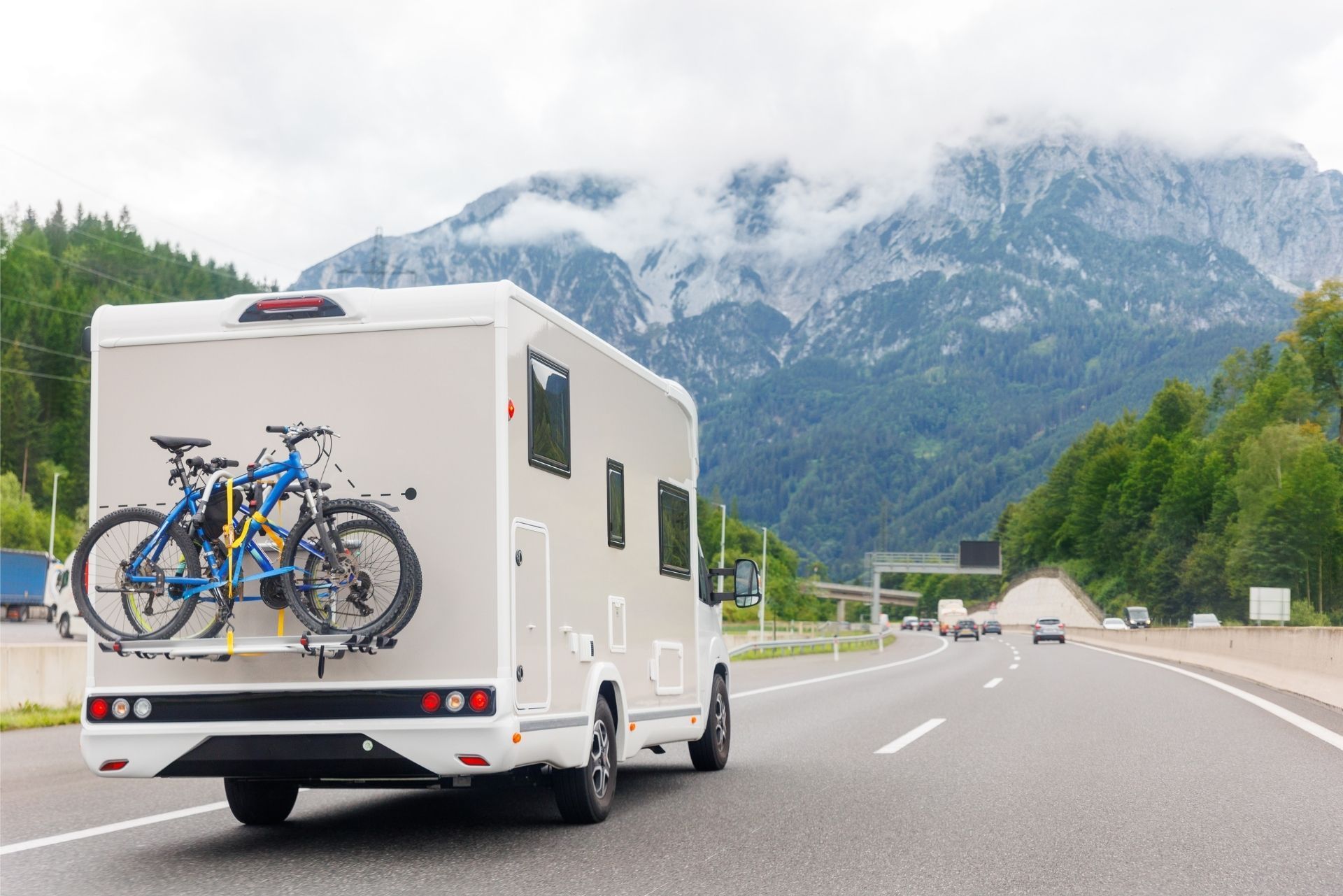
A Florida motorhome parked under swaying palm trees in a coastal RV park might seem like a slice of paradise. But beneath this calm surface lies a multifaceted insurance landscape that demands careful review. Florida’s unique risks, legal quirks, and market conditions make recreational vehicle insurance a distinct endeavor compared to other states. With recent statistical insights and regulatory shifts, Florida drivers need to understand the intricacies that determine coverage costs, claim processes, and insurance rate adjustments.
Auto insurance costs in Florida are already among the highest in the nation, a reality that often spills over into recreational vehicle coverage. The interplay of frequent weather events, detailed claims history, and even litigation trends contributes to adjustments in premiums. For example, recent analysis reveals that Florida drivers witnessed a significant jump in quoted auto insurance rates, emphasizing a market in flux. This article explores the many dimensions of recreational vehicle insurance in Florida, revealing what drivers should know as they consider protection for their adventures. Discover more detailed insights from the
Insurance Research Council.
Understanding the Basics of Recreational Vehicle Insurance
What Does RV Insurance Cover?
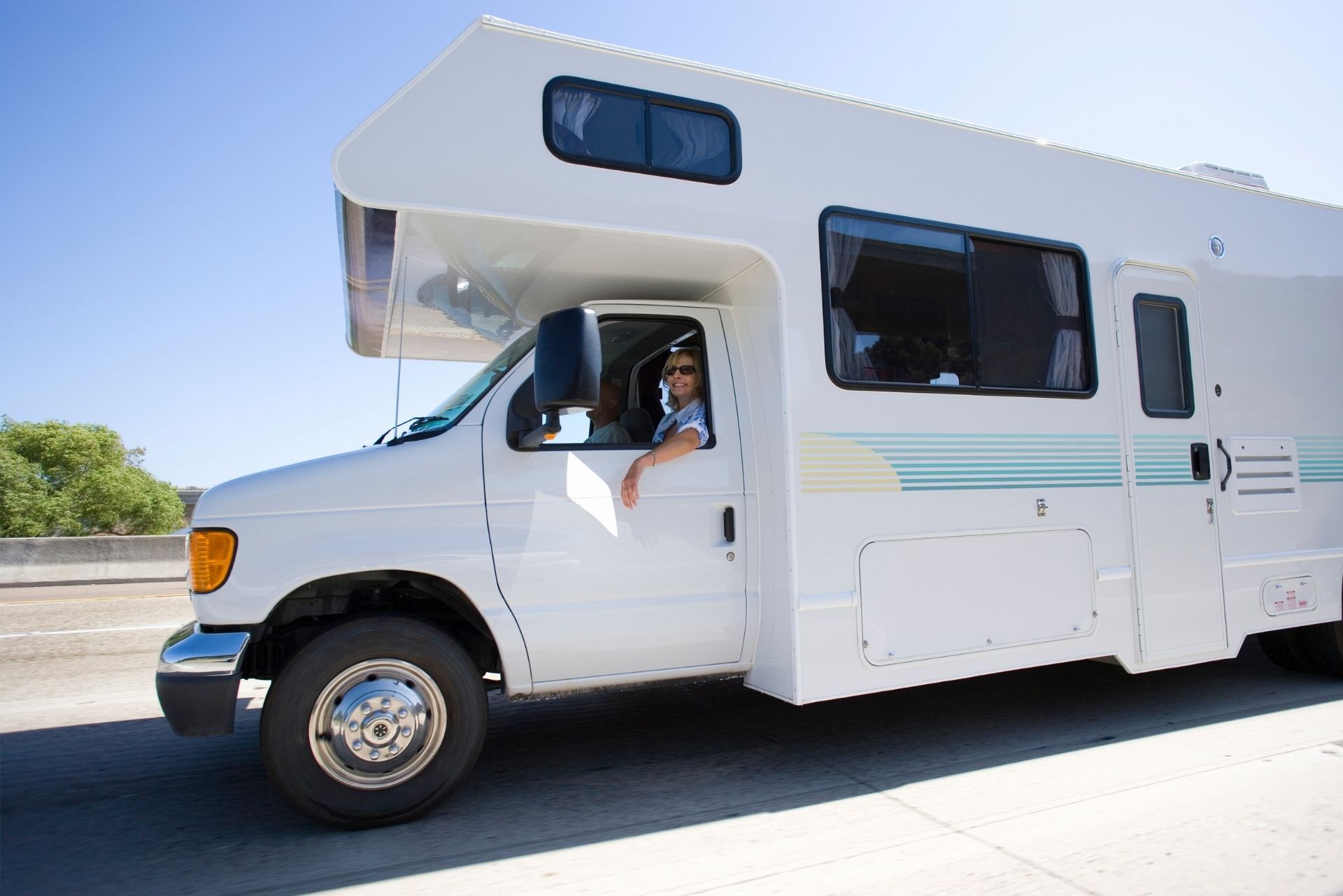
Recreational vehicle insurance for Florida drivers is designed to protect not only vehicles but also the experiences and lifestyles built around RV travel. Coverage typically extends to collisions, comprehensive damage, liability claims, and medical expenses incurred from an accident.
Beyond property damage, comprehensive policies may also cover theft, weather-related damage, and even gaps in coverage if additional protection is needed. Considering Florida’s susceptibility to extreme weather, having comprehensive recreational vehicle insurance is not just a smart choice but a necessity for protecting high-value assets.
Insurance policies are tailored to cover both physical damages and personal liabilities. Specific endorsements for roadside assistance and rental coverage are common additions that can help ensure minimal disruption when problems occur on the road. Each policy is fine-tuned to balance unique personal needs with broader risk factors inherent to the Sunshine State.
Key Terms and Policy Features
Insurance policies include a range of essential features. Terms such as “deductible,” “premium,” and “comprehensive” are not merely buzzwords but critical elements that determine how coverage translates to real-world protection. For instance, deductibles can influence monthly premium costs considerably. Meanwhile, comprehensive coverage secures drivers against an assortment of unexpected events.
Understanding these key terms is crucial. By familiarizing themselves with the policy language, Florida RV owners can make informed decisions that directly affect how claims are handled and how much out-of-pocket expenditure may be required in the event of damage or loss.
The language of insurance can be complex, but grasping the fundamentals provides a significant advantage when shopping for or renewing policies. Policyholders are encouraged to discuss these specifics with their agent to ensure complete awareness of what their plan offers.
Unique Florida Challenges Impacting RV Insurance
Weather-Related Risks and Environmental Factors
Florida’s tropical climate and coastal positioning make it particularly vulnerable to hurricanes, tropical storms, and sudden downpours that can cause significant damage to recreational vehicles. Insurers take these recurring natural hazards into account, often resulting in higher premiums or specific endorsements recommended during the hurricane season.
Local drivers learn to plan their travel and park locations carefully, especially in RV parks that have lost a prior claim history related to weather events. With breakdowns in infrastructure during major events, some insurance policies include clauses that support claims in the wake of catastrophic weather under defined circumstances.
This heightened level of risk is underscored by assessments predicting increased environmental challenges. A report by Florida TaxWatch projects that the long-term impacts of severe weather and flooding may eventually drive significant adjustments to property and vehicle insurance rates according to industry estimates. This forecast emphasizes that Florida’s climate challenges are not transient but part of a longer term risk profile that must be addressed in coverage plans.
Litigation Trends and Their Impact on Policy Costs
The litigation environment in Florida has a direct influence on how insurance policies are structured and priced. In recent years, lawsuits-especially related to areas such as windshield replacement-have put pressure on court systems, with experts noting that these types of claims continue to burden the legal system.
Consider the statements of industry observers, such as those from the Florida Justice Reform Institute, which point to the impact of litigation on driving up costs. These trends are mirrored in the broader auto insurance landscape, where increased legal activity translates to higher premiums for consumers as noted by industry briefs.
For recreational vehicle insurance owners, the ripple effects include not only increased cost but also a more rigorous claims process. Understanding these dynamics becomes essential when comparing policy offers and selecting a plan that offers a balanced mix of coverage and cost-efficiency.
Types of Recreational Vehicle Insurance Coverage
Liability and Physical Damage Coverage
Liability coverage is a cornerstone of any RV insurance policy, protecting drivers against lawsuits and claims resulting from bodily injury or property damage. Such coverage is especially critical in Florida, where higher incidence rates of weather-related damage and collision claims can create complex insurance scenarios.
Physical damage coverage, including collision and comprehensive policies, typically covers repairs for damages sustained during accidents or severe weather events. With the state's documented history of elevated insurance costs-Florida auto insurance expenditures, for example, are substantially higher than the national average-comprehensive policies can be particularly valuable according to recent studies.
This two-pronged approach ensures that Florida RV owners are adequately protected against both third-party liability and the direct costs associated with repairing or replacing a damaged vehicle. Whether the cause of damage is a minor fender-bender or a severe weather event, having robust liability and physical damage coverage provides critical financial security.
Additional Endorsements: Roadside Assistance and Personal Belongings
Many insurers offer endorsements that extend coverage to areas such as roadside assistance, which can include towing, fuel delivery, and emergency repairs. These endorsements provide vital support during unexpected breakdowns-an essential consideration given Florida’s sprawling highways and diverse terrains.
Coverage for personal belongings can also be added to protect valuables stored inside the RV. As drivers can sometimes face issues ranging from theft to damage of on-board appliances, ensuring that these items are covered might mitigate the cost of replacements in the midst of emergency repairs.
The intent behind these added endorsements is to build a policy that holistically addresses the real-world obstacles faced by RV users. With targeted endorsements, policyholders can fine-tune their protection to better align with their lifestyle, thereby reducing out-of-pocket costs when emergencies occur.
How Insurance Rates Are Determined for RVs in Florida
Factors Influencing Premium Calculations
Insurance companies in Florida weigh multiple factors when setting premium rates for recreational vehicles. The vehicle’s age, mileage, and overall condition contribute significantly to the premium calculations. Driver history, location, and even the frequency of claims in a particular area also factor in. Local conditions such as the propensity for severe weather and regional litigation trends are under constant review.
Beyond the standard variables, Florida’s market is uniquely influenced by the state's overall auto insurance trends. Data indicates that Florida drivers have faced noticeably higher expenditures on auto insurance, with the average cost substantially exceeding national figures according to the Insurance Research Council. These factors often spill over into recreational vehicle policies, resulting in similarly elevated premium rates.
Insurance carriers also utilize risk models that incorporate historical claims data and environmental factors. For instance, in regions with a higher rate of weather-related incidents or lawsuits involving windshield claims, a driver may experience higher rates. Policyholders should review their claims history and ask potential insurers how these specific factors are assessed when determining premiums.
Impact of Reinsurance Costs and Market Conditions
The cost of reinsurance plays a significant role in premium increases across many types of vehicle coverage. Experts in the insurance sector have pointed out that rising reinsurance costs, coupled with the threat posed by catastrophic weather patterns, lead carriers to either raise premiums dramatically or withdraw from the market entirely. In some cases, carriers have increased rates by 30 to 40 percent to offset these rising expenses as reported by industry analysts.
In Florida, where environmental uncertainties are high and legal claim counts remain a factor, the evaluation process becomes even more intricate. Insurers assess market trends in real time and adjust coverage costs to ensure that premiums continually reflect these underlying risks. Recreational vehicle insurance policies, therefore, may be subject to shifts in premium during periods of heightened environmental or legal activity.
As a driver or RV owner, understanding the underlying components of rate determination can lead to smarter shopping. Knowing how factors such as local claims history and reinsurance costs affect your premium provides valuable leverage when negotiating with insurers or seeking alternative coverage options.
Exploring Various Coverage Packages
Recreational vehicle insurance in Florida is not one-size-fits-all. Providers usually offer tiered coverage packages that can range from basic liability to full coverage, including physical damage, comprehensive clauses, and specialty endorsements. This flexibility allows policyholders to select options that best fit their travel patterns and personal risk tolerance.
These packages often include customizable limits and deductibles. For example, some RV insurance packages allow you to adjust coverage limits to better protect high-value assets or to choose a higher deductible that lowers your monthly premium. An informed purchaser can balance up-front costs against long-term coverage needs, especially during busy travel seasons or when navigating extreme weather periods.
Diverse coverage packages mean that policyholders can also address additional needs like rental reimbursement for temporary replacement vehicles and coverage for personal items stowed within the RV. This holistic approach minimizes disruptions in the case of a claim and safeguards a variety of assets, making the policy both adaptive and thorough.
A Step-by-Step Look at the Claims Process
The claims process for recreational vehicle insurance is designed to be straightforward yet comprehensive. Following an incident, drivers must report the claim to their insurer promptly, providing details about the damage and any related circumstances. Documentation such as photos, police reports, and receipts for repairs are typically required to support the claim.
Adjusters are assigned to review the claim, assess the damages, and determine the claim’s validity. While this process is generally efficient, the presence of unique factors such as weather-related incidents or disputed liability questions can sometimes extend the timeline. Florida drivers, who might be dealing with complex claims scenarios including extensive weather damage or litigation trends, should ensure that their documentation is thorough before initiating a claim.
As policyholders navigate the claims process, staying in regular contact with the insurer can help expedite the process. Clear communication regarding expected timelines and necessary documentation reduces uncertainty and ensures that claims are settled in a fair and timely manner.
Practical Tips for Choosing the Right RV Insurance Policy
Evaluating Your Coverage Needs
Choosing the right recreational vehicle insurance policy involves a careful evaluation of personal factors and the risks associated with Florida’s specific environment. Start by assessing how and when the RV is used. For frequent travelers or full-time RV owners, robust comprehensive plans with added endorsements like roadside assistance are often a wise investment.
It is vital to calculate potential risks, including exposure to severe weather, accident history, and the possibility of litigation related to claims. Florida’s insurance market, known for having higher premiums than the national average as reported by the Insurance Research Council, frequently reflects these underlying risk factors. Buyers should inquire about optional coverages that may address not only immediate damages but also long-term liabilities.
For those who are risk-averse, securing a policy that offers enhanced physical damage coverage might provide the reassurance needed to hit the road without constant worry. Understanding the balance between premium affordability and adequate protection is key to long-term satisfaction with any policy.
Comparing Multiple Quotes and Providers
It is essential to obtain multiple quotes to effectively compare what different providers offer. Comparing coverage limits, deductibles, and endorsements helps highlight where certain policies excel and where they might fall short. Florida’s competitive insurance market means that different insurers may arrive at diverse conclusions on rate setting, based on varied interpretations of local risk models.
In the process of reviewing providers, look for transparent explanations of how premiums are calculated. Some insurers might offer additional resources on rate determinations, providing insight into the factors that increase your overall cost. Conversations with insurance agents can uncover hidden benefits or clauses that may not be immediately apparent when reviewing policy documents.
Compiling side-by-side comparisons in a table or chart often helps demystify the process. See the table below for a simplified comparison between common coverage components available in Florida recreational vehicle insurance policies:
| Coverage Component | Basic Package | Enhanced Package |
|---|---|---|
| Liability Coverage | Minimum state-required limits | Extended limits with additional legal support |
| Physical Damage | Collision only | Collision and comprehensive including weather-related damage |
| Roadside Assistance | Optional add-on | Included with full coverage |
| Personal Belongings | Limited coverage | Broad coverage including electronics and appliances |
| Deductible Options | Standard deductible amounts | Customizable deductible selection |
This comparison table provides a quick reference for understanding the differences between typical policy offerings. It can serve as a useful guide when discussing options with an insurance agent or broker, ensuring that the selected policy aligns with personal risk factors and driving habits.
Navigating the Claims Process and Ensuring Ongoing Coverage
Steps to Take After an Incident
When faced with an incident, immediate action can significantly affect the outcomes of the claim process. Florida RV drivers should first secure the scene and ensure the safety of all involved. Once safety is confirmed, documenting the incident becomes the next priority. Take photographs, record witness information, and file a police report if necessary. Such steps establish a clear record to support the subsequent claim.
Prompt communication with the insurance provider is critical. A swift report typically triggers the claims process and ensures the assignment of a claims adjuster. As claims are reviewed, policyholders should be proactive in gathering documentation and staying engaged with the insurer. Maintaining accurate records can make a significant difference in the overall experience, reducing delays and fostering a smoother recovery from potential setbacks.
Florida’s complex claims landscape, augmented by trends such as a high volume of auto glass claims, means that a well-prepared documentation packet can help mitigate misunderstandings and expedite the resolution process. Keeping a checklist of required documents and timelines offers reassurance during what can be a stressful period.
Staying Informed on Policy Changes and Market Trends
Recreational vehicle insurance policies are not static. Florida’s insurance market evolves in response to changing environmental conditions, legal rulings, and broader economic shifts. Staying abreast of these changes can alert policyholders to opportunities for adjustment before significant issues arise. Reviews of premium trends and rate adjustments serve as early indicators of evolving market dynamics.
Industry analysts advise that periodic policy reviews are prudent. Reinsurance cost pressures and an increase in catastrophic weather events have pushed some carriers to revise their pricing models, sometimes by as much as 30 to 40 percent according to recent reports. This dynamic environment underscores the importance of regularly consulting with an insurance expert who can help adjust coverage as personal risk factors change.
Furthermore, driver forums and professional associations offer insights into new endorsements and niche coverage options designed to address Florida-specific hazards. By remaining informed, policyholders can upgrade or modify policies proactively, ensuring continuous protection that aligns with current conditions.
Future Trends and Considerations for Florida RV Owners
Evolving Risk Profiles and Market Adjustments
Looking ahead, Florida’s insurance market is likely to see further changes as environmental factors, economic conditions, and legal trends converge. The interplay between rising reinsurance costs and increasingly volatile weather patterns suggests that rates may continue to rise in the short term. Statistical analyses show that recent rate hikes have affected various segments of the insurance industry, prompting discussions among regulators and market analysts alike.
Affordable coverage will remain a priority for many Florida RV owners. Industry experts and study findings continue to indicate that market stability requires robust risk management. For instance, while statewide trends point to higher costs, niche segments such as participatory loss models in RV parks have showcased lower loss ratios compared to industry averages as observed in recent feasibility studies. These examples suggest that alternative insurance models may offer a pathway to retaining stable premiums even in turbulent times.
Future policy innovations might include more customizable coverage options, allowing drivers to modify risk coverage based on seasonal travel patterns or shifting environmental conditions. Keeping an eye on emerging trends will prepare Florida RV owners for necessary adjustments when renewing or upgrading their insurance policies.
Preparing for Uncertainty in the Insurance Landscape
Flexibility and preparedness are two essential characteristics for anyone navigating Florida’s dynamic insurance market. Being proactive by reviewing current policies, engaging with trusted agents, and taking advantage of available market data can help mitigate future challenges. In this state, where litigation and steep rate increases are common, informed decision-making stands as the best defense against unexpected costs and claim issues.
Drivers should regularly evaluate their coverage options and consider annual policy reviews. Such routine assessments ensure that any changes in driving habits, vehicle value, or external risk factors are addressed. As policy adjustments are made, maintaining documented evidence of the vehicle’s condition and travel history further solidifies the case for comprehensive protection.
Balanced against these proactive measures is the need to support the broader insurance landscape. Awareness of how individual policy changes fit into statewide trends fosters a community-wide understanding, potentially leading to improved market practices over time.
Frequently Asked Questions
This section offers brief, straightforward answers to some of the most common questions regarding Florida recreational vehicle insurance.
Q: What does recreational vehicle insurance in Florida typically cover?
A: Florida RV insurance generally covers liability, physical damage (collision and comprehensive), and may include endorsements for roadside assistance and personal belongings.
Q: How do weather-related risks in Florida affect insurance premiums?
A: The state's exposure to hurricanes, tropical storms, and flooding increases risk factors, which most insurers incorporate into premium calculations as noted in environmental studies.
Q: How can I lower my RV insurance premiums?
A: Lowering premiums may involve choosing a higher deductible, bundling policies, and maintaining a clean claims record. Annual reviews with your insurer can identify additional savings opportunities.
Q: What should I do immediately after an RV accident?
A: Ensure safety first, document the incident with photos and reports, and then contact your insurer promptly to initiate the claims process.
Q: Does Florida’s litigation trend affect my insurance policy?
A: Yes, the high frequency of lawsuits, especially those related to auto glass claims, influences premiums and the overall claims process in Florida as reported by industry experts.
Florida RV insurance is a dynamic field, intimately tied to state-specific challenges and evolving market conditions. By taking the time to understand the intricacies of coverage options, claims processes, and premium determinants, recreational vehicle owners can better prepare for unexpected events while enjoying the freedom of the open road.
Awareness of the major factors that drive insurance costs-from environmental risks to litigation trends-empowers policyholders to navigate the complex insurance landscape more effectively. Staying informed through regular consultations with insurance experts and keeping track of emerging trends not only supports individual financial security but also contributes to a broader understanding of Florida’s distinctive insurance market.
Ultimately, Florida RV owners can strike a workable balance between comprehensive protection and cost efficiency. Whether you are a full-time traveler or an occasional road trip enthusiast, carefully evaluating your policy options and ensuring that your coverage aligns with the unique risks of this state will help ensure that your adventures remain as free-wheeling as they are secure.
ABOUT THE AUTHOR: PAUL RAMENTOL
I am the Owner and President of Mesa Insurance Agency. I help individuals and business owners across Florida secure personal and business insurance coverage that supports their needs. My focus is on clear guidance, direct communication, and long-term support without call-center delays or confusion.
Contact Us

Personal Coverage Options
Insurance Built for Everyday Protection
Mesa Insurance Agency provides personal insurance coverage designed to support daily life. Our team reviews risks and coverage needs to help clients secure dependable protection at fair rates.
Dental & Vision Insurance
Coverage that helps manage routine dental and vision care costs.

Business Coverage Options
Insurance Built for Business Protection
Mesa Insurance Agency provides business insurance coverage that helps protect operations, employees, and property. We work with multiple carriers to offer coverage options that support daily business activities and long-term stability.
Commercial Auto Insurance
Coverage for business-owned vehicles, drivers, and accident-related liability exposure.
General Liability Insurance
Protection against third-party injury, property damage, and common business liability risks.
Professional Liability Insurance
Coverage for claims related to professional services, advice, or service errors.
Workers’ Compensation Insurance
Coverage that helps support employees with work-related injuries and medical costs.
Commercial Property Insurance
Protection for buildings, equipment, inventory, and physical business assets.
Errors & Omissions Insurance
Coverage for financial losses caused by mistakes, omissions, or service-related claims.
Industries We Serve
Serving Businesses Across Multiple Sectors
Mesa Insurance Agency works with business owners across Florida to provide insurance coverage that supports daily operations. We understand common risks faced by different industries and help clients secure reliable protection.

Construction and Trades Insurance
Coverage for job sites, vehicles, tools, and workplace risks.

Hospitality Businesses Insurance
Insurance for restaurants, bars, and service-based operations.

Retail and
Commercial Properties
Protection for storefronts, inventory, and customer-related liability.
Our Approach
Insurance Made Easy to Understand
Mesa Insurance Agency provides business insurance coverage that helps protect operations, employees, and property. We work with multiple carriers to offer coverage options that support daily business activities and long-term stability.
Insurance FAQs
Helpful Answers for Florida Clients
Support you can rely on.

What makes Mesa Insurance Agency different?
We are an independent agency with access to multiple carriers. This allows us to offer flexible coverage options.
Clients work directly with licensed agents. Service continues beyond the policy start date.
Do you offer coverage for individuals and families?
Yes. We provide personal insurance for individuals and families across Florida.
Coverage includes auto, home, health, life, and flood insurance. Our team explains each option clearly.
Do you work with small and mid-sized businesses?
Yes. We work with businesses of many sizes and industries.
Our team helps identify risks and secure appropriate coverage. Ongoing service is included.
Can I make changes to my policy later?
Yes. Policies can be updated as needs change.
We assist with coverage adjustments, additions, and removals. Clients can contact us directly for help.
Is flood insurance required in Florida?
Flood insurance is not always required, but it is strongly recommended in many areas.
Standard home insurance does not cover flood damage. Our team can review your flood risk and options.
How do I contact your office?
You can contact us by phone, email, or through our website.
Our team responds promptly during business hours. Support is always available when needed.
From the Blog
Insurance Topics That Matter
Clear answers for common questions.






Client Reviews
Trusted by Clients Across Florida
Mesa Insurance Agency is proud to serve individuals and businesses throughout Florida. Clients choose us for clear communication, responsive service, and reliable insurance support. Their feedback reflects our focus on long-term relationships and consistent service.
Contact Us