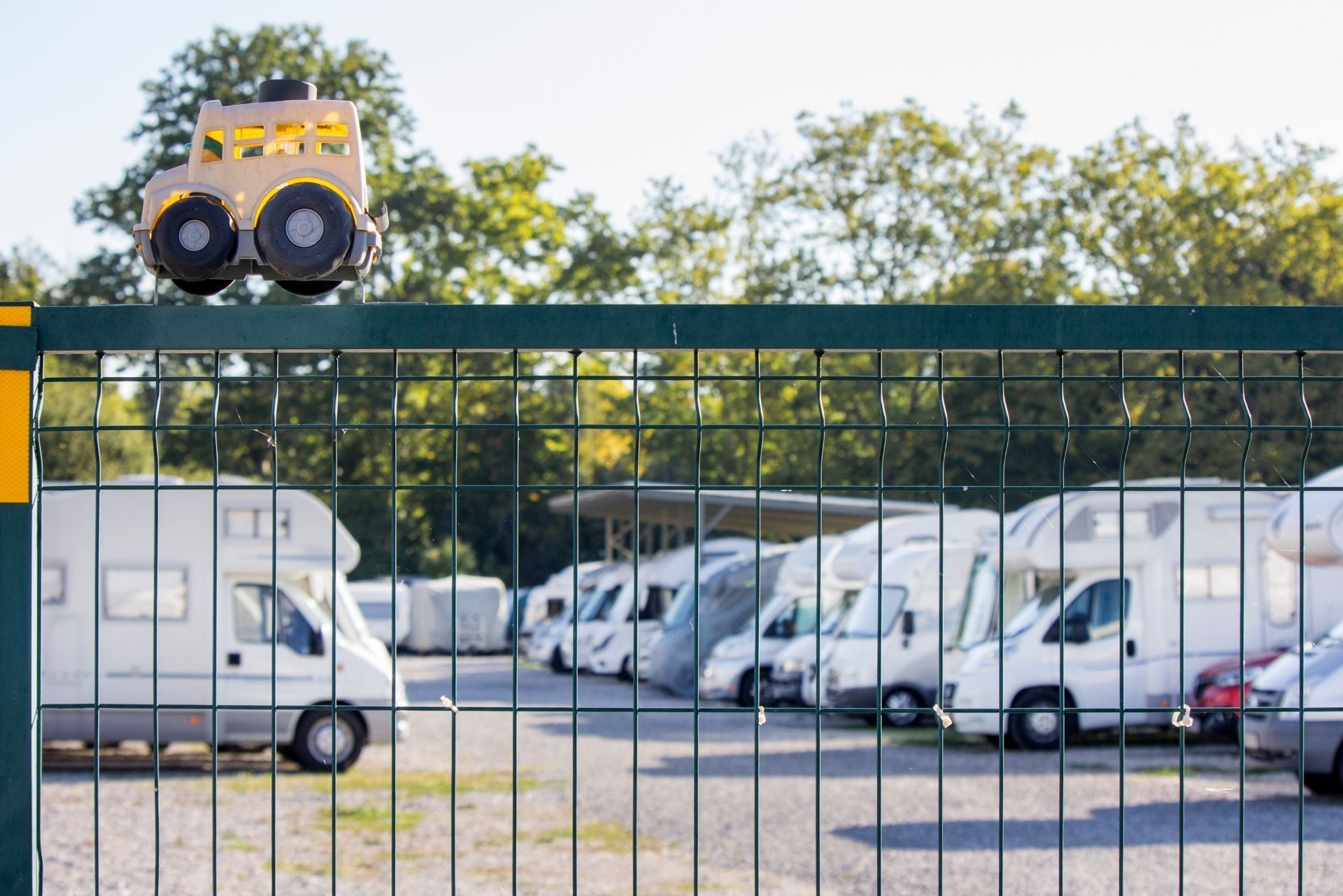
RV storage facilities in Florida face unique challenges that call for equally specialized insurance coverage. With over 11 million households owning an RV in 2022, up from 6.9 million in 2001 according to industry statistics, insurers and facility operators need a tailored approach. The evolution of this niche has made the coverage for RV and boat storage a critical component to protect valuable assets and investments.
Insurance considerations in this field extend far beyond standard commercial policies. Unique risks such as environmental damage, fluctuating loss ratios, and rising claims have paved the way for innovative insurance strategies like captive insurance.
Understanding the Florida RV Storage Market
Florida’s sunny climate and scenic coastlines have led many RV owners to opt for seasonal travel and extended stays. This seasonal demand often results in a surge of RV storage facility use, making these yards a significant part of the local asset class. Industry experts have identified RV storage as emerging as a unique asset class, combining the trends from increased RV ownership with the operational demands of storage solutions from key industry analyses.
While the demand continues to grow, so do the challenges. Extreme weather events, environmental hazards, and fluctuating maintenance costs all influence the insurance dynamics that facility operators need to manage.
RV storage yards are transitioning from being niche operations to integral parts of Florida's broader tourism and transportation infrastructure. The development in this market signals that traditional insurance models may not be sufficient to address the evolving risks associated with these facilities.

Specialized Risks for Florida RV Storage Facilities
The insurance risks associated with Florida RV storage yards differ from standard property or commercial hazards. Environmental damage claims have increased, particularly in states like Arizona and California, and similar trends are starting to emerge in Florida. A notable statistic is a reported 25% increase in claims related to environmental damage at RV storage facilities in recent years as highlighted by industry research.
Even minor environmental incidents can escalate into significant claims, making it imperative for storage yards to maintain rigorous safety and maintenance protocols. Operators need to adopt a proactive approach, using both traditional and modern risk mitigation strategies. This includes periodic safety audits, robust fire prevention measures, and contingency planning for natural disasters.
Insurance policies tailored for these facilities revolve around providing coverage for such distinct risks. Coverage packages usually address issues like water damage, fire, and accidental destruction along with liability considerations specific to vehicle storage. The dynamic risk environment calls for both comprehensive coverage and flexible options, such as micro-captives and other captive insurance solutions, which have gained traction as insurers face soaring premium rates.
Captive Insurance and Micro-Captive Trends
Captive insurance has become a dominant strategy among facility operators looking for control over their risk management. In Florida, a dramatic rise in micro-captive formations has been noted, with a report indicating a 2,200% increase for certain clients over just five years according to Van Carlson. This approach allows operators to create self-insurance mechanisms that better suit their risk profile and financial strategy.
The emerging trend of captive insurance reflects the broader challenges encountered in the current insurance market, including escalating operational costs and inconsistent underwriting practices. When premium rates soar, facility operators find themselves in a tightening spot, compelling many to seek alternative solutions that can offer stability and predictability.
At upcoming conventions like the 2025 session hosted by the Florida-Alabama RV Park & Campground Association, the exploration of captive insurance options is set to take center stage
as reported by industry experts. Such sessions promise robust discussions on adapting insurance products to better match the rapidly changing market landscape.
Benefits and Challenges of Captive Insurance
When managed effectively, captive insurance can offer several distinct advantages. One key benefit is the ability to tailor coverage to the unique needs of a facility. With captive insurance, premiums and policy structures can be customized to better reflect actual risks rather than adhering to a one-size-fits-all model.
An important benefit is precise cost control. With traditional insurance models, cost fluctuations can significantly impact operating expenses, especially given the high claims frequency linked to environmental damage and loss ratios. One feasibility study found that RV parks participating in captive programs reported a loss ratio of 30% compared to the industry average of 67% according to research by Camp Florida. This stark difference illustrates the potential for reduced claims and streamlined claims handling.
However, the uptake of captive insurance is not without its challenges. Initial setup costs, regulatory scrutiny, and the need for ongoing risk management expertise can pose barriers. Facility operators must balance the benefits of lower loss ratios with the administrative complexities of establishing a captive, a decision that often involves engaging with specialized financial advisors and actuaries.
Risk Management Practices in RV Storage Operations
Iffective risk management in Florida RV storage facilities is a multi-layered process. Operators combine physical safeguards, regular maintenance, and a robust insurance strategy to minimize losses. One critical component is environmental monitoring. Given that claims related to environmental damage have seen a notable increase, maintaining strict oversight of potential hazards such as flood risk or chemical leaks can pay off over time.
Investments in technology, such as real-time surveillance and automated alarm systems, are becoming standard practices. These systems provide facility operators with immediate alerts, thereby preventing small issues from evolving into major, costly incidents.
Insurance strategies extend beyond simply purchasing policies. Innovative risk management also involves employee training, facility inspections, and even community-based safety practices. The overall approach can significantly reduce the frequency of claims, ultimately translating to more favorable terms with insurers.
Comparing Traditional Policies and Specialized Coverage
Many operators begin with standard commercial insurance policies, which often fail to capture the nuances of RV storage operations. Standard policies typically overlook unique risks tied to vehicle storage and environmental exposures. Terry Campbell from Johnson Insurance has commented that standard policies frequently miss coverage gaps in RV and boat storage, emphasizing the need for specialized policies that truly address the spectrum of risks faced by facility operators as noted in industry reports.
The differences between traditional and specialized policies can be illustrated by examining coverage elements, loss ratios, and risk management benefits. The following table compares the key distinctions:
| Coverage Aspect | Traditional Policy | Specialized RV Storage Coverage |
|---|---|---|
| Customization | Limited options for unique risks | Tailored coverages with specific endorsements |
| Loss Ratio | Industry average around 67% (Camp Florida study) | Often significantly lower, with examples around 30% |
| Risk Management Support | Basic support offered | Enhanced risk control programs and proactive monitoring |
| Cost Predictability | Subject to market volatility | Improved forecasting through captive models and micro-captives |
This chart underscores the value in exploring coverage options designed specifically for RV storage facilities. Operators who recognize these advantages can potentially lower their premiums while achieving better overall protection.
Differentiating coverage options is especially relevant in a market that has expanded rapidly as RV ownership has surged. The move to specialized products reflects a broader trend of personalized risk management in various asset classes.
Insurance Trends and Market Dynamics in Florida
The RV storage insurance market in Florida is evolving in response to shifting consumer behaviors and risk profiles. With a robust self-storage market accompanying RV storage demand, regions such as Tampa have seen a 3.1% year-over-year rental rate growth according to recent market reports. This growth signals market confidence, yet it also places greater emphasis on ensuring that insurance policies keep pace with emerging risks.
One emerging theme is the integration of technology to improve risk management. Facility operators are increasingly relying on data analytics to predict potential hazards and streamline their claims processes. This proactive approach is intended to reduce the impact of extreme weather conditions and other unpredictable factors that affect risk levels.
Insurers are adapting by providing solutions that combine traditional coverage with elements of business interruption, environmental liability, and even cyber protection in some cases. These evolving products are designed to mitigate an increasingly complex risk environment that Florida RV storage facilities face on a daily basis.
Preparing for the Future: Strategies for Facility Operators
As Florida RV storage facilities continue to grow and mature into a dedicated asset class, facility operators can adopt several critical strategies to remain competitive and protected. First and foremost, understanding specific risk factors is key. Facility managers should conduct thorough risk assessments to ensure that every potential hazard is accounted for.
Embracing a hybrid model that combines traditional coverage with customized insurance tools like captive programs offers operational flexibility and financial stability. The significant difference in loss ratios, as seen in some studies, suggests that a more proactive risk management process can have measurable financial benefits.
Regular review of policy terms, coupled with input from insurance professionals experienced in the RV storage market, can help operators negotiate coverage terms that reflect real-world risks, rather than outdated models. By staying informed about market trends and regulatory changes, facility operators can better anticipate insurance needs and adjust practices accordingly.
Key Considerations for Implementing Tailored Insurance Solutions
Facility operators must be deliberate in selecting insurance partners who understand the unique demands of RV storage. One important factor is ensuring that the insurer offers flexibility in policy customization. Rather than one-size-fits-all coverage, policies should adapt to the particularities of the site, such as location-specific risks-like coastal storm exposure-and operational design.
Another critical aspect is regulatory compliance. As the state of Florida continues to update its legal and environmental regulations, staying compliant means more than just proper documentation-it means anticipating how changes in the regulatory landscape might affect risk exposure.
Engaging with local industry associations, attending relevant conferences, and networking with peers across the RV storage sector can yield valuable insights that inform risk management practices and insurance coverage reviews.
How Environmental Factors Impact Insurance Costs
Environmental factors directly influence the claims history and overall risk profile associated with RV storage facilities. Florida, known for its harsh sun, high humidity, and storm-prone regions, poses specific challenges. Increased exposure to moisture and the potential for hurricanes or tropical storms threaten the structural integrity of storage facilities, drive up operational costs, and, ultimately, raise insurance premiums.
Operators must implement environmental safeguards and maintenance protocols. Regular inspections, drainage improvements, and weatherproofing measures are prudent investments that can reduce risk levels. The proactive nature of these measures contributes to lowering claim frequency, balancing the overall loss ratio for insurance policies.
Data indicates that claims related to environmental damage have surged in various regions, with a 25% increase noted in states like California and Arizona as per recent studies. Adapting similar measures in Florida may not only improve safety but also favorably impact insurance costs in the long term.
Integrating Technology in Risk Management and Insurance
The integration of modern technology into risk management is transforming how Florida RV storage facilities address coverage challenges. Real-time monitoring systems, temperature and humidity sensors, and automated fire detection alarms are now being deployed in storage yards to mitigate risks before they escalate. These innovations allow facility operators to obtain detailed data, which in turn helps insurers more accurately assess risk profiles and set premiums accordingly.
Digital platforms have also streamlined claims management, making the process faster and more efficient. In an environment where every minute counts after a loss event, such improvements in technology are immensely beneficial.
Investing in technology has become an essential focus for many facility operators who are keen on achieving lower loss ratios and more favorable insurance terms. By collaborating with insurers to integrate these risk reduction measures, facility managers can bridge the gap between traditional coverage and contemporary risk management needs.
Real-World Examples of Specialized Coverage Success
Several RV storage operations across Florida have already reaped the benefits of specialized coverage programs. Some facility operators who have switched to tailored insurance policies report significant improvements in their loss ratios, with some facilities achieving figures as low as 30% compared to the typical industry average of 67% according to a detailed feasibility study. These examples serve as practical blueprints for other operators considering a move towards more specialized coverage.
In addition to improved financial outcomes, the adoption of customized risk management strategies has created a competitive edge for these operators. From investing in preventative maintenance to applying for micro-captive insurance programs, the success stories highlight that improved risk control can lead to tangible benefits in both operational efficiency and cost savings.
These cases often underscore the broader industry shift towards tailored insurance solutions in response to unique facility challenges. As more stakeholders recognize the benefits of specialized programs, the landscape for RV storage insurance in Florida may continue to evolve in favor of customized solutions.
Frequently Asked Questions
Q: What makes RV storage facility insurance different from standard commercial policies?
A: Insurance for RV storage facilities is tailored to cover specific risks such as environmental damage, loss of vehicles, and operational liabilities. Standard policies may not address all these nuances effectively.
Q: How does captive insurance benefit an RV storage operator?
A: Captive insurance allows operators to customize coverage and control claims handling, often resulting in lower loss ratios and more predictable costs over time.
Q: Are there any industry benchmarks regarding loss ratios in specialized coverage?
A: Yes, some studies report that facilities using specialized coverage have loss ratios around 30%, a figure significantly lower than industry averages of 67% as documented in recent research.
Q: How do environmental factors influence insurance premiums?
A: Environmental factors such as humidity, storm risks, and exposure to corrosive elements can increase the frequency of claims. Enhanced safety measures and proactive maintenance can help offset these increased risks.
Q: What steps can facility operators take to improve their risk management practices?
A: Operators can implement regular inspections, invest in real-time monitoring technology, and collaborate with insurers on customized policies designed to address the unique risks of RV storage facilities.
Wrapping Things Up: Navigating the Future of RV Storage Insurance in Florida
Florida RV storage facilities have come a long way from niche operations to a robust asset class propelled by skyrocketing RV ownership rates and evolving operational challenges. The need for coverage that can reliably address unique risks, such as environmental hazards and fluctuating loss ratios, has spurred a shift toward specialized insurance solutions and captive models. Facing a dynamic risk landscape, facility operators must stay alert to emerging trends and adapt proactively to manage costs while ensuring optimal protection.
Industry events, such as the upcoming 2025 Florida-Alabama RV Park & Campground Association convention, highlight the sector's drive to explore innovative solutions that bridge the gap between traditional coverage and specialized approaches. The growing interest in tailored policies and captive insurance models reflects a broader recognition that modern risks demand modern solutions.
As the market continues to evolve, both operators and insurers stand to benefit from improved risk management practices and technology integrations, ultimately paving the way for more resilient and efficient RV storage operations across Florida. The industry’s focus on unique solutions will help mitigate risks over time and offer a more stable financial environment for operators and investors alike. This evolution is a strong indicator of where the insurance industry is headed, marrying technology, specialization, and proactive risk management to meet the challenges of tomorrow.
Final Thoughts on Florida RV Storage Facility Insurance
Coverage that speaks directly to the real-world challenges of RV storage facilities is no longer a luxury; it is a necessity. Florida's market growth coupled with increased claim incidents related to environmental and operational risk factors necessitates a departure from traditional policies. Instead, an emphasis on customizable solutions and a thorough understanding of market dynamics equip facility operators to not only face but also manage risks competently.
By leveraging innovative insurance products such as micro-captives and specialized coverage programs, operators can enjoy more predictable expense control and reduced claim impacts. This blend of proactive risk management and tailored insurance policies serves as both a buffer against rising premiums and a pathway to more resilient business operations.
For many facility operators, the journey towards comprehensive and effective coverage starts with understanding specific needs. The choices made today can spell the difference between financial vulnerability and operational stability tomorrow. Adopting a forward-looking approach that incorporates the latest trends in technology and insurance innovation will be key to success in this evolving landscape. As Florida’s RV storage sector continues to expand and mature, staying informed of market shifts and embracing innovative coverage options remains essential for long-term success
as highlighted by current industry trends.
ABOUT THE AUTHOR: PAUL RAMENTOL
I am the Owner and President of Mesa Insurance Agency. I help individuals and business owners across Florida secure personal and business insurance coverage that supports their needs. My focus is on clear guidance, direct communication, and long-term support without call-center delays or confusion.
Contact Us

Personal Coverage Options
Insurance Built for Everyday Protection
Mesa Insurance Agency provides personal insurance coverage designed to support daily life. Our team reviews risks and coverage needs to help clients secure dependable protection at fair rates.
Dental & Vision Insurance
Coverage that helps manage routine dental and vision care costs.

Business Coverage Options
Insurance Built for Business Protection
Mesa Insurance Agency provides business insurance coverage that helps protect operations, employees, and property. We work with multiple carriers to offer coverage options that support daily business activities and long-term stability.
Commercial Auto Insurance
Coverage for business-owned vehicles, drivers, and accident-related liability exposure.
General Liability Insurance
Protection against third-party injury, property damage, and common business liability risks.
Professional Liability Insurance
Coverage for claims related to professional services, advice, or service errors.
Workers’ Compensation Insurance
Coverage that helps support employees with work-related injuries and medical costs.
Commercial Property Insurance
Protection for buildings, equipment, inventory, and physical business assets.
Errors & Omissions Insurance
Coverage for financial losses caused by mistakes, omissions, or service-related claims.
Industries We Serve
Serving Businesses Across Multiple Sectors
Mesa Insurance Agency works with business owners across Florida to provide insurance coverage that supports daily operations. We understand common risks faced by different industries and help clients secure reliable protection.

Construction and Trades Insurance
Coverage for job sites, vehicles, tools, and workplace risks.

Hospitality Businesses Insurance
Insurance for restaurants, bars, and service-based operations.

Retail and
Commercial Properties
Protection for storefronts, inventory, and customer-related liability.
Our Approach
Insurance Made Easy to Understand
Mesa Insurance Agency provides business insurance coverage that helps protect operations, employees, and property. We work with multiple carriers to offer coverage options that support daily business activities and long-term stability.
Insurance FAQs
Helpful Answers for Florida Clients
Support you can rely on.

What makes Mesa Insurance Agency different?
We are an independent agency with access to multiple carriers. This allows us to offer flexible coverage options.
Clients work directly with licensed agents. Service continues beyond the policy start date.
Do you offer coverage for individuals and families?
Yes. We provide personal insurance for individuals and families across Florida.
Coverage includes auto, home, health, life, and flood insurance. Our team explains each option clearly.
Do you work with small and mid-sized businesses?
Yes. We work with businesses of many sizes and industries.
Our team helps identify risks and secure appropriate coverage. Ongoing service is included.
Can I make changes to my policy later?
Yes. Policies can be updated as needs change.
We assist with coverage adjustments, additions, and removals. Clients can contact us directly for help.
Is flood insurance required in Florida?
Flood insurance is not always required, but it is strongly recommended in many areas.
Standard home insurance does not cover flood damage. Our team can review your flood risk and options.
How do I contact your office?
You can contact us by phone, email, or through our website.
Our team responds promptly during business hours. Support is always available when needed.
From the Blog
Insurance Topics That Matter
Clear answers for common questions.







Client Reviews
Trusted by Clients Across Florida
Mesa Insurance Agency is proud to serve individuals and businesses throughout Florida. Clients choose us for clear communication, responsive service, and reliable insurance support. Their feedback reflects our focus on long-term relationships and consistent service.
Contact Us