Picture a vibrant Florida bowling alley bustling with families, league teams, and local tournaments. Behind the fun and neon lights lies a complex framework of risk management and insurance that keeps these centers running smoothly and protects them from unforeseen losses. In Florida, where weather and market challenges demand specialized coverage, securing the right insurance becomes crucial. This article unpacks the essentials of bowling alley insurance in the Sunshine State while exploring industry trends and market insights that impact bowling centers.
Insurance for bowling alleys is not a one-size-fits-all coverage. It requires a tailored approach that considers unique risks such as property damage from severe convective storms and business interruption during natural disasters. In light of recent market adjustments, including policy shifts at major state-backed insurers, these centers face a dynamic insurance landscape. Readers are encouraged to explore deeper insights through a recent report on high claim denial rates observed in Florida, adding perspective to the challenges involved.
As a cornerstone of community entertainment and economic activity, bowling alleys in Florida require robust insurance coverage. The continuous evolution of property insurance trends, market reforms, and external economic forces directly impacts these businesses. This comprehensive guide explains what makes bowling alley insurance unique, highlights the factors influencing policy changes, and offers practical advice for managing risk.
Understanding the Unique Risks for Bowling Centers in Florida
Bowling alleys are more than just centers for recreational sport; they are complex facilities with varied insurance needs. From physical damage to equipment breakdown, these centers face significant risks that traditional business insurance may not fully cover. Florida’s unique climate introduces additional hazards such as severe convective storms and a high likelihood of property damage.
When choosing insurance, owners must consider the physical structure, the specialized equipment used in scoring and lane maintenance, and the unique occupancy risks. The strong winds and heavy rains commonly associated with Florida weather require policies that are both robust and flexible. For instance, a recent study reported that losses from severe-convective storms in the state exceeded $50 billion in a single year [University of Florida]. This highlights the importance of ensuring that a bowling alley's property insurance covers wind, hail, and consequential damage adequately.
Other aspects include general liability coverage, which can protect against slip and fall accidents, and equipment breakdown coverage for mechanical failures. Given the dynamic environment in Florida, customizable policies that can address these distinct risks are necessary. As market conditions evolve, it is critical that these policies are continually reviewed and adapted to reflect current risk factors and insurance industry trends.

Market Trends Impacting Bowling Alley Insurance
The property insurance market in Florida has experienced several shifts in recent years. Bowling alleys not only contend with the challenges of natural disasters but also face the broader issues affecting the state’s insurance system. In 2024, there was a sharp increase in policy shifts, as Florida regulators allowed insurers to assume nearly 769,000 policies previously under state-backed programs [Florida Office of Insurance Regulation]. This move represents an 858% jump since 2022 and is part of strategies aimed at stabilizing the market.
Despite these regulatory changes, challenges persist. For example, recent reports indicate that nearly half of home insurance claims were denied in 2024, up from 40% in 2022 [Port St. Lucie Talks]. Changes such as these affect all sectors reliant on property insurance, including bowling alleys. Therefore, stakeholders must understand that while market reforms may bring stabilization, they also lead to evolving conditions that require continual risk evaluation and adjustment of insurance strategies.
Reinsurance pricing, a key factor influencing overall insurance costs, has started to trend downward, specifically in Florida, according to industry experts [Insurance Business]. This trend can potentially translate to lower premiums for bowling alleys, but the complexity of risk exposure means that businesses need to work closely with brokers who have deep expertise in the local market.
Key Coverage Components for Bowling Alley Policies
Bowling alley insurance policies need to be comprehensive, covering a range of risks that traditional commercial property policies might overlook. Key coverage components include:
- Property Damage: This covers structural damage to the building, lane equipment, pinsetters, and other specialized machinery in the alley.
- Business Interruption: When a natural disaster or other covered event disrupts operations, this cover ensures that income losses are minimized.
- General Liability: Given the high foot traffic and family-oriented environment, liability coverage that protects against injuries or accidents is crucial.
- Equipment Breakdown: Specific to bowling centers, this protects essential equipment from mechanical failure, ensuring minimal downtime during repairs.
These coverage elements combine to form a robust framework that protects against a broad range of risks. The versatility of these policies helps business owners navigate financial uncertainties should an incident occur.
Insurance professionals recommend a detailed review of all policy elements. Given the trend of flat average home insurance premiums – a factor partially attributable to declining litigation [Triple-I] – it is essential that bowling alley owners work with experienced brokers who understand the local dynamics.

Risk Management Strategies for Bowling Alleys
The best way to secure a favorable insurance policy is to manage risks effectively before they escalate. Bowling alleys should adopt proactive maintenance and upgrade programs for their equipment and facilities. Regular safety audits, routine checks of structural integrity, and staff training coupled with emergency response planning are fundamental practices that protect against potential risks.
Florida’s challenging weather patterns necessitate advanced risk mitigation strategies. Investing in updated roof structures, storm-resistant windows, and backup power systems can provide an added layer of protection. In instances where severe weather results in significant damage, some insurers are beginning to offer incentives to policyholders who can demonstrate robust preventive measures.
Engaging with specialized brokers who understand the nuances of Florida's insurance market can help businesses obtain customized coverage. Such brokers can ensure that every aspect of risk – from damage due to severe convective storms to facility-specific hazards – is adequately insured. With experts noting that the current market trends signal early warnings of broader financial risks tied to climate change [Deep Sky Research], the importance of proactive risk management in this sector has never been clearer.
Legislative Reforms and Their Impact on Insurance Policies
Recent legislative adjustments in Florida have made headlines and influenced the property insurance market. New reforms aimed at curbing litigation abuse have helped stabilize premium trends despite an overall turbulent market. These changes have had a notable effect on average premium levels, keeping them nearly flat over the past couple of years [Triple-I]. For bowling alleys that face similar risks as other property-intensive sectors, this stability is a promising sign.
Legislative actions have directed insurers to adopt more conservative practices when issuing and pricing policies. While this helps in the overall market, it requires bowling alley operators to understand that flat premium trends are a result of ongoing cautious underwriting amid industry reforms. Managers must keep abreast of legislative changes to ensure their policies remain compliant and relevant.
The state’s regulatory efforts have also extended to the transfer of policies from the state-backed Citizens Property Insurance Corporation to private insurers. This shift, which saw an 858% increase in policy transfers from 2022 to 2024 [Florida Office of Insurance Regulation], signals a broader confidence in the private market. For bowling alleys, this means greater opportunities to seek competitively priced, tailored insurance solutions from experienced private carriers who are now more involved in the market.
Customizing Insurance Coverage for Bowling Centers
Bowling alleys benefit from coverage that reflects individual business needs. No two bowling centers operate alike; some may be single-location alleys while others are part of larger entertainment complexes. This variability means that insurance policies often require customization. Discussions with insurance brokers should cover topics such as seasonal operation fluctuations, equipment upgrade schedules, and even promotional events held on the premises.
Some insurers now offer modular policies that allow business owners to select coverage components that suit their unique operational risk profiles. For example, a center that frequently hosts large tournaments could prioritize event cancellation coverage and enhanced liability protection during high-traffic times. Such flexibility ensures that all potential liabilities are covered under a single, comprehensive policy.
A tailored approach not only addresses the specific needs of the center but can also help control insurance costs. With the reinsurance market in Florida showing signs of recovery, some insurers are even offering competitive premiums that reflect lower underlying risks [Insurance Business]. This trend ultimately benefits bowling alley operators seeking to maximize coverage while keeping costs manageable.
Practical Steps to Secure the Right Policy
Finding the right insurance for a bowling center involves a systematic process. The first step is to compile a detailed inventory of all assets, including the building structure, specialized lane equipment, and any other significant investments. This comprehensive assessment not only aids in obtaining the right level of coverage but also ensures that claims filed later are based on an accurate representation of the assets.
Next, contacting seasoned insurance brokers who specialize in Florida property and commercial insurance is crucial. These professionals bring context-specific insights, including current market trends and reforms that might impact policy pricing. Their expertise helps unravel the nuances of policy exclusions and conditions that might otherwise be overlooked by a general insurer.
Finally, regularly reviewing policy terms and coverage limits is essential. As the market evolves and legislative reforms continue to impact insurance practices, owners should make it a practice to update their policies in line with new risks and opportunities. Regular assessments can prevent coverage gaps and ensure that any emerging risks, such as those from severe weather events or litigation trends, are adequately addressed.
Offering Insights for Insurance Providers
The evolving landscape of Florida insurance affects not only policyholders but also insurers. Providers face unique challenges in underwriting policies for specialized businesses like bowling alleys. The expertise required to evaluate niche risks has driven many insurers to adapt their offerings.
One notable shift has been the move towards more nuanced risk categorization, where insurers differentiate coverage options based on the specific operations and asset types within a single business. For example, while a conventional commercial property policy might cover basic building risks, a customized bowling alley policy would delve into factors such as equipment reliability and event-related liabilities.
This evolving approach has led to greater dialogue between insurers and policyholders, enabling both parties to better understand expectations and risk exposures. Such collaboration is increasingly essential in an environment characterized by legislative reform and market instability. Operating in this climate requires not just reactive measures but also proactive engagement in risk management and policy design.
Future Outlook for Bowling Alley Insurance in Florida
Projections for the future hint at a more balanced property insurance market in Florida. With ongoing reforms aimed at curbing excessive litigation and stabilizing premiums, bowling alleys stand to benefit from the resultant improvements in policy conditions. Experts are optimistic that as reinsurance pricing trends continue downward, insurance costs may become more predictable for industries that rely on robust coverage.
The gradual shift of nearly 769,000 policies from state-backed programs to private insurers reflects a broader strategy of market strengthening [Florida Office of Insurance Regulation]. This restructuring suggests that private carriers might offer greater customization and, potentially, more competitive pricing in the near future.
Innovation in risk management, driven by technological advancements and better data analytics, is also expected to influence future policies. By adopting advanced monitoring systems, bowling alleys can provide insurers with real-time risk data, which may result in more dynamic underwriting models. The combined impact of legislative reforms, technological progress, and proactive risk management promises a future where the insurance market for bowling centers becomes both more reliable and more responsive to individual business needs.
Comparing Coverage Options – A Data Snapshot
A clear understanding of policy differences is essential when choosing the most suitable coverage. The following table provides a side-by-side comparison of basic versus extended coverage options commonly available for bowling alleys in Florida:
| Feature | Basic Coverage | Extended Coverage |
|---|---|---|
| Property Damage | Standard building and equipment damage | Limited offerings |
| Business Interruption | Limited coverage for short-term income loss | Comprehensive coverage with extended downtime compensation |
| General Liability | Basic protection against common accidents | Higher limits, including protection for event-specific liabilities |
| Equipment Breakdown | Covers primary mechanical failures | Includes coverage for electronic scoring systems and backup power systems |
| Discounts/Incentives | Limited offerings | Potential reductions based on proactive risk management measures |
This comparison clearly illustrates that extended coverage offers more robust financial protection. For businesses with higher risk exposure, this option may be the more prudent choice despite the higher premium. Utilizing such a table can help owners see quickly where they might have coverage gaps, ensuring they select a package that fits their operational needs.
As market conditions shift and legislative reforms continue to shape the insurance landscape, it is increasingly important that providers offer customizable options that reflect real-world risks. Providers now tailor these modules to offer flexible, risk-adjusted products that cater to the specific demands of sectors like the bowling industry.
Frequently Asked Questions
What types of coverage do bowling alleys typically need?
Bowling alleys generally require property damage, business interruption, general liability, and equipment breakdown coverage. This ensures protection against natural disasters, accidents, and mechanical breakdowns.
How do market reforms in Florida affect bowling alley insurance?
Recent reforms, including measures to curb litigation and facilitate private insurer policy transfers, have led to relatively stable premium trends and improved policy customization options.
Why is it important to customize insurance coverage for a bowling center?
Every bowling center has unique risks based on equipment, operations, and location. Customizing coverage ensures that all potential liabilities are addressed, preventing gaps in protection and unexpected financial losses.
Do proactive risk management practices affect insurance premiums?
Yes. Proactive measures like regular maintenance, updated safety protocols, and advanced monitoring can result in lower premiums and better coverage terms.
How can businesses ensure they are getting the best policy?
Working with knowledgeable brokers, regularly reviewing policy terms, and comparing coverage options with data-driven insights ensures that business owners secure optimal coverage for their needs.
Will future reinsurance pricing trends likely lower premiums for bowling alleys?
With indications of declining reinsurance pricing in Florida, there is potential for lower premiums if these trends hold and insurers pass savings on to policyholders.
Wrapping Things Up
Bowling alleys in Florida provide a unique blend of entertainment, community engagement, and business investment. Securing appropriate insurance that covers both conventional risks and niche-specific hazards plays a crucial role in sustaining these vibrant venues. With the current climate marked by evolving legislative reforms and market stability efforts, bowling alley operators have opportunities to secure more predictable and customized policies.
The industry’s shifting focus toward proactive risk management and tailored coverage approaches reflects a broader trend of improved financial resilience. By understanding the specialized needs of their operations and keeping pace with market developments-as illustrated through trends like changes in reinsurance pricing and policy transfers-bowling alley owners can better safeguard their investments.
Insurance remains a critical component in ensuring that enjoyable community landmarks continue to thrive despite external market fluctuations. Engaging with experts, reviewing risk management practices, and staying informed on legislative changes are essential steps in navigating the insurance landscape in Florida effectively. As this process evolves, owners are encouraged to revisit their policies regularly and work closely with brokers who have a deep understanding of today's challenging market conditions, ensuring that their business operations remain both protected and competitive [Port St. Lucie Talks].
The comprehensive approach detailed here empowers bowling alley owners not only to secure adequate coverage but also to leverage legislative changes and market trends for long-term operational certainty. With thoughtful planning and a keen eye on current market signals, protected bowling centers contribute significantly to the local economy and continue to offer safe, enjoyable experiences for communities across Florida.
ABOUT THE AUTHOR: PAUL RAMENTOL
I am the Owner and President of Mesa Insurance Agency. I help individuals and business owners across Florida secure personal and business insurance coverage that supports their needs. My focus is on clear guidance, direct communication, and long-term support without call-center delays or confusion.
Contact Us

Personal Coverage Options
Insurance Built for Everyday Protection
Mesa Insurance Agency provides personal insurance coverage designed to support daily life. Our team reviews risks and coverage needs to help clients secure dependable protection at fair rates.
Dental & Vision Insurance
Coverage that helps manage routine dental and vision care costs.

Business Coverage Options
Insurance Built for Business Protection
Mesa Insurance Agency provides business insurance coverage that helps protect operations, employees, and property. We work with multiple carriers to offer coverage options that support daily business activities and long-term stability.
Commercial Auto Insurance
Coverage for business-owned vehicles, drivers, and accident-related liability exposure.
General Liability Insurance
Protection against third-party injury, property damage, and common business liability risks.
Professional Liability Insurance
Coverage for claims related to professional services, advice, or service errors.
Workers’ Compensation Insurance
Coverage that helps support employees with work-related injuries and medical costs.
Commercial Property Insurance
Protection for buildings, equipment, inventory, and physical business assets.
Errors & Omissions Insurance
Coverage for financial losses caused by mistakes, omissions, or service-related claims.
Industries We Serve
Serving Businesses Across Multiple Sectors
Mesa Insurance Agency works with business owners across Florida to provide insurance coverage that supports daily operations. We understand common risks faced by different industries and help clients secure reliable protection.

Construction and Trades Insurance
Coverage for job sites, vehicles, tools, and workplace risks.
Hospitality Businesses Insurance
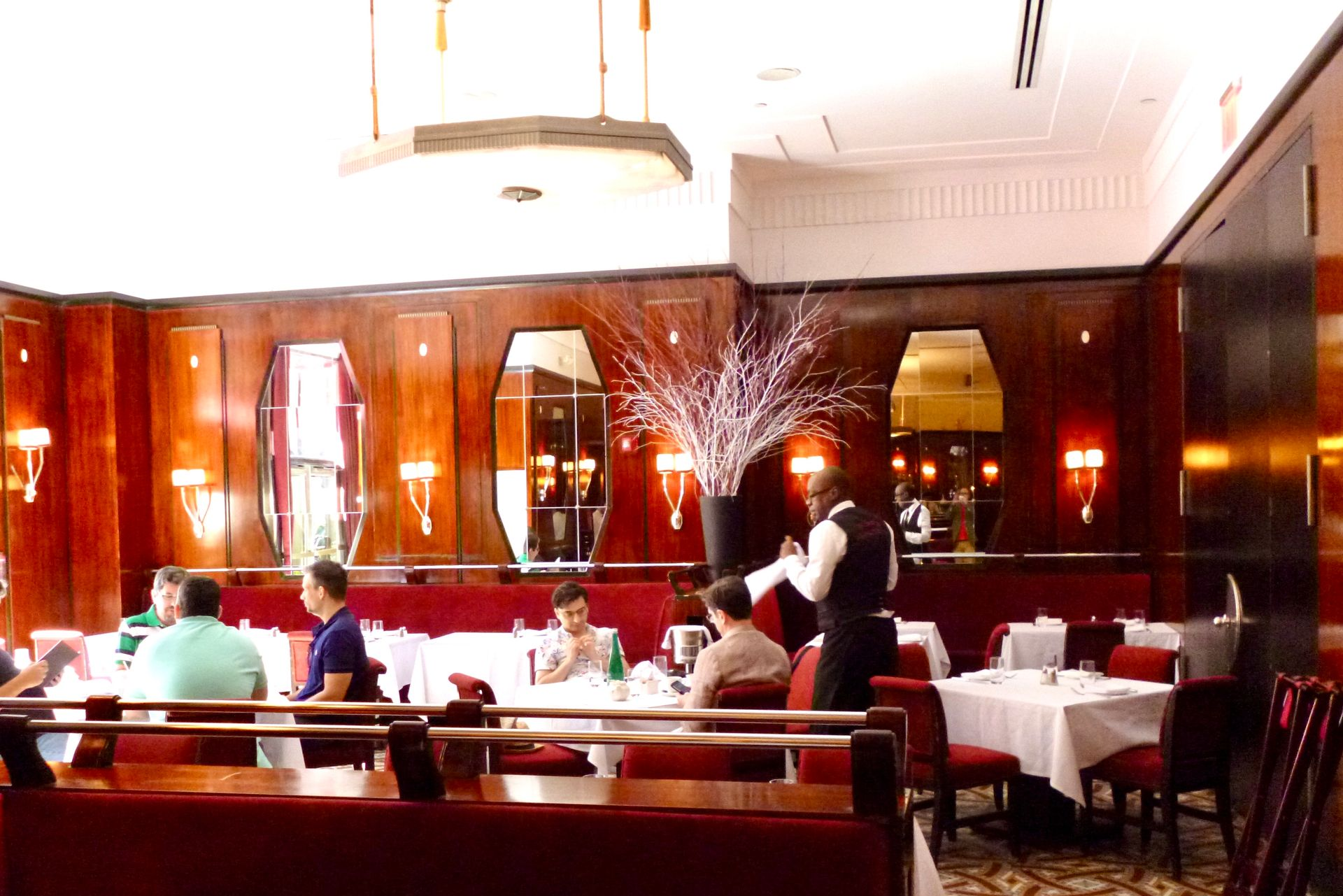
Insurance for restaurants, bars, and service-based operations.

Retail and
Commercial Properties
Protection for storefronts, inventory, and customer-related liability.
Our Approach
Insurance Made Easy to Understand
Mesa Insurance Agency provides business insurance coverage that helps protect operations, employees, and property. We work with multiple carriers to offer coverage options that support daily business activities and long-term stability.
Insurance FAQs
Helpful Answers for Florida Clients
Support you can rely on.

What makes Mesa Insurance Agency different?
We are an independent agency with access to multiple carriers. This allows us to offer flexible coverage options.
Clients work directly with licensed agents. Service continues beyond the policy start date.
Do you offer coverage for individuals and families?
Yes. We provide personal insurance for individuals and families across Florida.
Coverage includes auto, home, health, life, and flood insurance. Our team explains each option clearly.
Do you work with small and mid-sized businesses?
Yes. We work with businesses of many sizes and industries.
Our team helps identify risks and secure appropriate coverage. Ongoing service is included.
Can I make changes to my policy later?
Yes. Policies can be updated as needs change.
We assist with coverage adjustments, additions, and removals. Clients can contact us directly for help.
Is flood insurance required in Florida?
Flood insurance is not always required, but it is strongly recommended in many areas.
Standard home insurance does not cover flood damage. Our team can review your flood risk and options.
How do I contact your office?
You can contact us by phone, email, or through our website.
Our team responds promptly during business hours. Support is always available when needed.
From the Blog
Insurance Topics That Matter
Clear answers for common questions.






Client Reviews
Trusted by Clients Across Florida
Mesa Insurance Agency is proud to serve individuals and businesses throughout Florida. Clients choose us for clear communication, responsive service, and reliable insurance support. Their feedback reflects our focus on long-term relationships and consistent service.
Contact Us