A sudden change in a contractor’s schedule, a misplaced tool, or an unexpected storm can turn a routine siding installation into a costly setback. This pressing potential for unforeseen issues makes it critical for siding contractors in Florida to consider specialized insurance solutions that cater specifically to their needs. Vital coverage not only protects assets but also safeguards a contractor's long-term reputation and financial stability. For instance, rising challenges in Florida’s broader insurance market substantially affect contractors. Recent changes, such as a 42% increase in average home insurance premiums last year (Insurance Information Institute data), have led many insured parties to reassess their policies, and siding contractors are no exception.
Practice in the field shows that investing in a comprehensive policy can ultimately save time, money, and stress. As a trusted expert explaining to those new to the field, the importance of comprehensive risk management cannot be understated. Without proper coverage, even a minor mishap might escalate into significant financial losses.
Understanding the Unique Risks of Siding Installation
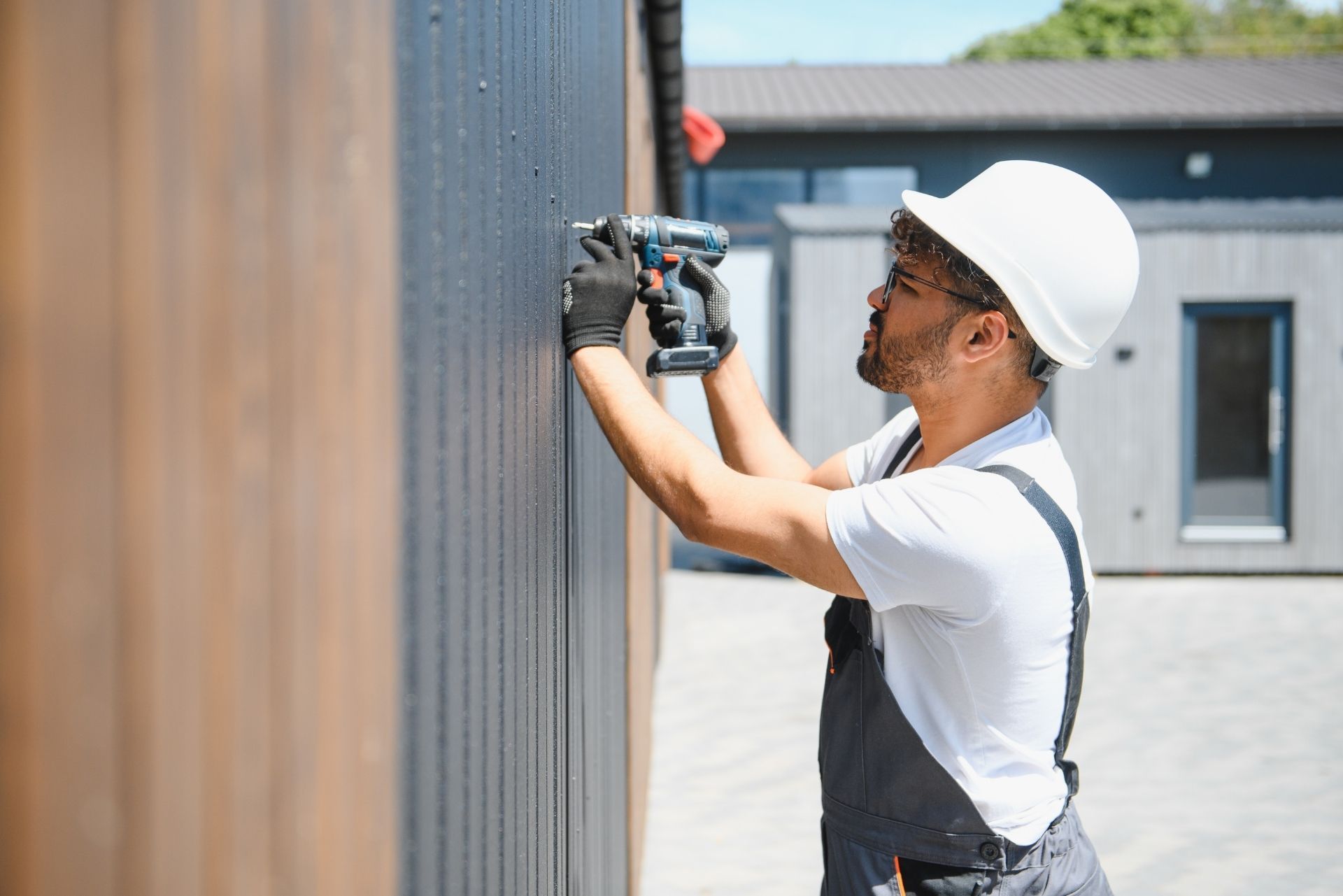
Siding contractors face a host of challenges that go beyond traditional property work. Unlike standard construction insurance, dedicated policies for siding contractors address risks such as material damage, installation errors, and even weather-related incidents. In Florida, extreme weather patterns combined with local regulatory requirements add complexity.
One major issue is the potential for damaged property or a faulty installation. In some instances, a poorly secured siding project has led to water ingress, which then spurs structural damage to a homeowner's property. This opens the door to multi-layer lawsuits and expensive corrective measures. Firm insurance coverage can mitigate these risks by covering legal fees, repair costs, and even litigation expenses.
Additionally, the nature of outdoor work increases exposure to hazards like slips, falls, or severe weather events. Given that Florida's property insurance market faced underwriting losses of around $1 billion in each of the previous two years (Insurance Information Institute report), it reinforces why siding contractors must prioritize dedicated and robust insurance solutions.
Key Coverage Options for Siding Contractors
A well-crafted insurance policy for siding installation contractors typically includes several components tailored to cover the complexities of their work. General liability coverage, property damage insurance, professional liability, and workers' compensation form the base of a comprehensive package.
General liability insurance is essential as it protects against claims of bodily injury or property damage caused by onsite accidents. Imagine a scenario where a stray nail injures a visitor; such unforeseen events can lead to expensive liability claims. A dedicated policy takes these risks into account, ensuring financial protection against potential lawsuits. With a focus on onsite safety, these coverages also provide reassurance to clients that the contractor is managing risks effectively.
Property damage protection ensures that if materials or equipment are damaged during transit or on site, the financial burden does not fall solely on the contractor’s shoulders. Coverage for professional liability is equally important; sometimes, even a small error in calculation or wrong measurements can lead to an installation error with significant consequences. Specialists in the industry argue that detailed policies help contractors avoid unplanned expenditures and maintain smooth operational flow.
Impact of Florida’s Insurance Market Trends on Contractors
Recent market shifts in Florida have affected both homeowners and service providers. Homeowners have seen a noticeable increase in premiums, with the latest figures showing a 42% jump compared to the previous year (Insurance Information Institute). As homeowners increasingly scrutinize their insurance policies, contractors face indirect pressure to inflate their own rates to stay profitable when claims arise.
The exit of major insurers like Farmers Insurance – the fourth major insurer to withdraw in 2023 (CBS News report) – adds another layer of uncertainty in the market. This event can lead to fewer competitive options for contractors and a heightened need for tailored policies that bridge these coverage gaps. As unsettling statistics and industry insights indicate, contractors need to prepare for a turbulent insurance market that could extend into the foreseeable future.
Industry experts, like Mark Friedlander of the Insurance Information Institute, emphasize that this instability makes it difficult to predict when pricing will stabilize. Contractors must, therefore, consider obtaining policies that are both flexible and comprehensive to accommodate a dynamic market environment.

Managing Legal and Financial Risks
Legal Liability Concerns
An essential aspect of insurance for siding contractors involves addressing legal liabilities. Even with the best precautions in place, accidents can occur. Contractors may face lawsuits if work leads to property damage or personal injury. For instance, when installation errors lead to water damage or structural defects, homeowners might sue for the cost of repairs and additional compensatory expenses.
Court cases surrounding construction mishaps can often involve significant legal fees and steep settlements. Proper insurance coverage helps mitigate these risks by covering legal fees, settlement amounts, and potentially other expenses related to litigation. This legal safeguard ensures that pain felt from an unexpected lawsuit does not disrupt ongoing operations or personal finances.
Recent legal trends in Florida highlight that nearly 13% of homeowners whose claims were denied pursued lawsuits against their insurance companies (National Association of Insurance Commissioners). While this figure directly relates to homeowners, it indirectly underscores the litigious environment that contractors can face should any claims of negligence arise.
Financial Exposure and Cost Containment
Besides legal liability, financial exposure is a critical concern for contractors. In an environment where $51 billion was paid out between 2017 and 2021 by insurers – with nearly 75% of that amount routed to attorney fees and public adjusters (Florida Office of Insurance Regulation) – the financial repercussions of a single claim can be enormous.
Insurance policies for contractors must provide a cushion that absorbs these costs. This includes not only compensation for direct damages but also the broader financial impact of disruptions. With such large sums involved in related litigation, contractors are often encouraged to adopt policies that exceed basic coverage thresholds.
Insightful industry opinions point to the role of fraud and reinsurance in driving up prices, with experts noting that such factors add to market volatility (Insurance Industry Expert). A strong policy provides peace of mind, ensuring that contractors can operate without the constant worry of unexpected financial burdens lurking around every corner.
Industry Best Practices for Siding Contractors
Practical experience indicates that siding contractors benefit immensely from taking proactive steps toward risk management. Establishing clear safety protocols, obtaining appropriate licenses, and ensuring that subcontractors are covered by proper bonds and insurance policies are foundational best practices.
Maintaining high standards of workmanship and clear communication with clients is also paramount. Documented agreements, thorough contracts, and regular updates can help reduce the likelihood of disputes. Equally important is clear and ongoing training with regard to safety practices and regulatory changes affecting the industry.
Contractors who remain engaged with industry networks and professional associations tend to be more current with evolving best practices and regulatory shifts. This adaptation is crucial in a climate where external factors frequently alter the landscape of risk and liability. In the past year, innovative risk reduction programs have led to improved safety ratings for many contractors, illustrating the positive impact of proactive engagement.
Choosing the Right Insurance Provider
Selecting an appropriate insurance provider is a decision that can significantly influence a contractor's operational success. Many providers offer different packages tailored to specific construction trades, and siding contractor insurance represents one of those highly specialized segments.
When evaluating providers, it is essential to assess the coverage details, claim settlement reputation, and financial stability. The market has seen turbulent shifts, with some major insurers withdrawing from the Florida market entirely. For instance, Farmers Insurance ceased offering coverage in Florida in 2023 (CBS News report), highlighting the importance of choosing a provider that remains committed to the local market.
Contractors should focus on providers that not only offer competitive rates but also demonstrate transparency and a track record of handling claims efficiently. It is helpful to seek customer testimonials and consult industry peers to gauge the overall reliability of a potential partner. Sound research and peer reviews often reveal hidden advantages that may not be immediately apparent from promotional materials alone.
Safety and compliance are integral to the success of any siding contractor. In Florida, where unpredictable weather events can significantly impact operations, rigorous adherence to safety standards is essential. Regular updates to best practices based on the latest construction trends and regulatory changes ensure that contractors meet or exceed industry requirements.
Contractors are advised to integrate innovative safety technologies such as digital monitoring systems, advanced training simulators, and real-time project management tools. These systems not only enhance productivity but also lower risks of accidents and associated insurance claims.
Compliance with workers’ compensation requirements remains a pressing concern. Recent research shows that around 60% of roofing contractors in South Florida have, at times, unlawfully neglected to provide workers' compensation insurance (South Florida Sun-Sentinel). Although this statistic specifically targets roofing contractors, similar pitfalls exist in the siding domain and call for meticulous attention to labor laws and requisite insurance procedures.
Risk Management Strategies Tailored for Contractors
Expert risk management goes well beyond purchasing insurance. For siding contractors, a layered approach often yields better results. This involves creating internal checklists, engaging in regular safety audits, and having contingency plans in place for a range of potential hazards. Insurers appreciate proactive risk mitigation strategies, which in many cases can lead to premium discounts and enhanced policy coverage.
Contractors should consider investing in regular training sessions and safety workshops to keep the team updated on new practices. Using technology to track project progress and potential risks adds an extra level of oversight. For example, integrating mobile apps to log daily safety inspections has proven useful, especially when disputes arise regarding negligence or damage.
The recent fluctuation in Florida’s insurance market, driven partly by factors like reinsurance challenges and instances of fraud (Industry Expert insights), lends credence to the need for these comprehensive risk management practices. Contractors who follow a disciplined approach in aggregating risks often find themselves with smoother claims processes and improved overall performance.
Implementing a Comparative Approach: Charting Coverage Options
A side-by-side comparison of coverage options can help siding contractors make informed decisions. The following table summarizes key components typically found in policies designed for contractors:
| Coverage Type | Key Benefits | Risk Mitigation |
|---|---|---|
| General Liability | Covers bodily injury and property damage | Helps offset lawsuit expenses and accident claims |
| Property Damage Insurance | Protects materials and equipment | Cushions financial losses due to onsite damages |
| Professional Liability | Covers mistakes in workmanship or designs for employees | Reduces risks associated with installation errors |
| Workers' Compensation | Provides coverage for on-site injuries | Ensures compliance with state and federal labor laws |
This comparison table demonstrates that the essential components of a robust insurance package address a wide array of risks. Evaluating policies using such a guide allows contractors to clearly understand where gaps might exist and which coverages are most pertinent to their specific circumstances.
The table underscores that each type of insurance is not a one-size-fits-all solution but rather a piece of an integrated strategy designed to shield a business from unexpected pitfalls. Contractors who make use of these clear comparisons are often better positioned to negotiate favorable terms with their providers.
No matter how comprehensive an insurance policy, mishaps and errors might eventually lead to filing a claim. For siding contractors, understanding the claims process is fundamental, so that when incidents occur, steps can be taken swiftly to avoid escalating costs.
A well-documented record of materials used, installation methods, onsite conditions, and communications with clients is invaluable during the claims process. Such records can help substantiate the contractor’s claim and ensure smoother settlements. This level of diligence often distinguishes seasoned professionals from newcomers whose documentation practices might be less rigorous.
Claims can become particularly contentious in Florida’s litigious climate. With nearly 13% of homeowners who had claims denied choosing to file lawsuits against their insurance companies (NAIC data), it is imperative for contractors to maintain clarity and precision in every step of the process. A trusted insurer and thorough documentation help ensure that claims are processed efficiently, minimizing downtime and financial disruption.
Practical Advice for Siding Contractors
Several practical strategies can help siding contractors manage risks effectively and reduce the likelihood of costly claims. Staying current with industry practices and new construction technologies not only enhances safety but also demonstrates a commitment to quality essential for winning contracts and client trust.
Investing in ongoing training sessions will help teams deal with equipment safely and follow best practices in all aspects of the installation process. Contractors should also conduct regular internal audits and work with independent inspectors to verify that safety standards are consistently met.
Transparency is another key element. Open communication with clients about project risks, timeline adjustments, and insurance details builds trust and helps manage expectations if an incident occurs. In addition, clear contractual agreements that specify the limits of each party’s liability can help mitigate misunderstandings in the event of a claim.
Adapting to Future Market Changes
The insurance landscape in Florida remains fluid, with market forces and regulatory challenges continuously reshaping coverage options and premiums. Contractors must be prepared to adapt by partnering with insurers who have a firm understanding of local challenges and committed to remaining in the market despite volatility.
Emerging trends include a noticeable focus on digitally-enabled claims processes, enhanced underwriting procedures, and the adoption of technology-driven risk assessment tools. Contractors who maintain flexibility in their policies and cultivate good relationships with their providers often fare better when market adjustments occur.
Industry leaders like Mark Friedlander have noted the unpredictability of a stable market; his observations alert contractors to the importance of securing policies that can adapt to unforeseen changes (Insurance Information Institute). This proactive approach may ultimately save substantial amounts in reinsurance costs and claim-related expenses.
Frequently Asked Questions
Q: What makes siding contractor insurance different from general contractor insurance?
A: Siding contractor insurance is tailored to cover risks specific to the siding installation process, focusing on issues like material damage, installation errors, and liability related to outdoor work.
Q: What type of coverage is essential for a siding contractor in Florida?
A: A comprehensive policy typically includes general liability, professional liability, property damage coverage, and workers’ compensation which together cover a wide range of potential risks.
Q: How can contractors reduce their insurance costs?
A: Maintaining rigorous safety protocols, investing in professional training, and keeping detailed documentation of daily operations can help reduce risk and lead to lower premiums.
Q: Why are insurance premiums rising so quickly in Florida?
A: Rising premiums are driven by market instability, increased claims, high litigation costs, and exit of major insurers from the market, making risk management even more critical ().
Q: How do claims typically affect a siding contractor’s business?
A: An efficient claims process, supported by strong documentation, prevents operational downtime and minimizes financial disruption, helping contractors quickly resume work after an incident.
Wrapping Things Up
Florida siding contractors must navigate a complex intersection of installation-specific risks and an unpredictable insurance market. With rising premiums and frequent shifts in provider participation, selecting a policy that understands the unique hazards of this trade is indispensable.
A detailed and comparative approach to coverage selection, backed by an understanding of legal liability and financial exposure, can empower contractors to drive their businesses forward with confidence. Engaging with industry experts, utilizing comparative charts, and remaining proactive in risk management helps create a resilient strategy tailored to ongoing market changes.
Contractors who take the time to analyze their unique risks and partner with knowledgeable insurers likely enjoy both peace of mind and the protection needed to thrive in this challenging environment. As the insurance market continues to evolve, the right balance of comprehensive coverage and proactive risk reduction remains the key to long-term business success (NAIC statistics).
For IT service providers in Florida, understanding the distinctions between different coverage options can significantly enhance decision-making. The table below provides an overview of common policy features relevant to IT service operations:
ABOUT THE AUTHOR: PAUL RAMENTOL
I am the Owner and President of Mesa Insurance Agency. I help individuals and business owners across Florida secure personal and business insurance coverage that supports their needs. My focus is on clear guidance, direct communication, and long-term support without call-center delays or confusion.
Contact Us

Personal Coverage Options
Insurance Built for Everyday Protection
Mesa Insurance Agency provides personal insurance coverage designed to support daily life. Our team reviews risks and coverage needs to help clients secure dependable protection at fair rates.
Dental & Vision Insurance
Coverage that helps manage routine dental and vision care costs.

Business Coverage Options
Insurance Built for Business Protection
Mesa Insurance Agency provides business insurance coverage that helps protect operations, employees, and property. We work with multiple carriers to offer coverage options that support daily business activities and long-term stability.
Commercial Auto Insurance
Coverage for business-owned vehicles, drivers, and accident-related liability exposure.
General Liability Insurance
Protection against third-party injury, property damage, and common business liability risks.
Professional Liability Insurance
Coverage for claims related to professional services, advice, or service errors.
Workers’ Compensation Insurance
Coverage that helps support employees with work-related injuries and medical costs.
Commercial Property Insurance
Protection for buildings, equipment, inventory, and physical business assets.
Errors & Omissions Insurance
Coverage for financial losses caused by mistakes, omissions, or service-related claims.
Industries We Serve
Serving Businesses Across Multiple Sectors
Mesa Insurance Agency works with business owners across Florida to provide insurance coverage that supports daily operations. We understand common risks faced by different industries and help clients secure reliable protection.

Construction and Trades Insurance
Coverage for job sites, vehicles, tools, and workplace risks.

Hospitality Businesses Insurance
Insurance for restaurants, bars, and service-based operations.

Retail and
Commercial Properties
Protection for storefronts, inventory, and customer-related liability.
Our Approach
Insurance Made Easy to Understand
Mesa Insurance Agency provides business insurance coverage that helps protect operations, employees, and property. We work with multiple carriers to offer coverage options that support daily business activities and long-term stability.
Insurance FAQs
Helpful Answers for Florida Clients
Support you can rely on.

What makes Mesa Insurance Agency different?
We are an independent agency with access to multiple carriers. This allows us to offer flexible coverage options.
Clients work directly with licensed agents. Service continues beyond the policy start date.
Do you offer coverage for individuals and families?
Yes. We provide personal insurance for individuals and families across Florida.
Coverage includes auto, home, health, life, and flood insurance. Our team explains each option clearly.
Do you work with small and mid-sized businesses?
Yes. We work with businesses of many sizes and industries.
Our team helps identify risks and secure appropriate coverage. Ongoing service is included.
Can I make changes to my policy later?
Yes. Policies can be updated as needs change.
We assist with coverage adjustments, additions, and removals. Clients can contact us directly for help.
Is flood insurance required in Florida?
Flood insurance is not always required, but it is strongly recommended in many areas.
Standard home insurance does not cover flood damage. Our team can review your flood risk and options.
How do I contact your office?
You can contact us by phone, email, or through our website.
Our team responds promptly during business hours. Support is always available when needed.
From the Blog
Insurance Topics That Matter
Clear answers for common questions.







Client Reviews
Trusted by Clients Across Florida
Mesa Insurance Agency is proud to serve individuals and businesses throughout Florida. Clients choose us for clear communication, responsive service, and reliable insurance support. Their feedback reflects our focus on long-term relationships and consistent service.
Contact Us