A malfunctioning machine or an unexpected workplace incident can turn a busy morning into hours of downtime, costing manufacturers more than just lost productivity. Insurance tailored for the tool and die manufacturing sector helps mitigate risks, protect assets, and ensure companies bounce back quickly from setbacks. This guide explores the dynamics of the industry in Florida, highlights emerging trends, and offers practical advice on selecting appropriate insurance coverage. Check out insights from Florida’s latest industry reports by visiting Florida's 2023 Manufacturing Report.
Insurance solutions can vary widely for tool and die manufacturers. From equipment breakdowns to liability issues, every facet of operations presents risks that need specific coverage. Florida’s manufacturing landscape has evolved, with the sector contributing about 5.4% to the state’s GDP in 2022 (Florida's 2023 Manufacturing Report). The growth and diversification of manufacturing businesses in the state underline the importance of finely tuned insurance products.
Understanding the specifics of this insurance market begins with recognizing the unique aspects of Florida’s manufacturing industry. With over 422,800 workers employed in September 2023 (Florida’s 2023 Manufacturing Report), it is clear that Florida is a significant hub in the country. The relatively high average annual wage for manufacturing workers, recorded at $74,647 in 2023, reinforces that this sector demands specialized financial safeguards.
Understanding the Tool & Die Manufacturing Industry in Florida
Tool and die manufacturers play a critical role in the production chain. Their work on precision tools and vital components supports wider manufacturing processes in sectors such as automotive, aerospace, and electronics. Florida’s manufacturing environment is unique, with a mix of small operations employing fewer than 20 workers alongside larger companies. This broken-down structure is important when considering tailored insurance products, as each operation’s risk profile may differ.
In Q3 2024, about 86 private business establishments were recorded in Florida's machine tool manufacturing industry (U.S. Bureau of Labor Statistics). These numbers indicate a stable, specialized market where even smaller companies benefit from policies that bridge gaps between general manufacturing and highly specialized risk areas. With most companies servicing the industry having a modest number of employees, personalized and scalable insurance policies become more critical.
The complexity of producing precision parts requires more than just basic coverage. Manufacturers face risks associated with both their machinery and human operations. Equipment breakdown, liability for defects, and workplace injuries are among the risks that necessitate a comprehensive insurance approach. This tailored insurance support is especially critical given that the tool and die manufacturing sector can be susceptible to financial volatility arising from high-tech equipment and fluctuating demand cycles.
Essential Insurance Coverage for Tool & Die Manufacturers
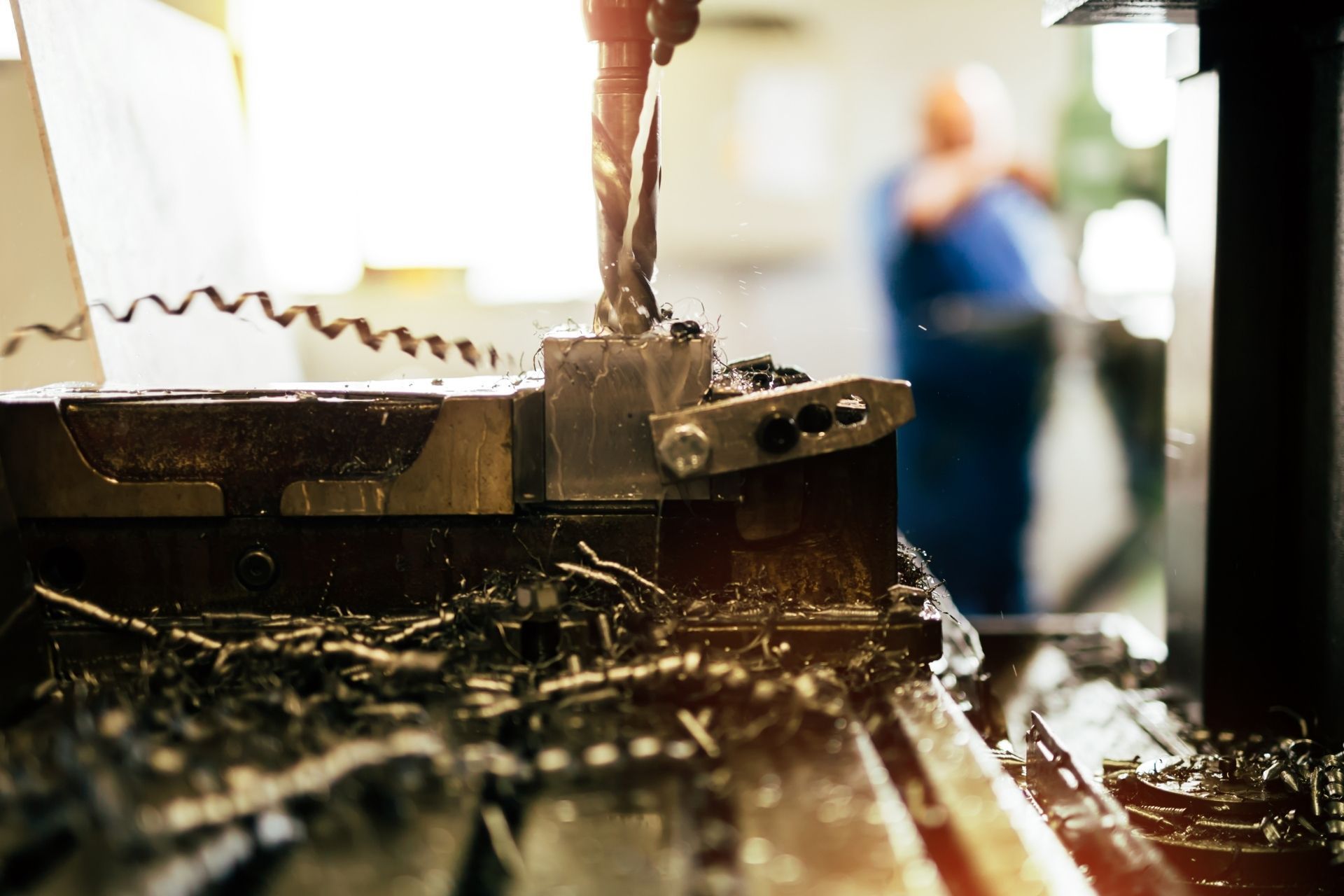
An effective insurance package for tool and die manufacturers begins with a clear understanding of the operational risks. Policies often include general liability, equipment breakdown, and property insurance as core elements. These components help address the immediate safety and financial concerns stemming from equipment malfunctions or employee-related incidents.
General liability insurance covers third-party claims resulting from accidents or product defects, a key inclusion given the precision nature of tool and die manufacturing. Equipment breakdown insurance, on the other hand, typically covers repairs or replacement of highly specialized machinery. As Florida’s manufacturing GDP saw a substantial growth-from $43.5 billion in 2014 to $73 billion in 2022 (Florida's 2023 Manufacturing Report)-the magnitude of operations emphasizes the need for rigorous equipment insurance.
For many tool and die manufacturers, additional coverage might be necessary. Business interruption insurance ensures that if operations come to a halt due to unforeseen events, the manufacturer can sustain financial loss during the downtime. Workers’ compensation, tailored to cover injuries that occur amidst the complexity of manufacturing work, is another essential coverage area. Selecting the right combination of policies involves a detailed risk assessment and a keen understanding of industry-specific vulnerabilities.
Key Risks in Tool & Die Manufacturing and How Insurance Mitigates Them
While the precision in tool and die manufacturing is a competitive advantage, it also introduces significant risk factors. The most common risks include machinery breakdown, disruptions caused by supply chain issues, and potential workplace injuries. Each of these risks requires its dedicated insurance strategy. A significant number of manufacturers in Florida, where over 80% of manufacturers have 20 or fewer employees (FloridaMakes), often seek customization in coverage to avoid paying for unnecessary extras.
Equipment failures account for a large share of unexpected downtime. A single malfunction in a critical tool can delay production orders and result in cascading supply chain disruptions. Tool and die manufacturers invest heavily in high-precision equipment, which means that even a minor malfunction can trigger multimillion-dollar losses in production. Insurance designed expressly for tool and die operations typically includes rapid-response repair services or even immediate equipment replacement under certain conditions.
Workplace safety is another key concern. Given that tool and die manufacturing typically involves both heavy machinery and fine precision work, even minor safety lapses can lead to severe injuries. Policies like workers’ compensation not only secure the well-being of the workforce but also relieve companies from unmanageable claims that may arise from accidents. The tailored insurance approaches in Florida take these risks seriously, ensuring that manufacturers receive extensive coverage results.
Financial Impact of Manufacturing Trends in Florida
Manufacturing in Florida has been on a growth path. Employment in the manufacturing sector rose by 10% between 2019 and 2023, adding more than 36,000 new jobs (Axios). This surge not only demonstrates a healthy expansion but also fuels the demand for comprehensive insurance policies that address a broader range of risks.
A key statistic from the state’s manufacturing report is the fact that durable goods manufacturing constitutes 68.8% of Florida’s manufacturing employment, whereas nondurable goods make up the remaining 31.2% (Florida Department of Economic Opportunity). These figures underline the importance for tool and die manufacturers to consider policies that cater specifically to durable goods production, where the stakes associated with equipment damage or production halts are particularly high.
The financial aspects do not stop at production. The average annual wage for manufacturing workers in Florida being 17% higher than the state’s average (Florida's 2023 Manufacturing Report) translates into increased payroll liabilities. Insurance policies must provide adequate coverage that reflects these higher operational costs and ensures workforce protection in the event of workplace injuries or other unforeseen incidents.
Evaluating Insurance Providers and Policy Options
Choosing the right insurance provider goes beyond comparing premium rates. Industry experience with tool and die manufacturing is crucial. Providers with a strong track record in servicing manufacturing operations can offer insight into nuanced policy coverage, claim management, and risk evaluation. Vendors should offer flexible options that adapt to the changing dynamics of tool and die operations in Florida.
Many insurance providers offer bundled packages that combine general liability, property, and workers’ compensation policies. This is particularly appealing for small-to-medium-sized manufacturers, many of whom operate with fewer than 20 employees. Bundling can lead to reduced overall costs and streamlined claims processing-a vital advantage during times of operational stress.
When evaluating policy options, manufacturers should assess additional coverage features. Business interruption insurance is often a recommended add-on, covering the loss of income associated with unexpected shutdowns or delays. Additionally, coverage for cyber risks is gaining prominence as manufacturers increasingly rely on networked systems for managing production lines and inventory. While the specifics of cyber insurance are evolving, its inclusion in broader packages ensures that recent technological developments and vulnerabilities are addressed.
Industry-Specific Trends Impacting Insurance Needs
The tool and die manufacturing industry in Florida is evolving rapidly, influenced by technological advancements and a growing skilled labor pool. One striking trend is the projected annual addition of 100 new tool and die maker positions, marking a 9.7% growth rate (Trade College). This growth is set to drive increased specialization in the manufacturing workforce, ultimately calling for insurance policies that accommodate a more dynamic and skilled labor segment.
Technological innovation in equipment and production processes also means that policies must stay current with the risks associated with new machinery and digital integrations. As machines become smarter and more interconnected, the potential for costly breakdowns increases. At the same time, enhanced data security against cyber threats becomes an integral part of any robust insurance policy. Manufacturers need policies that not only cover the physical and operational aspects but also the digital, reflecting the merging of two traditionally separate risk sectors.
Beyond technology, Florida's manufacturing landscape is marked by strong GDP growth. The sector contributed approximately 5.4% to the state’s GDP in 2022 (Florida's 2023 Manufacturing Report), which underscores the economic significance of manufacturing. When crafting insurance policies, providers must ensure that the financial ramifications of operational disruptions are fully covered, aligning policy features with the financial scale and complexity of progressive manufacturing economies.
The cost of insurance coverage for tool and die manufacturers in Florida is influenced by many factors, including the size of the company, the number of employees, and the value of machinery and equipment. Premium rates tend to reflect the inherent risks associated with the high precision and high-cost environment in which these manufacturers operate. For many companies, the potential cost of a claim far outweighs the annual premium, making it a worthwhile expense in the long run.
Small manufacturers, which represent a large portion of the industry (around 80% with 20 or fewer employees as indicated by FloridaMakes), often benefit from premium discounts provided by bundling policies. Providers experienced in the manufacturing sector understand the seasonal fluctuations and project-based risks inherent to tool and die production, adjusting coverage options accordingly.
Manufacturers should also consider their risk management practices. Investments in modern safety equipment, regular maintenance schedules, and employee training can all lead to lower overall premiums. Standard practices such as these are typically factored into the underwriting process, potentially reducing insurance costs. In tight-margin industries such as manufacturing, every advantage matters.
Risk Management and Best Practices for Tool & Die Manufacturers
Good risk management practices can reduce both the frequency and severity of potential claims. Manufacturers are increasingly turning to technology-driven safety solutions to safeguard their workplaces. These enhancements can range from automated monitoring systems to advanced personal protective equipment that minimizes injury risks even in fast-paced production environments.
Regular equipment inspections and preventive maintenance programs are essential components of reducing downtime. By ensuring that tools and machinery operate at peak performance, manufacturers not only avoid costly repairs but also demonstrate to insurers a proactive approach toward risk management. This often results in favorable adjustments in premium rates.
Employee training programs are also vital. Demonstrating that workers are well-versed in safety procedures, and that ongoing training is provided, reassures insurance providers that a manufacturing operation is committed to reducing workplace incidents. These factors become part of the overall strategy when negotiating policy terms with insurers, reflecting a commitment to both quality production and worker safety.
Customized Insurance Solutions: Why One Size Does Not Fit All
Tool and die manufacturers often require insurance products designed specifically for their operational niche. The uniqueness of each manufacturing operation means generic policies may fall short of covering all potential risk exposures. Custom coverage solutions, tailored to specific manufacturing processes and equipment investments, are best practice. This ensures that gaps in coverage are minimized and that each facet of the operation is considered.
For instance, a facility that operates primarily with automated cutting tools may face different challenges compared to one that relies heavily on manually operated machines. The insurance products for the two setups would differ. The first might need more comprehensive equipment breakdown coverage combined with timely repair services, while the latter could place a greater emphasis on injury protection and liability coverage. Crafting a policy that pinpoints these operational differences is key to optimal protection.
Insurance advisors specializing in manufacturing can offer detailed risk assessments and customize policies accordingly. This personalized approach not only provides enhanced coverage but also helps manufacturers manage their risks more effectively. Such collaboration ensures that every aspect of production-from machinery investments to employee safety-is covered under the insurance umbrella.
The Role of Economic Trends in Shaping Insurance Needs
The economic climate in Florida plays a critical role in shaping insurance needs for tool and die manufacturers. With the manufacturing sector experiencing consistent job growth-over 427,000 workers were employed as of 2024 (FloridaMakes)-the scale and complexity of manufacturing operations continue to expand. This incremental growth pushes insurers to continuously adapt their policy structures and coverage limits.
The economic contribution of the manufacturing sector, which not only supports jobs but also contributes significantly to state GDP, intensifies the need for stability and comprehensive coverage. The growth trajectory observed in Florida-from modest beginnings to a robust, multi-billion-dollar industry-has resulted in higher average wages and more significant financial stakes overall. This trend compels both manufacturers and insurers to pay close attention to business interruption coverage, liability limits, and the rapid response capabilities embedded in modern insurance policies.
Economic trends also impact the cost structures of insurance premiums. As companies scale and invest in advanced production methods, the overall risk exposure adjusts. Federal and state economic policies, global supply chain challenges, and local market dynamics all feed into the ultimate cost and form of insurance policies available. This interplay is a vital consideration for tool and die manufacturers looking to secure comprehensive protection while maintaining cost efficiency.
Preparing for the Future of Tool & Die Manufacturing
Looking ahead, Florida's tool and die manufacturing industry is poised for continued growth and technological innovation. With projections indicating the addition of 100 new tool and die maker positions annually and a 9.7% job growth rate (Trade College), manufacturers must prepare for a future where the integration of smart technologies into production lines becomes routine.
The increasing sophistication of production technologies brings with it new risk paradigms. Cyber threats, data breaches, and system failures require insurance products to evolve past traditional physical and liability coverage. Manufacturers today are investing in technology that can monitor equipment health, optimize production cycles, and enhance overall safety. As these systems grow more complex, insurance providers must adjust policy features to account for cyber vulnerabilities and data protection requirements.
Looking further forward, a solid foundation in risk management and planning is essential. Manufacturers who invest in cutting-edge technology, training programs, and comprehensive insurance coverage not only build resilience against unforeseen incidents but also position themselves for sustained success in a competitive market. Adjustments in insurance policies will mirror these technological shifts, ensuring that coverage gaps do not open as production processes become more digitized.
Frequently Asked Questions
What types of insurance are essential for tool and die manufacturers?
General liability, equipment breakdown, property insurance, and workers’ compensation are typically considered essential. Many manufacturers also add business interruption and cyber risk insurance depending on their operational complexity.
How does Florida’s economic growth impact insurance needs?
With growing employment and increased GDP contribution from the manufacturing sector, there is a higher value at risk. This means that policies must offer higher limits and broader coverage, reflecting the financial stakes involved.
Do small tool and die manufacturers require different insurance policies than larger operations?
Yes. Smaller companies, often with fewer than 20 employees, typically benefit from scalable and customizable insurance policies that address their specific operations without including unnecessary extras.
How can manufacturers reduce their insurance premiums?
Implementing strong risk management practices such as regular equipment inspections, preventive maintenance programs, and comprehensive employee training can help lower premiums by reducing overall risk exposure.
What should manufacturers consider when selecting an insurance provider?
Manufacturers should evaluate providers based on industry expertise, the ability to offer customized policies, flexible bundling options, and strong customer service for claims management.
Wrapping Things Up: Building a Resilient Future with the Right Coverage
The right insurance coverage enables tool and die manufacturers in Florida to safeguard their investments, protect employees, and maintain steady operations through challenging times. As the industry continues to grow, the convergence of technological innovation and rigorous safety practices will redefine the risks-and policy requirements-that these manufacturers face. The steady increase in manufacturing employment by over 10% from 2019 to 2023 (Axios) is one indicator of the sector’s vitality, but it also signals the need for robust risk management.
Insurance is not just a safety net-it’s a strategic partner. In a sector where a single machine failure or workplace accident can ripple through an entire supply chain, the right coverage means business continuity even in adverse circumstances. Comprehensive policies are built on an in-depth understanding of the operational challenges faced by manufacturers, from equipment failure to liability claims, and offer a financially viable solution to manage risks.
Florida’s tool and die manufacturing industry has made significant strides over recent years. With long-term growth propelled by economic indicators, employment increases, and technological advances, the importance of targeted insurance cannot be overstated. Manufacturers who proactively evaluate their insurance options and embrace tailored policies position themselves for future success while mitigating risks that could be costly. In an industry built on precision and innovation, every detail counts, and the right insurance can be the most valuable component of a resilient business strategy.
Looking Ahead: Adapting to Change in Florida’s Manufacturing Landscape
As the manufacturing landscape continues to evolve in Florida, it is crucial for manufacturers to keep abreast of the latest trends and regulatory changes that might impact their insurance needs. The steady increase in new positions and evolving technological tools mean that the industry is moving quickly. Operators must revisit their insurance policies periodically, ensuring that the coverage stays relevant and cost-effective.
Adopting cutting-edge risk management techniques and embracing ongoing training for staff is crucial when new technologies and evolving operational structures come into play. For instance, with durable goods comprising nearly 70% of production in Florida’s manufacturing sector (Florida Department of Economic Opportunity), the ramifications of production halts or equipment malfunctions are significant. Manufacturers who invest in redundancy systems and up-to-date safety protocols also find they can secure better terms when negotiating additional policy features.
Finally, staying connected with industry associations and expert advisors allows manufacturers to monitor regulatory changes and evolving risk profiles. These insights help build robust insurance policies that match both current operational needs and future projections. As companies expand and operations become more sophisticated, having adaptable and comprehensive coverage helps maintain continuity in an increasingly complex manufacturing environment.
This guide underscores the importance of insurance as a crucial part of business strategy for Florida tool and die manufacturers. As changes ripple through the industry, manufacturers will need to balance innovation with prudence, ensuring they have the resources to recover from setbacks and continue to thrive, protecting both their workforce and their bottom line.
ABOUT THE AUTHOR: PAUL RAMENTOL
I am the Owner and President of Mesa Insurance Agency. I help individuals and business owners across Florida secure personal and business insurance coverage that supports their needs. My focus is on clear guidance, direct communication, and long-term support without call-center delays or confusion.
Contact Us

Personal Coverage Options
Insurance Built for Everyday Protection
Mesa Insurance Agency provides personal insurance coverage designed to support daily life. Our team reviews risks and coverage needs to help clients secure dependable protection at fair rates.
Dental & Vision Insurance
Coverage that helps manage routine dental and vision care costs.

Business Coverage Options
Insurance Built for Business Protection
Mesa Insurance Agency provides business insurance coverage that helps protect operations, employees, and property. We work with multiple carriers to offer coverage options that support daily business activities and long-term stability.
Commercial Auto Insurance
Coverage for business-owned vehicles, drivers, and accident-related liability exposure.
General Liability Insurance
Protection against third-party injury, property damage, and common business liability risks.
Professional Liability Insurance
Coverage for claims related to professional services, advice, or service errors.
Workers’ Compensation Insurance
Coverage that helps support employees with work-related injuries and medical costs.
Commercial Property Insurance
Protection for buildings, equipment, inventory, and physical business assets.
Errors & Omissions Insurance
Coverage for financial losses caused by mistakes, omissions, or service-related claims.
Industries We Serve
Serving Businesses Across Multiple Sectors
Mesa Insurance Agency works with business owners across Florida to provide insurance coverage that supports daily operations. We understand common risks faced by different industries and help clients secure reliable protection.

Construction and Trades Insurance
Coverage for job sites, vehicles, tools, and workplace risks.

Hospitality Businesses Insurance
Insurance for restaurants, bars, and service-based operations.

Retail and
Commercial Properties
Protection for storefronts, inventory, and customer-related liability.
Our Approach
Insurance Made Easy to Understand
Mesa Insurance Agency provides business insurance coverage that helps protect operations, employees, and property. We work with multiple carriers to offer coverage options that support daily business activities and long-term stability.
Insurance FAQs
Helpful Answers for Florida Clients
Support you can rely on.

What makes Mesa Insurance Agency different?
We are an independent agency with access to multiple carriers. This allows us to offer flexible coverage options.
Clients work directly with licensed agents. Service continues beyond the policy start date.
Do you offer coverage for individuals and families?
Yes. We provide personal insurance for individuals and families across Florida.
Coverage includes auto, home, health, life, and flood insurance. Our team explains each option clearly.
Do you work with small and mid-sized businesses?
Yes. We work with businesses of many sizes and industries.
Our team helps identify risks and secure appropriate coverage. Ongoing service is included.
Can I make changes to my policy later?
Yes. Policies can be updated as needs change.
We assist with coverage adjustments, additions, and removals. Clients can contact us directly for help.
Is flood insurance required in Florida?
Flood insurance is not always required, but it is strongly recommended in many areas.
Standard home insurance does not cover flood damage. Our team can review your flood risk and options.
How do I contact your office?
You can contact us by phone, email, or through our website.
Our team responds promptly during business hours. Support is always available when needed.
From the Blog
Insurance Topics That Matter
Clear answers for common questions.







Client Reviews
Trusted by Clients Across Florida
Mesa Insurance Agency is proud to serve individuals and businesses throughout Florida. Clients choose us for clear communication, responsive service, and reliable insurance support. Their feedback reflects our focus on long-term relationships and consistent service.
Contact Us