A recent study on energy consumption in American homes reveals that heating and cooling systems account for a significant portion of energy usage. For insulation contractors in Florida, ensuring the proper structure and energy efficiency of buildings is not only about meeting customer expectations but also about mitigating risks and reducing energy costs. With the state's dynamic insurance landscape and evolving building practices, staying ahead with the right insurance policies has become essential. Insights from industry experts and current market trends provide valuable guidance for contractors navigating this complex field. For instance, heating and cooling systems may represent up to 70% of a home's energy consumption, making advanced insulation an unavoidable topic in every contractor’s discussion about risk management according to a recent study.
Understanding the interplay between insurance coverage and insulation effectiveness is critical for small business owners and contractors. The combination of energy savings, reduced claims, and heightened safety standards underscores the necessity of keeping coverage up to date. Florida's unique weather conditions and the evolving legal landscape mean that every insulation project brings inherent challenges and opportunities.
This article digs deep into the specifics of Florida insulation contractor insurance, aiming to educate and empower professionals on risk management, coverage options, and effective ways to safeguard their business.
The Importance of Insurance for Insulation Contractors in Florida
Florida's construction landscape is as challenging as it is diverse. Contractors specializing in insulation work face numerous hazards, ranging from weather-related damages to property claim disputes. With hurricanes being a perpetual risk, the premium for a proper insurance policy becomes more than just an extra expense – it is a crucial investment in the long-term resilience of any business. Insulation contractors often serve clients whose homes may be under-insulated in critical areas, and failing to meet the high standards of modern energy regulations can drive liabilities higher.
In a competitive market where 90% of U.S. single-family homes are estimated to be under-insulated by current standards according to industry experts, the emphasis on quality workmanship doubles as a risk management strategy. Therefore, pairing technical expertise with the right insurance coverage ensures a contractor's work remains valued and protected, even amid unforeseen claims.
Florida insurance requirements and changing regulations mean that contractors must be proactive in seeking coverage that not only meets minimum requirements but also addresses the gaps often left by standard policies. Insurance plans tailored for these professionals are designed to offer comprehensive support when claims arise from property damage, litigation, or work-related accidents. This proactive risk management approach reassures clients, builds reputational strength, and ultimately leads to a more secure business operation.

Understanding the Florida Insurance Market and Its Trends
Florida's insurance market has experienced significant shifts over the past decade. The sheer number of active home insurance policies has seen a dramatic drop, while some entities refuse to scale down on coverage. An industry report noted a steep decline from 3.2 million active home insurance policies in 2014 to merely 710,000 in 2024 according to recent research. This landscape poses unique challenges and opportunities for insulation contractors, who must not only deal with construction risks but also with evolving insurance dynamics.
The market is gradually stabilizing after years of uncertainty. Florida Insurance Commissioner Mike Yaworsky recently noted that the insurance market is recovering, with more companies stepping in to offer coverage options. This emerging stability creates a more favorable environment for professionals looking to secure comprehensive policies that cover a range of potential risks. With more competition in the insurance sector, innovative policies with added benefits are gradually becoming available.
Contractors should remain informed about these changes. By staying abreast of market trends and regulatory reforms, they can negotiate better insurance terms and improve their risk management strategies. Coupled with energy-efficient practices, a well-chosen insurance policy becomes a cornerstone of a resilient and forward-thinking business model.
Key Considerations for Insulation Contractor Coverage
When selecting an insurance policy specific to the insulation industry, several critical factors come into play. Contractors must evaluate the coverage options based on both the scale of their projects and the unique risks associated with the work. Whether it's claims arising from property damage due to improperly installed insulation or hazards during on-site construction, the policy should leave little room for gaps. It is essential to ensure that policy limits are adequate and that all aspects of the job are covered under a single, comprehensive plan.
Some of the key coverage considerations include general liability, professional liability, and workers' compensation. For example, a general liability policy will cover property damage claims arising when a contractor's work inadvertently causes harm or loss to the client's property. Additionally, professional liability helps protect contractors against claims of negligence and failure to deliver precise and adequate insulation services. Given that recent research highlights the significant cost impact stemming from heating and cooling inefficiencies, a well-rounded insurance package might help cover the multi-faceted risks in this industry as noted by insurance experts in Florida.
Insulation contractors should also consider policies that include endorsements for additional perils. For instance, hurricane and windstorm endorsements are critical in Florida due to the state's susceptibility to extreme weather events. A policy that offers a clause for handling claims associated with natural disasters can make a noticeable difference when handling large claims after a hurricane. Balancing costs with adequate protection is vital in a market where legislators have recently influenced premium increases substantially downwards, making workable policies more affordable
according to recent insurance reports.
Energy Efficiency and Insulation: A Cost-Saving Measure
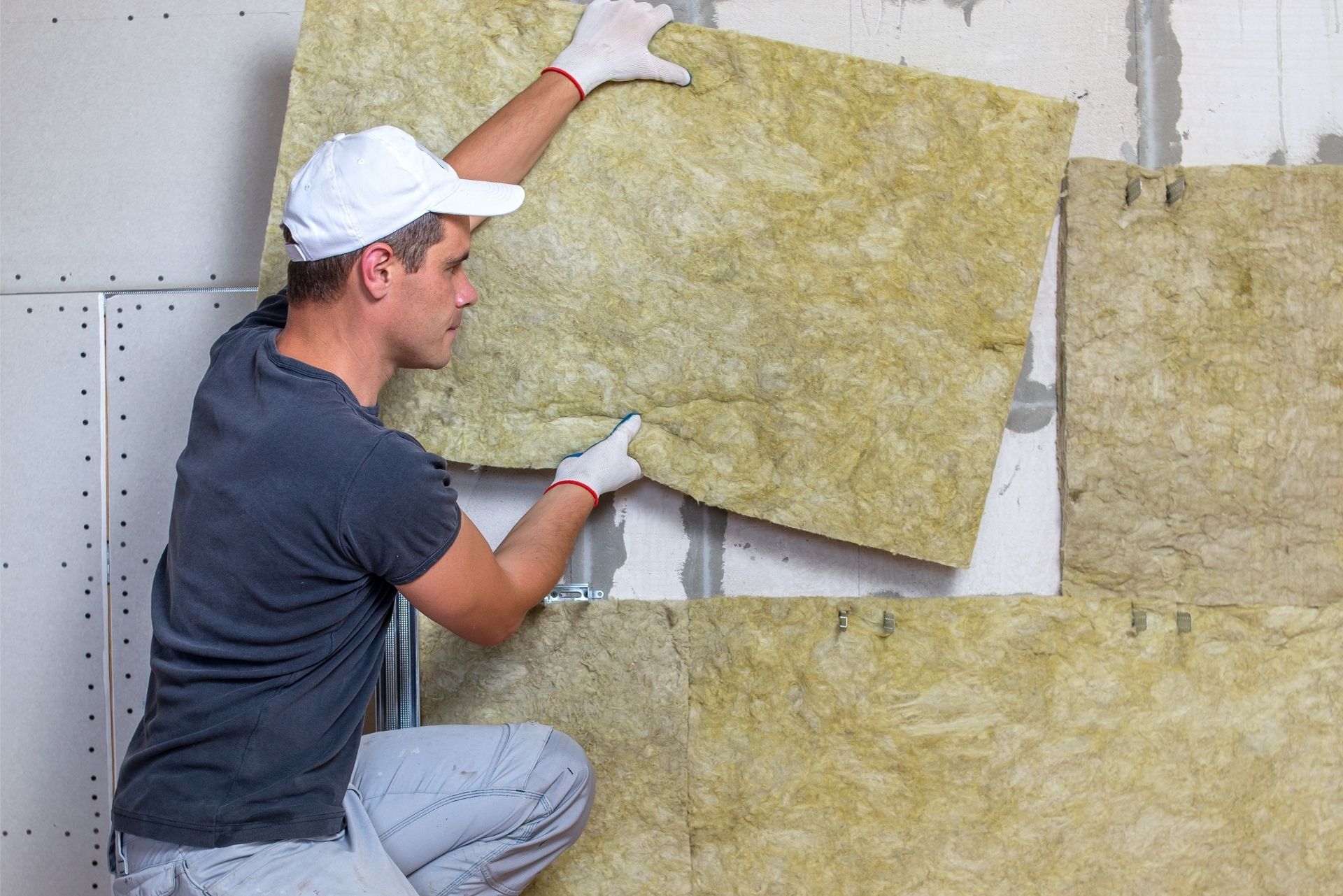
Contractors are tasked with the dual responsibility of ensuring client satisfaction and meeting energy efficiency standards. Studies have revealed that proper insulation, when combined with effective air sealing, can reduce cooling energy use by as much as 20-30% according to research by the Florida Solar Energy Center. This reduction in energy consumption not only translates into immediate cost savings for homeowners, but also enhances the appeal of well-executed insulation projects.
Reduced energy consumption means homeowners experience lower utility bills, while contractors benefit from heightened client satisfaction and reduced instances of warranty claims related to energy inefficiency. This aspect of insulation work highlights the interconnected nature of technical expertise and post-installation support. A greater focus on energy efficiency can also drive down potential liability claims, as properly insulated homes are less likely to experience damages resulting from heating or cooling system failures.
The synergy between energy efficiency and risk mitigation further emphasizes the necessity for a tailored insurance policy. Insulation contractors who invest in upgrading their techniques not only cut down clients' energy costs but also contribute to environmentally sustainable building practices. This dual benefit builds credibility and opens avenues for partnerships with energy efficiency programs, potentially unlocking incentives or rebates that further enhance a contractor’s business model.
How to Choose the Right Policy for Your Business
Selecting the right insurance policy involves a thorough review of coverage options, costs, and the overall reliability of the insurance provider. Insulation contractors should begin by assessing the specific risks linked to their projects. This customized approach means comparing policy limits, deductibles, and exclusions, while ensuring that the plan covers claims related to both workmanship and material failures.
Independent insurance experts recommend that contractors shop around and review customer feedback. Questions such as "Does the policy cover claims from subcontractors?" or "Are there endorsements specifically for weather-related damages?" should be on every contractor's checklist. A review of recent market trends, such as lower-than-expected premium increases as highlighted by industry reports, suggests that legislative reforms have shaped a more favorable cost environment in Florida.
Another important aspect is whether the policy provider understands the scope of work in the insulation sector. It is essential to work with an underwriter who recognizes the specific dangers related to insulation projects-such as damage from environmental factors or on-site accidents. Insurance providers who have experience with construction or specialized services are more likely to offer tailored policies that address niche claims and operational risks.
Coverage Comparison: Standard vs. Extended Policies
When choosing an insurance plan, comparing standard coverage with extended or specialized policies can be very illustrative. The table below outlines several key distinctions between standard homeowner policies and extended insurance policies aimed at insulation contractors:
| Coverage Aspect | Standard Homeowner Policy | Extended Insulation Contractor Policy |
|---|---|---|
| General Liability | Often covers basic property damage and bodily injury claims | Includes higher limits with specific endorsements for insulation work |
| Professional Liability | Limited or not included | Provides coverage for professional errors and omissions |
| Workers' Compensation | Typically not covered under a homeowner policy | Offers full coverage for on-site employee injuries |
| Weather-Related Perils | May include basic windstorm or hurricane coverage | Often includes optional endorsements specifically for hurricane damage |
This breakdown demonstrates the critical differences between policies designed for general purposes and those tailored for industry-specific hazards. Contractors who opt for extended policies ensure that the unique challenges of insulation work-such as damage from improper installation under extreme weather events-are covered in greater detail.
When comparing policies, it is beneficial to consult with an independent advisor or insurance broker who has expertise in construction and contractor insurance. Their insights can help elucidate gaps in standard coverage and find extended policies that cover a range of liabilities-from property damage to professional oversight.
Managing Risk Through Best Practices and Insurance Coverage
While insurance coverage is an important first step in risk management, the implementation of best practices for installing insulation can help reduce liabilities even further. Contractors who maintain a focus on continuous training and high-quality installations reduce the potential for errors that lead to costly claims. Regular reviews of building codes, safety protocols, and evolving energy standards ensure that projects remain compliant and safe.
Maintaining comprehensive documentation for every job-detailed records of installations, material specifications, and client communications-supports any claim should disputes arise later. It is equally important to conduct regular internal audits and quality control checks. This proactive approach can prevent risk exposure and assist in defending against liability claims effectively.
Integrating these operational best practices with tailor-made insurance policies creates a robust risk management framework. Contractors who use technology to track projects, schedules, and quality performance often report fewer disputes and lower claim frequencies. This data-backed approach not only enhances business reputation but also positions contractors to negotiate better insurance rates during policy renewals.
As Florida's insurance market begins to stabilize, industry experts shine a light on a healthier market environment than seen in recent years according to the Insurance Information Institute. This shift reflects legislative legal system abuse reforms and a more competitive insurance marketplace. Contractors in specialized fields like insulation installation should align their business practices with these trends to remain competitive.
One strategic approach is to revisit existing insurance policies and adjust them based on new industry benchmarks. It is advisable to conduct an annual review to ensure that coverage matches the current risk profile and industry changes. Aligning operational safety programs with the latest construction trends and market practices makes financial sense and bolsters trust among clients who prioritize quality and accountability.
Another factor influencing market conditions is evolving consumer expectations. Homeowners and businesses are increasingly aware of energy efficiency. The benefits of insulated and energy-efficient buildings are clear, with homeowners experiencing reduced heating and cooling costs
as shown in recent studies. This evolution in consumer demand means that insulation contractors must not only deliver excellent workmanship but also partner with insurers who value innovation and comprehensive risk management.
Common Insurance Questions for Insulation Contractors
Contractors often have questions about what insurance policies cover specific aspects of their work. Uncertainties about fault determination, coverage limits, and claim handling are common. Clarity in these areas can help avoid legal complications and assure clients of the contractor's commitment to quality and responsibility.
Expert advisors frequently emphasize that every assurance detail should be thoroughly discussed before policy agreements are signed. Only then can contractors be confident that their business is well-protected, even in the event of a complex claim situation. Detailed discussions with insurers about hurricane-related clauses, equipment insurance, and worker acet exposure are crucial.
Industry benchmarks, such as increased legislative scrutiny and competitive premium adjustments, are shaping how policies are drafted and negotiated. Contractors who continually ask the right questions and demand comprehensive coverage often enjoy smoother claims processing and stronger partnerships with insurers.
Frequently Asked Questions
What does a typical insulation contractor policy cover?
An insulation contractor policy typically covers general liability, property damage, professional liability, and workers' compensation. These components protect the contractor in instances of installation errors, work-related injuries, and other on-site challenges.
Why is specialized insurance necessary for insulation contractors?
Specialized insurance addresses the unique risks associated with insulation work, such as claims related to energy inefficiency, weather damage, or improper installation. Standard policies may leave gaps that tailored plans are designed to cover.
How does proper insulation contribute to energy savings?
Proper insulation can significantly lower heating and cooling demands, leading to energy savings. For example, research indicates that effective insulation paired with air sealing may reduce energy consumption for cooling by 20-30% according to the Florida Solar Energy Center.
Are there additional endorsements available for weather-related risks?
Yes. Many extended insurance policies include endorsements for weather-related perils, such as hurricane and windstorm damage, which are critical in Florida's climate.
How often should contractors review their insurance policies?
Contractors are advised to review their insurance policies at least once a year or after any significant changes in business operations. Regular assessments help ensure that coverage remains adequate and current with industry trends.
What role do legislative reforms play in insurance premiums?
Recent legislative legal system abuse reforms have contributed to lower-than-expected premium increases, making comprehensive coverage more affordable. This has been reflected in premium adjustments with significant reductions compared to previous projections
as reported by industry sources.
Wrapping Things Up
In a market where energy efficiency is intertwined with risk management, insulation contractors in Florida need to be particularly vigilant about the types of insurance coverage they secure. Beyond providing monetary protection, the right insurance policy supports a contractor’s reputation, aids in client satisfaction, and boosts overall operational resilience.
As demonstrated by market shifts, evolving legislative reforms, and the unique challenges of working in Florida’s dynamic climate, insurance coverage for insulation contractors is both an investment and a necessity. Contractors who adopt a proactive approach to risk management – from maintaining high standards of installation to regularly reviewing their policies – position themselves to thrive even when the unexpected occurs.
Ultimately, navigating the insurance landscape requires continuous learning, detailed research, and active dialogue with industry experts. Embracing technological advances, energy improvement measures, and comprehensive risk assessments will keep insulation contractors competitive and secure in an ever-changing market. For further insights on market trends and insurance specifics, exploring reputable sources and continuing education can provide ongoing benefits.
ABOUT THE AUTHOR: PAUL RAMENTOL
I am the Owner and President of Mesa Insurance Agency. I help individuals and business owners across Florida secure personal and business insurance coverage that supports their needs. My focus is on clear guidance, direct communication, and long-term support without call-center delays or confusion.
Contact Us

Personal Coverage Options
Insurance Built for Everyday Protection
Mesa Insurance Agency provides personal insurance coverage designed to support daily life. Our team reviews risks and coverage needs to help clients secure dependable protection at fair rates.
Dental & Vision Insurance
Coverage that helps manage routine dental and vision care costs.

Business Coverage Options
Insurance Built for Business Protection
Mesa Insurance Agency provides business insurance coverage that helps protect operations, employees, and property. We work with multiple carriers to offer coverage options that support daily business activities and long-term stability.
Commercial Auto Insurance
Coverage for business-owned vehicles, drivers, and accident-related liability exposure.
General Liability Insurance
Protection against third-party injury, property damage, and common business liability risks.
Professional Liability Insurance
Coverage for claims related to professional services, advice, or service errors.
Workers’ Compensation Insurance
Coverage that helps support employees with work-related injuries and medical costs.
Commercial Property Insurance
Protection for buildings, equipment, inventory, and physical business assets.
Errors & Omissions Insurance
Coverage for financial losses caused by mistakes, omissions, or service-related claims.
Industries We Serve
Serving Businesses Across Multiple Sectors
Mesa Insurance Agency works with business owners across Florida to provide insurance coverage that supports daily operations. We understand common risks faced by different industries and help clients secure reliable protection.

Construction and Trades Insurance
Coverage for job sites, vehicles, tools, and workplace risks.

Hospitality Businesses Insurance
Insurance for restaurants, bars, and service-based operations.

Retail and
Commercial Properties
Protection for storefronts, inventory, and customer-related liability.
Our Approach
Insurance Made Easy to Understand
Mesa Insurance Agency provides business insurance coverage that helps protect operations, employees, and property. We work with multiple carriers to offer coverage options that support daily business activities and long-term stability.
Insurance FAQs
Helpful Answers for Florida Clients
Support you can rely on.

What makes Mesa Insurance Agency different?
We are an independent agency with access to multiple carriers. This allows us to offer flexible coverage options.
Clients work directly with licensed agents. Service continues beyond the policy start date.
Do you offer coverage for individuals and families?
Yes. We provide personal insurance for individuals and families across Florida.
Coverage includes auto, home, health, life, and flood insurance. Our team explains each option clearly.
Do you work with small and mid-sized businesses?
Yes. We work with businesses of many sizes and industries.
Our team helps identify risks and secure appropriate coverage. Ongoing service is included.
Can I make changes to my policy later?
Yes. Policies can be updated as needs change.
We assist with coverage adjustments, additions, and removals. Clients can contact us directly for help.
Is flood insurance required in Florida?
Flood insurance is not always required, but it is strongly recommended in many areas.
Standard home insurance does not cover flood damage. Our team can review your flood risk and options.
How do I contact your office?
You can contact us by phone, email, or through our website.
Our team responds promptly during business hours. Support is always available when needed.
From the Blog
Insurance Topics That Matter
Clear answers for common questions.






Client Reviews
Trusted by Clients Across Florida
Mesa Insurance Agency is proud to serve individuals and businesses throughout Florida. Clients choose us for clear communication, responsive service, and reliable insurance support. Their feedback reflects our focus on long-term relationships and consistent service.
Contact Us